Let's be honest, the first thing anyone thinks when they sees a Great Dane is... huge. I mean, they're massive. You can't miss them. But if you stop there, you're missing the whole story. These dogs, often called the "Apollo of Dogs," are so much more than just their impressive height (which, by the way, can easily clear a kitchen counter with a casual lean). They're a bundle of contradictions—powerful yet gentle, regal yet goofy, imposing yet convinced they're a 10-pound lapdog. I've talked to breeders, owners, vets, and just stood in awe at dog parks watching these giants interact. The picture that emerges isn't just about size; it's about a specific kind of dog ownership that's incredibly rewarding but comes with its own unique manual. This isn't a breed you just bring home on a whim. So, if you're wondering whether a Great Dane is the right fit for your life, or you've just welcomed one of these gentle giants and are figuring it all out, you're in the right place. We're going to dig into everything—the good, the challenging, the expensive, and the utterly heartwarming. Quick Fact: According to the American Kennel Club (AKC), the Great Dane consistently ranks among the top 20 most popular dog breeds in the United States. Their breed standard describes them as a "combination of dignity, strength, and elegance with great size and a powerful, well-formed, smoothly muscled body." You can explore their official breed standard on the AKC's Great Dane page. Forget the "intimidating guard dog" stereotype for a second. The typical Great Dane temperament is best described as friendly, patient, and dependable. They are famously good with children, often displaying a natural, careful gentleness that's amazing to see from such a large animal. They tend to form incredibly strong bonds with their families and want to be involved in everything you do—which usually means being right underfoot. That said, they're not golden retrievers. They have a dignified side. They can be aloof with strangers initially, not aggressive, but reserved. A well-socialized Great Dane will accept newcomers politely, but their loyalty is firmly reserved for their inner circle. This balanced temperament—friendly but not over-the-top, protective but not aggressive—is a big part of their appeal. And then there's the goofiness. The infamous "Dane lean," where they plop their full weight against you for pets, is a classic. They have a playful, sometimes clumsy side that completely belies their noble appearance. One minute they look like a statue from antiquity, the next they're galloping around the yard with a silly, bouncy gait that always makes me smile. A breeder I spoke with put it perfectly: "You don't own a Dane, you live with a Dane. They don't just occupy your house, they occupy your life and your heart in a way that's hard to describe. But you need space—not just in your home, but in your budget and your schedule." That last bit about the budget? We'll get to that. It's a real thing. This is one of the most common questions. The short answer is yes, absolutely, but with critical caveats. Their gentle and patient nature makes them wonderful with kids. However, their size creates physical risks. A happy tail wag is a weapon of mass destruction at coffee table height. An excited puppy jumping up can easily knock over a small child or an elderly adult. Supervision is non-negotiable, not because the dog means harm, but because they don't know their own strength. Training a solid "no jump" command from day one is essential. For families with very young or frail children, it might be wise to wait until the kids are a bit older and steadier on their feet. Here's the toughest chapter in the Great Dane story. Their majestic size comes with a genetic price tag. Being a responsible owner means knowing these risks inside and out and working proactively with your vet. Heads Up: The average lifespan of a Great Dane is tragically short, typically only 7 to 10 years. Some live longer, but it's a reality you must accept going in. Their size puts immense strain on their bodies. The big three health concerns are: Finding a reputable breeder who tests their breeding stock for these genetic conditions is the single most important thing you can do to stack the odds in your dog's favor. The Orthopedic Foundation for Animals (OFA) and organizations like the Great Dane Club of America provide resources on health testing. Don't be shy about asking a breeder for proof of health clearances for hips, heart, and eyes. Let's talk money, because it's a major factor. Everything is bigger and more expensive. See what I mean? It adds up fast. The monthly food and potential insurance costs are a significant line item in your budget. I've heard from owners who were financially unprepared, and it leads to heartbreaking decisions when a health crisis hits. Be realistic. Okay, so you're ready for the health stuff and the cost. What's day-to-day life actually like? Here's a surprise for many: Great Danes are often called "couch potatoes" or "60 mph couch potatoes." They have bursts of energy but are generally low to moderate energy indoors. They don't need a huge house or a giant yard to run marathons. What they do need is enough space to stretch out comfortably, turn around, and have a designated spot for their massive bed. A spacious apartment can work better than a small house with a tiny, cluttered floor plan. The critical factor is easy access to a safe, secure outdoor area for potty breaks. They are not suited for homes with many steep stairs, as this can stress their joints. Forget the standard pet aisle. You're shopping in the specialty section. Training isn't about tricks; it's about safety and coexistence. You cannot physically manhandle an adult Great Dane. You must train with your brain, using positive reinforcement. They are sensitive dogs; harsh corrections will backfire and damage your bond. Socialization is equally critical. It's not just about meeting other dogs. It's about exposing your puppy positively to all sorts of sights, sounds, surfaces, people, and situations before they are about 16 weeks old. A fearful or undersocialized giant is a dangerous liability. The ASPCA has excellent guidelines on puppy socialization that are doubly important for giant breeds. Focus on these core commands from the start: I can't stress enough—enroll in a positive reinforcement puppy class. It's for you as much as for the dog. Pro-Tip: Hand-feeding part of their meals during training sessions is a powerful way to build focus and bond with your Dane. It makes training a rewarding game for them. Let's tackle some of the specific things people search for. Less than you think. Adult Danes typically need 30-60 minutes of moderate exercise per day. This could be two leashed walks and some playtime in the yard. Avoid forced, repetitive exercise like long jogs, especially on hard surfaces, while they are still growing (up to 18-24 months). Their joints are developing. Let them play and rest at their own pace. They are intelligent and can learn quickly, but they also have an independent streak. They get bored with endless repetition. Keep training sessions short, fun, and rewarding. Consistency is key. They are not as biddable as a border collie, but they aim to please their person. Some do, some don't. It depends on the individual and the shape of their lips ("flews"). Expect some drool, especially after drinking water, when excited, or after exercise. Keeping a "slobber towel" handy by the door and their water bowl is a classic Dane owner move. Yes, it's possible and often done successfully, if you are committed to providing sufficient daily exercise and mental stimulation outside the apartment. Quick access to a potty area is vital. Your neighbors will need to be comfortable sharing an elevator with a horse-sized dog. Check your lease for any weight or breed restrictions first. Generally, yes, especially if raised with them. Their prey drive is typically low compared to other large breeds. However, their size can be intimidating or accidentally harmful to a very small dog or cat. Always supervise interactions, especially at first. Proper introductions are key. A high-quality commercial or raw diet specifically formulated for large or giant breed dogs is essential. The protein, fat, calcium, and phosphorus levels are balanced to support controlled growth in puppies and maintain joint health in adults. Your veterinarian is your best resource for dietary advice tailored to your dog's age and health status. So, after all this, who is the ideal Great Dane owner? It's someone who has done the homework—someone who looks past the initial awe of their size and sees the reality of the commitment. You need financial stability to handle the ongoing costs and potential vet bills. You need a lifestyle that can accommodate their need for companionship (they are prone to separation anxiety if left alone too long). You need the physical strength (or clever management) to handle a very large animal. And most importantly, you need the emotional resilience to love a dog fiercely, knowing your time together will likely be shorter than with other breeds. If your answer to those challenges is a thoughtful "yes," then the rewards are immense. There is nothing quite like the love of a Gentle Giant. The quiet presence of a Dane by your side, the goofy antics, the profound loyalty—it creates a unique and unforgettable bond. My final piece of advice? Connect with the community. Talk to owners at meet-ups, join online forums like those run by the The Kennel Club (UK) or local breed clubs. There's a wealth of lived experience there. And consider rescue—wonderful adult Danes often need second chances through breed-specific rescues, and you might skip the challenging puppy phase. Bringing a Great Dane into your life is a major decision, but for the right person, it's one of the best decisions they'll ever make. Just go in with your eyes wide open, your heart ready, and your wallet prepared.Your Quick Guide to Great Danes
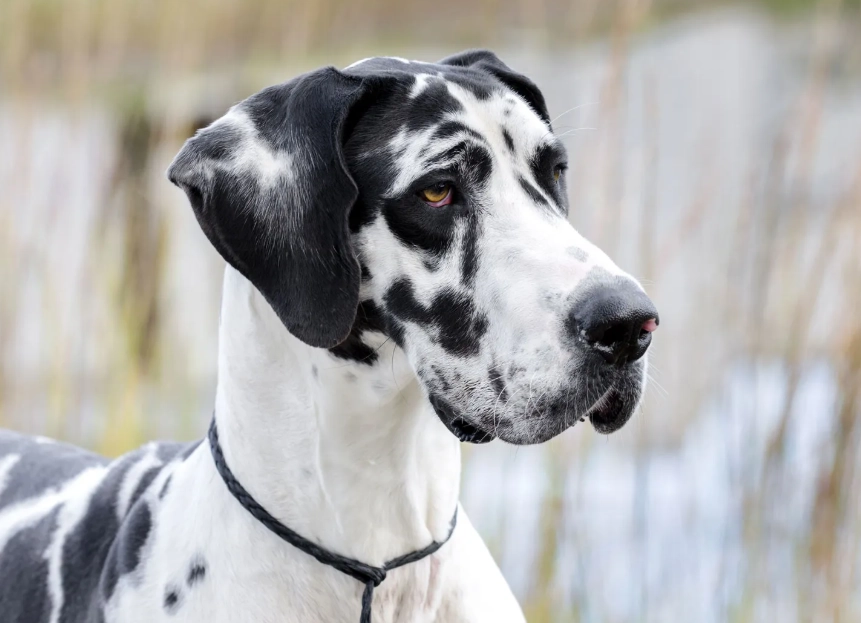
What's a Great Dane Really Like? Beyond the Size
Are Great Danes Good Family Dogs?
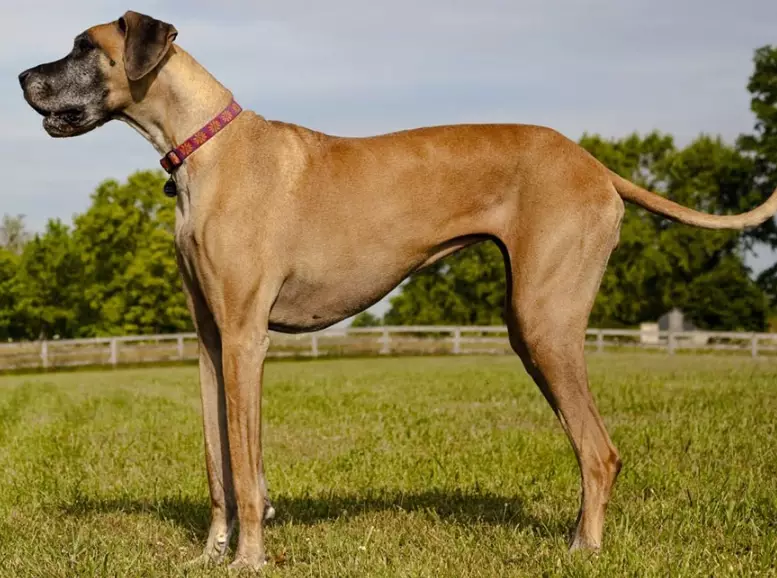
The Not-So-Fun Part: Great Dane Health Problems You Must Know About
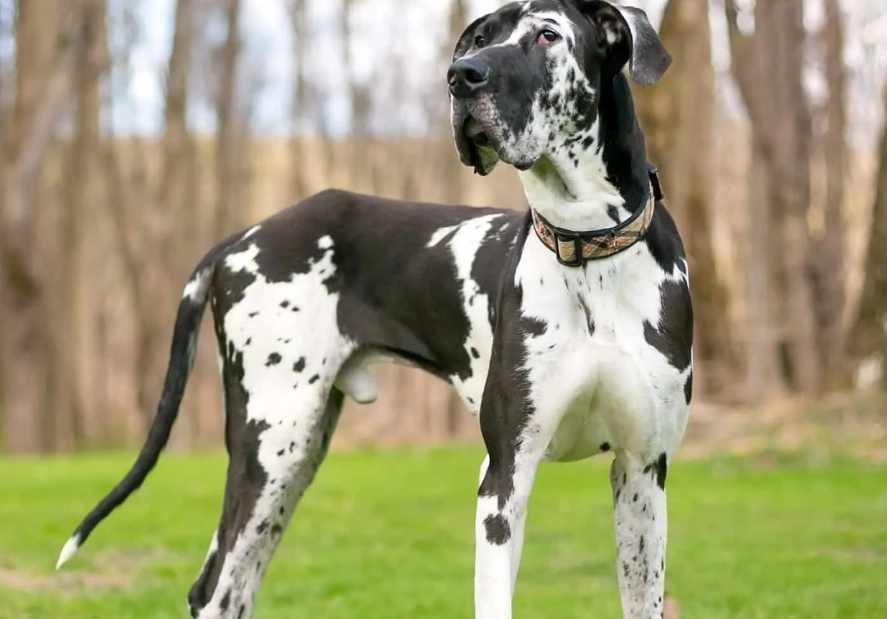
The Real Cost of a Great Dane (It's Not Just the Purchase Price)
Expense Category Estimated Cost (First Year & Ongoing) Notes Initial Purchase/Adoption $1,500 - $3,000+ (breeder)
$300 - $600 (rescue)Reputable breeders charge more due to health testing. Adoption fees are lower but may include initial vet care. Food (High-Quality Giant Breed Formula) $80 - $150+ per month They eat a lot. An adult can eat 6-10 cups of food daily. Quality matters for joint health. Preventative Vet Care & Vaccines $300 - $600 annually Routine checkups, heartworm/flea prevention. Costs scale with weight for medications. Pet Insurance OR Emergency Fund $70 - $120+ per month (insurance)
OR $3,000+ saved (fund)Highly recommended. A GDV surgery can cost $5,000-$10,000. Insurance for giant breeds is costly but can save you. Supplies (Beds, Crates, Bowls, Collars) $500+ (initial outlay) You need XXL everything. A sturdy crate can cost $200 alone. Beds are large and wear out. Training & Socialization $100 - $300 for classes Not optional. A poorly trained 150-pound dog is unmanageable and a liability. 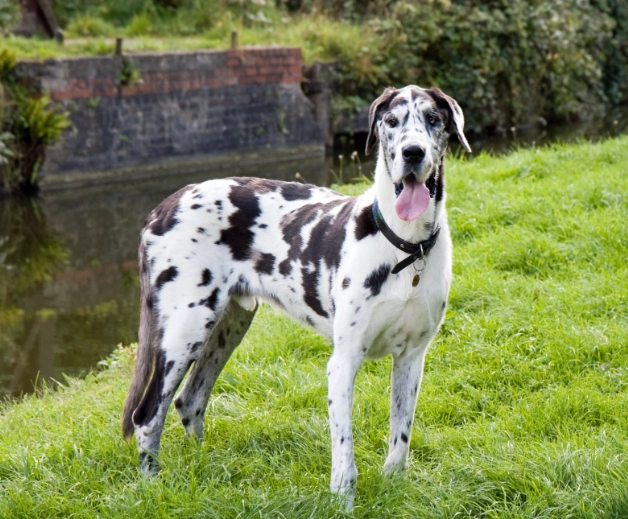
Living with a Giant: Daily Life and Practicalities
Space Needs: Do You Really Need a Mansion?
The Great Dane Shopping List (XXL Edition)
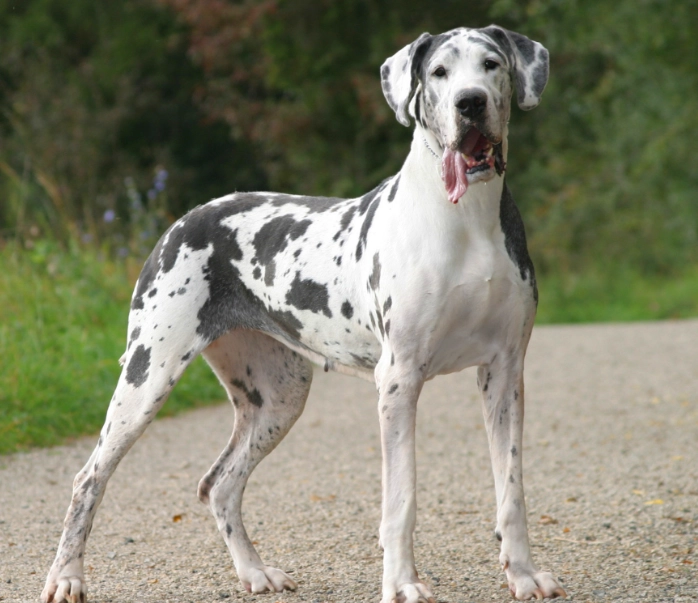
Training and Socialization: Non-Negotiable Foundations
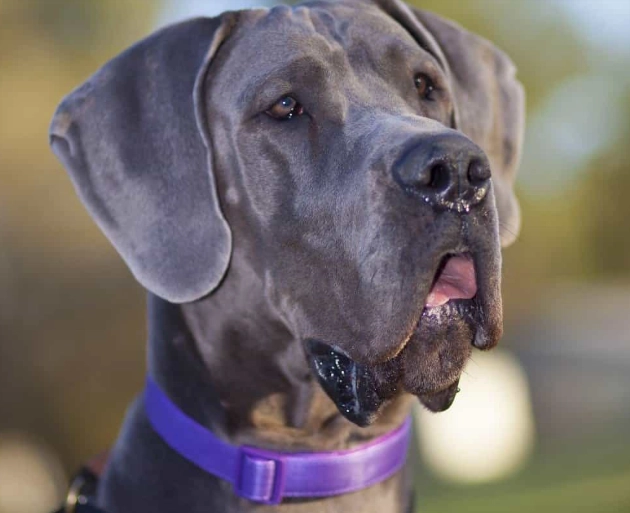
Great Dane FAQs: Answering Your Burning Questions
How much exercise does a Great Dane need?
Are Great Danes easy to train?
Do Great Danes drool a lot?
Can a Great Dane live in an apartment?
Do Great Danes get along with other pets?
What is the best diet for a Great Dane?
Making the Decision: Is a Great Dane Right for YOU?
The key is horizontal space, not necessarily acreage.
Comment