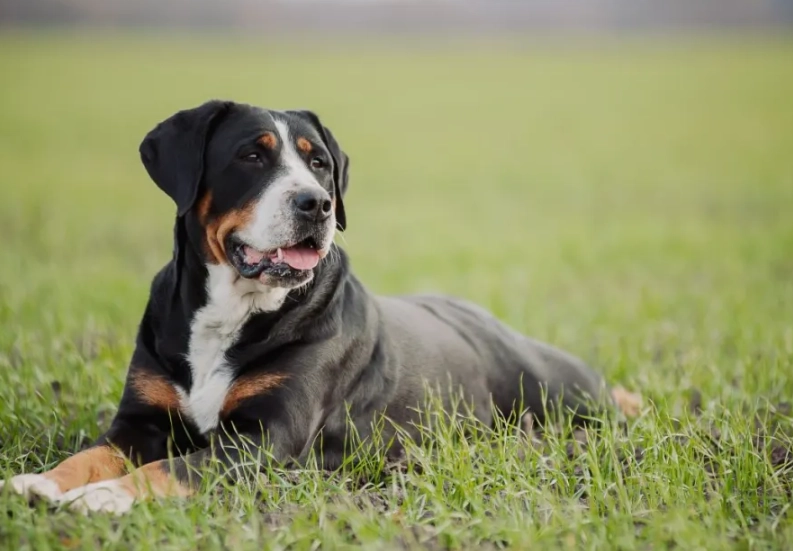
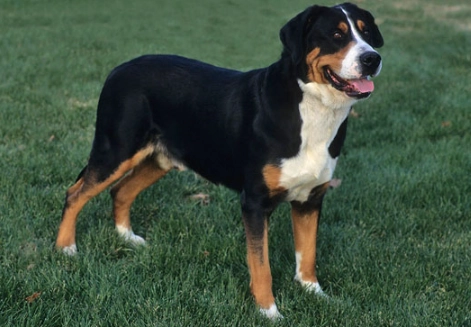
Let's talk about the Greater Swiss Mountain Dog. You've probably seen pictures – that striking tri-color coat, the powerful build, the kind eyes. Maybe you met one at the park and were struck by how calm and sturdy they seemed. I get it. The appeal is instant. They look like a classic dog, the kind you imagine on a farm or hiking a mountain trail with you. But here's the thing I wish someone had told me before I got my first Swissy over a decade ago: they are not just a big, pretty dog. They are a commitment. A wonderful, loving, slobbery commitment that weighs over 100 pounds. This guide isn't about selling you on the breed. It's about giving you the real, down-to-earth picture so you can decide if a Greater Swiss Mountain Dog is the right puzzle piece for your life. The Swissy at a Glance: Often called the "Swissy," this breed is the largest and oldest of the four Swiss Sennenhund breeds. They were originally all-purpose farm dogs in the Swiss Alps, pulling carts, driving cattle, and guarding the homestead. That history is baked into their DNA today. If you're looking for a one-word description, "steady" comes close. They are famously good-natured, confident, and devoted to their families. But let's break that down beyond the breed standard clichés. Greater Swiss Mountain Dogs are typically incredibly loyal. They form deep bonds and want to be where you are. Not necessarily on your lap (though they'll try), but in the same room. They are often described as "quietly watchful." Mine would just lie in the middle of the kitchen, content just to observe the household buzz. They are usually great with kids. I say usually because, like any dog, early socialization is non-negotiable. But their inherent patience and sturdy build make them tolerant of the kind of clumsy affection kids dish out. They're more likely to walk away than snap. With other dogs, they can be aloof but not typically aggressive. The males can sometimes have same-sex dog aggression, so that's something to watch with intact males. Strangers? They'll bark. That deep, resonant bark that makes you feel very safe. It's a guard dog heritage thing. But once you invite someone in, they usually settle down quickly. They're watchdogs, not attack dogs. A personal story: My Swissy, Bear, was the most gentle soul with our toddler. He would let her use him as a pillow, steal his toys, and generally treat him like a piece of furniture. He never so much as grumbled. But let a delivery person approach the door, and he transformed into a 130-pound wall of sound and muscle. The dichotomy was fascinating. Okay, now for the real talk. This is where people get surprised. First, the drool. Oh, the drool. It's not constant, but it happens: after drinking water (get ready for "face drips" across your floor), when they're excited about food, or sometimes just because. You will need "drool rags" strategically placed around the house. If you're a fastidious person, think hard about this. Second, the shedding. They have a double coat. They shed year-round and have a major "blow" their undercoat once or twice a year. During that time, it's like living with a walking tumbleweed. You'll need a good vacuum and a commitment to regular brushing. Third, the size and strength. This isn't just about feeding a big dog. It's about everything: a bigger car, higher vet bills, more expensive medications, stronger leashes and collars. A excited 6-month-old Greater Swiss Mountain Dog puppy can easily pull an adult off their feet if not trained. You must be physically capable of handling them. And fourth, they are not marathon runners. They are built for power, not endurance. Because they are a deep-chested breed, they are prone to bloat (Gastric Dilatation-Volvulus), a life-threatening emergency. Intense exercise, especially around meals, is a risk factor. Their exercise needs are moderate: a couple of good walks a day and some playtime. They are prone to joint issues, so over-exercising puppies is a big no-no. Let's make this practical. Who is this breed a perfect match for, and who should probably look elsewhere? See where you land? Be honest with yourself. Getting a dog that doesn't fit your lifestyle is unfair to both of you. All purebred dogs have potential health concerns. For the Greater Swiss Mountain Dog, responsible breeders screen for the big ones. You MUST ask for health clearances. A good resource for understanding these conditions is the Orthopedic Foundation for Animals (OFA) website, where you can verify health testing. The Greater Swiss Mountain Dog Club of America (GSMDCA) also has excellent health information and breeder referrals. Their coat is short and relatively easy. A weekly brush with a slicker brush or undercoat rake will control most of the shedding. During coat-blowing season, you'll need to brush daily. Baths are only needed a few times a year unless they get into something. The real grooming focus is on: Let's talk money, because it's a big factor. The puppy price from a reputable breeder who does all the health testing typically ranges from $2,000 to $3,500. That's just the start. First-Year Essentials (One-Time & Startup): Crate (giant size), heavy-duty bed, bowls, leashes/collars, grooming tools, puppy training classes, spay/neuter, initial vet visits/vaccines. Easily $1,000+. Annual Recurring Costs: You're looking at a baseline of $1,500-$2,500 per year, not counting emergencies or major illnesses. It's a significant part of a household budget. A well-trained 10-pound dog is cute. An untrained 130-pound dog is a dangerous liability. Training isn't optional. Start the day you bring your Greater Swiss Mountain Dog puppy home. Socialization isn't just meeting people and dogs; it's exposing them to all sorts of sights, sounds, and surfaces in a positive way. The critical window is before 16 weeks. Focus on: Use positive reinforcement (treats, praise). They are sensitive and don't respond well to harsh methods. They want to please, but they can also be stubborn. Patience is key. Going through a Reputable Breeder: This is the best path for most people, especially families. A good breeder is your lifelong resource. They health-test their breeding stock, raise puppies in their home, and take back any dog they produce, no matter what. Avoid anyone who has multiple litters available, sells puppies online with a credit card, or won't let you visit their home. The GSMDCA is the best place to start. Expect to be interviewed and go on a waiting list. Rescue/Adoption: There are breed-specific rescues, like those affiliated with the GSMDCA. Adopting an adult dog can be wonderful—you skip the puppy stage and know their adult personality and size. The downside is they may come with unknown behavioral or health baggage that you need to be prepared to manage. It's a noble path but requires extra patience. So, where does this leave you? Owning a Greater Swiss Mountain Dog is not for the faint of heart or the light of wallet. It's a lifestyle choice. The drool, the hair, the giant poop, the worrying about bloat, the short lifespan—it's all real. But. It's also coming home to a wagging tail that shakes their entire body. It's a calm, steady presence that makes your house feel like a home. It's a loyal friend who thinks your lap is still an option. It's the dignity and beauty of a living piece of history. If you've read all this, weighed the challenges, looked at the costs, and your heart still says "yes," then you might just be the right person for one of these magnificent dogs. Do your homework, find a fantastic breeder or rescue, buckle up for the adventure, and get ready for a love that’s as big as they are.Quick Guide
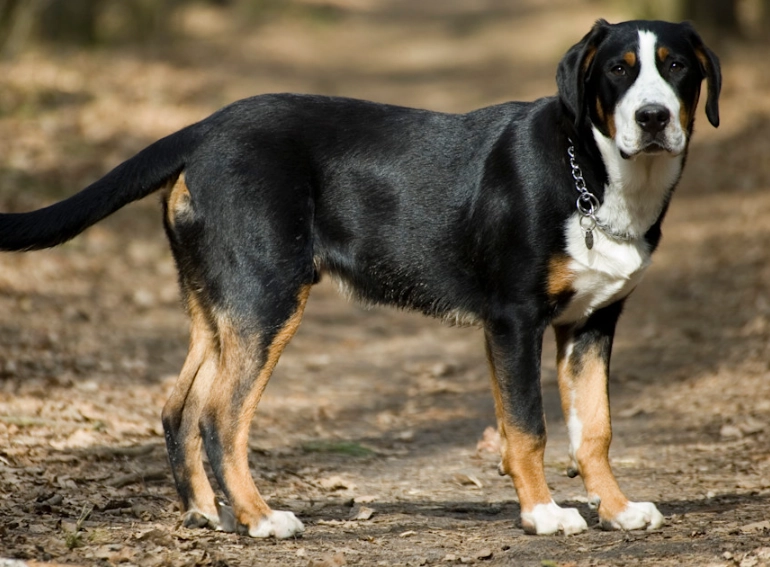
What's a Swissy Really Like? The Good, The Bad, The Hairy.
The Personality You'll Fall in Love With
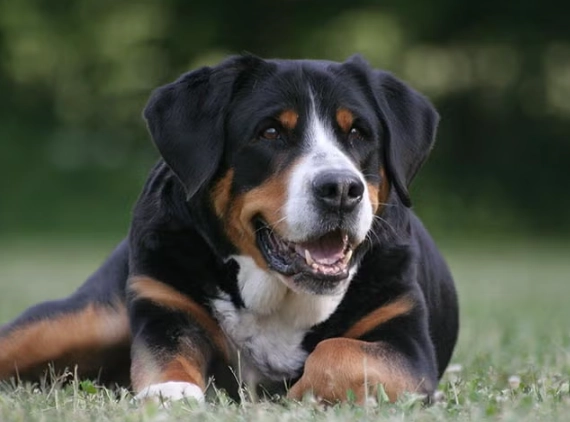
The Challenges You Need to Be Ready For
Is a Greater Swiss Mountain Dog Right For Your Life?
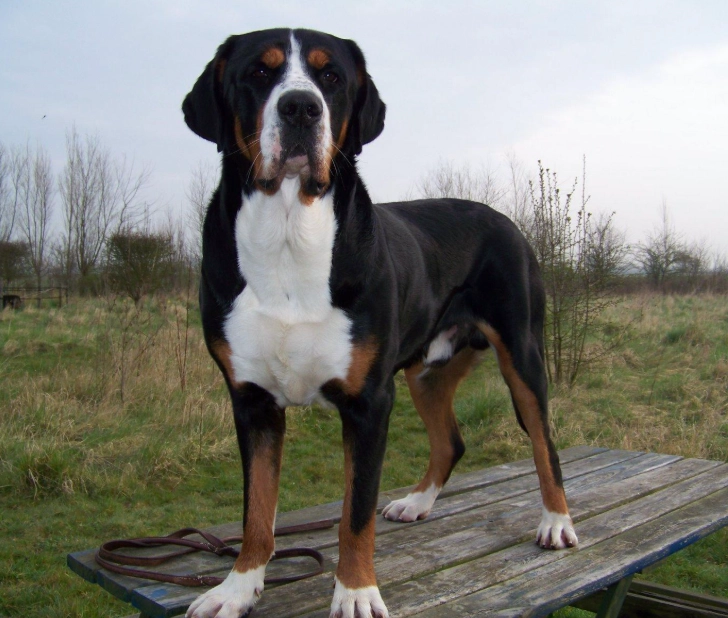
Ideal Swissy Owner
Probably Not the Best Fit
Experienced dog owners who understand large breed needs.
First-time dog owners (though not impossible with lots of research).
Families with space (a house with a yard is ideal).
Apartment dwellers, unless you're extremely active and committed to multiple walks.
People who want a loyal, steady companion, not a high-energy athlete.
People looking for a jogging or biking partner.
Those who don't mind dog hair and occasional slobber.
Neat freaks or those with severe allergies.
Owners who are home a good amount (they hate being alone for long stretches).
People who work 10-hour days away from home.
Someone with a budget for higher food, vet, and care costs.
Someone on a very tight budget.
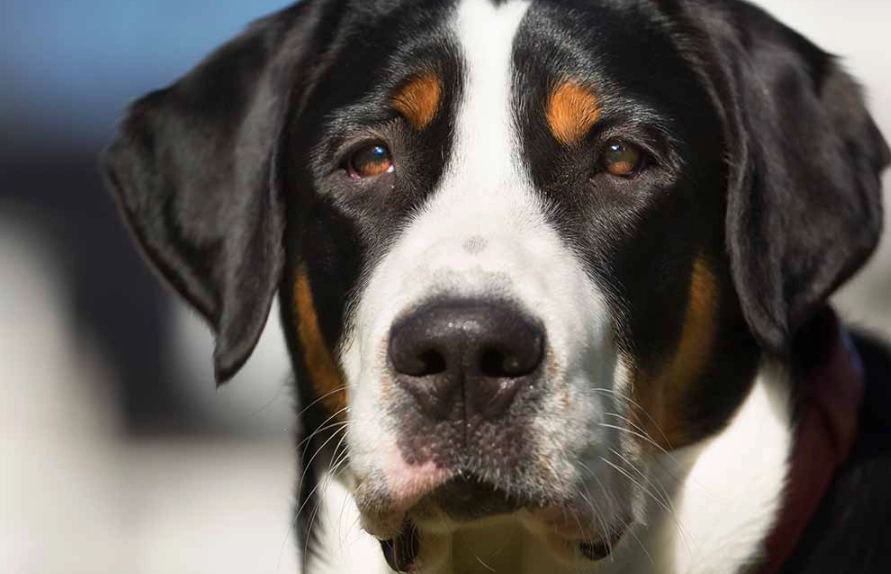
The Nitty-Gritty: Health, Grooming, and Cost
Health Issues to Know About
Grooming: It's Manageable, But Consistent
The Real Cost of a Greater Swiss Mountain Dog
Training and Socialization: Non-Negotiables
Answering Your Biggest Swissy Questions
Finding a Greater Swiss Mountain Dog: Breeder vs. Rescue
Are Greater Swiss Mountain Dogs good for first-time owners?
I'd be cautious. Their size alone creates challenges a first-timer might not anticipate (cost, strength, health concerns). If you're a dedicated, research-oriented first-timer who can commit to professional training help, it's possible. But often, a slightly smaller, less headstrong breed is a better learning experience.
Can a Swissy live in an apartment?
It's tough, but doable with major caveats. You must be hyper-vigilant about exercise—multiple long walks a day, trips to a dog park or secure area for off-leash play. You need a ground-floor unit or an elevator. Their bark is loud and will carry. It's a lot of work, and the dog would undoubtedly be happier with direct yard access.
How long do Greater Swiss Mountain Dogs live?
The lifespan is typically 8 to 11 years. This is the heartbreaking reality of giant breeds. Their bodies work hard. Providing excellent nutrition, maintaining a lean body weight, and proactive vet care are the best ways to help them reach the upper end of that range.
Do they get along with cats?
Often, yes, if raised with them. Their low prey drive helps. But introductions must be slow and supervised. A puppy is easier than introducing an adult dog to a resident cat.
Are they easy to train?
They are intelligent and learn commands quickly. The harder part is reliability and motivation. They can be willful and ask, "What's in it for me?" Consistency and making training fun are the secrets. They're not like a Border Collie that lives to work.
Comment