You see them in pictures, all sleek lines and quiet dignity. Maybe you met one at the park, a gentle giant leaning against a stranger's leg. The idea starts to form: what would it be like to have a Greyhound? I get it. I've been there. The image is compelling, but the reality is... well, it's different from any other dog I've known. It's better in some ways, more challenging in others, and utterly unique in most. This isn't a fluffy breed profile full of marketing speak. This is the real, practical, sometimes messy guide I wish I had before I brought my first retired racer home. We're going to dig into everything—not just the Instagram-perfect moments, but the vet bills, the weird quirks, the sheer joy, and the occasional frustration. Whether you're looking at a bouncy puppy or a calm retiree, you'll leave here knowing if a Greyhound fits your life. Let's clear something up first. The Greyhound you're likely considering is either a retired racing athlete or a dog bred from those lines. This history shapes everything about them. It's not just a background story; it's their operating system. The American Kennel Club (AKC) outlines the breed standard—that elegant, aerodynamic build built for speed. But living with one is less about the standard and more about the individual dog's experiences. I remember bringing Leo home. He was a big, black boy, straight from the track. He didn't know what a window was (tried to walk through a glass patio door), stairs were a terrifying puzzle, and hardwood floors turned him into a wobbly-legged cartoon character. His world had been kennels, turnout pens, and the track. Your home is a sensory overload for them at first. That's a key piece of the Greyhound puzzle everyone forgets to mention. Ask ten owners about their dog's temperament, and you'll get eleven answers. There's a range. Some are genuinely aloof, happy to be in the same room but not all over you. Others are the definition of "velcro dog," following you from room to room just to sigh dramatically at your feet. Most land in the middle: quietly affectionate, deeply sensitive, and often surprisingly goofy. They're not typically barkers. Leo might let out a single "woof" if the doorbell rings, then look surprised at the noise he made. Their communication is more subtle—a nudge with a long nose, a stare that bores into your soul when it's treat time. They can be stubborn. Not in a defiant way, but in a "I have assessed the situation and determined the couch is a better option" way. You can't really argue with that logic. Are they good with kids? Generally, yes, due to their gentle nature. But their thin skin and lightening-fast reflexes mean roughhousing is a no-go. A toddler falling on them could cause a serious injury. They're better with respectful, calm children. With other dogs, it's a mixed bag. They have a high "prey drive," a polite term for "the instinct to chase small, furry things." This can extend to small dogs. Successful integration with a cat or small pet is possible—many adoption groups "cat-test" their dogs—but it's never a guarantee and requires careful, managed introduction. You can't just assume it'll work out. Okay, let's get practical. What does day-to-day life actually look like? This is the biggest misconception. People see "fastest dog" and think "needs to run for miles." Wrong. A retired racer is used to running flat-out for less than a minute. Their ideal exercise is a 20-30 minute walk twice a day, with access to a safe, enclosed area a few times a week for a proper zoomie session. A fenced yard is great, but not a substitute for leashed walks. Walks provide mental stimulation—new smells, sights, sounds. Without it, they get bored. A bored Greyhound might not destroy your couch. They're more likely to just... sigh louder. But they can develop anxiety. They sleep. A lot. We're talking 18-20 hours a day. They will master the art of the comfy position on any surface. You will buy them expensive beds, and they will choose the cold tile floor. They sleep so deeply they often seem dead, twitching and running in their dreams. It's normal, if slightly alarming at first. Forget a standard collar. A Greyhound's head is often narrower than its neck, so they can slip right out. You need a martingale collar. It tightens slightly when pulled, preventing escape, but doesn't choke like a slip lead. It's non-negotiable for safety. Also, get a coat. They have virtually no body fat and thin fur. In anything below 50°F (10°C), they get cold. A simple fleece or waterproof jacket makes winter walks possible. On the flip side, they overheat easily in summer. Walks in the cool morning or evening are essential. This is a major fork in the road. Most people interact with retired racers, but puppies are an option from responsible breeders. The experience is wildly different. My strong personal bias? Adoption. Not out of pure altruism, but because the support system is incredible. When Leo had a weird rash at 2 AM, I emailed my adoption group's coordinator. She replied in 20 minutes. When he was anxious, they had tips. That network is gold. Reputable breeders of Greyhound puppies can be found, but you must vet them meticulously, ensuring they do full health testing on the parents, not just breeding for looks. The American Kennel Club's breeder referral is a starting point, but deep research is key. Greyhounds are generally healthy, but they have some specific vulnerabilities. Being prepared isn't pessimistic; it's responsible. Anesthesia Sensitivity: This is critical. Greyhounds have lower body fat and process drugs differently. You must inform any vet, especially an emergency vet, that they are a Greyhound and require sighthound-specific anesthesia protocols. The Greyhound Health Initiative provides resources you can share with your veterinarian. Dental Issues: It's the most common problem. Years of a soft track diet often leads to terrible tartar buildup and gum disease. Expect a professional dental cleaning soon after adoption, and be religious about home care afterward. Bone Cancer (Osteosarcoma): Sadly, this is a breed predisposition. It's aggressive and often appears in mature dogs. Know the signs: persistent lameness, swelling on a leg. It's a heartbreaking reality of the breed. Bloat (GDV): Like other deep-chested breeds, they are at risk. Feed smaller meals, avoid vigorous exercise right after eating, and know the emergency signs—a distended abdomen, unproductive retching. Their physiology is different. Their bloodwork will look "off" to a vet not familiar with the breed—higher red blood cell counts (a racing adaptation), lower thyroid levels. Don't panic. Find a vet who either knows Greyhounds or is willing to learn. It makes all the difference. Surprisingly, yes, they can be excellent apartment dogs. Their low energy indoors and quiet nature fit apartment living well. The key is providing those structured leash walks for physical and mental stimulation. The main challenge is getting them up and down elevators or multiple flights of stairs if they're not accustomed to them. In an unsecured area? Almost never. Their prey drive is too strong. If a squirrel darts across a path, their brain switches from "pet" to "chase" in a nanosecond. They can run at 45 mph. You cannot catch them, and they often do not recall until the chase is over, which can lead them miles away into traffic. A securely fenced area (6-foot minimum, as some can jump) is the only place for off-leash freedom. The average lifespan is 10-14 years. It's a decently long life for a large breed. Those later years can be incredibly sweet and gentle. Generally, no! They have little "doggy odor" and are known for being clean. Drooling is minimal unless food is directly involved. They are relatively low-mess dogs, aside from the occasional tail mishap. Living with a Greyhound is a lesson in quiet companionship. It's not the exuberant, always-up-for-adventure vibe of a Labrador. It's more subtle. It's the weight of a head on your lap during a movie. It's the silent, graceful shadow that pads behind you. It's the hilarious contrast of a creature built for breathtaking speed choosing to spend 95% of its life in a state of profound repose. They are not for everyone. If you want a dog to hike 10 miles every weekend, this isn't it. If you need a dog that will instinctively guard your home, look elsewhere. If you're impatient with initial fearfulness or quirks born from a unique past, the transition will be hard. But if you want a gentle, low-maintenance, affectionate companion who will make you laugh with their quirks and amaze you with their grace, a Greyhound might just be the perfect, unexpected fit. Do your homework. Connect with a local adoption group like Greyhound Adoption League or talk to multiple breeders. Meet the dogs. Ask the hard questions. Maybe one of those long-nosed, soulful-eyed dogs will lean against your leg, and you'll just know.What’s Inside
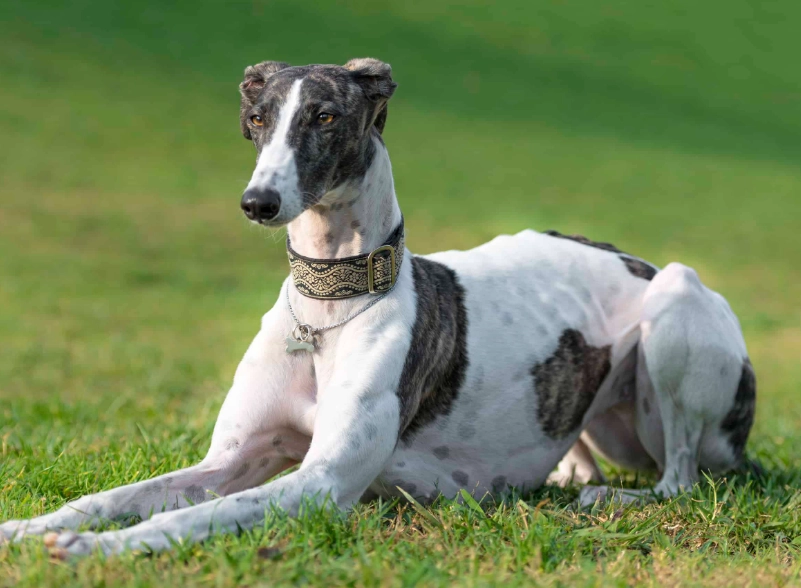
Beyond the Racetrack: What a Greyhound Really Is
The Personality Spectrum: From Aloof Clown to Velcro Shadow
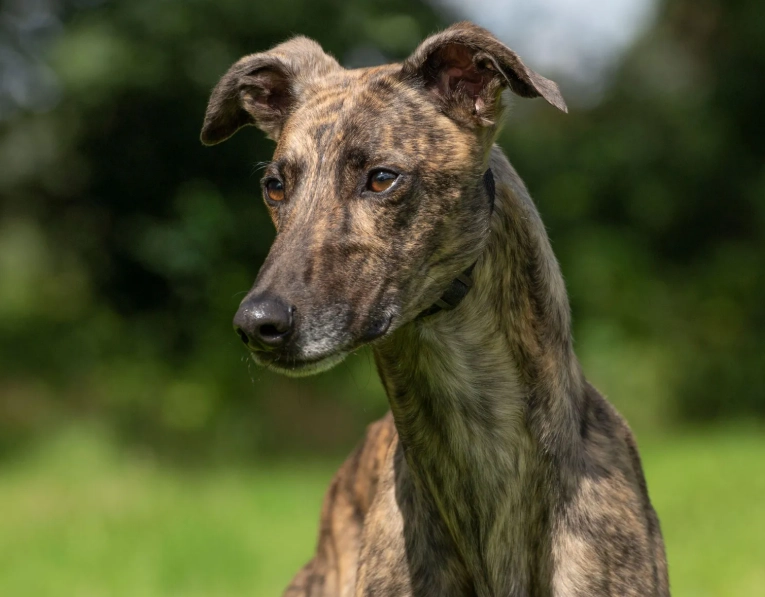
The Nuts and Bolts of Greyhound Life
Exercise: The Sprint vs. Marathon Myth
The Infamous Greyhound Sleep
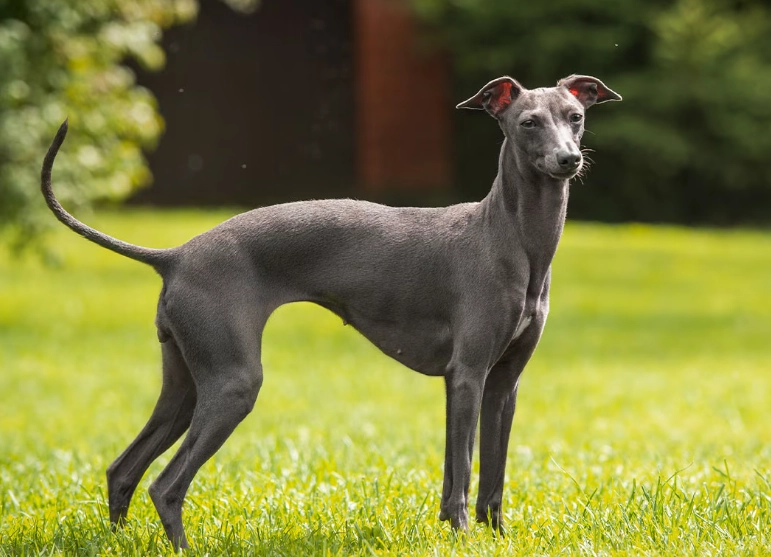
Gear You Absolutely Need
Adoption vs. Buying a Puppy: A Real Talk Comparison
Consideration
Adopting a Retired Racing Greyhound
Buying a Greyhound Puppy
Starting Point
An adult (usually 2-5 years old) with a known personality and health history from the track. Often already crate-trained.
A blank slate. You shape all socialization, training, and habits from scratch.
Transition Period
Can be significant. Everything is new: stairs, windows, TVs, slippery floors, household noises. Requires patience.
The puppy grows up in a home environment, so no major environmental shocks.
Energy Level
Generally calm and settled. The "couch potato" reputation is earned here.
Very high-energy, mouthy, and playful like any puppy. Will take years to calm down.
Cost
Adoption fee (typically $200-$500) often includes spay/neuter, vaccinations, dental, and transport.
Purchase price from a reputable breeder can range from $1,500 to $3,000+, plus all initial vet costs.
Support
Excellent. Adoption groups provide immense post-adoption support and are a wealth of breed-specific knowledge.
Varies by breeder. A good one will offer lifetime support, but the community is less structured than adoption networks.
The Trade-off
You skip the destructive puppy phase but may deal with past trauma or ingrained track behaviors.
You get to experience the full dog lifecycle but must commit to intensive early training and socialization.
Health Matters: What to Watch For
Answering Your Big Greyhound Questions
The Final Reality Check
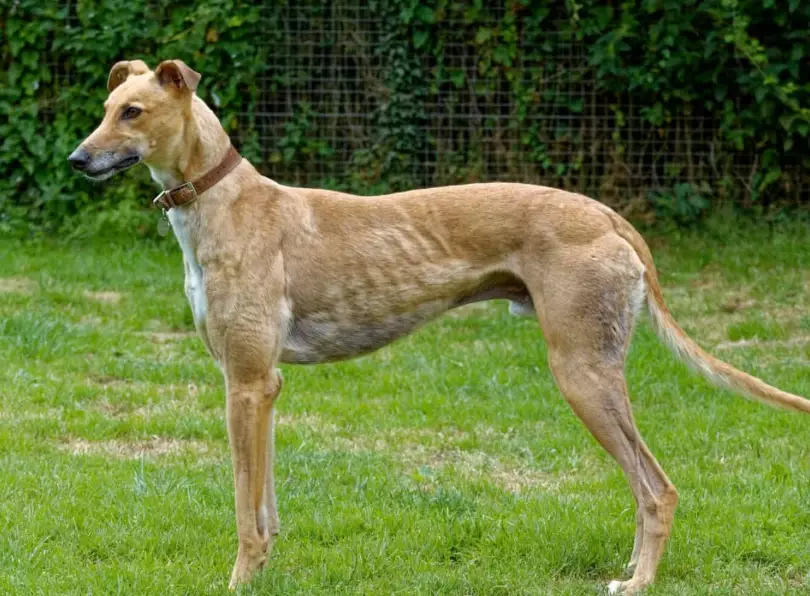
The Core Truth: A Greyhound is not a high-energy working dog. It's a sprinter. Think of them as the world's fastest couch potatoes. They demand short bursts of intense play or running, followed by 18 hours of profound, soul-deep lounging. Get this wrong, and you'll both be miserable.
My second Greyhound, Luna, had what we called "opinions." She would refuse to go outside if it was drizzling, giving me a look that clearly said, "You expect me to go out in *that*?" She'd then wait by the treat jar, as if her indoor bathroom strike deserved compensation. The entitlement was breathtaking.
Watch Out For: Their tails are powerful and low. They will clear coffee tables with a single happy wag. I've lost more wine glasses than I care to admit to "happy tail." It's also prone to injury—banging it against a wall can cause a painful split that's slow to heal. Some people call it "happy tail syndrome," and it's a real nuisance.
Are Greyhounds good apartment dogs?
Can a Greyhound ever be off-leash?
How long do Greyhounds live?
Do they smell or drool a lot?
I'll be honest. The first month with Leo was exhausting. The accidents, the fear, the constant supervision. I wondered if I'd made a mistake. But then, one evening, he walked over, rested his chin on my knee, and let out a long, peaceful sigh. That was it. That was the moment I got it. The bond with a Greyhound isn't loud; it's a deep, quiet connection that settles into the bones of your life. I've had other dogs, but there's something uniquely special about this breed.
Comment