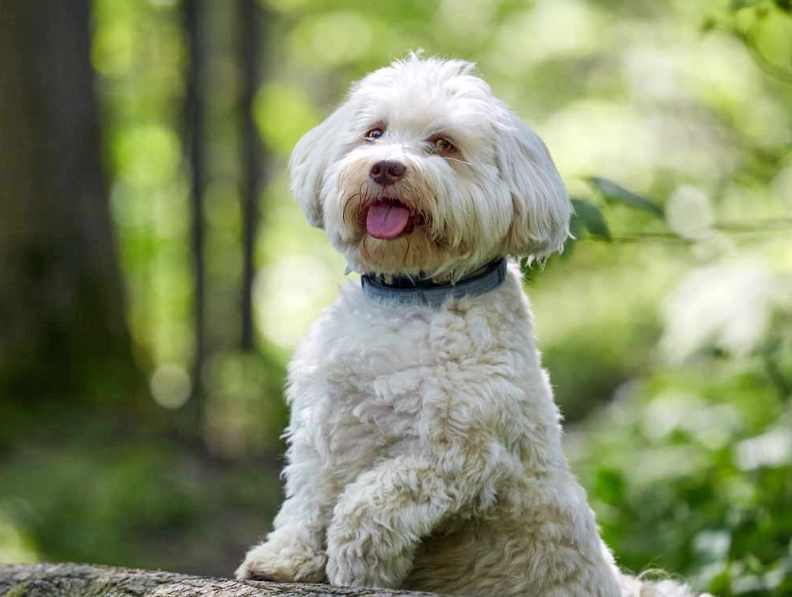
You've probably seen them. A puff of silky hair trotting down the street, looking more like a cheerful little mop with legs than a dog. That cheerful, confident strut is a dead giveaway. It's a Havanese. And if you're here, you're likely smitten and doing your homework. Good. Because as adorable as they are (and trust me, they are), bringing a Havanese into your life isn't just about adding living decor to your couch. It's a commitment to a surprisingly complex, brilliantly social, and yes, sometimes high-maintenance little companion. I've had mine, a clever fellow named Mochi, for seven years now. I went in thinking I was getting a cute lapdog. What I got was a clown, a shadow, a sometimes-stubborn negotiator, and an absolute heart-stealer. This guide is what I wish I had read back then. It's not just breed standard fluff. We'll dig into the real day-to-day stuff, the good, the bad, and the hairy. It always helps to know where a dog comes from. It explains so much about their behavior. The Havanese is the national dog of Cuba, and its history is as rich as you'd imagine. They're descended from companion dogs brought from Europe (like the now-extinct Blanquito de la Habana and likely early Bichon types) and developed in isolation on the island. This wasn't a dog bred for hunting or herding. Its job was purely to be a companion, to sit on laps in Victorian mansions and entertain families. That centuries-old job description is baked into their DNA. They are programmed to be with people. This is their greatest strength and their biggest potential weakness. A Havanese left alone for long hours is a miserable Havanese, and a miserable Havanese will find creative (and destructive) ways to express that misery. The breed almost vanished after the Cuban Revolution but was saved by a handful of dedicated breeders in the US. The American Kennel Club (AKC) officially recognized them in 1996, and their popularity has been steadily climbing ever since. You can read the detailed official breed standard on the American Kennel Club's Havanese page, which is a fantastic resource for understanding the ideal physical and temperament traits. If I had to sum up the Havanese temperament in one word, it would be sociable. They are not aloof. They are not one-person dogs. They are everyone's friend. The mailman, the neighbor's cat (though the cat may disagree), the toddler, the elderly visitor—they greet all with a gently wagging tail and an expectant look that says, "Are you going to pet me now?" This makes them terrible guard dogs. An intruder would likely be offered a toy. But this affability comes with a brain. Havanese are smart. Scary smart sometimes. They learn commands quickly, but they also learn your routines, your weaknesses, and how to get what they want. Mochi knew exactly which pathetic whine would make me get up for a treat at 10 PM. They excel in dog sports like agility and obedience because they love to work with you. It's a partnership. Generally, yes. Their sturdy build (they're not as delicate as some toy breeds) and playful, patient nature make them excellent companions for respectful children. Supervision, as with any dog, is always key. They usually get along well with other dogs and, if introduced properly, can coexist with cats. That strong social drive works in their favor here. Here's the big one. The potential deal-breaker. That wonderful need to be with you can tip over into severe separation anxiety if not managed from day one. The term "Velcro dog" was invented for breeds like the Havanese. They will follow you from room to room. To the bathroom? Yes. To the kitchen while you get water at 2 AM? Absolutely. This isn't always cute. It can lead to barking, whining, and destruction when you leave. You must teach them, patiently and consistently, that being alone is safe and okay. Crate training is a godsend for this. It gives them a secure den. Never use the crate as punishment. Let's get practical. What does it actually take to care for one of these dogs? This is the most labor-intensive part. That beautiful coat doesn't maintain itself. It's long, soft, and silky, and it grows continuously like human hair. You have two main options: You also need to stay on top of ears (cleaning weekly to prevent infections), nails (trimming every few weeks), and teeth (daily brushing is ideal). Here’s a quick table of the essential grooming toolkit: Don't let the small size fool you. A Havanese has energy. They are not content with just a quick potty break. They need a good 30-45 minutes of activity per day. This can be a brisk walk, a play session in the yard, or an indoor game of fetch down the hallway. They also LOVE mental games. A 15-minute training session where they learn a new trick will tire them out as much as a walk. Their adaptability is a huge plus. They can be happy in an apartment as long as their exercise and mental needs are met. They are equally happy in a house with a yard, though the yard should be securely fenced—they can be curious and are not street-smart. They're small, so they don't eat much. But quality matters. A high-quality, small-breed kibble or wet food is essential. Be mindful of treats—it's easy to overfeed a small dog. Obesity puts stress on their joints and leads to other health problems. Talk to your vet about the right portion size. And some Havanese can be picky eaters. Mochi goes through phases where he turns his nose up at his usual food for no apparent reason. Overall, the Havanese is a healthy breed with a lifespan of 14-16 years. But like all purebreds, they are prone to certain genetic conditions. A responsible breeder will test their breeding stock for these. Always ask to see health clearances. Regular vet check-ups are crucial. Pet insurance for a Havanese is something I personally recommend. When Mochi needed surgery for his patella, it saved me thousands. Remember that intelligence? It means training is usually easy and fun. They aim to please. But they also have a sensitive side. Harsh corrections or yelling will shut them down completely. They respond brilliantly to positive reinforcement—treats, praise, play. Potty training can be a challenge. They are small, so their bladders are small. Consistency and patience are key. Crate training helps immensely here too. Expect accidents, especially in the first few months. Don't get frustrated. Barking is another thing to manage. They are alert barkers. A leaf blows by the window? Bark. Someone walks past the door? Bark. It's not usually aggressive, but it can be noisy. Teaching a "quiet" command from a young age is essential for apartment dwellers. This is the million-dollar question. An adult, well-adjusted Havanese can typically handle being alone for 4-6 hours, provided they have been trained for it gradually, have had proper exercise beforehand, and are left in a safe space (like a crate or puppy-proofed room) with engaging toys. A full 8-9 hour workday is generally too long and will likely lead to anxiety and behavior problems. They are companions first and foremost. This is a critical decision. Going through a reputable breeder: This is the best way to ensure you get a healthy puppy with a known history and a stable temperament. A good breeder will interview you, show you the puppy's parents, provide health clearances, and be a resource for the dog's entire life. They don't sell through pet stores. Expect to be on a waitlist and pay a premium. The Havanese Club of America is the official parent club and has a breeder referral list. This is your safest starting point. Rescue or adoption: Havanese do end up in rescue, often through no fault of their own (owner allergies, lifestyle changes, etc.). Adopting an adult dog can be wonderful—you often skip the puppy potty-training phase and get a dog with a known personality. Check with breed-specific rescues like Havanese Rescue Inc. or petfinder.com. Think about your lifestyle. Be brutally honest. A Havanese would thrive in a home where someone is around most of the time, where there's a commitment to daily grooming and mental engagement, and where the goal is an interactive, involved family member. They are perfect for retirees, people who work from home, or active families with someone always popping in and out. A Havanese would be a poor fit for someone who travels constantly, works long hours away from home, dislikes regular grooming, or wants a completely independent, low-maintenance dog. If you're ready for the grooming, the training, and the constant, loving shadow at your feet, then a Havanese might just be the most rewarding companion you'll ever have. They pour an incredible amount of joy and personality into a small package. Just go in with your eyes open to the whole picture, not just the adorable, fluffy one. Do your research, find a responsible source, and get ready for a dog that will make you laugh every single day. Mine just nudged my elbow as I typed this, demanding a belly rub. And of course, he got one. How could you say no to that face?Quick Guide

Where Did This Charmer Come From? A Stroll Through History

The Havanese Personality: Sunshine on Four Paws (Mostly)
Are They Good With Kids and Other Pets?
The Flip Side: Separation Anxiety and the "Velcro Dog" Label
Living With a Havanese: The Day-to-Day Reality
Grooming: The Non-Negotiable Time Commitment

Tool
Purpose
Frequency
Slicker Brush
Primary brush for removing tangles and preventing mats.
Daily (long coat), 2-3x/week (short cut)
Metal Comb
Final check to ensure no small tangles are left at the skin.
After every brushing session
Dog Shampoo & Conditioner
For bathing. Use a gentle, dog-specific formula.
Every 1-4 weeks
Nail Clippers/Grinder
To keep nails short and comfortable.
Every 2-4 weeks
Ear Cleaning Solution
To clean ears and prevent yeast/bacterial infections.
Weekly
Exercise and Activity Needs
Diet and Nutrition
Health Considerations: What to Watch For

Training Your Havanese: Smart, But Willful
Can Havanese be left alone during the workday?
Finding a Havanese: Breeder vs. Rescue
Answering Your Big Questions (The FAQ)
The Final Word: Is a Havanese Right For You?
The Bottom Line Up Front: The Havanese is a small, sturdy toy breed known for its affectionate, outgoing, and intelligent nature. They are adaptable family dogs but demand consistent companionship and a fair bit of grooming. They are not the fragile, yappy lapdogs some mistake them for.
A word of caution on the intelligence: a bored Havanese is a problem. They need mental stimulation just as much as physical exercise. Puzzle toys, short training sessions, and new tricks are non-negotiable.
Grooming isn't optional. It's healthcare. A matted coat is painful and can hide skin problems.
Are Havanese hypoallergenic?
This is a huge draw, but the term is misleading. No dog is 100% hypoallergenic. Havanese have a single coat that sheds very little (the loose hair gets caught in the rest of the coat, which is why brushing is so important). They produce less dander than many breeds, which is what most people are allergic to. However, people with severe allergies should spend time with a Havanese before committing.
Do Havanese bark a lot?
They are vocal. They bark to alert, to play, and sometimes just to hear their own voice. It's not usually excessive or aggressive barking, but it needs to be managed with training from the start to keep it under control.
Are they easy for first-time dog owners?
Yes and no. Their friendly nature and intelligence are pluses. But their grooming needs and potential for separation anxiety add layers of complexity. A dedicated, patient first-time owner who is home a lot can do wonderfully. Someone with a very busy, unpredictable lifestyle might struggle.
What's the difference between a Havanese and a Maltese?
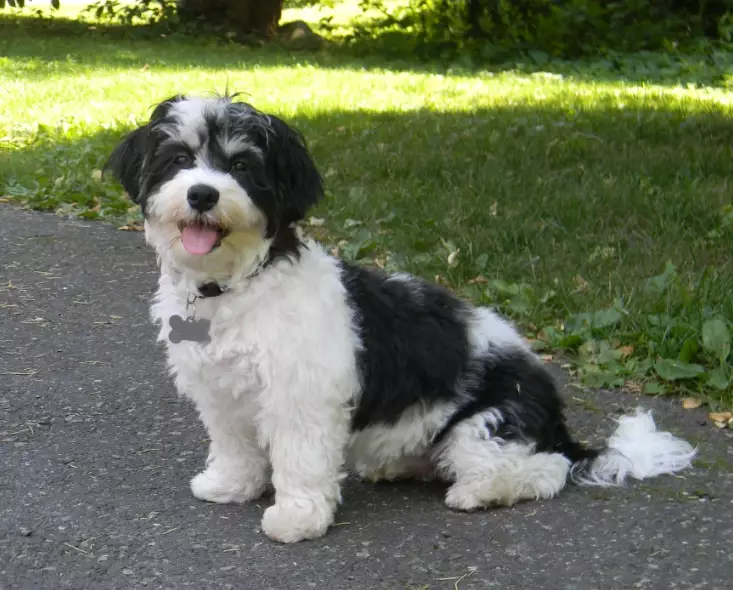
They look similar! Key differences: The Havanese is slightly stockier and has a plumed tail that curls over its back, while the Maltese tail lays flat. The Havanese coat can come in many colors, while the Maltese is only white. Temperamentally, the Havanese is often described as more robust and clownish, while the Maltese can be more delicate and lap-oriented.
Comment