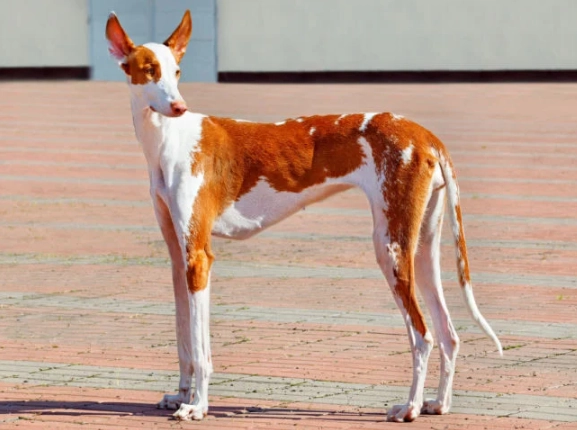
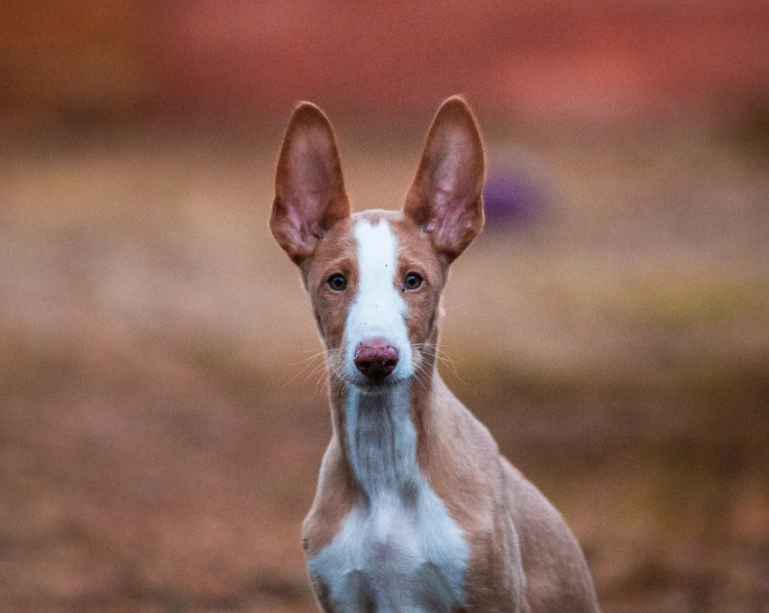
Let's talk about the Ibizan Hound. You've probably seen a picture—this tall, elegant dog with massive ears and a sleek coat, looking like something straight out of ancient Egyptian art. Maybe you're curious. Maybe you're seriously considering bringing one home. I get it. They're stunning. But here's the thing everyone glosses over: they're not for everyone. Not even close. I've spent years talking to breeders, owners, and rescue volunteers about sighthounds. I've seen the good, the bad, and the downright chaotic. This guide isn't just a rehash of breed standards. It's a real look at what living with an Ibizan Hound is actually like. We'll dig into their weird quirks, their exercise needs (hint: it's not just a walk around the block), their potential health headaches, and whether your lifestyle can handle one of these sensitive, independent thinkers. Think of them as the quiet, artistic cousin of the more popular Greyhound. The Ibizan Hound (pronounced ih-bee-zan or ih-beeth-an, depending on who you ask) is an ancient breed. We're talking thousands of years. Their history is murky, but most experts agree they originated in the Mediterranean, likely brought to the Spanish island of Ibiza by Phoenician traders. They were bred for one job: hunting rabbits and small game by sight, sound, and scent. That triple-threat hunting style is key to understanding their personality. Quick Facts at a Glance: They're a medium-large sighthound. Males stand 23.5 to 27.5 inches tall; females are a bit smaller. Weight ranges from 45 to 65 pounds. They come in two coat types—smooth and wire (rough). Colors are typically solid red, solid white, or a combination of red and white. Their lifespan is generally good for a larger dog, around 12 to 14 years. The American Kennel Club officially recognized the breed in 1979, but they're still relatively rare. That rarity is a double-edged sword. It means you won't see one on every corner, but it also means finding a responsible breeder or a rescue can take some real legwork. This is where people get it wrong. They see a sleek, regal dog and assume they're aloof or cat-like. Sure, they can be reserved with strangers. But get an Ibizan Hound in their own home with their family? Total goofball. I remember visiting a friend who owns two. One minute they were statuesque on the sofa, the next they were doing these ridiculous, bouncy "play bows" and making silly grunting noises. They're incredibly affectionate with their inner circle. They'll lean on you, curl up next to you, and give you these soulful looks. But are they good with kids? Generally, yes. They're gentle and patient. However, their thin skin and light bone structure mean they can be injured easily by roughhousing. Toddlers and Ibizan Hounds need supervision. They're also typically fine with other dogs, especially if raised together. That high prey drive, though? That's the big caveat. The #1 Dealbreaker: Small animals. Cats, rabbits, hamsters, even small dogs running quickly can trigger their instinct to chase. Some Ibizan Hounds can live peacefully with a cat they've been raised with from puppyhood, but it's never 100% guaranteed. I'd never trust one off-leash in an unsecured area. That chase instinct is hardwired. This is a massive point that many breed overviews barely touch. Ibizan Hounds form intensely close bonds. Leaving them alone for long, regular periods is a recipe for disaster. We're talking destructive chewing, heartbreaking howling, and serious stress. If you work a standard 9-to-5 job outside the home and don't have a plan (dog walker, doggy daycare, coming home at lunch), an Ibizan Hound is likely a poor choice. It's not fair to the dog. This breed thrives on companionship. Okay, let's get practical. What does day-to-day life look like? I have to be honest, if you're looking for a couch potato, this isn't your dog. But they're also not border collies that need a job every waking hour. It's a specific kind of need. They are sprinters. A couple of long, leashed walks a day are good for mental stimulation and sniffing, but what they really need is a safe, enclosed space to run full-tilt a few times a week. A large, securely fenced yard (we're talking 6-foot fences, minimum) or access to a dog park during off-hours is ideal. After a good 20-minute sprint, they'll be content to lounge for hours. Without that sprint, you might get a restless, mischievous hound. This is a win. Both coat types are easy-care. A quick brush once a week with a rubber curry brush or a hound glove is usually enough to remove loose hair. They're clean dogs with little "doggy" odor. The smooth coat is, well, smooth. The wire coat is a bit more textured but not difficult. You'll need to pay attention to their nails (they grow fast on sighthounds), their teeth (brush regularly), and those magnificent ears. Check the ears weekly for dirt or wax buildup to prevent infections. They need a high-quality diet formulated for active, medium-to-large breeds. But be careful. It's easy to overfeed them, and an overweight Ibizan Hound loses its elegant silhouette and puts stress on those long limbs. Most do well on two measured meals a day. Because some can be prone to bloat (a life-threatening stomach condition), using a slow-feed bowl and avoiding vigorous exercise right after eating is a smart precaution. Overall, they're a healthy breed. But being informed is crucial. A responsible breeder will test their breeding stock for specific conditions. Always ask to see the results of these health screenings from organizations like the Orthopedic Foundation for Animals (OFA). Here are the main things on the radar: You can find more detailed breed health information from the Orthopedic Foundation for Animals (OFA) and the AKC Canine Health Foundation. If you want a dog that lives to obey your every command, look elsewhere. Ibizan Hounds are intelligent but independent. They think for themselves. This isn't stubbornness in a negative way; it's just how their brains are wired from centuries of making hunting decisions on their own. They respond brilliantly to positive reinforcement—treats, praise, play. Harsh corrections or scolding will shut them down completely. They're sensitive souls. Keep training sessions short, fun, and varied. Puzzle toys and games like "find it" (hiding treats) are fantastic for engaging their minds. Recall Training is Non-Negotiable (And Hard). Teaching a reliable recall is the most important thing you'll do. Start in a boring, enclosed space with high-value rewards (think chicken or cheese). Practice for years. Even with a well-trained recall, I'd be very hesitant to let an Ibizan Hound off-leash near roads or wildlife. That instinct can override years of training in a split second. Socialization is also critical. Expose your Ibizan Hound puppy positively to all sorts of people, places, sounds, and other dogs. A well-socialized Ibizan is a confident, well-adjusted adult. A poorly socialized one can become timid or anxious. This is a major decision with big implications. Expect to be on a waiting list. A good breeder is interviewing you as much as you're interviewing them. They should: The American Kennel Club (AKC) website is a good starting point to find breed clubs, which can refer you to ethical breeders. The Ibizan Hound Club of the United States is the official parent club. This can be incredibly rewarding. Sighthound-specific rescues often get Ibizan Hounds, sometimes purebreds, sometimes mixes. These dogs may be adults whose owners didn't understand their needs, or they may come from difficult situations. The pros? You're giving a dog a second chance, and you might skip the puppy phase. The cons? You may not know their full history, including potential health or behavioral issues. A good rescue will evaluate the dog thoroughly and be honest about any challenges. Be prepared for a thorough application process here, too. Look, I love these dogs. Their elegance, their quiet companionship, their sudden bursts of joyful silliness. They're captivating. But I've also seen them end up in rescue because someone fell for the look without understanding the soul inside. The ideal Ibizan Hound home is active but not frenetic. It's a home where someone is around a lot. It's a home without small pets (unless you're an expert at management). It's a home with a secure fence and a commitment to positive training. It's a home that values a sensitive, independent spirit and doesn't need a robot-dog that obeys on command. If that sounds like you, then diving deeper into finding an Ibizan Hound could lead to one of the most unique and rewarding relationships you'll ever have with a dog. Start by connecting with the national breed club, talk to multiple owners, and maybe even foster one if you can. Do the homework. For the right person, this ancient, graceful hound isn't just a pet; they're a lifelong friend straight out of history. If your life is chaotic, you're gone 10 hours a day, or you dream of off-leash hikes with your dog running by your side without a care... well, there are plenty of other wonderful breeds that might fit that picture better. And that's perfectly okay. The goal is a perfect match, not just a beautiful one.In This Guide
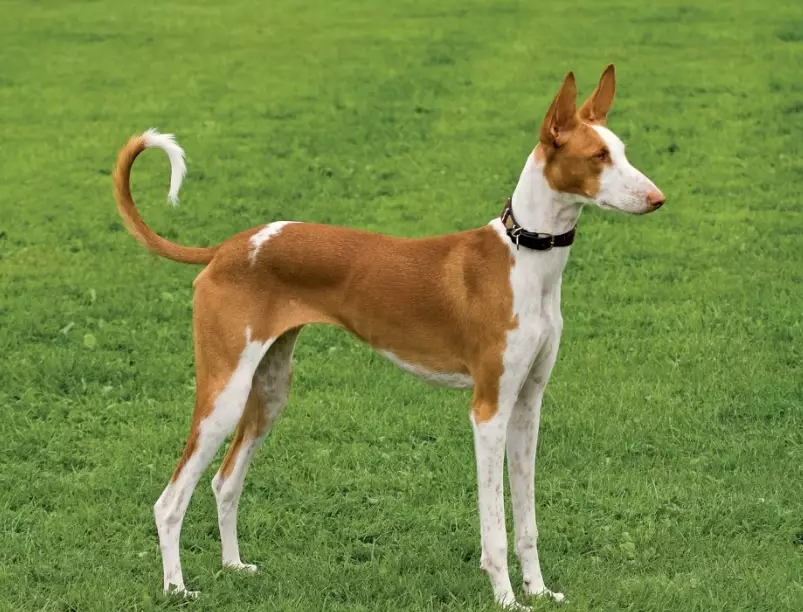
So, What Exactly Is an Ibizan Hound?
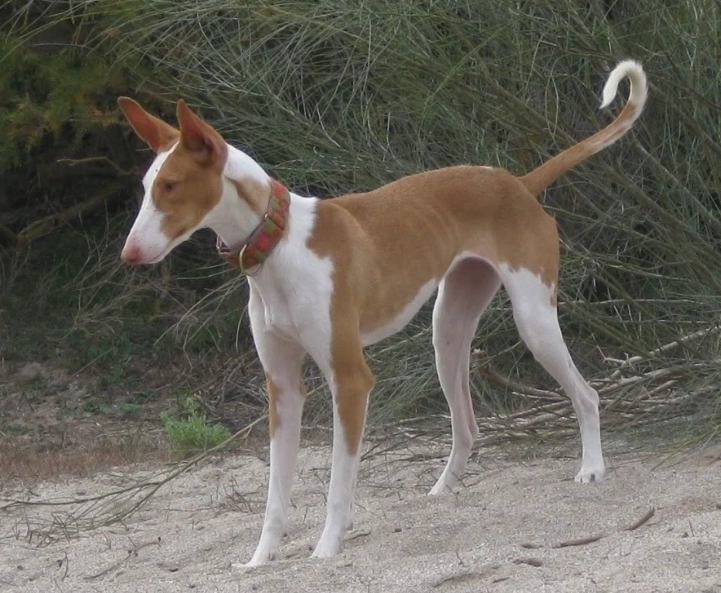
The Ibizan Hound Temperament: Elegant Goofball or Aloof Hunter?
Separation Anxiety: The Shadow You Need to Prepare For
Caring for Your Ibizan Hound: The Real Daily Grind
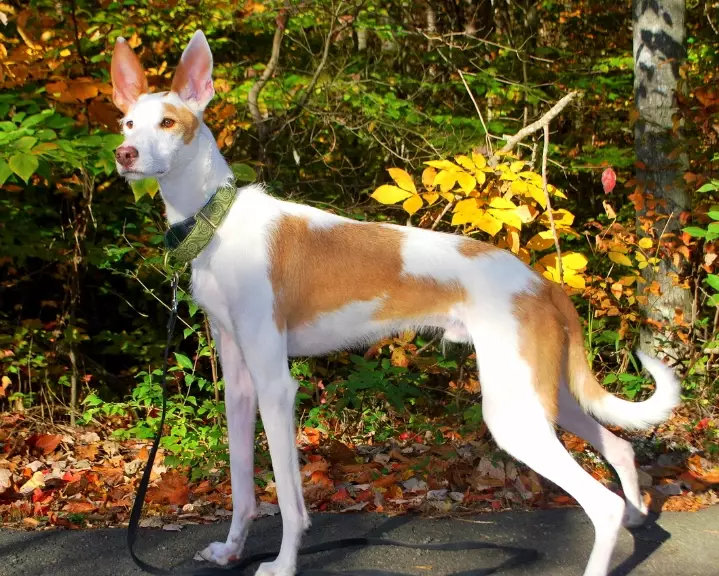
Exercise Needs: More Than Just a Walk
Grooming: Surprisingly Low-Maintenance
Feeding: Fueling a Lean Machine
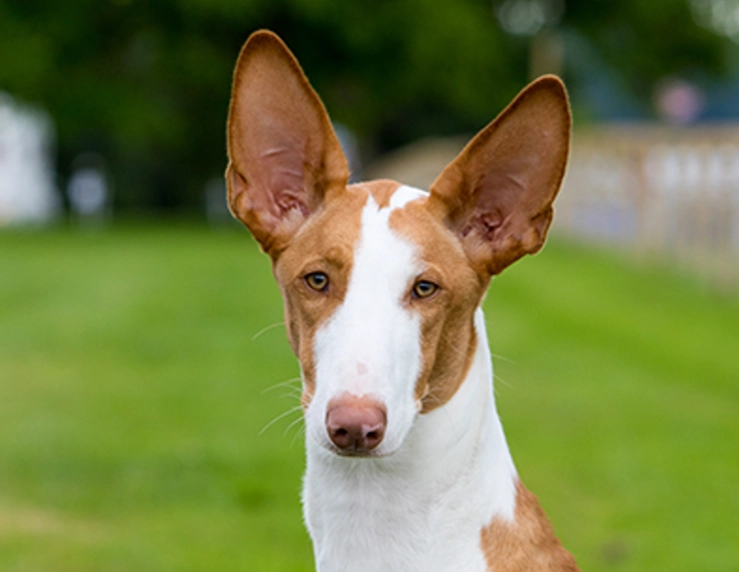
Ibizan Hound Health: What to Watch For
Health Concern Description Prevention/Management Allergies Fairly common. Can be food-related or environmental (pollen, dust). Shows as itchy skin, ear infections, or paw licking. Work with your vet to identify triggers. May require special diets, medications, or allergy shots. Axonal Dystrophy A progressive neurological disease affecting coordination, seen in young dogs. It's rare but serious. DNA test is available. Reputable breeders test for this and avoid breeding carriers. Eye Conditions Can include cataracts and progressive retinal atrophy (PRA). Annual vet eye exams. Breeders should have dogs certified by the Canine Eye Registration Foundation (CERF). Bloat (GDV) Gastric Dilatation-Volvulus. The stomach fills with gas and twists. A TRUE EMERGENCY. Feed multiple small meals, use slow-feed bowls, avoid exercise after eating. Know the symptoms: restless, drooling, unproductive retching, distended abdomen. 
Training an Ibizan Hound: Patience is Not Just a Virtue, It's a Requirement
Finding Your Ibizan Hound: Breeder vs. Rescue
Going Through a Reputable Breeder
Adopting from Rescue
Ibizan Hound FAQs: Answering Your Real Questions
Final Thoughts: Is the Ibizan Hound Right for You?
A breeder once told me, "A tired Ibizan is a good Ibizan." It sounds simple, but it's the absolute truth. That burst of speed seems to reset their brain.
The bottom line? Choose a breeder who prioritizes health over looks, every single time.
Are Ibizan Hounds good apartment dogs?
It's possible, but with major caveats. They are calm indoors and don't need a huge house. However, you must be committed to providing them with sufficient daily exercise and mental stimulation outside the apartment. A small, ground-floor apartment with direct yard access is better than a high-rise. Access to safe, enclosed running spaces is critical.
How much exercise does an Ibizan Hound need?
Aim for at least 60-90 minutes of activity per day. This should be a mix of leashed walks for sniffing and exploring, and several short, high-intensity sprint sessions per week in a secure area. Mental exercise (training, puzzles) counts too.
Are Ibizan Hounds hypoallergenic?
No dog is 100% hypoallergenic. Ibizan Hounds shed moderately. They produce dander (the common allergen) like all dogs. If you have severe allergies, spend extensive time with the breed before committing.
What's the difference between smooth and wire coat?
It's purely cosmetic. The wire coat is a bit more textured and may have light facial furnishings (beard, eyebrows). Temperament and health are the same. Grooming needs are similarly low for both.
Are they easy to train?
I wouldn't use the word "easy." They are capable of learning quickly, but they are not biddable like a Labrador. They require a motivated, patient owner who uses positive methods. Basic obedience is very achievable; advanced competition obedience is a much bigger challenge.
Comment