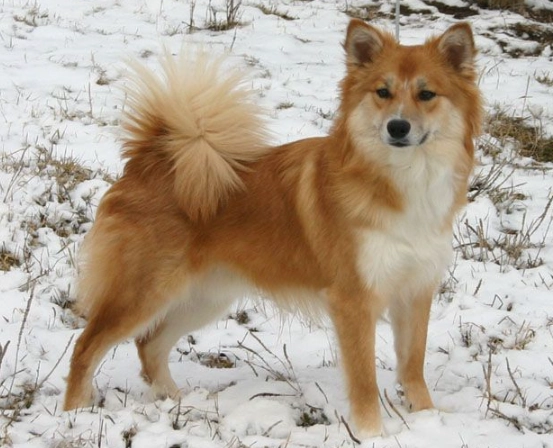
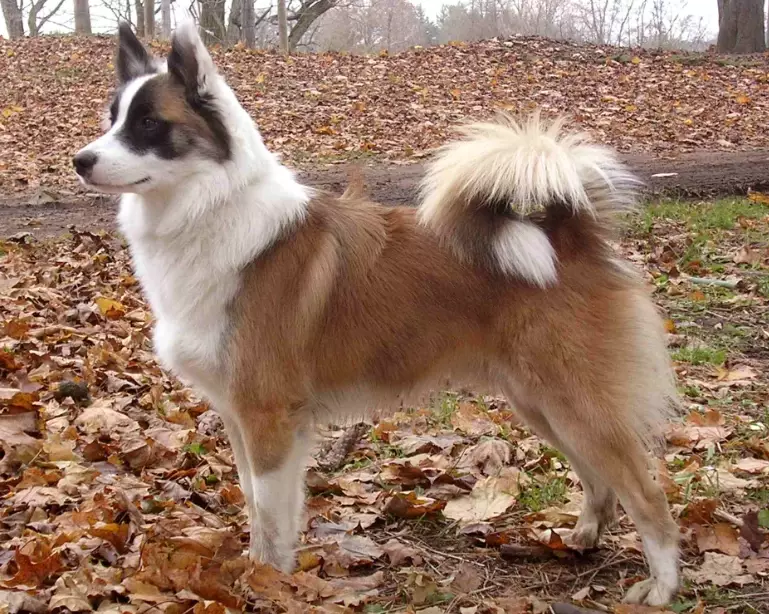
Let's be honest, you probably saw a picture. That smiling, fox-like face with perky ears and a tail curled over its back, maybe covered in a gorgeous coat of tan and white. It looks like a plush toy come to life. The Icelandic Sheepdog has this way of grabbing your heart through a screen. I get it. I was you, years ago, falling for that exact image. But before you start dreaming of Viking adventures and cuddly farm life, let's pull back the curtain. This isn't just a pretty dog. It's a living piece of history with a personality as big as the Icelandic landscapes it comes from. Owning one is a joy, but it's a specific kind of joy, and it's definitely not for everyone. This guide isn't going to sugarcoat things. We're going to dig into everything: the glorious, energetic, loving highs and the sometimes noisy, hairy, stubborn lows. My goal is to give you the full picture, the kind you'd get from chatting with a longtime owner over coffee, so you can really decide if this breed is your perfect match or a beautiful mismatch. To understand the Icelandic Sheepdog, you have to start with where it came from. This isn't a breed cooked up in a kennel club last century. These dogs sailed to Iceland with the Norse settlers in the 9th and 10th centuries. Think about that for a second. Their ancestors weathered Atlantic storms in Viking longships. They were essential working partners, not pets. Their job? Herding sheep, cattle, and ponies across rough, unforgiving terrain, and alerting farmers to anything unusual. Survival of the fittest was the only breeding program for centuries. That history is baked into their DNA. It explains their toughness, their weather-resistant double coat (more on that hairy mess later), and their vocal nature—a quiet herding dog is a useless herding dog. By the late 19th century, though, they were in real trouble. Disease and crossbreeding had pushed the pure Icelandic Sheepdog to the brink of extinction. It was a concerted effort by breed enthusiasts in Iceland and abroad, particularly in the latter half of the 20th century, that brought them back. The American Kennel Club only recognized them in 2010, which tells you how recently they've stepped onto the world stage as a companion dog. They're a medium-sized spitz breed, which is a fancy way of saying they have that classic "Northern dog" look: prick ears, a thick coat, and a tail that curls up. They stand about 16 to 18 inches at the shoulder. But it's the expression that gets you—alert, friendly, and intelligent. They always look like they're in on a secret joke. You'll typically see them in a few classic color patterns: Now, let's talk about the coat. The "double coat" term gets thrown around a lot, but with an Icelandic Sheepdog, you need to understand what you're signing up for. The undercoat is incredibly dense, soft, and woolly. It's their insulation. The outer coat is longer, harsher, and water-resistant. Together, they form a shield against cold and wet. Together, they also form a monumental amount of shedding. If you want a one-word description, it's "happy." Genuinely, infectiously happy. They greet you like you've been gone for years, even if you just took out the trash. They are famously great with children, gentle and playful. They usually get along well with other dogs and, if properly socialized, with other pets too. Their herding instinct is more about gathering and watching than the intense eye-stalking of a Border Collie. But here's where some potential owners get tripped up. They're smart. Not always "eager-to-please, do-anything-for-a-treat" smart, but "problem-solving, what's-in-it-for-me" smart. This means training requires patience, consistency, and a good sense of humor. They can be stubborn. They get bored with endless repetition. Positive reinforcement is the only way to go—yelling or harsh methods will just make them shut down or become sneaky. My own dog learned "sit" and "down" in a day, but convincing him that "come" was more important than that fascinating squirrel took, well, we're still working on it. Remember, they were bred to bark. At sheep, at strangers, at changes in the wind. An Icelandic Sheepdog doesn't just bark; they have a whole repertoire of sounds—yips, whines, howls, and "baroo" sounds. They bark to alert you (a leaf fell in the yard!), to express excitement (you're home!), and sometimes just to hear their own voice. This is a major consideration for apartment dwellers or those with close neighbors. You can train a quieter "speak" and a solid "quiet" command, but you are never going to turn off this fundamental part of their nature. If you want a silent dog, look elsewhere. So, you've got a friendly, smart, hairy, chatty dog. What does it need to thrive? This is not a couch potato. They have energy to burn. A bored Icelandic Sheepdog is a destructive Icelandic Sheepdog. We're talking about a dog that can happily hike for miles, but their needs can often be met with good mental stimulation too. Here's what a good day looks like: We touched on shedding. Here's the actual routine: That double coat is mostly self-cleaning. You'll be amazed how dirt just falls out of it once it dries. Generally, they're a hardy breed thanks to their rugged history, but no dog is perfect. Reputable breeders screen for these conditions: Always, always ask a breeder for proof of health clearances for the puppy's parents. A good breeder will be transparent and proud to share them. The Icelandic Sheepdog Association of America (ISAA) is a fantastic resource for finding ethical breeders who follow these practices. People often confuse them with other spitz dogs. This table might help clear things up. Ask yourself these questions honestly: If you nodded yes to most of those, you might just be the perfect home for one of these incredible dogs. This is the most common route. A good breeder is your partner. They will interview you as much as you interview them. They will have the health clearances, raise puppies in their home, and be a resource for the dog's entire life. Expect to be on a waiting list. The ISAA breeder referral is the best place to start. Price can vary, but expect a range similar to other purebred dogs from ethical breeders. While less common because the breed is still rare, Icelandic Sheepdogs do sometimes end up in need of new homes through no fault of their own. People underestimate the energy or the barking. Breed-specific rescues, like those networked through the ISAA, or general spitz/herding breed rescues are worth checking. Adopting an adult dog can also give you a clearer picture of their personality from the start. Living with an Icelandic Sheepdog is an experience. It's coming home to a wagging tail and a happy "baroo" every single time. It's having a loyal, funny, furry sidekick for every adventure. It's also finding hair in your keyboard, negotiating with a sassy thinker over whether they *really* need to come inside, and explaining to guests that the barking is just their way of singing the song of their people. They are not an easy, low-effort dog. But for the right person or family—someone active, patient, humorous, and ready for a deep bond—they are an absolutely extraordinary companion. They carry the spirit of the Vikings: hardy, brave, and fiercely loyal to their tribe. If your tribe is ready for that, an Icelandic Sheepdog might just be the most rewarding decision you ever make. Do your homework. Talk to breeders and owners (the Icelandic Sheepdog community on social media is very active and welcoming). Meet the dogs in person if you can. Listen to that bark. Feel that coat. See if that infectious, ancient smile is meant for you.Your Quick Guide to Icelandic Sheepdogs
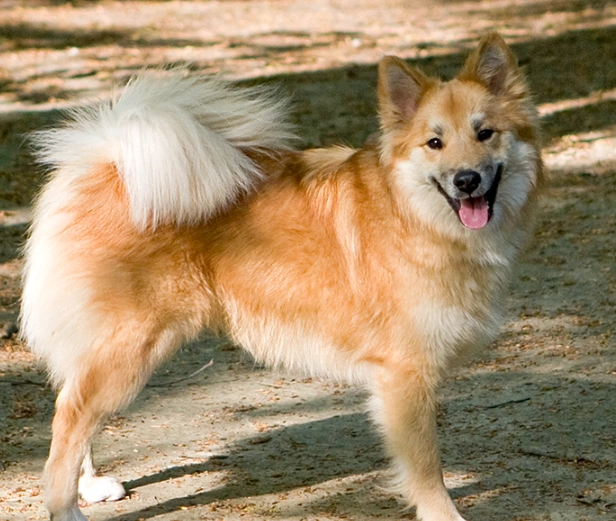
From Viking Ships to Your Sofa: A Breed That Almost Disappeared
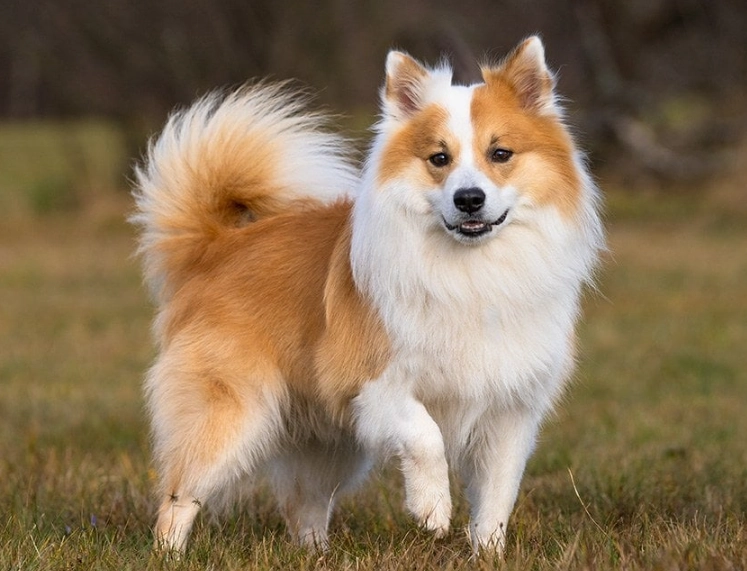
What Does an Icelandic Sheepdog Actually Look Like?
Coat Colors and That Famous Double Coat
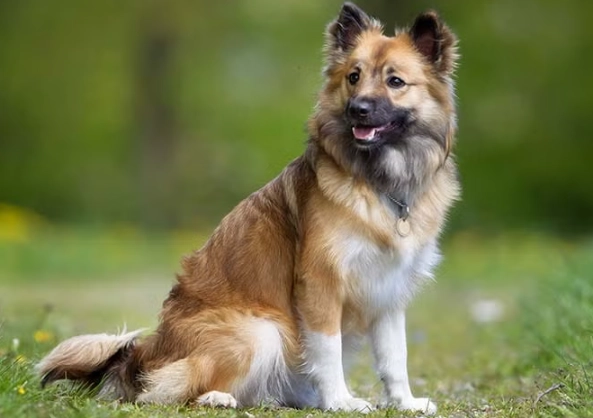
The Icelandic Sheepdog Personality: Sunshine with a Side of Sass
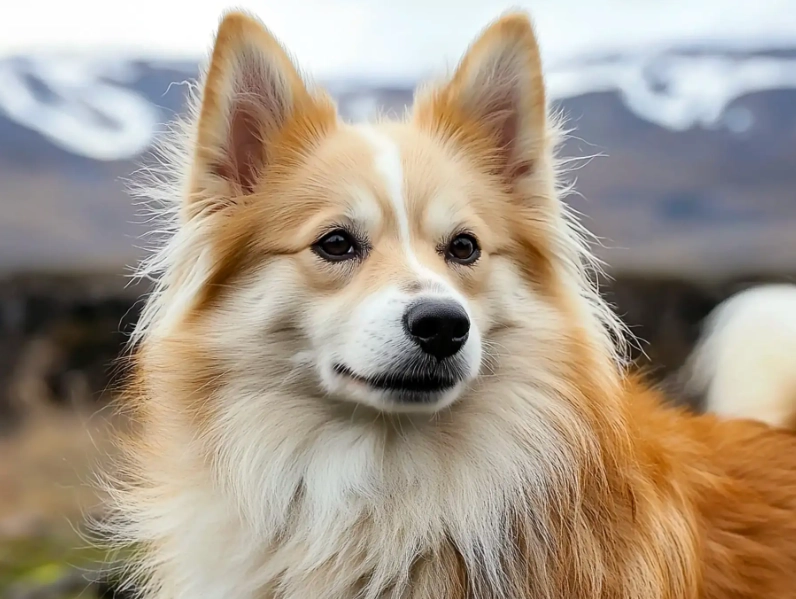
Their Intelligence and Independence
The Vocal Conversation
Keeping an Icelandic Sheepdog Happy and Healthy
Exercise: More Than Just a Walk Around the Block
Grooming: The Non-Negotiable Routine
Common Health Issues to Know About
Condition
What It Is
What Breeders Should Do
Hip Dysplasia
A malformation of the hip joint that can lead to arthritis.
Screen breeding dogs via the Orthopedic Foundation for Animals (OFA) or PennHIP.
Patellar Luxation
A knee cap that slips out of place.
Physical exam screening by a vet.
Eye Conditions
Including cataracts and retinal issues.
Annual eye exams by a veterinary ophthalmologist with certification from organizations like the Canine Eye Registration Foundation (CERF).
Allergies
Some can be prone to skin or food allergies.
Manage through diet and environment; not typically screened for genetically.
Icelandic Sheepdog vs. Other Similar Breeds
Breed
Key Similarities
Key Differences
Finnish Spitz
Spitz type, vocal, energetic.
Finnish Spitz is primarily a bird hunter ("bark pointer"), often more aloof with strangers, typically solid red-gold in color.
Norwegian Buhund
Similar size, herding background, spitz.
Buhunds tend to be slightly more intense and driven in their herding, often a bit more reserved. Coat is usually wheaten or black.
Shetland Sheepdog
Herding breed, family-friendly, intelligent.
Shelties are collie-types, not spitz. They have a long, straight coat, are often more sensitive/nervous, and lack the curled tail and prick ears.
American Eskimo Dog
Spitz type, white coat, intelligent.
Eskies were bred primarily as companions/show dogs, not herders. They are often more standoffish with strangers and come in only white.
Is an Icelandic Sheepdog Right For YOU? The Honest Checklist
Finding Your Icelandic Sheepdog: Breeder or Rescue?
Going Through a Reputable Breeder
Rescue and Adoption
Your Icelandic Sheepdog Questions, Answered
The Final Word
That history lesson matters. When my Icie (that's a common nickname) stares intently at a group of kids running in the park and starts to bunch them together with subtle body movements, I'm not seeing misbehavior. I'm seeing a thousand years of instinct kicking in. It's fascinating, but it also means you're dealing with a mind built for a job.
Let's be blunt about shedding: If you are a neat freak, if the thought of dog hair on your clothes, in your food, and floating in sunbeams like tiny tumbleweeds fills you with dread, stop right here. Seriously. During the biannual "blow" of their undercoat (spring and fall), you will fill garbage bags with fur. Daily brushing is not a suggestion; it's a necessity for sanity and household hygiene. I've found their hair in places I didn't know hair could reach. It's a commitment.
Q: Are Icelandic Sheepdogs good for first-time dog owners?
A: This is a tough one. They are sweet-natured, which helps. But their combination of high energy, intelligence, stubbornness, and vocality can be a lot for a novice to handle. A first-time owner who is highly active, committed to training classes, and does their research could succeed. But someone looking for an easy, low-maintenance first dog should probably consider a different breed.
Q: How are they with cats?
A: It depends heavily on early socialization. Their herding instinct might make them want to chase or "round up" a running cat. Many can live peacefully with cats they are raised with, but introducing an adult Icie to a cat requires very careful, supervised management. The prey drive varies by individual dog.
Q: Can they live in an apartment?
A: Yes, but with major caveats. They are a medium-sized, adaptable dog. However, you must be hyper-vigilant about meeting their exercise needs outside the apartment, and you must be incredibly dedicated to training around barking. If you have thin walls or grumpy neighbors, it's a risky choice.
Q: What's their lifespan?
A: A healthy Icelandic Sheepdog typically lives between 12 and 15 years. Their hardy origins often contribute to good longevity.
Q: What do they eat?
A: A high-quality diet appropriate for their age and activity level. Some can have sensitive stomachs or allergies, so it's not unusual to have to try a few foods. Your vet and breeder are your best guides here.
Comment