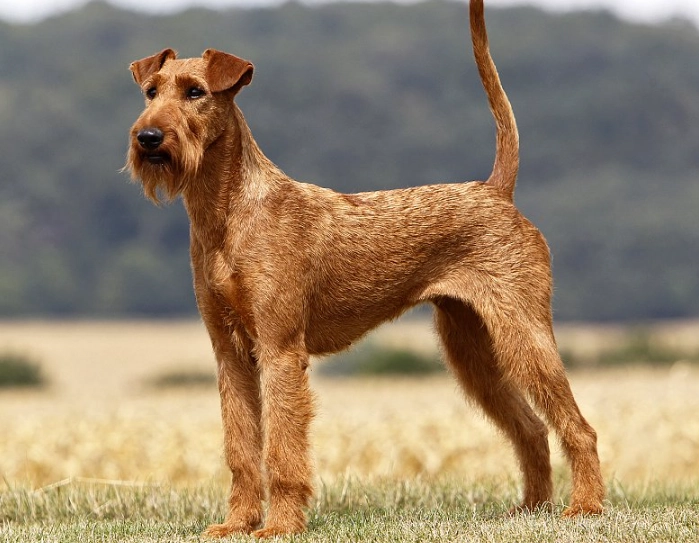
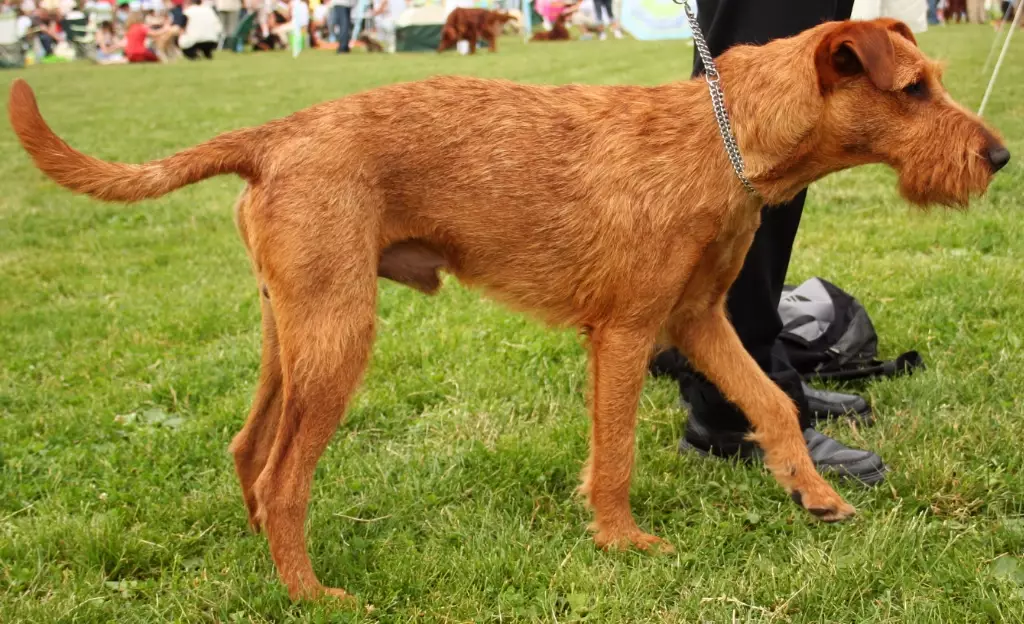
Let me tell you about the first time I really saw an Irish Terrier. It wasn't in a book or at a big dog show. It was in a muddy park on a drizzly Tuesday morning. This solid, rusty-red dog was absolutely fixated on a squirrel, standing statue-still for what felt like ages. Then, in a blur of wiry energy, it launched itself at the tree, bounced off the trunk like a spring, and landed with a look that said, "Almost! Next time." That combination of intense focus, athleticism, and sheer, joyful determination is the Irish Terrier in a nutshell. They're not just another red dog; they're a personality wrapped in a low-shedding coat. If you've landed here, you're probably past the "oh what a cute dog" phase and are digging into the real nitty-gritty. You want to know what it's actually like to live with one of these charismatic terriers. Are they good with kids? How much exercise is "enough"? Is that coat as hypoallergenic as they say? And what's the deal with their famous (or infamous) "daredevil" attitude? I'm going to walk you through all of it, the glorious highs and the frustrating lows, based on everything I've learned from owners, breeders, and my own obsession with this breed. The Bottom Line Up Front: The Irish Terrier is a loyal, confident, and often clownish companion for an active person or family. They are intelligent to the point of stubbornness, require consistent mental and physical work, and have a prey drive that cannot be trained out. They are not a beginner's dog, but for the right person, they are an unmatched partner in adventure. Before we get into the living-with-them part, let's understand what the blueprint is. The American Kennel Club (AKC) classifies the Irish Terrier in the Terrier Group, and their official standard paints a vivid picture. They're described as "racy," which is a fancy way of saying they're built for speed and endurance, not bulk. Think lean athlete, not bodybuilder. An adult male Irish Terrier typically stands about 18 inches at the shoulder and weighs around 27 pounds. Females are slightly smaller. But it's not just size—it's substance. They should feel solid, not spindly. The hallmark is their dense, wiry outer coat and a softer undercoat, which comes in shades of bright red, golden red, or wheaten red. No black, no brindle. Just that fiery, sun-kissed red that turns heads. Their expression, with those dark, keen eyes and neat V-shaped ears folding forward, is alert and intelligent. It's a look that misses nothing. Fun fact: Irish Terriers were once known as the "poor man's sentinel" and the "farmer's friend" in their native Ireland. They weren't just pets; they were versatile working dogs used for everything from guarding property and hunting vermin to herding sheep and even retrieving waterfowl. That history of multi-tasking explains a lot about their adaptable yet independent brains. How do they stack up against other similar terriers? It's a common question. People often confuse them with the Welsh Terrier or the smaller Irish breeds. Here's a quick, honest breakdown: See the difference? The Irish Terrier stands out with its color and its particularly forward, fearless demeanor. They were bred to be all-purpose farm dogs with the courage to tackle rats and foxes, and that spirit hasn't been watered down. This is the heart of it. You don't get an Irish Terrier for a calm lapdog (though they can be surprisingly cuddly on their own terms). You get one for a relationship. Let's start with the good stuff, the reasons people become utterly devoted to this breed. Their loyalty is legendary. They bond deeply with their family and want to be involved in everything. Cooking dinner? They're supervising. Working in the yard? They're your assistant. Watching TV? They're on the couch next to you, probably critiquing the show. This is a true companion dog. They are also famously good with people, including respectful children. Most Irish Terriers have a stable, sensible nature around their human pack and are less prone to the snippiness some small terriers can show. They're incredibly intelligent and can learn commands with startling speed. The problem? They also learn what they can get away with even faster. This is where the infamous terrier stubbornness comes in. An Irish Terrier always asks, "Why should I?" They have an independent mind, a legacy of making decisions on their own while hunting. This isn't disobedience born of stupidity; it's disobedience born of thinking they might have a better plan. It can be maddening, but also kind of impressive. Now, the challenges. The prey drive. It's real. It's powerful. It's non-negotiable. That laser focus I saw in the park on the squirrel? That extends to cats, rabbits, birds, and unfortunately, small dogs that scamper. A securely fenced yard is not a suggestion; it's a requirement. Recall off-leash in an unsecured area is a gamble I wouldn't take, no matter how well-trained they are. The instinct is too strong. And then there's dog-on-dog aggression. This is a touchy subject, but we have to be honest. The breed standard itself says they can be "aggressive with other dogs." This is particularly true for same-sex aggression. Many Irish Terrier males will not tolerate other males, and females can be just as intolerant of other females. Early, constant, and positive socialization is absolutely critical. Even with that, you may end up with a dog who is simply a "one-dog-only" kind of pet. It doesn't make them bad dogs; it just means you need to manage their environment and set them up for success. If you get an Irish Terrier puppy, your number one job for the first year is socialization. This doesn't mean just meeting other dogs. It means exposing them positively to the world: different surfaces, sounds (vacuums, thunder, traffic), people in hats, people with beards, skateboards, umbrellas, you name it. The goal is to build a confident, unflappable dog. A poorly socialized Irish Terrier can become fearfully aggressive or neurotic, which is a nightmare with a dog this smart and strong-willed. Organizations like the Irish Terrier Club of America (ITCA) have fantastic resources for new owners on this exact topic. Okay, so you think you can handle the personality. What about the day-to-day maintenance? Let's talk about that gorgeous coat. A huge plus for many is that Irish Terriers are considered a low-shedding, hypoallergenic breed. They don't have a doggy smell. But—and this is a big but—they are not no-maintenance. That wiry coat requires regular attention to stay healthy and look its best. You have two options: learn to hand-strip or commit to regular clipping. Hand-stripping is the traditional method of pulling out dead hair by hand or with a stripping knife. It's time-consuming but preserves the harsh, protective texture and vibrant color of the coat. Clipping is faster but softens the coat and can cause it to fade to a duller, lighter color over time. Most pet owners opt for clipping every 6-8 weeks, but if you want that classic show-dog look, hand-stripping is the way to go. You'll also need to brush them weekly to prevent mats and trim hair around their paws and sanitary areas. Exercise needs are substantial. We're not talking about a leisurely stroll around the block. An Irish Terrier needs at least 45-60 minutes of vigorous activity every single day. This is a dog built to run. Long hikes, jogging, intense games of fetch, or agility training are perfect. A bored Irish Terrier is a destructive Irish Terrier. They will find a job, and you probably won't like the job they choose (like redecorating your couch or digging a new garden feature). Overall, the Irish Terrier is a robust, healthy breed with a lifespan of 13-15 years. However, like all purebreds, they are prone to certain genetic conditions. A responsible breeder will test their breeding stock for these issues. When you're talking to a breeder, you should ask for proof of health clearances from the Orthopedic Foundation for Animals (OFA) or similar organizations. The key takeaway? Don't buy from a breeder who can't show you these health clearances. It's the single best thing you can do to stack the odds in favor of a healthy puppy. I mentioned the four-legged lawyer analogy. Training an Irish Terrier is less about drill sergeants and more about being a clever, motivating partner. They get bored with endless repetition. Positive reinforcement—using high-value treats, praise, and play—is the only method that works. Harsh corrections will make them shut down or become defensive. Start training the day you bring your puppy home. Focus on the basics: sit, down, stay, come, and a solid "leave it." "Leave it" might be the most important command you ever teach an Irish Terrier, given their prey drive. Make training sessions short, fun, and end on a high note. Consistency from every member of the household is crucial. If one person lets them on the couch and another doesn't, the dog will just learn to go to the permissive person, and you'll lose authority. Socialization is part of training. Enroll in a well-run puppy kindergarten class. It's as much for you to learn how to handle your dog as it is for the dog to meet others. As they get older, consider advanced training like rally, nose work, or agility. Irish Terriers excel in these sports because they engage both their body and their busy mind. A tired Irish Terrier is a well-behaved Irish Terrier. This is your most important decision. Going through a breeder: Your goal is to find a preservation breeder, not a puppy producer. The ITCA Breeder Referral page is the best place to start. A good breeder will: Rescue: Adopting an adult Irish Terrier can be incredibly rewarding. Breed-specific rescues, often run through the ITCA, take in dogs whose owners could no longer care for them. An adult dog's personality is already known, which can be a great fit. The rescue will work to match you with a dog that suits your lifestyle. It's also usually more affordable. The trade-off is you may miss the puppy stage and may need to work on training or behavioral issues from their past. Let's be brutally honest. Don't get an Irish Terrier if: Do get an Irish Terrier if: Living with an Irish Terrier is never boring. It's a partnership filled with laughter, occasional exasperation, and unwavering loyalty. They'll challenge you, make you proud, and curl up next to you at the end of an adventurous day. They're not the perfect dog for everyone, but for the right person, they are absolutely the perfect dog. Do your homework. Talk to multiple breeders or rescues. Meet the dogs in person if you can. And if you decide to welcome one of these fiery-hearted redheads into your life, buckle up. It's going to be a wonderful ride.Quick Guide
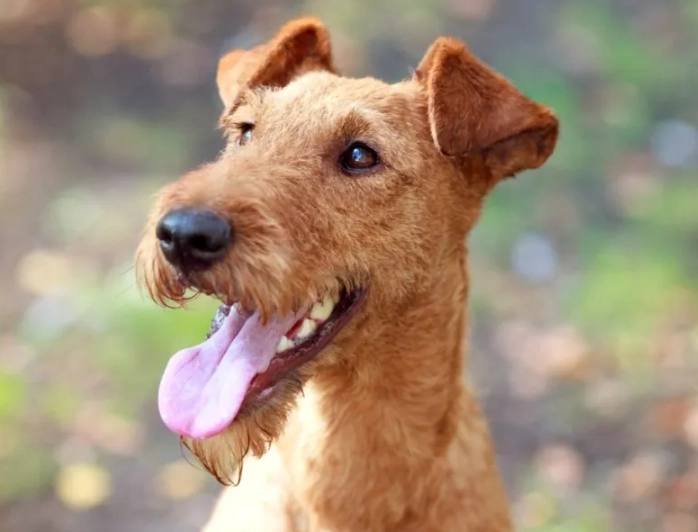
What Exactly Is an Irish Terrier? Breaking Down the Breed Standard
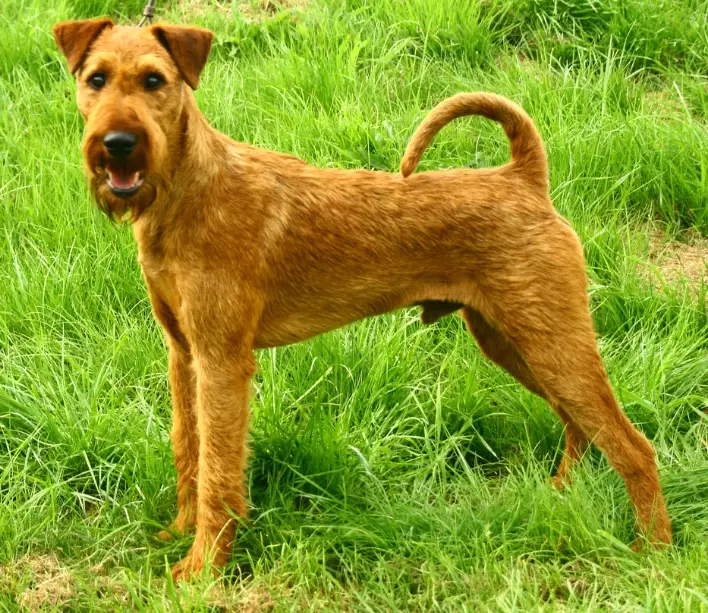
Breed
Coat Color
Size
Temperament Keynote
Best For...
Irish Terrier
Solid Red/Wheaten
Medium (25-27 lbs)
Bold, confident "daredevil"
Active owners, experienced dog people
Welsh Terrier
Black & Tan
Medium (20-22 lbs)
Friendly but more reserved
Families wanting a slightly calmer terrier
Kerry Blue Terrier
Soft Blue-Gray
Larger (33-40 lbs)
Playful, strong-willed
Owners who can handle grooming & size
Soft Coated Wheaten Terrier
Soft Wheaten
Larger (30-40 lbs)
Happy-go-lucky, softer energy
Families seeking a gentler Irish breed
The Irish Terrier Temperament: Love, Loyalty, and a Dash of Mayhem
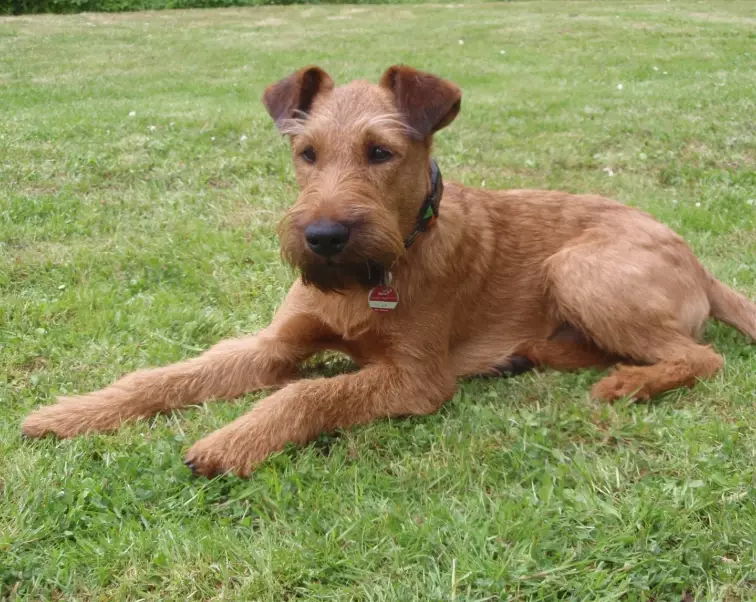
The Socialization Non-Negotiable
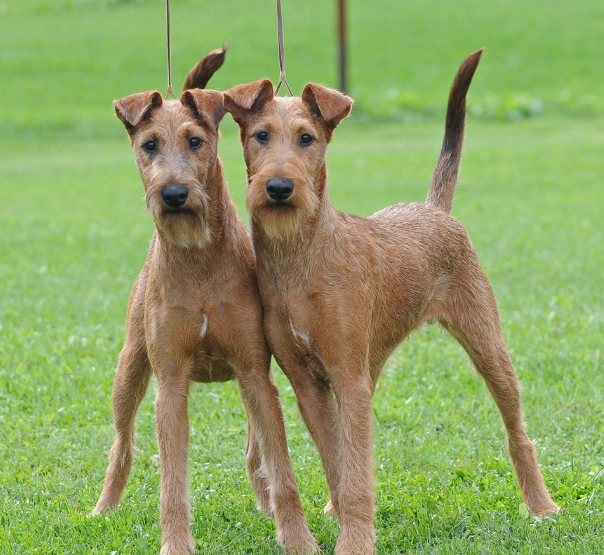
Living with the Red Shadow: Care, Grooming, and Health
The Grooming Reality Check
Irish Terrier Health: What to Watch For
Training Your Irish Terrier: Patience, Consistency, and a Sense of Humor
Finding Your Irish Terrier: Breeder vs. Rescue
1. Ask you as many questions as you ask them.
2. Invite you to meet their dogs (at least via video call).
3. Show you OFA/PennHIP, eye, and hyperkeratosis clearances for both parents.
4. Have a contract that includes a health guarantee and requires you to return the dog to them if you can't keep it.
5. Raise puppies in their home, not in an isolated kennel.Is the Irish Terrier Right for You? The Final Checklist
- You want a low-energy, easygoing dog.
- You are a first-time dog owner.
- You cannot provide a securely fenced yard.
- You are gone for 8+ hours a day regularly.
- You have small pets (rodents, rabbits, cats you want to keep).
- You want a dog with flawless off-leash recall in open areas.
- You get easily frustrated by stubbornness.
- You lead an active, outdoor-oriented life.
- You have experience with intelligent, independent breeds.
- You want a deeply loyal, "velcro" companion.
- You are committed to consistent, positive training and lifelong socialization.
- You can provide both physical exercise and mental challenges.
- You appreciate a sense of humor and a dog with a big personality.
- You are prepared for the grooming commitment and potential health issues.
You don't command an Irish Terrier. You negotiate with a furry, four-legged lawyer.
Q: Are Irish Terriers good apartment dogs?
A: It's possible, but not ideal. They can adapt if their exercise needs are met without fail. This means multiple long walks, trips to a secure dog park, or indoor play sessions every single day. Their bark can also be loud and sharp, which neighbors might not appreciate.
Q: Can I have an Irish Terrier if I have cats?
A: This is risky. If raised with a cat from puppyhood, some can learn to coexist peacefully with their cat. However, their prey drive is strong, and an unfamiliar cat running will almost always trigger a chase. I wouldn't recommend bringing an adult Irish Terrier into a home with cats.
Q: How much do Irish Terrier puppies cost?
A: From a reputable, health-testing breeder, expect to pay between $1,800 and $3,000. The price reflects the costs of proper veterinary care, health testing, and early socialization for the puppies. Be very wary of prices that seem too low.
Comment