Let's talk about a dog that doesn't get nearly enough attention. You've probably seen Labs, Goldens, and maybe even a few Springers, but have you ever laid eyes on an Irish Water Spaniel? I remember the first time I saw one at a retriever trial. This tall, elegant dog with a head of tight, liver-colored curls and a tail like a rat's – I honestly thought it was some exotic crossbreed. Turns out, it's one of the oldest and most distinct spaniel breeds out there. Sometimes called the "clown" of the spaniel family, this dog is a bundle of contradictions: regal yet silly, independent yet eager to please, a rugged hunter with a coat that requires serious upkeep.
If you're here, you're probably past the "what is that?" stage and are seriously considering sharing your life with one. Or maybe you just brought a puppy home and are now staring at those curls wondering, "what have I gotten myself into?" Either way, this guide is for you. We're going to dig deep into everything that makes the Irish Water Spaniel tick – the good, the bad, and the downright curly.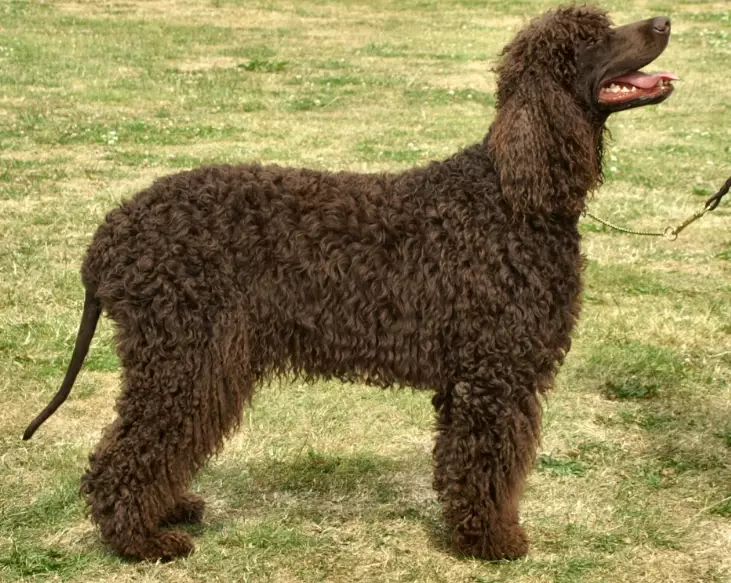
Quick Take: The Irish Water Spaniel is a large, intelligent, and energetic gundog bred for retrieving from water. They are known for their distinctive curly, liver-colored coat, keen sense of humor, and strong-willed personality. They are not a breed for first-time dog owners or couch potatoes.
What Exactly Is an Irish Water Spaniel? Breed Origins and Purpose
To understand the dog, you have to know where it came from. The history is a bit murky (fitting for a water dog), but it's generally accepted that the breed was developed in Ireland in the 1830s, credited mainly to a man named Justin McCarthy from Dublin. The goal? Create the ultimate water retriever for the wet, rugged Irish landscape. They needed a dog that was a powerful swimmer, had a dense, water-repellent coat for insulation, was intelligent and trainable for complex retrieves, and had the stamina for a long day in the field.
And boy, did they succeed. The Irish Water Spaniel became a favorite of sportsmen on both sides of the Atlantic. The American Kennel Club recognized the breed way back in 1884, making it one of the earliest recognized breeds. That "rat tail" you notice? It's not an accident. It's a defining feature of the breed, thought to help the dog swim more efficiently by not dragging in the water like a feathery tail would. The topknot of long, loose curls is another trademark. This isn't just a fancy hairdo; it's part of the breed standard.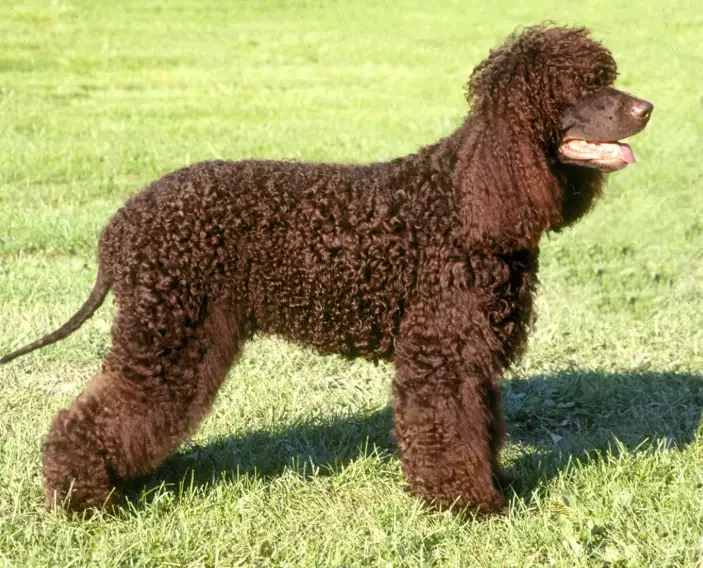
You can see the official breed standard, which details every point of ideal conformation, on the American Kennel Club's Irish Water Spaniel page. It's a great resource to understand what reputable breeders are aiming for.
Irish Water Spaniel Appearance: More Than Just Curls
Okay, let's describe the whole package. This is a substantial dog. Males stand 22 to 24 inches at the shoulder, females 21 to 23 inches. They typically weigh between 55 and 70 pounds. They're athletic and well-balanced, giving an impression of intelligence and ruggedness without being clunky.
The coat is the showstopper. It's a double coat. The undercoat is dense and woolly, providing that crucial insulation. The outer coat is made up of tight, crisp rings of curls that cover most of the body. Here's the interesting part: the hair on the face, tail, and the back of the legs (from the hock down) is short and smooth. This creates that unique pattern. The color is always a solid, rich liver (a deep brown). No white markings, except sometimes a small bit on the chest, though that's not preferred in the show ring. Puppies are often born with a darker, almost black coat that lightens to the classic liver as they mature.
Their expression is one of their best features. They have intelligent, almond-shaped eyes that range from amber to dark brown, and they often have a very expressive, almost quizzical look. Combine that with the topknot, and you get a face full of character.
Coat Colors and Patterns
| Feature |
Description |
Notes |
| Primary Color |
Solid Liver |
A deep, rich brown. No other colors are accepted in the breed standard. |
| Puppy Color |
Often darker liver/blackish |
Will lighten to adult liver color over the first year or two. |
| Coat Texture |
Tight, crisp curls |
Covers body, neck, and loins. Should be natural, not fluffed or styled. |
| Smooth Areas |
Face, "rat" tail, back of legs |
Provides contrast and is a key breed identifier. |
| Topknot |
Long, loose curls |
A distinctive growth of curls on top of the head, often falling over the eyes. |
The Irish Water Spaniel Personality: Clown, Companion, or Couch Potato?
This is where people either fall completely in love or realize this breed isn't for them. I'll be blunt: an Irish Water Spaniel is not a generic, eager-to--please-anything-you-say kind of dog. They have minds of their own. They're often described as "sensitive" and "reserved with strangers." That's a nice way of saying they can be aloof with new people and may not be the dog that greets every guest with a sloppy kiss. In their family, however, they are devoted, affectionate, and famously funny.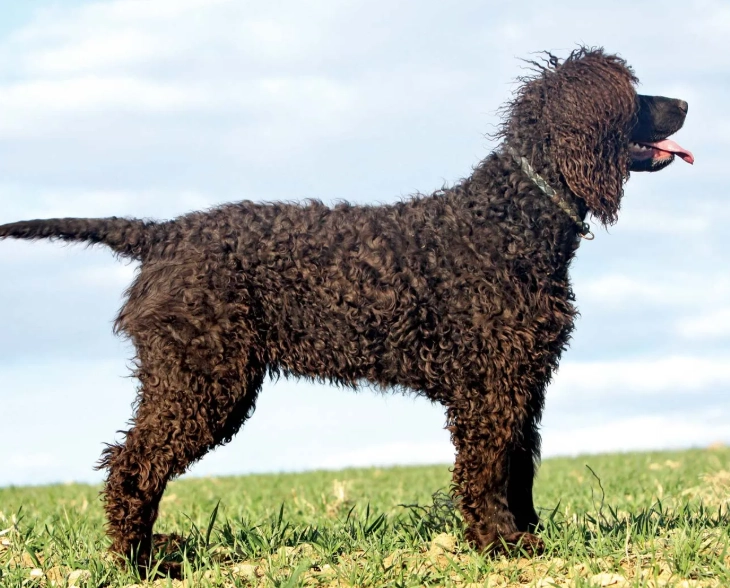
The "clown" moniker is earned. They have a unique, sometimes goofy sense of humor. They'll invent games, make funny faces, and do things just to get a reaction. But this intelligence is a double-edged sword. A bored Irish Water Spaniel is a destructive Irish Water Spaniel. They will find their own entertainment, and you probably won't like their choices (goodbye, couch cushion).
They are also known for a certain stubborn streak. It's not malice; it's more like they're constantly assessing if your request is worth their while. This makes training a fascinating dance of motivation and respect. Force doesn't work. You need patience, consistency, and really good treats. When you get it right, there's no more brilliant or willing partner.
Heads Up: Their sensitivity means they don't respond well to harsh training methods. Yelling or punishment will shut them down completely and damage your bond. Positive reinforcement is the only way to go.
So, are they good with kids? Generally, yes, especially if raised with them. Their playful nature is a great match. But because of their size and exuberance, they can accidentally knock over small children. Supervision is always key. With other dogs, early socialization is critical. Some can have same-sex dog aggression, particularly males. With cats and other small pets? It's a gamble. Their high prey drive from their hunting heritage means a running cat might be too tempting to chase. Early, positive introductions are a must.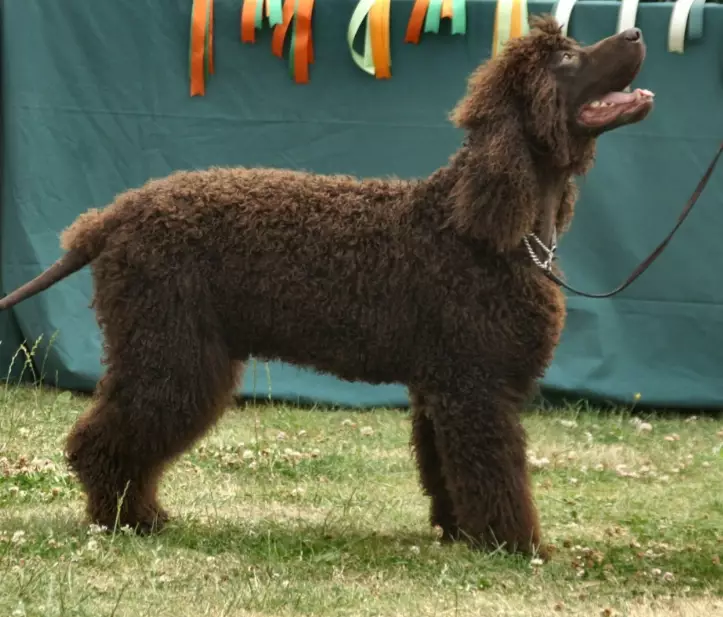
The Big One: Grooming Your Irish Water Spaniel
Let's address the elephant in the room. That gorgeous coat is a commitment. I'm not going to sugarcoat it. If you hate grooming, this is not your dog. The curls are prone to matting, especially behind the ears, under the legs, and around the collar area. A matted coat is not just ugly; it's painful for the dog and can hide skin problems.
Here's the basic routine you're signing up for:
- Brushing/Combing: At least 2-3 times per week with a slicker brush and a sturdy metal comb. You need to get right down to the skin to prevent mats from forming. During shedding seasons (yes, they do shed, despite rumors), you might need to do it daily.
- Bathing: Every 4-6 weeks, or whenever they find something foul to roll in (a favorite hobby). You need a good dog shampoo and conditioner to keep the curls defined and manageable. Drying takes forever because of the dense undercoat. A high-velocity dog dryer is a lifesaver here.
- Haircuts: Most owners opt for a professional groom every 8-12 weeks. The classic "IWS cut" involves trimming the body coat to a manageable length (about 1-2 inches) while leaving the leg hair longer and shaping the topknot. You can learn to do this yourself, but it's a skill.
- The Rest: Don't forget nails (trimmed every few weeks), ears (checked and cleaned weekly—those floppy ears are prone to infections), and teeth (brushed regularly).
Are they hypoallergenic? This is a major search term, so let's tackle it. No dog is 100% hypoallergenic. The Irish Water Spaniel is often listed as a good choice for allergy sufferers because they have hair (which grows and can be cut) rather than fur (which sheds in cycles). They do shed less dander-laden fur into the environment. However, people are allergic to dog saliva and dander (skin flakes), not just hair. Spending time with one before committing is the only sure test.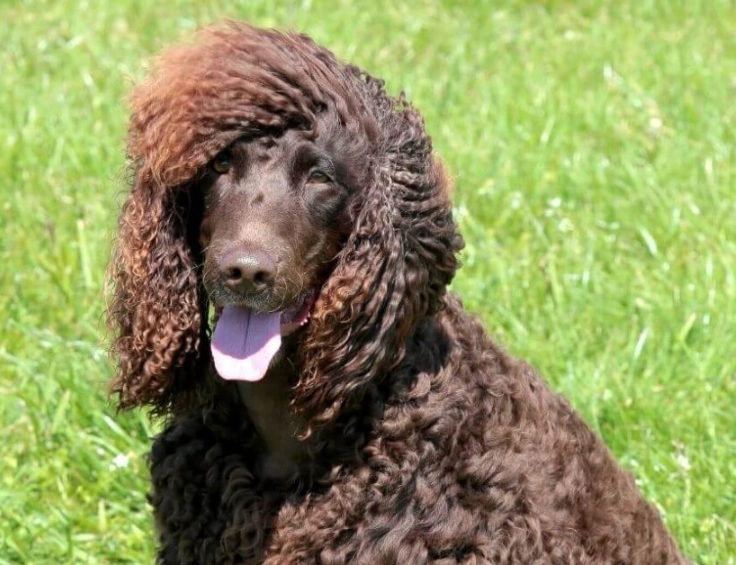
Pro Tip from Experience: Start grooming your Irish Water Spaniel puppy the day you bring them home. Just gentle handling, touching the paws, looking in the ears. Make it a positive, treat-filled experience. A puppy who learns to love (or at least tolerate) the brush and dryer will make your life infinitely easier for the next 12-15 years.
Health and Lifespan: What to Watch For
The Irish Water Spaniel is generally a healthy, robust breed with a lifespan of 10 to 13 years. But like all purebreds, they have some predispositions to certain conditions. A responsible breeder will test their breeding stock for these issues.
| Health Condition |
Description |
Prevention/Screening |
| Hip Dysplasia |
A malformation of the hip joint that can lead to arthritis and pain. |
Breeders should have OFA or PennHIP certifications for parents. Keep puppy lean during growth. |
| Elbow Dysplasia |
Similar developmental issue in the elbow joint. |
OFA screening for parents. |
| Hypothyroidism |
Underactive thyroid gland, causing weight gain, lethargy, skin issues. |
Simple blood test can diagnose; manageable with daily medication. |
| Progressive Retinal Atrophy (PRA) |
A group of diseases that cause degeneration of the retina, leading to blindness. |
DNA test available. Reputable breeders test for this. |
| Epilepsy |
Seizure disorder with an unknown cause. Can be idiopathic (inherited). |
No direct test; diagnosed by ruling out other causes. Often manageable with medication. |
| Ear Infections |
Common due to floppy ears and love of water. |
Weekly cleaning with a vet-approved solution, thorough drying after swimming. |
When talking to a breeder, ask to see the health clearances for both parents. The Orthopedic Foundation for Animals (OFA) website is a public database where you can verify these claims. A good breeder will be transparent.
Feeding and Exercise: Fueling the Engine
This is an active gundog breed. They are not meant to be apartment dogs or live a sedentary life. A tired Irish Water Spaniel is a good Irish Water Spaniel. An under-exercised one will be a nuisance.
Exercise Needs: Plan for at least 60-90 minutes of vigorous activity every single day. This isn't just a walk around the block. They need to run, swim, hike, play fetch, or participate in dog sports. Swimming is their absolute favorite thing in the world. If you have access to safe, clean water, you have found the key to their heart and their energy drain. Mental exercise is just as important. Puzzle toys, training sessions, nose work games—these all help tire out their busy brains.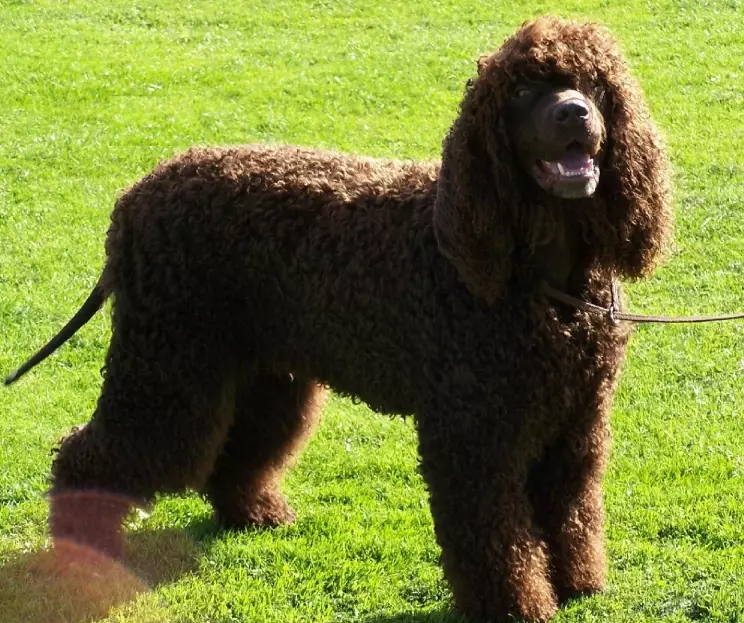
Diet: Feed a high-quality commercial or carefully formulated homemade diet appropriate for a large, active breed. Puppies should be on a large-breed puppy formula to support controlled growth. Be mindful of portions; it's easy for them to gain weight if they're not getting enough exercise, and extra pounds are hard on their joints.
Comparing Diet Options
| Diet Type |
Pros for an IWS |
Cons/Considerations |
| High-Quality Kibble |
Convenient, nutritionally complete, good for dental health, easy to portion. |
Some dogs may have sensitivities to common grains or proteins. Choose a brand with named meat as first ingredient. |
| Raw Diet (BARF) |
Highly palatable, can improve coat condition, mimics natural diet. |
Risk of bacterial contamination, difficult to ensure nutritional balance, time-consuming, expensive. |
| Gently Cooked/ Fresh Food |
High quality ingredients, often very palatable, good for picky eaters. |
The most expensive option, requires refrigeration, portion control still necessary. |
Always consult your vet before making major dietary changes.
Training and Socialization: Shaping the Clown
Training an Irish Water Spaniel is an adventure. Start the second your puppy comes home. Socialization is non-negotiable. Expose them to everything: different people (men, women, kids, people in hats, people with canes), other vaccinated dogs, various sounds, surfaces, and experiences. Do it all positively. A well-socialized IWS is a confident, stable dog. An under-socialized one can become fearful or reactive.
Basic obedience is a must. Sit, stay, come, down, and a solid loose-leash walk. Recall is critical, especially given their love of chasing and swimming. Because they are so smart, they excel at advanced training. They are natural candidates for:
- Field Trials/ Hunt Tests: This is their original job! They are superb retrievers on land and water.
- Agility: Their athleticism and intelligence make them great, if sometimes distractible, agility dogs.
- Obedience & Rally: They can compete at high levels, though the precision can sometimes clash with their independent spirit.
- Dock Diving: A sport literally made for them. They love the leap and the swim.
- Therapy Work: Their calm, sensitive demeanor with their family can translate well to therapy work with proper training.
The key is to keep training sessions short, fun, and rewarding. End on a positive note. If you get frustrated, walk away. They will sense your frustration and it will set you back.
My Personal Training Blunder: I once tried to force my young IWS into a "stay" he wasn't ready for. The more I insisted, the more he just… laid down and sighed dramatically, looking everywhere but at me. I learned that day that with this breed, you have to be a negotiator, not a dictator. We took a break, played fetch, and came back to it later with a higher-value treat and it clicked.
Is an Irish Water Spaniel the Right Dog for You?
Let's summarize with a brutally honest checklist.
An Irish Water Spaniel might be perfect for you if:
- You are an active person or family (hikers, runners, swimmers, hunters).
- You have experience with intelligent, independent-minded breeds.
- You enjoy grooming or can budget for regular professional grooming.
- You want a loyal, funny, and deeply bonded companion.
- You have a yard with a secure fence (they can be escape artists).
- You value a dog with a unique look and personality.
You should probably look at another breed if:
- You want a low-maintenance, easy-going dog.
- You are rarely home or lead a mostly sedentary lifestyle.
- You are a first-time dog owner looking for an "easy" train.
- You get frustrated easily and prefer immediate compliance.
- You want a dog that warmly greets every stranger.
- You cannot commit significant time or money to grooming.
Finding an Irish Water Spaniel Puppy or Rescue
If you've read this far and are still nodding your head, the next step is finding your dog.
Finding a Reputable Breeder: This is crucial. Avoid pet stores and online marketplaces that scream "puppy mill." A good breeder's goal is to better the breed, not just make money. They will:
- Ask you as many questions as you ask them.
- Show you health clearances for both parents (hips, elbows, eyes, thyroid).
- Raise puppies in their home with plenty of socialization.
- Have a contract that includes a health guarantee and requires you to return the dog to them if you can't keep it.
- Let you meet at least the mother dog.
- Be a resource for you for the dog's entire life.
The AKC's breed page has a breeder referral link, and the Irish Water Spaniel Club of America is the national parent club. Their website is the best place to start for ethical breeder listings.
Considering Rescue: There are breed-specific rescues that occasionally have Irish Water Spaniels or mixes needing homes. These are often adult dogs whose personalities are already known, which can be a great fit. The rescue will work to match you with a dog that fits your lifestyle. Adopting is a wonderful option.
Living with an Irish Water Spaniel: The First Year and Beyond
Bringing your puppy home is just the beginning. Puppyhood is intense with any dog, but with an IWS, you're laying the foundation for the next decade-plus. Crate training is highly recommended for housebreaking and giving them a safe den. Be prepared for the typical puppy challenges: chewing, biting, accidents. Their intelligence means they pick up house rules quickly, but also that they get bored quickly.
Adolescence (around 8-18 months) can be… testing. This is when that independence and stubbornness can peak. Consistency is your anchor. Keep up with training, socialization, and exercise.
As they mature into adults, usually around age 3, they often mellow somewhat. They become your steady, funny, irreplaceable companion. They are dogs that form incredibly deep bonds with their people. They want to be with you, participating in your life. Leaving them alone for 10 hours a day is a recipe for disaster (and a destroyed house).
In the end, an Irish Water Spaniel isn't a pet for everyone.
But for the right person—someone who can match their energy, appreciate their wit, commit to their care, and embrace their unique spirit—there is no better dog. They are loyal, loving, and endlessly entertaining. They are a piece of living history, a skilled athlete, and a devoted friend, all wrapped up in a package of liver-colored curls. If you're up for the adventure, you'll find a companion like no other.
Comment