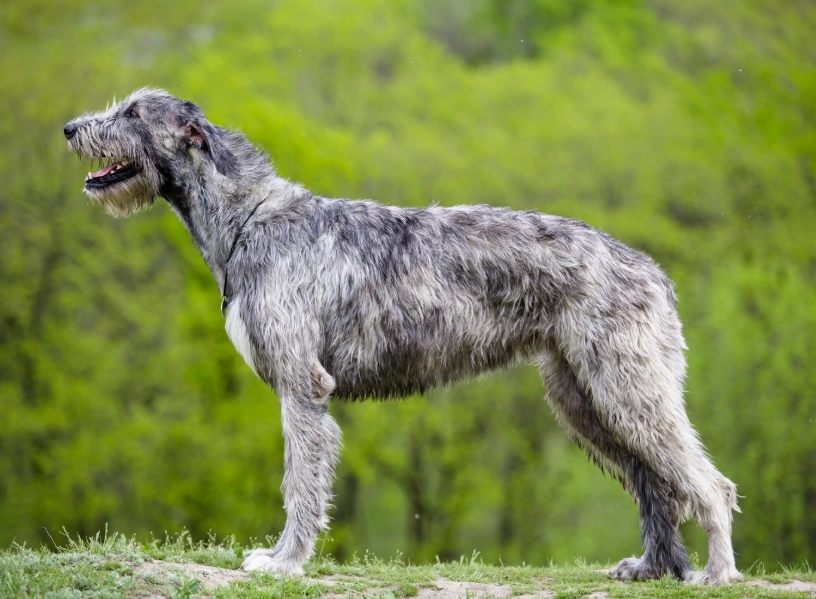
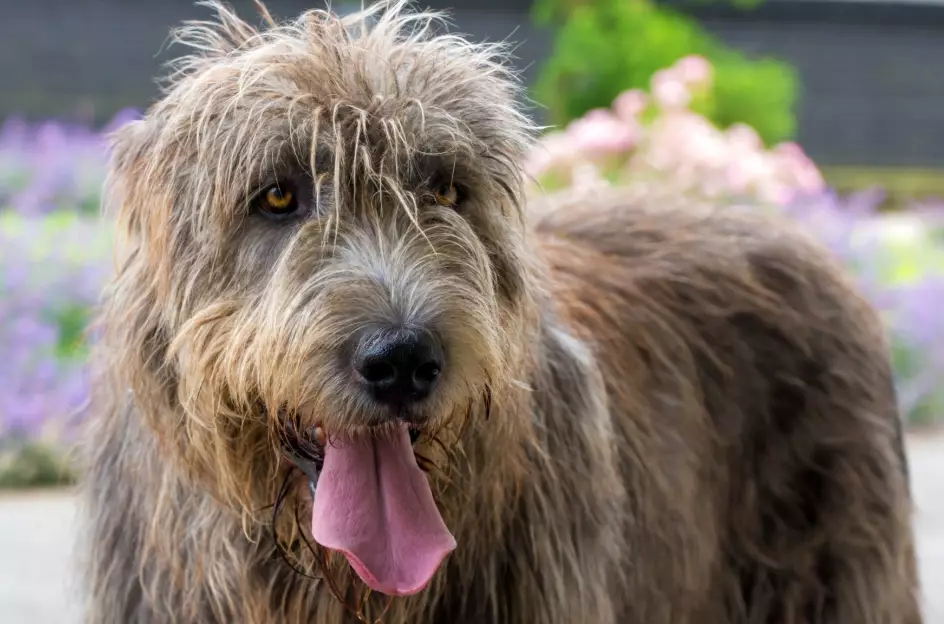
So you're thinking about an Irish Wolfhound. Maybe you saw a picture online, this majestic, shaggy creature that looks like it walked out of a medieval tapestry. You were probably equal parts amazed and intimidated. I get it. The first time I met one in person, I literally had to look up. And I'm not a short person. That initial "wow" factor is huge, but what's it really like to live with one of these gentle giants? Let's peel back the legend and talk about the reality. This isn't just a big dog. It's a historical breed, a living piece of Ireland's past, originally bred for hunting wolves and elk. Today, you're not likely to have any wolves in your backyard (I hope), but the legacy of that size and strength remains. Owning an Irish Wolfhound is a commitment unlike any other in the dog world. It's about space, about budget, about heart. It can be incredibly rewarding, but you need to go in with your eyes wide open. You can't understand the Irish Wolfhound without knowing where it came from. Its story is woven into Irish history and mythology. Ancient texts and laws mention these great hounds, often valued more than a man's own belongings. They were symbols of status and power, given as royal gifts. Can you imagine receiving a dog as a diplomatic present? That was the Irish Wolfhound. By the 19th century, they were nearly extinct in Ireland after wolves were eradicated. The breed we know today was revived by a dedicated Scotsman, Captain George Augustus Graham. He scoured the countryside for remaining specimens and, with careful crossbreeding (likely involving Deerhounds and Great Danes), brought the Irish Wolfhound back from the brink. Every modern Wolfhound traces its lineage back to his efforts. That's a pretty heavy legacy to carry around on four paws. That history shaped their temperament. They weren't just brute force; they had to be intelligent and cooperative to hunt alongside humans. This is where the famous "gentle when stroked, fierce when provoked" description comes from. In a modern home, the "fierce" part is rarely, if ever, seen. What you get is a calm, dignified, and profoundly gentle soul. But that size? That's pure ancient warrior. Let's just get this out of the way. The Irish Wolfhound is the tallest breed in the world. Not the heaviest—that crown goes to the Mastiff—but the tallest. We're talking about a dog where males routinely stand at least 32 inches at the shoulder, and many hit 34 or 35 inches. When they stand on their hind legs, they can easily look a six-foot-tall person in the eye. My friend's male, Finn, once casually rested his chin on my kitchen counter. No jumping. Just... leaned. Official Breed Standard Highlights (from the American Kennel Club): The coat is a whole other thing. It's not fluffy or soft like a Retriever's. It's a harsh, wiry outer coat that sheds dirt and water, with a softer undercoat. It gives them that charmingly disheveled, "I just woke up" look. But don't be fooled—it requires regular maintenance to prevent matting, especially behind the ears and under the legs. Here’s a quick comparison to put the Irish Wolfhound size in perspective against other large breeds: See what I mean? They're in a league of their own when it comes to height. This is the part that surprises most people. Given their history as wolf hunters, you might expect a fierce, high-energy watchdog. The reality is almost the opposite. The typical Irish Wolfhound temperament is best described as calm, patient, and profoundly sweet-natured. They are often called "gentle giants," and it's a cliché because it's true. They tend to be wonderful with children, displaying a natural, careful tolerance. I've seen a toddler use a sleeping Wolfhound as a pillow, and the dog just sighed contentedly. They are usually polite with strangers, though aloof—they're not the type to jump on guests, but they might deign to accept a pat on the head. With other dogs and pets, they are generally fine if socialized properly. That ancient hunting instinct can sometimes kick in with small, fast-moving animals (like squirrels or even small dogs), so supervision is wise. But in the home, they often live peacefully with cats they've been raised with. The Big Misconception: They are NOT high-energy dogs. In fact, puppies and young adults can be quite bouncy and clumsy (a 100-pound puppy knocking into a coffee table is a force of nature), but adults are famously lazy indoors. They need good daily exercise, but then they are happiest sprawling across your entire sofa, preferably in a sunbeam. Don't get an Irish Wolfhound expecting a running partner for long distances—their giant frames aren't built for that kind of repetitive stress. They are sensitive souls. Harsh training methods or yelling will shut them down completely. They respond best to positive reinforcement, patience, and consistency. Their intelligence is more of a thoughtful, independent kind rather than a "let me learn 50 tricks" kind. And the drool? It's a thing. Not as constant or prolific as a Mastiff's, but after drinking water, you will get what I call the "dribble trail." Keeping a "slobber towel" handy by the water bowl is a pro-tip from every Wolfhound owner I know. This is the heaviest part of the conversation, and it's why I stress the budget so much. Giant breeds age faster and are prone to specific, often expensive, health issues. The average lifespan of an Irish Wolfhound is heartbreakingly short: typically only 6 to 8 years. Some beat the odds and live to 9 or 10, but it's rare. You have to be prepared for a shorter, more intense journey. Here are the major health concerns any responsible breeder should be testing for: This is why choosing a reputable breeder is non-negotiable. A good breeder will openly share all health clearances for the parents (OFA cardiac, liver, hip scores) and will be breeding for health and temperament first, not just size or looks. Avoid anyone who doesn't prioritize health testing or who promises "extra-large" or "show-quality" puppies for a premium price. Let's talk money, because the initial puppy price is just the entry fee. A well-bred Irish Wolfhound puppy from health-tested parents typically costs between $2,500 and $4,000 in the US. Why so much? The health testing, the care for the dam, the sheer amount of food the puppies consume—it adds up for the breeder. But the ongoing costs are what you need to budget for: You also need to think about your car. Do you have an SUV, van, or truck you can safely transport a full-grown Wolfhound in? A sedan won't cut it. And your furniture? It will be shared, whether you planned it or not. That giant bed you buy will likely end up unused while they claim your couch. Training a puppy that will grow to be 150 pounds is not a suggestion; it's a necessity. The basics—sit, stay, come, loose-leash walking—are critical for safety and sanity. Imagine trying to correct the pulling of a full-grown Irish Wolfhound if you never taught them as a pup. It's nearly impossible. Socialization is equally important. Expose your puppy positively to all sorts of people, places, sounds, and other animals during their critical window (up to about 16 weeks). A well-socialized Wolfhound is a confident, calm companion. An undersocialized one can become fearful or anxious, and a fearful giant dog is a serious problem. Their sensitivity is your biggest training ally. They want to please. Use positive reinforcement—treats, praise, play. Keep sessions short and fun. Housetraining can take longer with giant breeds simply because their bodies develop more slowly. Be patient and consistent. Leash manners are not optional. A polite walk is a must. Let's summarize. Don't get an Irish Wolfhound if: Do consider an Irish Wolfhound if: The best path for most will be a reputable breeder. How to find one? Start with the national breed club. The Irish Wolfhound Club of America (IWCA) is an excellent resource. They have a breeder referral list and a code of ethics that members must follow. Ask breeders tough questions: What health tests have you done on the parents (ask for OFA numbers)? Can I meet the dam? What is your contract like? Do you take dogs back at any point in their life if the owner can't keep them? A good breeder will ask you just as many questions. Rescue is another noble option. Breed-specific rescues like those affiliated with the IWCA occasionally have adult Irish Wolfhounds or Wolfhound mixes needing homes. These dogs often come from situations where owners underestimated the breed's needs. Adopting an adult can give you a clearer picture of their size and temperament, and you're giving a deserving dog a second chance. The IWCA Rescue Network is the place to start. Adult Wolfhounds need a couple of good, brisk walks (20-30 minutes each) per day and time to roam and sniff in a secure area. They enjoy short bursts of speed but are not endurance athletes. Puppy exercise must be carefully managed to protect developing joints—no forced running on hard surfaces or long hikes. It depends heavily on the individual dog and their upbringing. Many live peacefully with cats they are raised with. The sight-chase instinct can be strong, so introductions to small pets must be done with extreme caution and supervision. They often do best with dogs of similar size or calm temperaments. Weekly brushing with a slicker brush and a metal comb to prevent mats. They need their ears checked and nails trimmed regularly. Most owners take them to a professional groomer every 2-3 months for a bath, thorough brush-out, and neatening of hair around the feet and ears. They are not heavy shedders, but they do shed. Like most dogs, they shouldn't be left alone for 8-10 hours daily. They are social and can develop separation anxiety or become destructive out of boredom. A dog walker midday or the company of another calm dog is ideal if you work full-time outside the home. It's largely a consequence of their gigantic size. Larger animals have faster metabolisms and experience more cellular stress. The rapid growth rate and the sheer mass their bodies must sustain contribute to a higher risk of cancer and musculoskeletal issues. Research into this is ongoing, such as the work by the Giant Dog Health Project. At the end of the day, living with an Irish Wolfhound is about embracing a paradox. It's caring for a creature of epic proportions who believes they are a lapdog. It's managing immense strength guided by a serene spirit. It's investing in a heartbreakingly brief but incredibly deep relationship. They leave giant paw prints on your floors and an even bigger one on your heart. If you're prepared for all of it—the space, the cost, the joy, and the grief—then you might just be one of the few people whose life is truly suited for a Wolfhound. Do your homework. Talk to breeders, meet the dogs if you can, and talk to owners about their real-world experiences. It's the biggest commitment in the dog world, but for the right person, it's also one of the most rewarding.Quick Guide
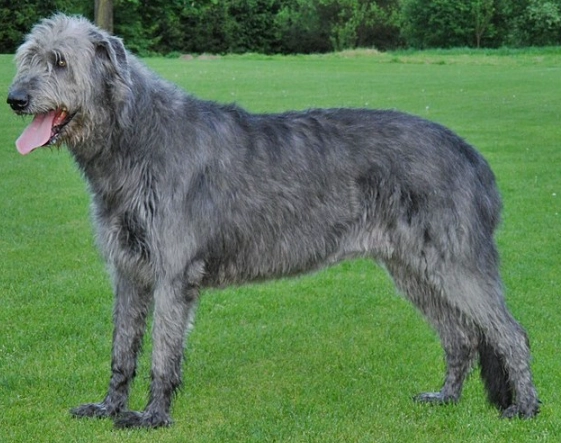
More Than Just Size: The History and Heart of the Breed
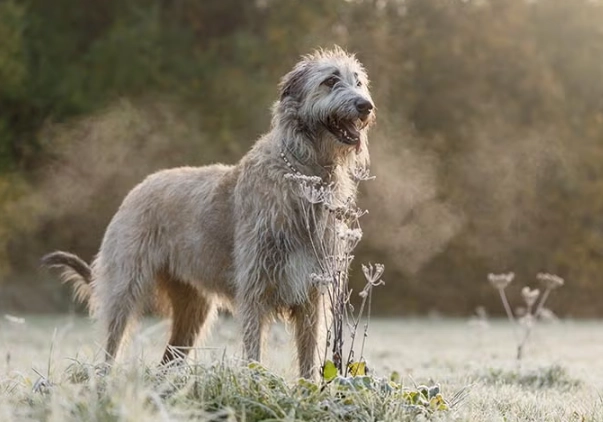
The Elephant in the Room (Or Rather, the Wolfhound): Size and Appearance
Breed
Average Height (Male)
Average Weight (Male)
Key Trait
Irish Wolfhound
32-35 inches
140-180 lbs
Tallest, Gentle Giant
Great Dane
30-34 inches
140-175 lbs
Lean & Elegant
English Mastiff
30+ inches
160-230+ lbs
Most Massive
Saint Bernard
28-30 inches
140-180 lbs
Powerful & Stocky
Scottish Deerhound
30-32 inches
85-110 lbs
Similar but Lighter
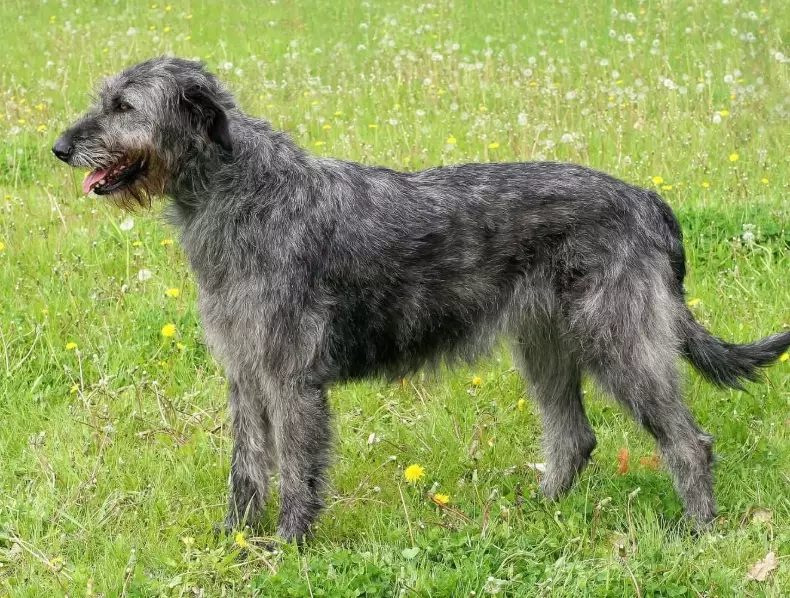
Personality: The World's Biggest Couch Potato?
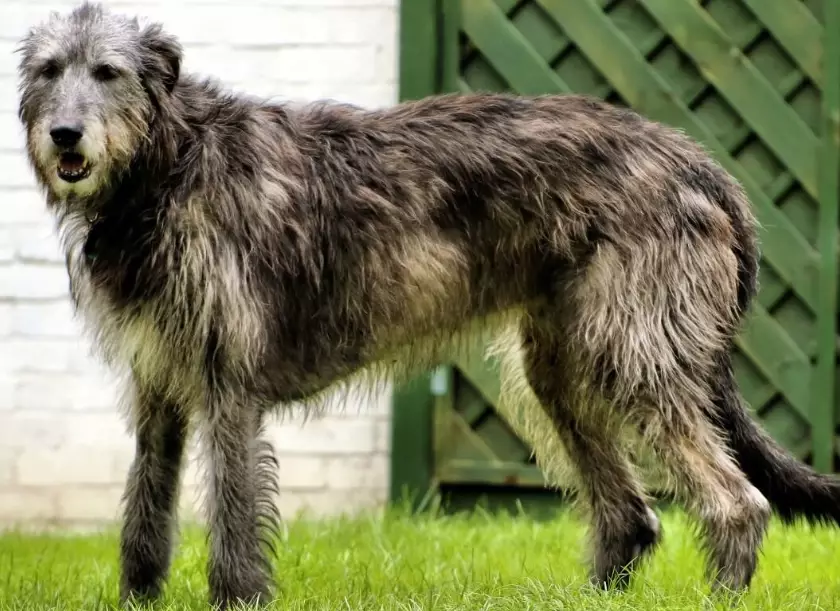
The Not-So-Fun Part: Health and Lifespan
The Real Cost of an Irish Wolfhound
Expense Category
Estimated Annual Cost
Notes
High-Quality Food
$1,200 - $2,000+
They eat a lot! Giant breed puppy and adult formulas are essential for proper joint development.
Routine Veterinary Care
$500 - $1,000
Vaccines, check-ups, heartworm/flea prevention (doses are huge).
Unexpected Vet Bills
Variable (High Risk)
This is the big one. A bloat surgery can cost $5,000-$10,000. Cancer treatment can be even more. Pet insurance is highly, highly recommended.
Grooming & Supplies
$300 - $600
Professional grooming every few months, brushes, giant-sized beds, crates, collars, leashes.
Miscellaneous
$200 - $500
Toys, treats, boarding/daycare (which is often more for giant breeds).
Training and Socialization: Start Early, Be Patient
Is an Irish Wolfhound Right For You? A Brutally Honest Checklist
Finding Your Irish Wolfhound: Breeder vs. Rescue
Common Questions (The Stuff You Actually Google)
How much exercise does an Irish Wolfhound really need?
Are they good with cats and small dogs?
What's the grooming routine like?
Can they be left alone during the workday?
Why is their lifespan so short?
Quick Reality Check: If you live in a studio apartment or are on a very tight budget, stop right here. This breed needs room to stretch its legs (all four of them, which are very, very long) and the veterinary costs for a giant breed are in a different league. I'm not trying to be harsh, just honest. This guide is for those who are seriously considering if their life can accommodate a canine roommate the size of a small pony.
I lost a friend's Wolfhound I used to dogsit to bone cancer at age 7. One day he was slightly lame, and within a month, he was gone. It was devastating. The joy they bring is immense, but the heartbreak is proportional. You have to be emotionally ready for that.
Comment