So you're thinking about an Italian Greyhound. You've seen the pictures – that elegant, deer-like silhouette, those huge, soulful eyes. They look like living art, don't they? I thought the same thing. But let me tell you, living with one is a whole different story from admiring one in a photo. It's equal parts hilarious, frustrating, and incredibly rewarding. This isn't just another breed profile. This is the real, unfiltered scoop on what it's like to share your home (and your sofa, and your blankets) with a miniature canine aristocrat. I've had my boy, Leo, for seven years now. In that time, I've learned that the term "Greyhound" in their name is both fitting and wildly misleading. They have the speed and the chase instinct, sure. But the personality? It's in a league of its own. This guide is everything I wish I'd known before I brought him home, mixed with the hard-won wisdom from vets, breeders, and fellow IG owners. If I had to describe the typical Italian Greyhound temperament in one word, it would be "velcro." And I mean that literally. These dogs form an intense, almost obsessive bond with their person. They want to be on you, under the covers with you, following you from room to room. That famous aloofness of the full-sized Greyhound? Forget it. An Italian Greyhound is a sensitive, often clingy, shadow. This isn't a dog you can leave alone in the backyard for hours. They crave companionship above all else. But here's the contradiction. For all their neediness, they have a surprisingly independent and stubborn streak. You can't just command an IG. You have to persuade them. They're clever, but they often use that intelligence to figure out what's in it for them. Training requires patience, consistency, and a lot of high-value treats. Positive reinforcement is the only way to go; they shut down completely at harsh tones. Let's get practical. What does a day in the life actually look like? Another contradiction. The Italian Greyhound is the ultimate sprinter. In a safe, enclosed area, they will run in blindingly fast, joyous circles for 5-10 minutes. And then? They are done for the day. Completely wiped. They are champion nappers. A couple of short walks and a chance to sprint safely is usually enough. But that sprint must be in a secure area. Their prey drive is extremely high. If they see a squirrel, they're gone, and they will not recall. A standard backyard fence is often not enough; they can jump surprisingly high or squeeze through small gaps. This is a major perk. That sleek coat requires almost no maintenance. A weekly rub-down with a soft grooming mitt or a damp cloth is all it takes to keep them shiny. They shed, but the hairs are short and fine, so they're less noticeable than from a double-coated breed. Nail trimming is crucial, though. Their nails gr Italian Greyhounds are generally healthy and long-lived, but they have some breed-specific concerns you absolutely must be aware of. A good breeder will test for these. Leg Breaks (Foreleg Fractures): This is the big one. Their long, slender legs are beautiful but vulnerable. A simple misstep off the couch or a tumble during play can result in a broken leg, often requiring surgery with pins and plates. It's heartbreaking and expensive. This is why many IG owners use pet stairs or ramps for furniture and are very careful about play surfaces. Dental Issues: Like many small breeds, they are prone to periodontal disease. Crowded teeth are common. A strict dental hygiene routine (brushing, dental chews, vet cleanings) is non-negotiable. Eye Conditions: Progressive Retinal Atrophy (PRA) and cataracts can occur. Reputable breeders will have their dogs' eyes certified by a veterinary ophthalmologist. The Orthopedic Foundation for Animals (OFA) maintains a database for health clearances, including eye certifications, which is a great resource for checking a breeder's claims. Luxating Patellas: A fancy term for a slipping kneecap. It's common in small dogs and can range from mild to severe, sometimes requiring surgery. Hypothyroidism and Epilepsy: These also show up in the breed. Working with a vet who understands sighthounds is a big plus. Leo had a minor patella issue when he was young. We managed it with joint supplements and controlled exercise, and it never progressed. But it was a wake-up call to get pet insurance early. Speaking of which... Let's talk money, because it's a significant factor. The initial purchase price from a responsible breeder can range from $1,800 to $3,000+ USD. Why so much? Because ethical breeders do all that expensive health testing, provide excellent prenatal care, and socialize the puppies meticulously. But the purchase price is just the start. You need to budget for: This is a critical decision. A good breeder is your best bet for a healthy, well-adjusted puppy. They should be able to show you: The American Kennel Club (AKC) marketplace can be a starting point, but you must vet the breeders yourself. The AKC's Italian Greyhound breed page is a great source for basic breed info and can help you find breed club events. Italian Greyhound rescues do fantastic work. Organizations like The Italian Greyhound Club of America Rescue network with groups across the country. Adopting an adult dog can be wonderful—you often skip the intense puppy phase and get a dog whose personality is already known. Many rescue dogs are owner surrenders due to lifestyle changes, not because of anything wrong with the dog. Be prepared for a thorough application process; rescues want to ensure a perfect forever home. Ask yourself these questions honestly: If you answered yes to most of these, an Italian Greyhound could be a magical fit. The Italian Greyhound is not a dog for everyone. They are demanding in their need for companionship and their physical vulnerability requires an owner who is always a little bit on guard. They can be frustrating. The housebreaking thing is real, and the anxiety some of them develop can be challenging to manage. But. If you are the right person—someone home often, patient, attentive, and looking for a deeply bonded companion—there is nothing quite like them. The feeling of a warm, sleek body curled trustingly against you under the blankets, the hilarious "zoomies" in the yard, the elegant head resting on your knee... it's pure magic. They are clowns, cuddle bugs, and living works of art all in one. Would I get another one? In a heartbeat. Despite the broken sleep when he was a puppy, the chewed slipper phase, and the constant battle to keep socks away from him (they're his favorite stolen treasure), Leo has been worth every single second. He's my shadow, my comedian, and the reason I own more dog sweaters than I do jackets. Just be ready for that. The sweaters. You'll need a lot of them.Quick Guide
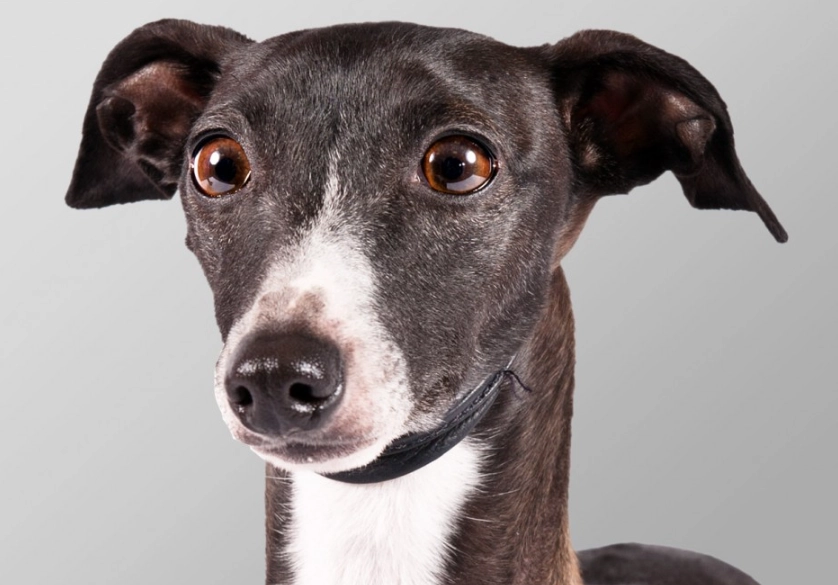
The Italian Greyhound Personality: A Bundle of Contradictions
The Good Stuff (The Pros)
The Challenges (The Cons)
Living with an Italian Greyhound: The Good, The Bad, and The Cuddly
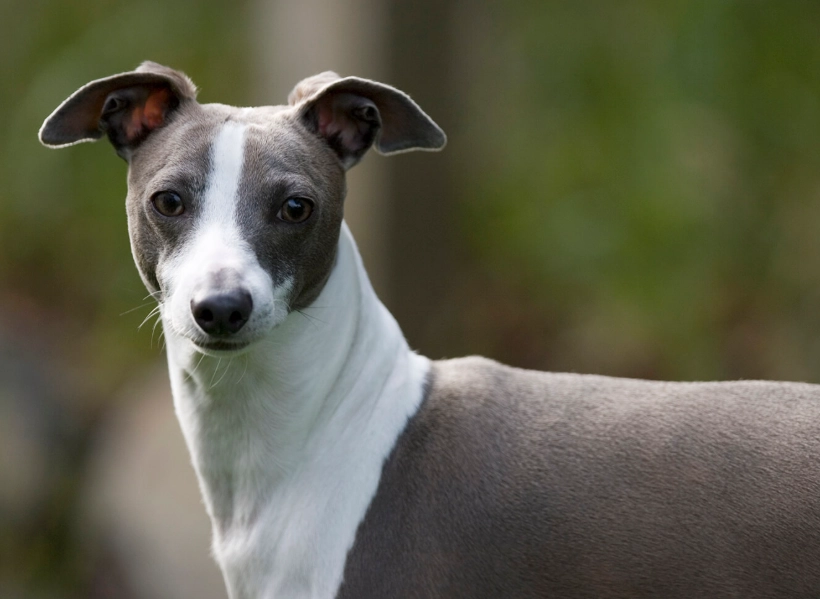
Exercise: Couch Potato or Speed Demon?
Grooming and Care: Easier Than You Think
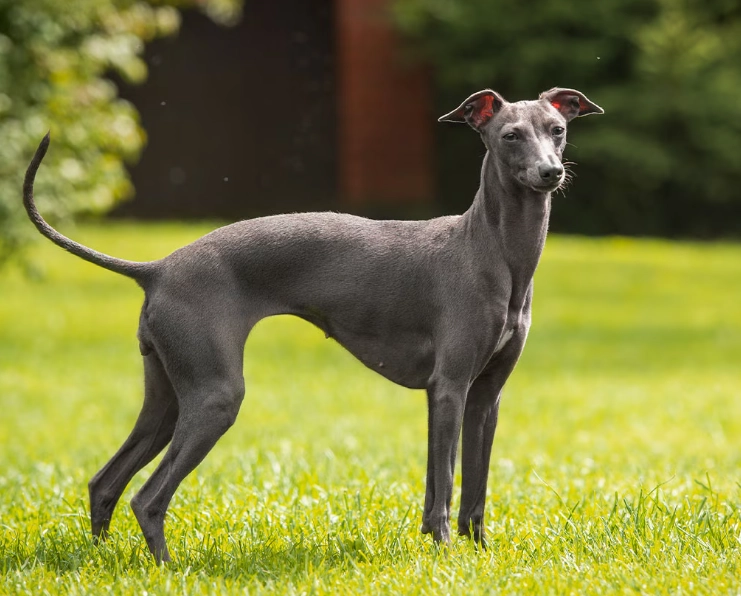 ow fast and can affect their delicate gait if left too long. Dental care is also super important for all small breeds, and Italian Greyhounds are no exception.
Italian Greyhound at a Glance
Category
Details
Size
13-15 inches tall, 7-14 pounds
Lifespan
14-15 years (with good care)
Energy Level
Moderate; short bursts of high energy
Good with Kids?
Better with older, gentle children due to fragility
Good with Other Dogs?
Usually excellent, especially with similar size/play style
Barking Tendency
Low to moderate
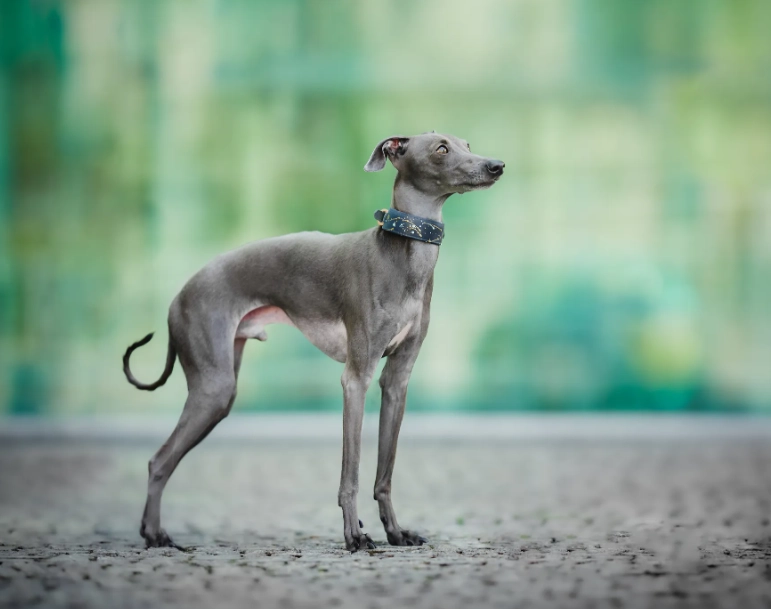
Health and Lifespan: What You Need to Watch For
The Real Cost of an Italian Greyhound
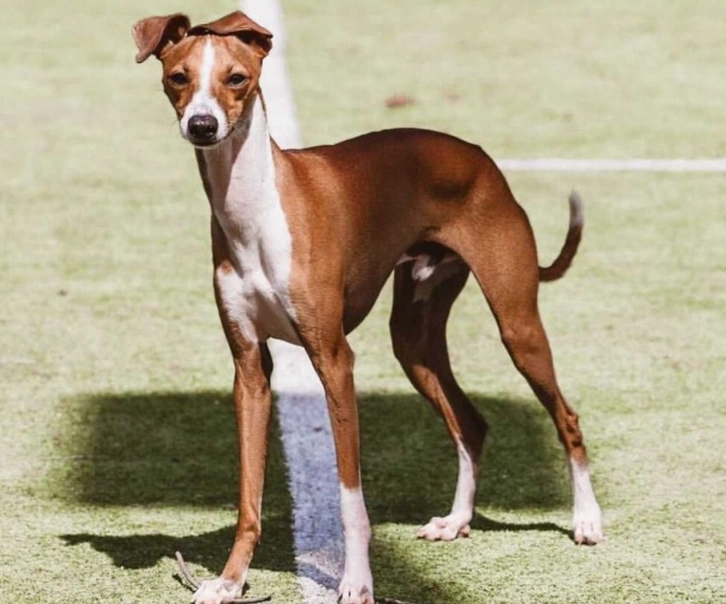
Finding Your Italian Greyhound: Breeder vs. Rescue
Going Through a Responsible Breeder
Adoption and Rescue
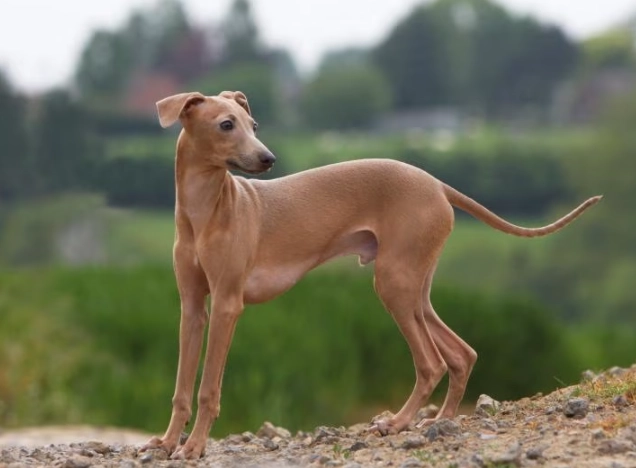
Is an Italian Greyhound Right for YOU? The Honest Quiz
Your Italian Greyhound Questions, Answered
Final Thoughts: It's a Commitment, Not a Trend
They're not just small Greyhounds. Not even close.
My Personal Rule: Leo is only off-leash in a fully fenced, secure dog park or a tennis court. Never, ever in an open field. The risk is just too great.
Whichever path you choose, do your homework. This dog will be with you for 15 years.
Are Italian Greyhounds good apartment dogs?
Absolutely, they are one of the best apartment breeds. They are quiet, clean, and their exercise needs can be met with walks and indoor play. Just be mindful of neighbors if separation anxiety leads to barking or whining.
Do Italian Greyhounds shed?
Yes, but it's minimal. Their short, fine hairs are less noticeable than the undercoat from a husky or shepherd. Regular use of a grooming mitt will catch most of it.
Are they easy to train?
I wouldn't use the word "easy." They are intelligent but sensitive and can be stubborn. They respond brilliantly to positive, reward-based training (think clicker training, treats). Harsh methods will fail completely. Consistency and patience are key.
Can I let my Italian Greyhound off-leash?
In an unfenced area? Almost never. Their prey drive is extremely high and their recall is notoriously poor when they are locked onto a target. The risk of them running into traffic is too great. Only in securely fenced areas.
Why is my Italian Greyhound shivering? Are they cold or scared?
It could be either, or both! They shiver when cold due to lack of body fat and coat. They also shiver when excited, anxious, or stressed. It's a breed trait. If they're shivering indoors, try putting a sweater on them first—chances are, they're just chilly.
Comment