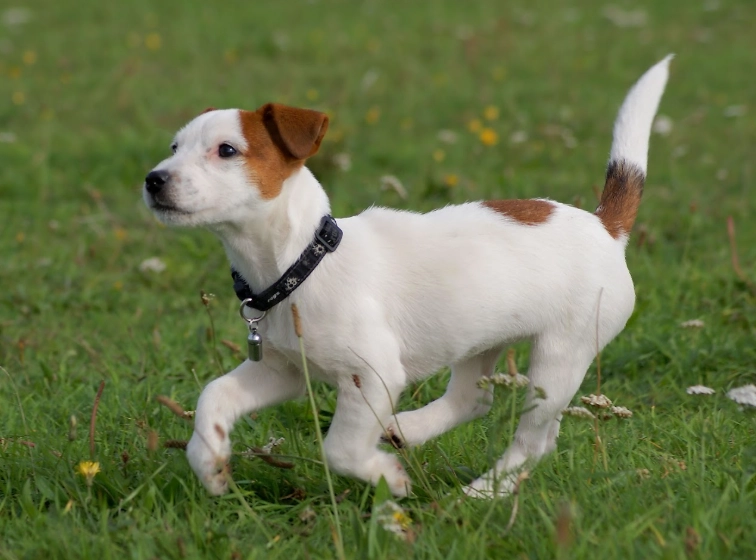
Let's talk about Jack Russell Terriers. You've probably seen them in movies, maybe your neighbor has one that barks at squirrels all day, or perhaps you're just drawn to that clever, alert face. I get it. There's something incredibly magnetic about a Jack Russell. But here's the thing – and I'm going to be brutally honest from the start – this isn't a dog for everyone. Far from it. I've seen too many people fall in love with the idea of a small, cute terrier only to be completely overwhelmed by the reality. That spark of intelligence in their eyes? It's real. That boundless energy? It's not an exaggeration. Owning a Jack Russell Terrier is more like a partnership, a long-term project, than simply having a pet. My friend Sarah got a Jack Russell puppy five years ago. She thought, "How much trouble can a small dog be?" I still laugh about that sometimes. She ended up having to install a six-foot fence because little Baxter learned to climb the four-foot one. He'd escape just to chase the mail truck down the street. True story. So, if you're considering bringing one of these dynamos into your life, you're in the right place. This isn't a fluffy, sugar-coated breed profile. We're going deep. We'll cover their history (it's fascinating), their true personality (the good, the bad, and the stubborn), the training hurdles that make people pull their hair out, the health stuff nobody talks about enough, and the day-to-day reality of living with a canine tornado. By the end, you'll know if a Jack Russell Terrier is your perfect match or a beautiful disaster waiting to happen. To understand why a Jack Russell is the way it is, you have to go back to the beginning. This breed wasn't created to be a lapdog. It was engineered for work. The story starts with a man named Reverend John "Jack" Russell in 19th century England. He was a hunting enthusiast who wanted the perfect terrier to bolt foxes from their dens during traditional English fox hunts. His requirements were specific. The dog had to be small and agile enough to follow the fox into tight, underground earths. It needed immense courage (you're essentially asking a 15-pound dog to confront a fox in a dark hole). It required a strong prey drive and a sharp bark to signal its location. But crucially, it also had to have enough "gameness" to work, but not so much aggression that it would fight and kill the fox underground – that would ruin the sport. The fox needed to be flushed out, not dispatched in the den. This required a unique balance of tenacity and biddability. That original working purpose explains everything. The high energy? They needed stamina to run with horses all day. The intelligence and problem-solving skills? Essential for outsmarting prey underground. The strong will and independence? A dog working out of sight underground can't be constantly looking to its handler for direction. That deep-seated desire to dig and chase? That's not a bug; it's the core feature the breed was built on. The American Kennel Club (AKC) provides a detailed history of the breed's development from these working roots, noting how the standard was shaped by function over form. You can see how every trait of the modern Jack Russell Terrier leads back to that foxhole. Okay, so what does a Jack Russell actually look like? This is where it gets interesting because there's more variation than people realize. The classic image is a predominantly white coat with black or tan markings. That white was deliberate – it made the dog highly visible in the field so hunters wouldn't mistake it for the fox. Not all Jack Russells feel the same. You've got three main coat types, and they each come with their own grooming commitment. Forget the idea of a delicate toy dog. A Jack Russell Terrier is muscular, compact, and built for action. According to the breed standard, their height at the withers is ideally 10 to 15 inches. Weight is proportionate to height, usually between 13 to 17 pounds. But it's not about the numbers; it's about proportion and balance. Their chest is narrow and deep (for squeezing into burrows), their back is strong, and their legs are straight and sturdy. The overall impression should be one of agile strength. This is the heart of the matter. The personality of a Jack Russell Terrier is what makes them unforgettable and, for some, unmanageable. They are a delightful, frustrating, hilarious, and exhausting mix of traits. Fearless and Confident. There is no "small dog syndrome" with a properly bred Jack Russell because they don't know they're small. They will stand their ground against much larger dogs, chase animals twice their size, and approach new situations with a boldness that can be terrifying for an owner. This isn't bravado; it's genuine confidence bred into them for generations. Intelligent to a Fault. They are exceptionally smart. They learn commands quickly… when they want to. They are master problem-solvers. This intelligence, however, is often directed toward their own goals, like figuring out how to open the pantry door or which chair to climb on to reach the kitchen counter. A bored Jack Russell is an inventor of mischief. Energetic is an Understatement. Saying a Jack Russell is energetic is like saying the ocean is damp. They have two speeds: asleep and turbo. They require a significant amount of vigorous exercise every single day. Not just a walk around the block. We're talking running, playing fetch until your arm falls off, agility training, or long hikes. This is non-negotiable. If you don't provide an outlet for this energy, they will create their own, and you won't like it (chewed furniture, incessant barking, digging up your garden). Affectionate on Their Terms. With their family, Jack Russells can be incredibly loving and loyal. They often form a strong bond with one particular person. They'll curl up on your lap after a long day of adventures. But it's usually on their schedule. They're not typically clingy, velcro dogs. They love you, then they have important squirrel-monitoring business to attend to at the window. The Prey Drive. This is a massive part of their personality. That instinct to chase and hunt is incredibly strong. Cats, rabbits, squirrels, even small dogs can trigger this drive. It's very difficult, often impossible, to train this out of them. It means that letting a Jack Russell Terrier off-leash in an unfenced, unsecured area is a huge risk. The moment they see movement, their brain flips a switch and they're gone, often deaf to your calls. Secure fencing is a must. Training a Jack Russell is a unique experience. You're not dealing with a dog eager to please at all costs, like a Golden Retriever. You're dealing with a partner who constantly asks, "What's in it for me?" and "Why should I?" Forget harsh, dominance-based methods. They will backfire spectacularly. Positive reinforcement is the only way. High-value treats (think chicken, cheese, liver), enthusiastic praise, and short, fun training sessions are key. They get bored with repetition quickly. Make it a game. The key is to be more interesting and rewarding than whatever distraction is competing for their attention. Jack Russells are generally a robust, healthy breed with a long lifespan (13-16 years is common). But they are prone to certain genetic and breed-specific conditions. Being aware of these allows for early detection and management. One of the best things you can do is get your dog from a breeder who does health testing on their breeding stock. Reputable breeders will test for conditions like Patellar Luxation and Primary Lens Luxation and provide you with the Orthopedic Foundation for Animals (OFA) or other registry numbers to prove it. The OFA database is a public resource where you can verify health clearances. Regular vet check-ups are vital. Also, because they are so active, Jack Russells are prone to injuries – sprains, fractures, cuts – from their daredevil antics. Pet insurance is something I highly recommend for this breed. What's it actually like to live with one of these dogs? At least 60-90 minutes of dedicated, active exercise daily. This could be: a 5-mile hike, 30 minutes of intense fetch in a safely fenced area, a session at dog agility, or a long jog. A slow walk won't cut it. They need to run. Varies by coat type, as discussed. All types shed. Regular nail trims, ear cleaning, and dental care are essential. Their teeth are prone to tartar, so brushing several times a week is a good idea. Feed a high-quality diet appropriate for their age and activity level. Jack Russells can be prone to obesity if under-exercised, so measure their food and limit treats. They are also famous food thieves, so be vigilant. They can adapt to apartment life IF their exercise needs are met exhaustively. However, they are vocal dogs (barkers) which can be problematic in close quarters. A house with a secure, tall, and dig-proof yard is ideal. Check that fence for gaps at the bottom! Let's sum it up. You might be a good match for a Jack Russell if: You should probably look at another breed if: If you've read all this and your heart is still set on a Jack Russell Terrier, that's a great sign. It means you're going in with your eyes open. The reward is a loyal, hilarious, endlessly entertaining partner in crime who will push you to be more active and engaged. They are truly one-of-a-kind dogs. My final piece of advice? Consider rescue. There are many wonderful Jack Russell Terrier rescue organizations full of dogs of all ages who need a second chance with an owner who truly understands them. Sometimes an adult dog whose personality is already known is an even better fit than a puppy. Good luck. And if you do get one, stock up on tennis balls and invest in a good vacuum cleaner. You're going to need both.Quick Navigation

Where Did the Jack Russell Terrier Come From? It's All About the Hunt

Jack Russell Terrier Characteristics: More Than Just a White Coat
The Three Coat Types
Size and Build: The Athletic Frame

The Jack Russell Personality: A Bundle of Contradictions
Training Your Jack Russell Terrier: It's a Negotiation, Not a Dictatorship

Essential Training Priorities for a JRT
Common Jack Russell Terrier Health Problems: What to Watch For
Health Condition What It Is Signs to Watch For Management/Treatment Patellar Luxation A dislocating kneecap. Very common in small breeds. The kneecap slips out of its groove. "Skipping" or hopping on one rear leg for a few steps, sudden lameness, reluctance to jump or climb stairs. Mild cases managed with weight control and anti-inflammatories. Severe cases may require surgery. Primary Lens Luxation (PLL) A serious, painful eye disorder where the lens detaches. It's genetic and can lead to glaucoma and blindness. Squinting, redness, cloudiness in the eye, apparent vision loss, excessive tearing. THIS IS AN EMERGENCY. Requires immediate veterinary attention. Surgery is often needed. Genetic testing of parents is crucial. Deafness Congenital deafness, often associated with excessive white pigmentation in the coat. Not responding to sounds, being difficult to wake, being easily startled if approached from behind. BAER testing can diagnose. Deaf dogs can live full lives but require special training (hand signals) and safety precautions (leashed at all times). Legg-Calvé-Perthes Disease Degeneration of the head of the femur (hip joint) leading to pain and arthritis. Limping, pain when moving the hip, muscle wasting in the thigh. Pain management and, in many cases, surgery to remove the femoral head. Skin Allergies Atopic dermatitis; reactions to environmental allergens like pollen, dust, or flea bites. Excessive scratching, licking paws, red skin, recurrent ear infections, hair loss. Identifying and avoiding allergens, medicated shampoos, antihistamines, or immunotherapy (allergy shots). 
Daily Life with a Jack Russell: The Nitty-Gritty
Exercise Needs
Grooming
Feeding
Living Situation
Is a Jack Russell Terrier the Right Dog for You?
Think of a Jack Russell not as a dog, but as a very small, furry athlete with the mind of a clever toddler and the persistence of a lawyer. That's closer to the truth.
I once met a Jack Russell who was a champion in "Earthdog" trials – competitions that simulate going to ground after quarry. Watching her size up a tunnel entrance, then bolt through the dark maze with furious determination, was a pure demonstration of the breed's original physical design. It was incredible.
Let me be clear: The number one reason Jack Russell Terriers end up in shelters or rescues is because of unmet exercise and mental stimulation needs. People simply underestimate what "high energy" means for this breed.
A pro tip: Use their meals for training. Instead of feeding from a bowl, use their daily kibble allotment as training rewards throughout the day. It turns every interaction into a learning opportunity and makes food more valuable.
Q: Are Jack Russell Terriers good with kids?
A: They can be, but with major caveats. They do best with older, respectful children who understand how to interact with dogs calmly. Their small size makes them vulnerable to injury from rough handling, and their low tolerance for annoyance means they might snap if pestered (like having their tail pulled). They are not naturally "nanny" dogs. Supervision is always necessary.
Q: Are Jack Russells aggressive?
A: They are not inherently human-aggressive. However, they are terriers, which means they can be dog-selective or even dog-aggressive, especially with dogs of the same sex. Their high prey drive can look like aggression toward small animals. Poor socialization, fear, or lack of training can lead to reactive or aggressive behaviors. Proper raising is key.
Q: Jack Russell vs. Parson Russell Terrier – what's the difference?
A: This causes a lot of confusion. They share a common ancestor. Generally, the "Parson" Russell Terrier, as recognized by the AKC, has a slightly taller, squarer build with longer legs. The "Jack" Russell Terrier is often a bit smaller and more rectangular. The differences in breed clubs and standards are nuanced, but for a pet owner, the temperament and care needs are virtually identical.
Comment