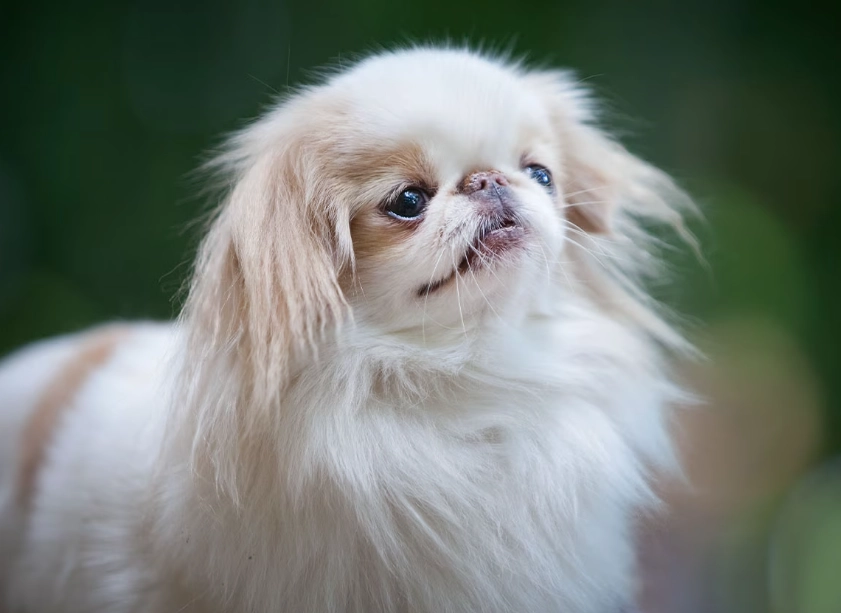
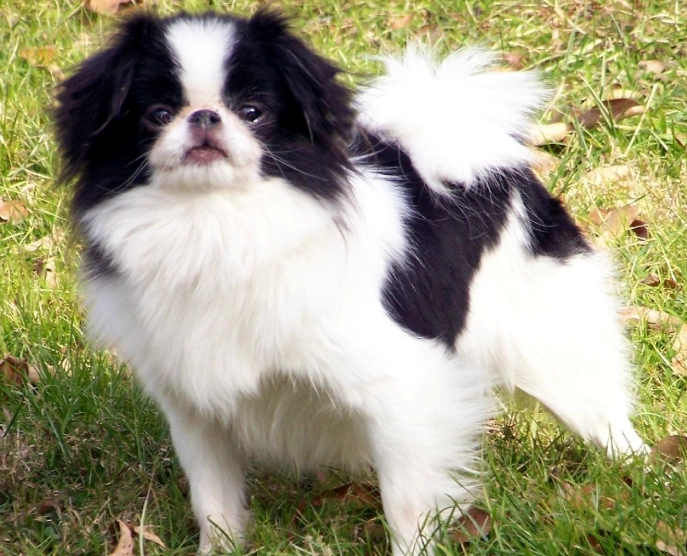
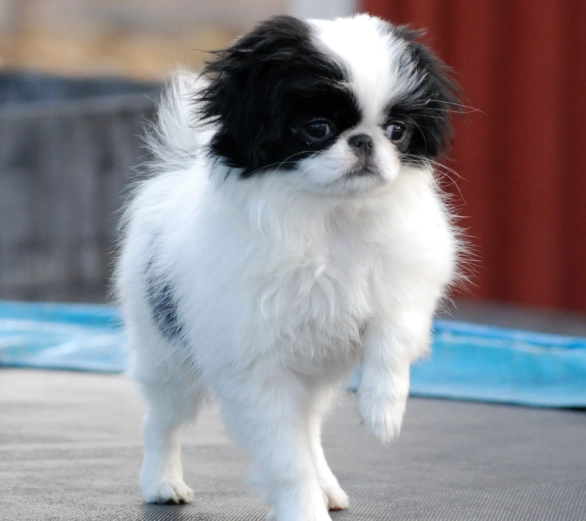
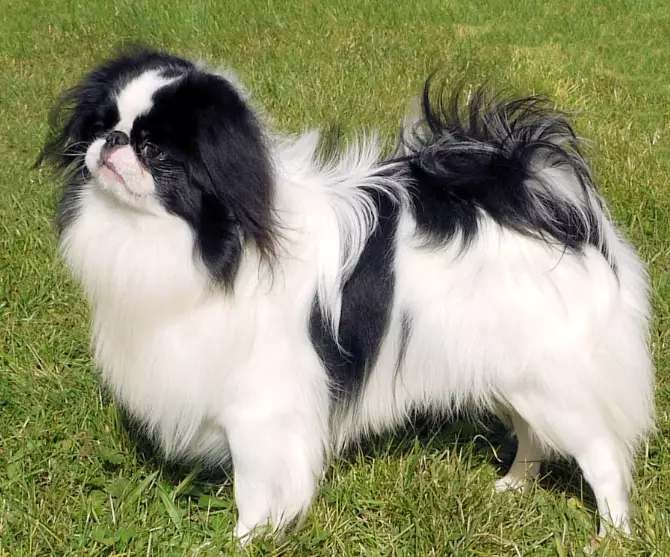
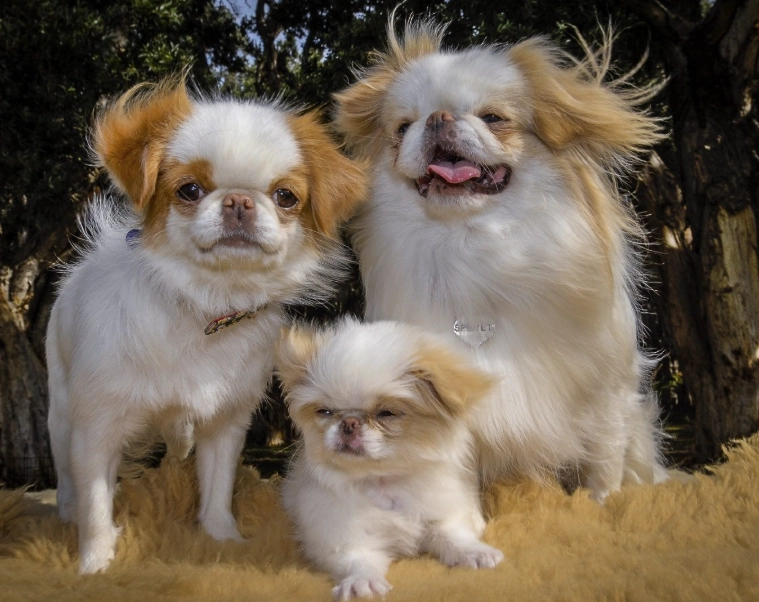
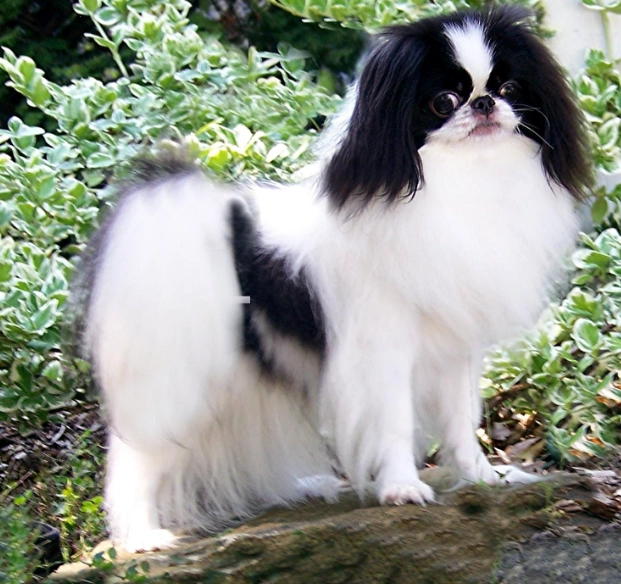
Let's talk about the Japanese Chin. You've probably seen one – that small, elegant dog with a pushed-in face, big dark eyes, and a look of perpetual surprise mixed with aristocratic disdain. They look like they just stepped out of a painting. And in a way, they did. For centuries, these little dogs weren't just pets; they were living jewels, companions to Japanese nobility, and even considered sacred in some circles. Today, the Japanese Chin is a beloved companion dog, but owning one isn't quite like owning any other small breed. There's a lot more to them than the fancy looks. I've always been struck by how cat-like they can be. Seriously, ask any Chin owner. They'll tell you their dog perches on the back of sofas, cleans its face with its paws, and has an air of dignified independence you don't always find in dogs. But is that aloofness, or are they just deeply bonded to their chosen person? It's one of the many quirks that makes the Japanese Chin so fascinating. The story of the Japanese Chin is shrouded in a bit of mystery and a lot of legend. While they're indelibly linked to Japan (their name says it all), most historians believe they actually originated in China. The prevailing theory is that they were given as precious gifts from Chinese royalty to Japanese emperors sometime during the 8th century. The American Kennel Club (AKC) notes their history is ancient, with evidence of their existence in Asian courts for over a thousand years. In Japan, they were elevated to an art form. They weren't bred for hunting or herding. Their sole purpose was companionship and aesthetic beauty. Noblewomen would carry them in the sleeves of their kimonos (they were called "Sleeve Dogs" for this reason). They were considered so precious that they were often given as diplomatic gifts. I find it funny to imagine a tiny Japanese Chin being presented as a state gift, more valuable than gold or silk. It tells you everything about how they were viewed. Their journey to the West is another tale. They arrived in Europe in the 1600s, again as gifts to royalty. Queen Victoria of England was a famous admirer, which of course made them wildly fashionable. This royal pedigree isn't just trivia; it's baked into the breed's DNA. The Japanese Chin expects to be treated with a certain level of respect. They're not a "rough and tumble" breed. They're sensitive, sometimes even fragile, both emotionally and physically. You're not just getting a dog; you're welcoming a little piece of living history with four legs and a serious attitude. Okay, let's get the basics out of the way. The Japanese Chin is a toy breed. We're talking small – usually between 7 to 11 pounds. They have a distinctive silhouette: square and compact, with a large, broad head, a very short muzzle, and large, wide-set, dark eyes. Their tail is plumed and carried proudly over their back. The coat is long, straight, and silky, with a magnificent ruff around the neck and shoulders. Common colors are black and white or red and white (which can range from lemon to deep red). But let's be honest: that flat face is a double-edged sword. It's what gives the Japanese Chin its unique, almost human expression, but it's also the source of the breed's most significant health challenges, which we'll get into later. It's a classic case of form over function, a result of centuries of selective breeding for a specific look. If you want a dog that's constantly underfoot, begging for play, this might not be your breed. The Japanese Chin personality is often described as felinelike. They're affectionate, but on their own terms. They love to be near their people, often following you from room to room, but they might prefer to sit *next* to you on the couch rather than *on* you (though many are happy lap warmers). They can be surprisingly quiet for a small dog, not given to excessive yapping, though they will alert you to visitors with a dignified bark. They form incredibly strong bonds, often with one particular person in the family. This can border on velcro-dog behavior with their chosen human. With strangers, they can be aloof and reserved, taking their time to warm up. This isn't aggression; it's a cautious, regal assessment. I've met Chins that completely ignore guests, which some people misinterpret as rudeness. It's not. It's just them being them. They're known for a quirky behavior called the "Chin Spin," where they excitedly run in tight little circles. It's utterly charming. They can also be playful and silly with their family, making them wonderful, entertaining companions. But they have a low tolerance for being manhandled by small children. This is not a dog for a family with rough, young kids. An older, gentle child who understands how to interact respectfully with a small animal can be a fine companion, but supervision is always key. This is where the rubber meets the road. Owning a Japanese Chin isn't overly difficult, but it has specific requirements that you can't ignore if you want a happy, healthy dog. That beautiful, flowing coat requires commitment. It mats easily, especially behind the ears, in the armpits, and around the hindquarters. A thorough brushing at least every other day is non-negotiable. I use a slicker brush and a metal comb, working in sections. The good news? Their coat is silky and doesn't have an undercoat, so they shed less than many other long-haired breeds, and they don't have that typical "doggy smell." Many owners opt for a "puppy cut" – clipping the coat short – for easier maintenance, especially in warmer climates. It takes away the traditional look but makes life much simpler. Beyond the coat, pay close attention to their face. Those big, prominent eyes are prone to injury and weeping. You'll need to gently wipe the corners daily with a soft, damp cloth to prevent tear stains. Their facial folds (if they have deep ones) need to be kept clean and dry to avoid infections. And don't forget dental care! Like all small breeds, Japanese Chin are prone to terrible dental disease. Daily tooth brushing is the absolute gold standard. I know it's a pain, but trust me, it will save you thousands in vet dental cleanings and save your dog a lot of pain. This is a major selling point for the Japanese Chin. They have moderate to low exercise needs. A couple of short walks a day and some indoor playtime are usually sufficient. They are excellent apartment dogs because of their size and relatively quiet nature. They're happy to curl up and relax for most of the day. So yes, great for apartments, but you must be vigilant about temperature. Their small size also means they can be injured easily. Jumping off furniture is a common cause of broken legs or other injuries. Providing steps or ramps to their favorite spots is a smart move. Japanese Chin are intelligent but can be stubborn. They have a "what's in it for me?" attitude. Positive reinforcement training with high-value treats (tiny pieces of chicken, cheese) works wonders. Harsh corrections or scolding will shut them down completely; they'll just stop working with you. Early socialization is crucial. Expose your Japanese Chin puppy to a wide variety of people, places, sounds, and other gentle animals in a positive way. This helps prevent the natural aloofness from tipping over into fearfulness or anxiety. Puppy kindergarten classes are fantastic for this, as long as the trainer uses positive methods. Housebreaking can sometimes be a challenge. They are small, and their bladders are small. Consistency, a strict schedule, and lots of praise for success are key. Some owners never fully trust them without a potty pad backup, especially in bad weather, because, let's face it, many Chins despise rain. This is the most important section. The Japanese Chin, like many purebred dogs, is prone to certain hereditary health conditions. A responsible breeder will test their breeding stock for these issues. Never buy a Japanese Chin from a pet store or backyard breeder. You are almost guaranteed to get a dog with serious health and temperament problems. Seek a breeder who does health testing and can show you the results (OFA, CERF, etc.). The average lifespan is 10 to 12 years, though many live longer with excellent care. I feel it's only fair to be blunt here. The very features that make the Japanese Chin so visually appealing are directly linked to its health struggles. Choosing this breed means accepting responsibility for managing these potential issues. It means finding a vet familiar with brachycephalic breeds and being prepared for higher-than-average medical costs over the dog's lifetime. Don't just fall for the face. Ask yourself these questions: If you answered "yes" to most of these, a Japanese Chin could be a wonderfully rewarding companion. They are loyal, affectionate (in their own way), clean, quiet, and perfectly suited to a relaxed lifestyle. They are the ultimate companion for a person or couple who wants a decorative, loving, and somewhat low-energy dog. If you answered "no" to several, particularly regarding grooming, heat sensitivity, or household chaos, you might want to consider another breed. There's no shame in that. The goal is a perfect match for both human and dog. At the end of the day, the Japanese Chin is a special dog for a special kind of owner. They're not for everyone. But for the right person—someone who appreciates their history, respects their needs, and can provide a gentle, loving, and cool home—they are an incomparable companion. They offer a unique blend of elegance, affection, and quiet companionship that has captivated people for centuries. Just look into those big, dark eyes. You'll see centuries of history looking back at you, asking for nothing more than a comfortable lap and a little understanding. And maybe a treat. They always want a treat.Quick Navigation
A Royal History: More Than Just a Lapdog
"The Japanese Chin wasn't designed for work. It was designed for beauty, companionship, and to be a living symbol of status and refinement. That legacy shapes its every need and quirk today."
What Does a Japanese Chin Look and Act Like? Beyond the Fluff
The Japanese Chin Temperament: Cat-Like, Charming, and Choosy
The Day-to-Day: Living With and Caring for a Japanese Chin
Grooming: It's Not as Scary as It Looks
Care Aspect
Frequency
Key Tips & Notes
Coat Brushing
Every 1-2 Days
Use a slicker brush & metal comb. Focus on mats behind ears and legs. Consider a sanitary trim.
Bathing
Every 3-4 Weeks
Use a gentle dog shampoo and conditioner. Dry thoroughly to prevent chill.
Eye Cleaning
Daily
Wipe with soft, damp cloth. Watch for redness or excessive discharge.
Teeth Brushing
Daily (Ideal)
Non-negotiable for health. Use dog toothpaste (never human).
Nail Trimming
Every 2-3 Weeks
Small, quick nails. Easy to over-cut. Use a guillotine or scissor clipper.
Exercise
20-30 mins daily
Short walks & indoor play. AVOID heat and overexertion.
Exercise and Living Space: Perfect for Apartments?
Training and Socialization: The Gentle Approach
Health and Lifespan: What You Need to Know Before You Commit
Major Health Concerns
Is a Japanese Chin the Right Dog for You? The Honest Checklist
Japanese Chin Frequently Asked Questions (FAQs)
Thinking of bringing a Japanese Chin into your home? This isn't just a breed profile. It's the deep dive you need, covering the history, the reality of daily care, the health stuff nobody wants to talk about, and the honest truth about whether this regal little dog is your perfect match.
A Quick Reality Check: Their sensitivity is legendary. They do not respond well to harsh treatment or loud, chaotic environments. A raised voice can send a Japanese Chin cowering. They thrive on gentle guidance, positive reinforcement, and a calm, predictable home. If your household is loud and boisterous, a Chin might be perpetually stressed.
CRITICAL WARNING: Heat Sensitivity. This cannot be overstated. Because of their extremely short muzzle (brachycephalic), Japanese Chin are terrible at regulating their body temperature. They overheat extremely easily. Exercise must be during the cool parts of the day. Never, ever leave a Chin in a car, even for a minute. On hot days, keep them in air conditioning. Watch for signs of overheating: excessive panting, bright red gums, lethargy, collapse. This is a life-threatening emergency.
I remember a Chin owner telling me her dog would hold it for an astonishingly long time during a rainy spell, waiting for a break in the weather rather than get its precious feet wet. It's that kind of fastidious, almost comical personality quirk you have to be prepared for.
Are Japanese Chin good with other pets?
Generally, yes, especially if raised with them. Their cat-like nature often means they get along well with cats. They can be fine with other gentle, small dogs. Always supervise introductions. Their small size makes them vulnerable to injury from larger, rambunctious dogs.
How much do Japanese Chin puppies cost?
From a reputable, health-testing breeder, expect to pay between $1,500 to $3,000 USD. The price reflects the health testing, prenatal care, and early socialization responsible breeders provide. Significantly cheaper puppies are a major red flag.
Are Japanese Chin easy to train?
They are intelligent but independent. They respond excellently to positive, reward-based training but can be stubborn if they see no benefit. They are not eager-to-please like a Border Collie. Patience and consistency are key. Tricks like "spin" or "sit pretty" often come easily to them.
Do Japanese Chin bark a lot?
Not typically. They are not known as excessive barkers. They will usually bark to alert you to someone at the door or an unusual noise, but they are not "yappy." This makes them good for apartments with noise restrictions.
Should I adopt a Japanese Chin from a rescue?
Absolutely. Breed-specific rescues are a wonderful option. Organizations like Japanese Chin Rescue often have dogs of all ages looking for loving homes. Adopting an adult dog can also give you a clearer picture of its personality and health.
Comment