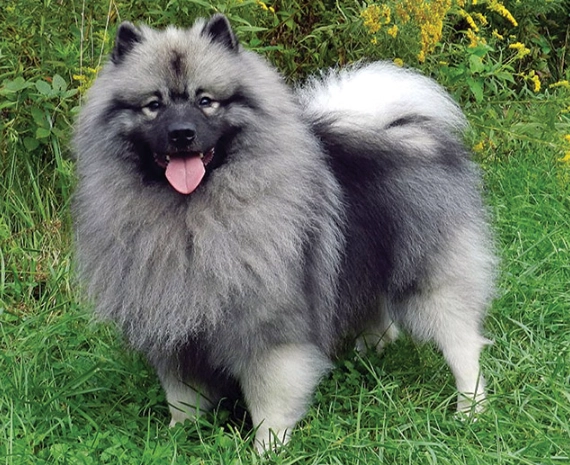
So you've seen a picture of a Keeshond. It's hard not to stop and stare. That lush, silver-and-black "spectacles" pattern around the eyes, the magnificent mane, the plume of a tail curled over the back. It looks like a cartoon wolf decided to get a perm and put on its fanciest coat. But behind all that fluff is a dog with a fascinating history, a personality that's both charming and complex, and a set of needs that every potential owner needs to understand. I remember the first time I met one at a dog show. I was captivated, but the owner was quick to say, "They're amazing, but they're not just a living teddy bear." That stuck with me. This isn't just another breed overview. If you're seriously wondering if a Keeshond could be your next family member, you need the real story. The good, the challenging, the downright messy parts. We're going to dig into what makes this "Smiling Dutchman" tick, from its days on canal barges to its place on your couch. And yes, we will talk about the fur. A lot. The Keeshond (pronounced kayz-hawnd or kaze-hawnd) is deeply woven into the fabric of Dutch history. Forget royal palaces—this dog's origins are proudly working-class. For centuries, they were the constant companions of boatmen, merchants, and farmers on the Rhine River and throughout the Netherlands. They weren't bred for hunting or herding in a traditional sense. Their job was more nuanced: they were watchdogs and companions. They lived on barges and farms, serving as an early alarm system. Their sharp, loud bark (which they still have today) would alert the captain to anyone approaching the boat. But they were also family dogs, known for their gentle nature with children. This dual role shaped them into alert yet affectionate partners. Their name comes from a pivotal moment in Dutch politics. In the late 18th century, a Patriot leader named Cornelis (Kees) de Gyselaer had one of these dogs as his constant companion. The dog became a symbol of the Patriot faction against the ruling Orangists. The breed became known as "Kees' hond," or Kees's dog. When the Patriots lost, the breed's popularity plummeted, almost vanishing into obscurity. It was dedicated breeders in the late 19th and early 20th centuries who saved the Keeshond from extinction, standardizing the look we know today. This is where people either fall completely in love or realize a Keeshond isn't for them. Let's be clear: a well-bred, well-socialized Keeshond is typically a wonderful family dog. They are often described as affectionate, outgoing, and intensely people-oriented. They form strong bonds with their families and often want to be in the middle of whatever is happening. That famous "smiling" expression isn't just a trick of the fur; it often reflects a genuinely cheerful disposition. But they have layers. They are intelligent—sometimes too intelligent for their own good. They learn quickly, but they also think for themselves. This isn't a breed that will mindlessly obey. They want to know why. Training requires patience, consistency, and a good sense of humor. Positive reinforcement is the only way to go; they are sensitive souls and will shut down if treated harshly. Their watchdog heritage is still strong. They are alert and will bark to let you know about the mailman, a squirrel, a leaf blowing by, or the fact that the neighbor's car is home early. This can be a pro (great security alarm) or a con (your neighbors might not share your enthusiasm). Training a "quiet" cue from puppyhood is non-negotiable for most owners. I spoke to a Keeshond owner in my neighborhood, Sarah, who has had two. She told me, "My first one, Toby, was the quintessential velcro dog. Wherever I was, he was two feet away, just watching me. My current girl, Luna, is more independent. She'll follow me from room to room but then plop down across the room instead of at my feet. But both shared that same keen awareness. They always know what's going on." They are generally good with children, showing a notable patience and gentleness. However, as with any dog, supervision is key, and children must be taught to respect the dog's space, especially during meals or sleep. They usually get along well with other dogs and pets, especially if raised with them, though their spitz heritage can mean a bit of a stubborn streak with same-sex dogs sometimes. It's only fair to talk about the challenges. Their intelligence can lead to boredom, and a bored Keeshond is a creative one—and not in a good way. They might invent their own games involving your shoes or the couch cushions. They need mental stimulation as much as physical exercise. They can be reserved with strangers. Not aggressive, but aloof. They'll assess a new person from a distance before deciding to offer friendship. This isn't the dog that will greet every party guest with a sloppy kiss. And then there's the vocalization. I can't stress this enough. They are talkative. They have a range of barks, whines, grumbles, and "arooos" to communicate their feelings. If you need absolute quiet or live in an apartment with thin walls, this aspect needs serious consideration. Let's address the elephant in the room: the coat. The Keeshond has a glorious double coat. The outer coat is long, straight, and harsh to the touch, standing off from the body. The undercoat is short, wooly, and incredibly dense. This coat served as insulation on those cold, damp Dutch waterways. It's weather-resistant and, when properly maintained, surprisingly doesn't have a strong "doggy" odor. But here's the reality: it requires work. This isn't a wash-and-go dog. Neglect leads to mats, especially behind the ears, in the "pants" (the hindquarters), and under the armpits. Mats are painful and can harbor moisture and bacteria against the skin. Weekly Brushing is Non-Negotiable: You'll need a good slicker brush and an undercoat rake. During most of the year, a thorough 30-45 minute brush-out once a week is sufficient to remove loose undercoat and prevent tangles. Focus on those key areas mentioned above. The Blowout: Shedding Season: Twice a year, typically in the spring and fall, your Keeshond will "blow" its undercoat. This isn't normal shedding; it's an epic event. For 2-3 weeks, tufts of soft, gray undercoat will come out in handfuls. Daily brushing is required during this time to help the process along and prevent the loose hair from matting with the remaining coat. Your house will have tumbleweeds of fur. A high-velocity dryer (the kind used by groomers) is an absolute game-changer for this process, blasting out the loose undercoat efficiently. Bathing is only needed every few months or when they get dirty. Over-bathing can strip the natural oils from their protective coat. Always use a high-quality dog shampoo and conditioner, and ensure the coat is completely dry down to the skin after a bath to prevent hot spots. Is it a lot of work? Yes. But many owners find it a meditative, bonding experience. You just have to go into it with your eyes open. The payoff is a stunning, healthy coat that turns heads everywhere you go. The Keeshond is a moderately active breed. They don't need hours of relentless running. A couple of good walks a day, totaling 45-60 minutes, combined with some playtime in the yard or mental games indoors, is usually enough to keep them happy and healthy. They are prone to obesity, so keeping them at a proper weight through diet and exercise is crucial for joint health. They excel at dog sports that engage their minds, like obedience, rally, agility (though their size is a factor), and nose work. These activities are often better at tiring them out than a simple walk. Start early. Socialization is critical—expose your Keeshond puppy positively to a wide variety of people, places, sounds, and other animals. Puppy kindergarten classes are highly recommended. Keep training sessions short, fun, and varied. Use their favorite treats, praise, and play as rewards. They respond poorly to repetition and drill. If you ask them to "sit" ten times in a row, they'll likely look at you on the fifth time as if to say, "We already did this. What's the point?" Focus on foundational cues (sit, stay, come, leave it) and, most importantly, that "quiet" command to manage their barking. Crate training is also a great idea, as it gives them a safe den of their own and aids in housebreaking. Surprisingly, yes, a Keeshond can do well in an apartment—if their exercise and mental needs are met. Their size is moderate (more on that below), and they are generally calm indoors. The biggest hurdle in an apartment setting is the barking. You must be proactive about training and managing triggers (like using window film to block the view of passersby if that's a trigger). Overall, the Keeshond is a relatively healthy breed with a lifespan of 12-15 years. However, like all purebred dogs, they are predisposed to certain conditions. Responsible breeders screen their breeding stock to minimize these risks. When looking for a puppy, you should ask for health clearances from the breeder. Here are the main health considerations: My vet, who sees a few Keeshonds in her practice, told me the biggest health issue she sees is obesity-related. "People see all that fluff and don't realize the dog underneath is getting overweight. That puts immense strain on their joints and heart. I always have to do a 'hands-on' body condition score because the coat is so deceptive." It's a great point—you should be able to easily feel your dog's ribs under that thick coat. People often confuse the Keeshond with other fluffy breeds. Here’s a quick comparison to clear things up. Don't just fall for the looks. Ask yourself these questions honestly: If you answered yes to most of these, a Keeshond might just be your perfect match. This is the most important step if you want a healthy, temperamentally sound puppy. A good breeder's goal is to better the breed, not just make puppies. Red Flags: Multiple litters available at once, puppies always ready, willingness to ship a puppy without meeting you, no health testing on parents, pressure to pay quickly. Green Flags: They ask you as many questions as you ask them. They welcome you to visit their home and meet the mother dog (dam). They provide health clearances for both parents (OFA hips/patellas, genetic test for PHPT, thyroid, eyes). They have a contract that includes a health guarantee and requires you to return the dog to them if you can't keep it. They are involved in the dog community (showing, sports). Your best starting point is the national breed club. The Keeshond Club of America has a breeder referral service and a wealth of information on their website. Adult dogs in need of homes are often available through breed-specific rescues. This can be a wonderful option, as the dog's personality and grooming needs are already known. The Keeshond Club of America also has a rescue network. Adopting an adult means you skip the puppy chewing and housebreaking stages, but you may inherit unknown history or behavioral issues that need patience and training. Q: Are Keeshonds good with cats? Q: How much do Keeshond puppies cost? Q: Do they drool a lot? Q: Can I leave my Keeshond alone for 8 hours a day? Q: Are they easy to housebreak? Owning a Keeshond is a unique experience. It's not for the faint of heart or the tidy-freak. It's for someone who sees past the incredible fluff to the intelligent, loyal, and slightly dramatic personality underneath. It's for someone who doesn't mind a little dog hair as a condiment on every meal and who appreciates a companion that will both make you laugh and challenge you. They give back tenfold what you put in. The loyalty, the companionship, the sheer joy they express with a full-body wag and that signature smile—it's something special. If you've done your research, understand the commitment, and your heart is set on this Dutch charmer, then you might just be on your way to welcoming one of the most memorable dogs you'll ever own into your home. Just make sure you have a good vacuum.Quick Navigation
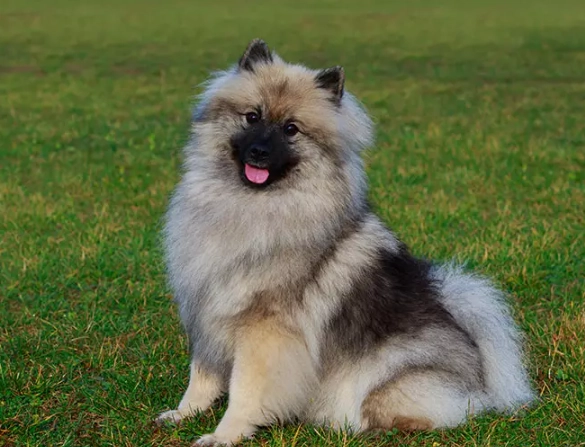
Where Did This Fluffy Dog Come From? A Trip Down Dutch Canals
Keeshond Personality: The Heart Behind the Spectacles
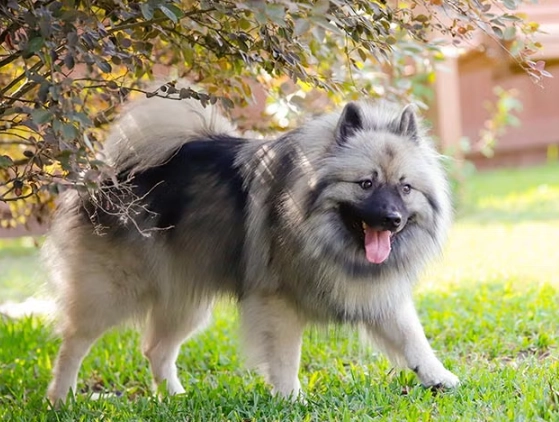
Potential Downsides to Consider
The Great Keeshond Grooming Debate: It's a Commitment
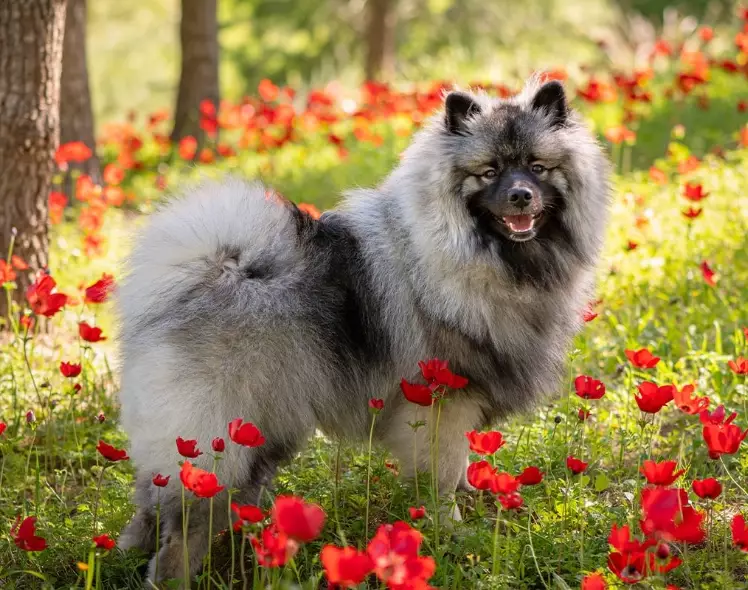
Living with a Keeshond: Exercise, Training, and Home Life
Exercise Needs: Not a Marathon Runner
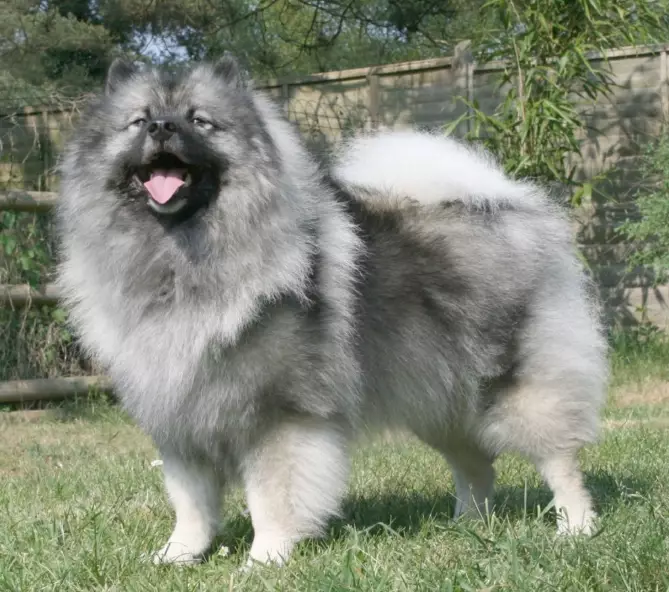
Training Your Clever Companion
Are They Apartment Dogs?
Keeshond Health: What to Watch For
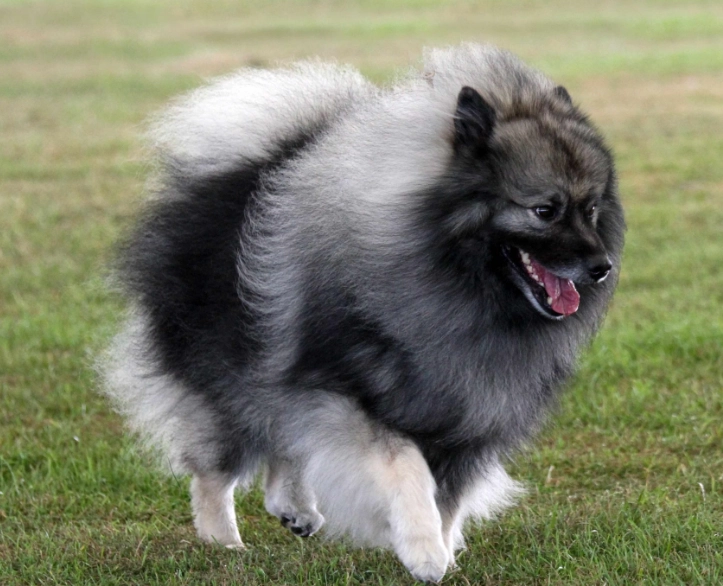
Keeshond vs. Other Similar Breeds
Breed
Size
Coat & Color
Key Temperament Difference
Origin
Keeshond
Medium (35-45 lbs)
Double coat. Distinct silver/gray/black "spectacles." Plume tail.
People-oriented, vocal watchdog, family-focused.
Netherlands
American Eskimo Dog
3 sizes (Toy to Standard)
Always pure white or biscuit cream double coat.
Very alert, can be more reserved with strangers, highly trainable.
United States (German Spitz descent)
Samoyed
Large (45-65 lbs)
Thick, pure white double coat. "Sammy smile."
Extremely friendly, social, bred to work closely with people, less aloof.
Siberia
Norwegian Elkhound
Medium (48-55 lbs)
Gray double coat, but darker and less distinct patterning.
Bred for big game hunting (elk, bear). More independent, higher prey drive.
Norway
Chow Chow
Medium-Large (45-70 lbs)
Can be rough or smooth. Red, black, blue, cinnamon, cream.
Notably aloof, independent, cat-like, often one-person dogs.
China
Is a Keeshond the Right Dog for You? A Self-Checklist
Finding a Keeshond: Breeder vs. Rescue
Choosing a Responsible Breeder
Considering Keeshond Rescue
Your Keeshond Questions, Answered
A: Generally, yes, especially if raised together. Their prey drive is relatively low for a spitz-type dog. However, a proper introduction is key, and you should never leave them unsupervised until you're confident in their relationship.
A: From a reputable breeder, expect to pay between $1,500 and $3,000, depending on location, the breeder's reputation, and the puppy's lineage. The initial cost is just the beginning—factor in lifetime expenses for food, grooming, vet care, and insurance.
A: No, they are not known as a drooly breed. A big plus for those who dislike slobber!
A: Not ideally. They are companion dogs and can develop separation anxiety or become destructive if left alone for long periods regularly. If you work full-time, you'll need a plan for a dog walker, daycare, or a canine companion.
A: They are of average intelligence in this department. Consistency and a schedule are key. Crate training is highly effective. Some can be a bit stubborn about going outside in bad weather, given their plush coats!
Fun Fact: The Keeshond is part of the German Spitz family. In many European countries, they're known as the "Wolfsspitz" due to their wolf-like coloring. The American Kennel Club recognized them as a separate breed in 1930.
Grooming Mistake to Avoid: Never shave a Keeshond. Their double coat regulates their temperature, keeping them cool in summer and warm in winter. Shaving it ruins the texture, can cause permanent damage, and disrupts their natural insulation. Trimming around the feet for neatness and sanitary areas is fine, but the body coat should never be cut short.
Comment