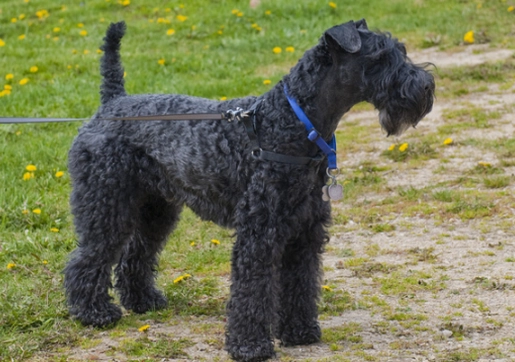
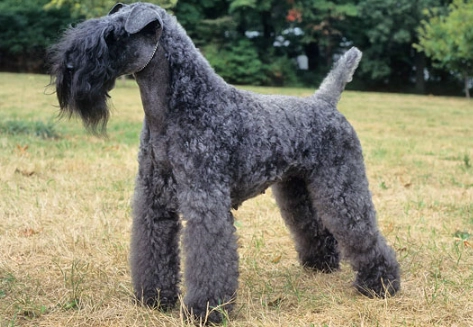
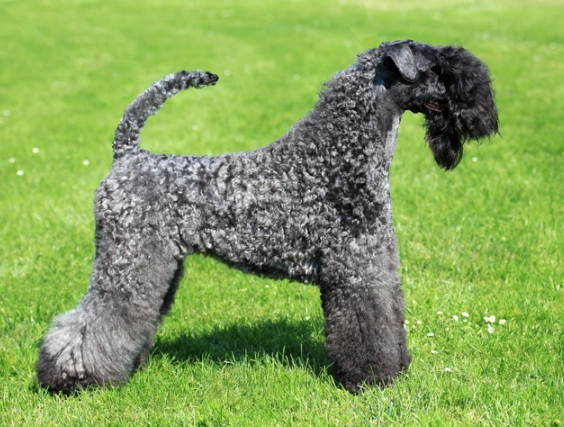
Let's be real. You've probably seen a picture of a Kerry Blue Terrier and thought, "Wow, what a cool-looking dog." That gorgeous blue-gray coat, the beard, the confident stance – they look like they just stepped out of an Irish fairy tale. And you'd be right. But here's the thing nobody tells you right away: living with a Kerry Blue is less like a gentle fairy tale and more like an epic adventure novel, complete with stubborn protagonists, dramatic plot twists, and a grooming regimen that could rival a Hollywood star's. I remember the first time I met one up close. It was at a dog show, and this particular Kerry Blue was giving his handler the side-eye, clearly debating whether to show off or go sniff something more interesting. That, in a nutshell, is the Kerry Blue Terrier experience. They're brilliant, they're beautiful, and they have their own very strong opinions about everything. So, if you're just curious or seriously considering bringing one of these charismatic terriers home, stick around. This isn't a sugar-coated breed profile. We're going to dig into the good, the challenging, and the downright messy (literally, when it comes to grooming) details of life with a Kerry Blue. The Quick Snapshot: Kerry Blue Terrier Pros and Cons Let's cut to the chase. Is a Kerry Blue Terrier the right dog for you? Here’s the unfiltered breakdown. See what I mean? It's a mixed bag. The joy of a Kerry Blue Terrier is immense, but you have to go in with your eyes wide open. They're not a "set it and forget it" kind of pet. To understand the Kerry Blue Terrier of today, you have to go back to County Kerry, Ireland (hence the name). The stories are a bit foggy, as good Irish tales should be. Some say they came from a shipwrecked blue dog from Spain. Others claim they were the all-purpose farm dog of the Irish countryside. The more practical history, as documented by sources like the American Kennel Club (AKC), points to them being versatile working terriers. They were used for hunting small game like rats and rabbits, herding cattle and sheep, and guarding the homestead. That "all-purpose" background explains a lot: their intelligence, their toughness, their independence, and that strong prey drive. One of the most fascinating things about the breed is their coat color. Kerry Blue Terrier puppies are born black. It's only as they mature, usually between 6 months and 2 years, that the distinctive blue-gray shade (which can range from a deep slate to a light silver) comes in. That's a fun little waiting game for new owners. This is where most people get tripped up. You look at that plush, cuddly-looking dog and think "lapdog." Oh, no. So much no. The Kerry Blue Terrier temperament is a fascinating cocktail. With their family, they are devoted, affectionate, and often downright silly. They love to play and will invent games to get your attention. But they also have a deep sense of dignity. They don't like being manhandled or treated like a simpleton. Respect is a two-way street with this breed. The Stubborn Streak: Let's talk about it. Training a Kerry Blue isn't like training a Golden Retriever who lives to please you. A Kerry Blue wants to know "What's in it for me?" and "Is this actually a good idea?" They test boundaries. They might look you right in the eye and deliberately do the thing you just told them not to do. It's not malice; it's them checking if you really mean it. This is why they are not typically recommended for novice dog owners. You need a good sense of humor and the patience of a saint. Socialization isn't just a puppy phase thing; it's a lifelong project for a Kerry Blue Terrier. Exposing them positively to all sorts of people, places, sounds, and well-behaved dogs is the best way to help them grow into a confident, well-adjusted adult. A poorly socialized Kerry Blue can become fearful or overly assertive. And about other pets? It's dicey. Their prey drive is strong. A cat they've grown up with might be fine (though the cat might disagree), but a neighbor's cat sprinting across the yard is an irresistible target. Small animals like rabbits or hamsters are absolutely not safe. With other dogs, introductions should be slow and careful. Many Kerry Blues do best as the only dog or with a very compatible, easy-going companion of the opposite sex. We can't avoid this topic any longer. The Kerry Blue Terrier grooming routine is… intense. That stunning coat is their crowning glory and your part-time job. First, the myth-buster: "Non-shedding" does not mean "no maintenance." It means the loose hair gets trapped in the dense coat instead of falling on your floor. If you don't brush it out, it mats. And matting is painful, pulls on the skin, and can harbor moisture and bacteria. It's cruel to let it happen. I'll be honest, I talked to a Kerry Blue owner who spends about $80-$120 every 5 weeks on professional grooming. That's over $1,000 a year, not counting the high-quality brushes and shampoos she buys for home. She loves her dog to pieces, but she said the grooming bill is the single biggest ongoing cost. If you get a Kerry Blue, you'll need to invest in some tools: Most owners keep their Kerries in a "pet trim" – a shorter, manageable cut all over. The show cut, with the longer furnishings on the legs and beard, is breathtaking but requires even more daily upkeep. The classic Kerry Blue Terrier look involves hand-stripping (pulling out dead hair by hand) to maintain coat texture and color, but this is a specialized skill usually done by groomers familiar with the breed. Pro Tip: Start handling your Kerry Blue puppy's paws, face, and body from day one. Make grooming a positive experience with lots of treats and praise. An adult dog who hates being brushed is a nightmare for everyone involved. Generally, they're a robust breed with a lifespan of 12-15 years. But like all purebred dogs, they have some predispositions to certain conditions. Responsible breeders test their breeding stock to minimize these risks. Here are the main health screenings you should ask a breeder about: Finding a breeder who openly discusses health testing is your first and best step toward a healthy puppy. Don't be shy about asking for proof of these tests. A bored Kerry Blue Terrier is a destructive Kerry Blue Terrier. It's that simple. These are smart, energetic dogs who need both physical and mental exercise. Exercise Needs: Think 60-90 minutes a day. This can be two brisk walks, a long hike, a vigorous play session in a securely fenced yard, or training for a dog sport. They love to have a job to do. Training Philosophy: Positive reinforcement is the only way to go with this sensitive but proud breed. Harsh corrections will make them shut down or become defensive. Use high-value treats (cheese, chicken), praise, and play as rewards. Keep training sessions short, fun, and varied to hold their interest. What should you train? The basics are non-negotiable: sit, stay, come, loose-leash walking, and a solid "leave it." Given their potential for dog-selectivity, a rock-solid "watch me" or "focus" command is invaluable to redirect their attention from another dog. Because of their prey drive, I cannot stress this enough: a secure, tall fence is a must. Letting a Kerry Blue off-leash in an unsecured area is a huge risk. Let's talk money, because it's a big part of the decision. Over a decade, you're looking at a significant financial commitment. It's not just the love you give; it's the resources, too. So, where does this leave us? The Kerry Blue Terrier is not a dog for everyone. They demand a lot: time for grooming, patience for training, energy for exercise, and money for upkeep. But for the right person or family—someone who appreciates a clever, loyal, and spirited companion—they repay that investment a thousand times over in laughter, loyalty, and unique character. If you want an easy, low-maintenance dog, look elsewhere. But if you're ready for a partnership with a dog who has as much personality as you do, who will keep you on your toes and make you smile every single day, then the journey with a Kerry Blue Terrier might just be the adventure you're looking for. Just remember to budget for the groomer.Quick Guide
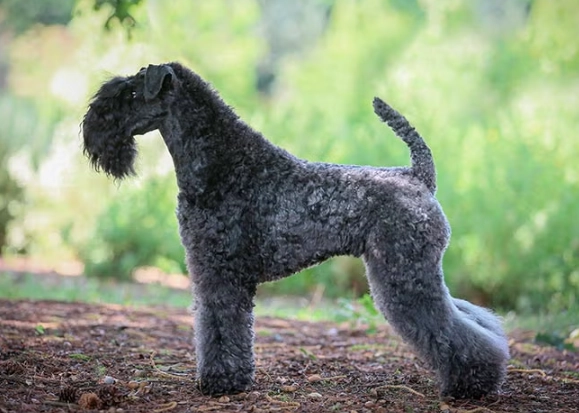
Pros Cons Hypoallergenic Coat: Their unique, soft, wavy hair sheds minimally, making them a potential fit for some allergy sufferers (but always meet one first!). High-Maintenance Grooming: "Hypoallergenic" doesn't mean low-care. That beautiful coat requires brushing every other day and professional clipping every 4-6 weeks. It's a significant time and money commitment. Loyal & Affectionate: With their family, they form incredibly deep bonds. They're often described as "clowns" and love to be involved in everything you do. Strong-Willed & Stubborn: They are terriers through and through. Intelligent but independent, they can be challenging to train for a first-time owner. Patience and consistency are non-negotiable. Versatile & Energetic: They excel in various dog sports (agility, obedience, tracking) and have the stamina for long hikes and active adventures. High Prey Drive: Bred to hunt small game, they may chase squirrels, cats, or even small dogs. Reliable recall off-leash is difficult to achieve and requires extensive training. Good Watchdogs: Alert and protective of their home, they will let you know if someone is at the door. They have a deep, impressive bark. Can Be Dog-Selective: While not universally aggressive, many Kerry Blues have a low tolerance for rude behavior from other dogs, especially of the same sex. Early, ongoing socialization is critical. 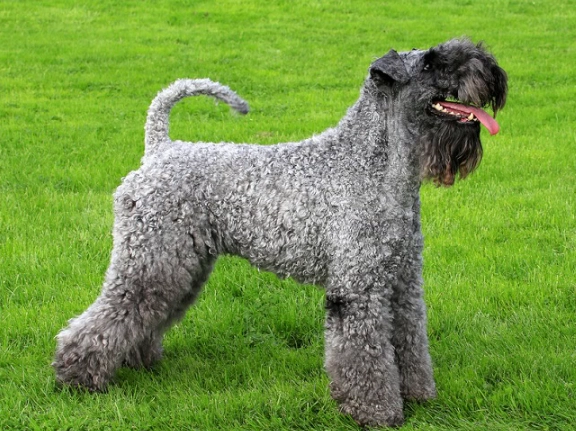
Where Did This Blue Dog Come From? A Dash of History
Getting Real About the Kerry Blue Terrier Temperament
The Grooming Elephant in the Room
The At-Home Kerry Blue Grooming Kit
Keeping Your Kerry Blue Terrier Healthy
Training & Exercise: Channeling the Terrier Energy
The Real Cost of a Kerry Blue Terrier
Your Kerry Blue Terrier Questions, Answered
1) Ask you as many questions as you ask them.
2) Welcome you to visit their home and meet the dam (mother dog).
3) Show you health clearances for both parents (OFA hips, eye certs, CA test).
4) Have a contract that includes a health guarantee and requires you to return the dog to them if you can't keep it at any point in its life.
5) Be a wealth of knowledge and offer lifelong support.
Are Kerry Blue Terriers good family dogs?
They can be wonderful with older, respectful children who understand how to interact with dogs. They are sturdy and playful. However, they are not a patient breed for toddler poking and prodding. Supervision is always essential, and children must be taught to respect the dog's space, especially when eating or sleeping.
Can Kerry Blue Terriers live in apartments?
It's possible, but not ideal. They are energetic and have a loud, deep bark. Apartment life would require a very dedicated owner committed to multiple long walks and trips to parks or indoor play spaces every single day, regardless of weather. A house with a secure yard is a much better fit for their energy level.
Are they really hypoallergenic?
No dog is 100% hypoallergenic. Allergies are caused by a protein in dog dander (dead skin flakes), saliva, and urine. Because Kerry Blues shed very little hair, they spread less dander around the house, making them a better choice for some allergy sufferers. However, they still produce the allergen. The only way to know is to spend extended time with a few Kerry Blue Terriers before deciding.
How do I find a responsible Kerry Blue Terrier breeder?
Start with the national breed club. In the U.S., the United States Kerry Blue Terrier Club (USKBTC) has a breeder referral list. A good breeder will:
Should I consider a rescue Kerry Blue Terrier?
Absolutely. Breed-specific rescues are fantastic options. The USKBTC also supports rescue efforts. An adult dog from rescue often comes with a known personality, may already be trained, and you are giving a wonderful dog a second chance. Be prepared for the rescue to have a rigorous application process—they want to ensure the best match.
Comment