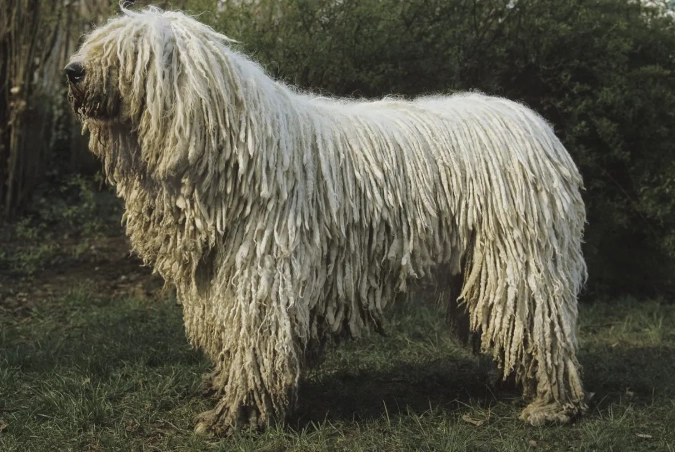
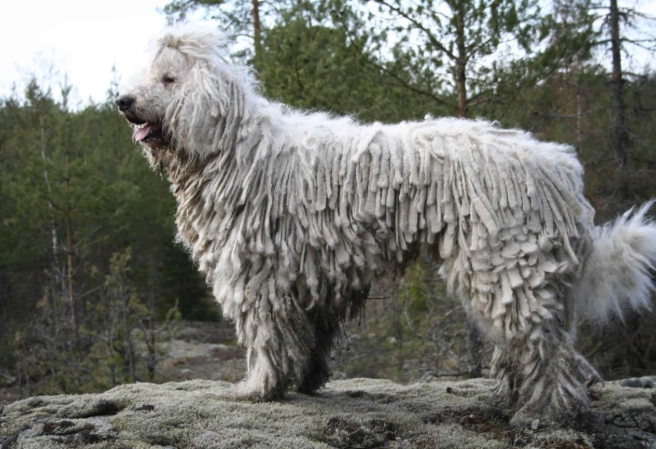
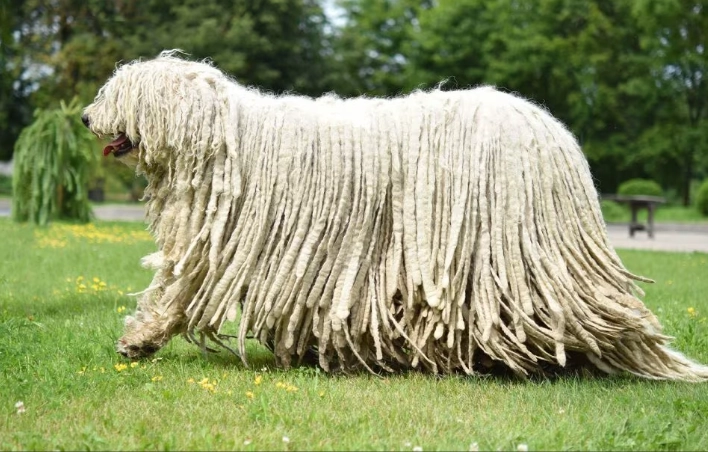
Let's be honest, the first time you see a Komondor, you probably do a double-take. Is that a dog? A giant, walking mop? Some sort of avant-garde floor cleaning device? That iconic corded coat, those dreadlock-like cords dragging on the ground, it's unlike anything else in the canine world. But behind that bizarre, attention-grabbing exterior lies one of the most serious, independent, and formidable working dogs ever developed. This isn't a dog you get because it looks cool (though it certainly does). This is a dog with a thousand-year-old job description written in its DNA: protect the flock at all costs. I remember talking to a seasoned Komondor owner at a rare breed show years ago. He looked at my fascination with his dog and said, point blank, "He's not a pet. He's a sovereign state that has chosen to coexist with me." That stuck with me. It perfectly captures the essence of the Komondor dog – an animal of immense dignity, profound intelligence, and a will that matches its size. So, if you're here because you're smitten by the look, or you have a serious need for a livestock guardian, or you're just incredibly curious about this Hungarian legend, buckle up. We're going to strip away the novelty of the cords and get into the real, gritty, challenging, and rewarding truth about living with a Komondor. That mop-like coat isn't a fashion statement; it's ancient body armor. The Komondor's history is shrouded in the mists of the Hungarian plains, but the prevailing theory, supported by linguistic and historical evidence, is that they descended from large, corded Russian sheepdogs (like the South Russian Ovcharka) brought to the Carpathian Basin by the Magyar tribes around a thousand years ago. The name itself is thought to derive from "Koman-dor," meaning "Cuman dog," referring to the nomadic Cuman people. Their job was brutal and simple: live with the flock. No cozy barns, no daily pats from the shepherd. They were out there 24/7, in blizzards and scorching sun, facing predators that wanted to eat their charges. That coat? Genius. The thick, felted cords provided insulation against extreme cold and heat. More importantly, they acted as padding—a wolf or bear biting into a mass of dense cords would find it nearly impossible to get a grip on the dog's actual skin. It was a natural suit of armor. The breed's independence was forged in this solitude. The shepherd couldn't micromanage a dog miles away. The Komondor had to assess threats, make decisions, and act—often with lethal force—completely on its own. This history is everything when understanding the modern Komondor. That aloofness, that wariness of strangers, that deep-seated need to patrol and protect a territory? It's not a bug; it's the core feature. The American Kennel Club's breed standard explicitly states its character is "imbued with a innate guarding instinct." They nearly vanished during World War II, as they were targeted for being valuable assets. Dedicated breeders in Hungary and a handful in the US (the first Komondor was imported to the US in the 1930s) worked tirelessly to rebuild the population. Today, they remain a rare breed, consistently ranking near the bottom of the AKC's registration statistics. That rarity is a blessing in disguise—it means they haven't been watered down by irresponsible breeding for the pet market. Okay, let's talk about the elephant in the room, or rather, the walking rug. The Komondor is a giant breed. There's no getting around it. The puppies are born with a soft, fluffy, curly coat. The cords begin to form naturally as the puppy coat sheds and the adult hair grows in and mats with the undercoat. This process usually starts between 8-12 months. Owners don't "make" the cords through some secret braiding technique; they facilitate the natural matting by separating the forming clumps of hair to prevent one massive, solid mat. It's a years-long process to achieve the full, ground-sweeping cords you see in show photos. And here's a practical reality check from someone who's seen it: a wet Komondor is a different animal. I mean that literally. That coat can absorb an astonishing amount of water. A post-rain or post-bath Komondor can easily double in weight, and take days to dry completely if not actively helped with blowers. Damp cords can develop a... distinctive odor. It's a logistical challenge you must plan for. This is the most critical section. Getting a Komondor for its looks while ignoring its temperament is the single biggest mistake one can make. It's like buying a fire truck because you like the color red, without considering your need to put out fires. With Family & "Flock": Profoundly loyal, calm, gentle, and deeply affectionate. They are often described as "nanny dogs" to children within their family, showing immense patience and a protective watchfulness. They form a tight, unbreakable bond with their people. With the Outside World: Aloof, suspicious, discerning, and formidable. A Komondor's default setting towards anything new—person, animal, or object—is cautious assessment. They are not inherently vicious, but they are inherently protective. They do not seek affection from strangers. Their job is to observe and judge threat levels. The independence is staggering. This is not a dog that lives to please you. It lives to protect you and its territory. Commands are often treated as suggestions to be considered. "Come!" might be met with a slow look that says, "I'm busy patrolling this perimeter. Your request is noted." Obedience training a Komondor is an exercise in negotiation and mutual respect, not domination. Their guarding is silent and serious. Unlike a German Shepherd that might bark a warning, a Komondor often positions itself between the threat and its charge, emitting a low, rumbling growl that you feel in your bones. It's incredibly effective and more than a little intimidating. They have a strong sense of property lines and will patrol them relentlessly. Socialization is not optional; it's a lifelong, critical necessity. It doesn't mean making your Komondor love everyone. It means carefully and positively exposing them from puppyhood to a wide variety of sights, sounds, people (in controlled settings), and situations so they learn what is normal and what is a genuine threat. Poorly socialized or improperly trained, a Komondor's natural protectiveness can become generalized fear or aggression. The Komondor Club of America emphasizes responsible ownership and provides crucial resources for breeders and owners. Let me be blunt: if you have frequent guests, enjoy backyard barbecues with friends, or have a revolving door of service people, a Komondor will be a constant source of stress. For them, every new person is a potential breach in security. It's exhausting to manage. You can't talk about Komondor care without dedicating serious time to grooming. Forget brushing. The coat maintenance is entirely about managing the cords. I'll give you my personal take: the grooming is a dealbreaker for most normal people. It's a part-time job. You either embrace it as a meditative bonding ritual or you will come to resent it deeply. Komondors are not high-energy dogs in the sense of needing 10-mile runs. They are endurance dogs. Their exercise needs are best met by having a large, securely fenced area (6-foot minimum, as they can be climbers) where they can patrol and lounge at their leisure. Long, leashed walks are good for mental stimulation. Training is where you earn your stripes. Start early, be consistent, and use positive reinforcement. Harsh methods will backfire spectacularly—you'll either break their spirit or ignite a stubborn defiance. Focus on the non-negotiables: recall (as good as it can be), loose-leash walking, and a solid "leave it." Socialization, as mentioned, is your most important training task. They are intelligent but not necessarily "obedient" in the classic sense. They solve problems. I've heard stories of Komondors learning to open gate latches, not out of mischief, but because the latch was between them and something they felt needed monitoring. Generally a robust breed, but like all large dogs, they are prone to certain conditions: Proactive veterinary care with a vet who understands giant breeds and unique coats is a must. Ask yourself these questions honestly: If you answered "no" to any of these, a Komondor is likely not for you. And that's perfectly okay. Admiring them from afar is a valid and responsible choice. The Komondor is a living piece of history, a majestic, self-possessed creature that challenges our modern notion of what a dog "should" be. They are not designed for our convenience. They are a testament to a specific, demanding partnership between human and canine. Owning one is a profound commitment. It's messy, time-consuming, and requires a level of psychological understanding that goes far beyond "sit" and "stay." The rewards, however, are equally profound for the right person: the unwavering loyalty, the quiet confidence, the deep bond with an animal that chooses to work with you, not for you. If you can provide the space, the purpose, the patience, and the respect this ancient guardian demands, you won't just have a pet. You'll have a partner, a protector, and a walking reminder of a time when dogs were not just companions, but essential, sovereign allies. But if your life doesn't align with the Komondor's immutable needs, admire the cords in photos, and choose a breed whose purpose matches your lifestyle. There's a perfect dog for everyone, but the majestic, mop-like Komondor is only perfect for a very specific few.Quick Navigation
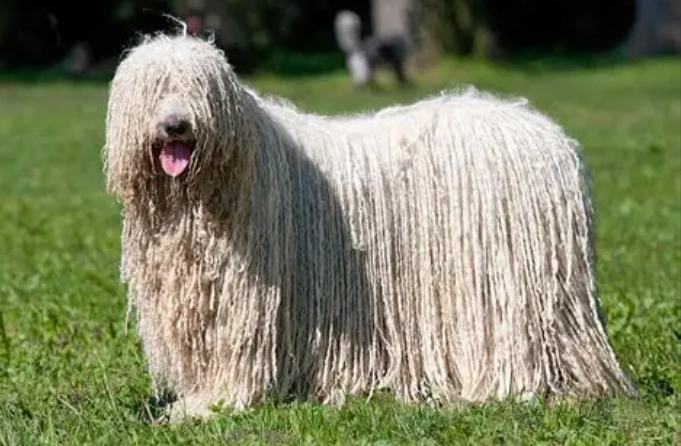
History & Origin: More Than Just a Funny Look
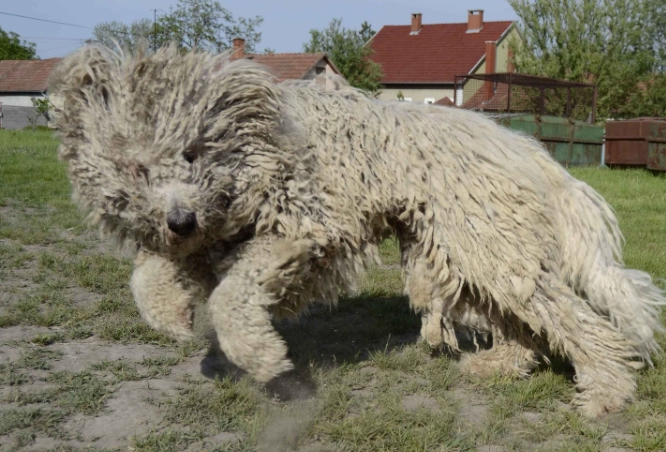
Komondor Appearance & Size: The Stats on the Mop
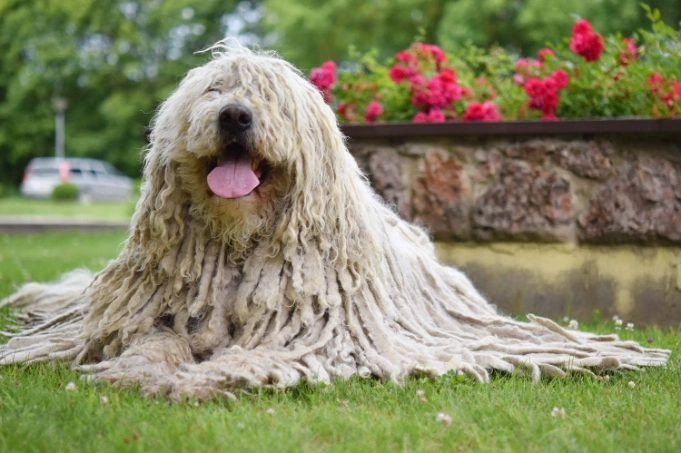
Komondor Personality & Temperament: The Guardian Mindset
The Komondor Temperament: A Duality
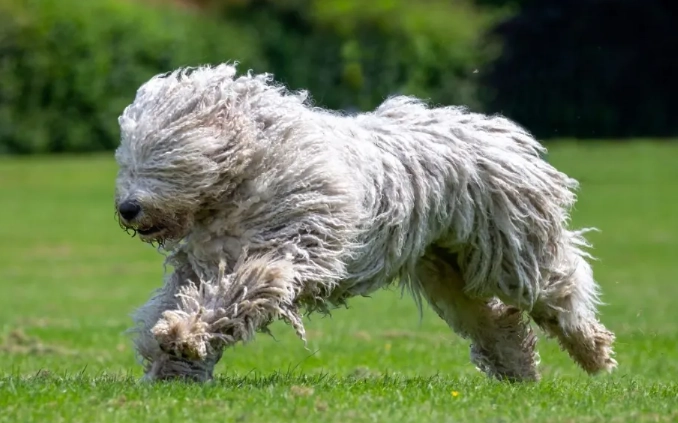 This breed demands respect, not just from people, but from other animals.
Living with a Komondor: Care, Training, and Daily Reality
Grooming: The 800-Pound Gorilla in the Room
Training & Exercise: Mind Over Matter
Health Considerations
Is a Komondor the Right Dog for You? The Honest Checklist
Komondor FAQs: Answering Your Burning Questions
Final Thoughts: A Breed to Respect, Not Just Own
 That owner at the dog show was right.
Bottom Line Up Front: The Komondor (pronounced KO-mon-dor) is a massive, muscular Livestock Guardian Dog (LGD) from Hungary. Bred for centuries to guard sheep and cattle from wolves and bears independently, they are fiercely loyal, incredibly protective, stubborn, and require an owner who understands canine psychology, not just basic obedience. Their famous corded coat is a high-maintenance marvel that serves a functional purpose. This is not a breed for novice dog owners, apartment dwellers, or those seeking a cuddly, compliant companion.
A note on cost: Everything is bigger. Food bills, medication doses, grooming supplies, crates, beds, veterinary bills. Be financially prepared for the scale of everything.
Q: Are Komondors good family dogs?
A: With proper socialization and training, they can be excellent, devoted family dogs for the right family. They are gentle with their own children. However, their size and power mean interactions with small children must always be supervised. Their protective nature also extends to the kids, which can be problematic if the child has friends over.
Q: How much does a Komondor puppy cost?
A: From a reputable breeder who health tests and focuses on temperament, expect $2,500 to $4,000 or more. The rarity and small litter sizes (often 4-6 puppies) drive the price. Never buy from a puppy mill or backyard breeder exploiting the breed's unusual looks. A poorly-bred Komondor is a potential disaster.
Q: Can Komondors live with other pets?
A: It's highly situational. They were bred to guard livestock, so they often do well with other animals they are raised with and consider part of their "flock." However, their high prey drive and territorial nature mean introducing a new adult dog or a cat to an adult Komondor can be very risky. Same-sex aggression is not uncommon.
Q: Do they shed?
A: In a traditional sense, no. The shed hair gets trapped within the forming cords. However, when you separate the cords, a fair amount of loose hair will come out. You're not finding hair on your furniture, but you're dealing with it directly during grooming.
Q: Are they hypoallergenic?
A: No dog is truly hypoallergenic. While they don't shed dander into the air like a typical dog, the cords can trap dander, pollen, and mold, which can be problematic for allergy sufferers. Do not get a Komondor assuming it will be allergy-friendly.
Comment