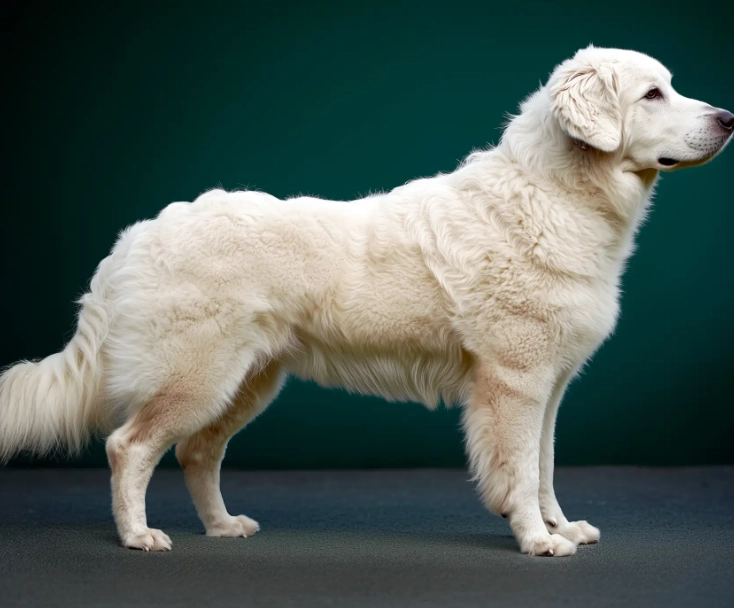
Let's talk about the Kuvasz. You've probably seen a picture—a massive, elegant, all-white dog with a noble expression. Maybe it looked like a cloud with legs, or a polar bear that decided to live in your house. But there's so much more to this breed than just a pretty face. I remember the first time I met one in person at a dog show. It wasn't just its size that was impressive (and trust me, they are big), but the calm, watchful intensity in its eyes. This wasn't a dog that was eager to please everyone; it was assessing the situation, quietly confident. That's the Kuvasz in a nutshell. If you're here, you're likely past the "oh, what a beautiful dog" phase and are asking the real questions. Is a Kuvasz a good family dog? Can I handle one in an apartment? How bad is the shedding, really? And what's with this "independent guardian" personality everyone talks about? This guide is for you. We're going to dig deep, past the breed club descriptions, and talk about what living with a Kuvasz is actually like—the glorious, the challenging, and the downright hairy. To understand the modern Kuvasz, you have to go back. Way back. Their history isn't just a neat fact for a breed profile; it's the blueprint for their entire being. The breed's name is believed to derive from a Turkish word, "kavas," meaning armed guard or protector. They didn't arrive in Hungary as pampered pets. They came with Magyar tribes over a thousand years ago as working partners, guardians of life and property on the vast, open plains (the Puszta). Their job was brutally simple: stay with the sheep, 24/7, and deal with any threat. No farmer was out there at 2 AM giving commands. The Kuvasz had to make its own decisions. Is that shadow a wolf? Is that approaching stranger a friend or a thief? This required immense intelligence, courage, and a strong independent streak. They weren't bred to work closely with humans in the field like a Border Collie; they were bred to work for humans, but largely on their own. This foundational history is the single most important key to their temperament. Later, they found favor in the Hungarian royal court as guardians and hunting companions, which perhaps polished their regal bearing but didn't soften their core purpose. The breed nearly faced extinction after World War II but was painstakingly rebuilt by dedicated breeders. Today, organizations like the American Kennel Club (AKC) and the Fédération Cynologique Internationale (FCI) maintain the official breed standard, preserving the essential characteristics of this ancient guardian. Every part of the Kuvasz has a purpose. This isn't just aesthetics; it's functional design honed over centuries. First, the size. They are substantial. Males typically stand 28 to 30 inches at the shoulder, and females 26 to 28 inches. Weight can range from 70 to 115 pounds, with males on the heavier end. They are not bulky mastiffs, though. They have a rectangular build—slightly longer than tall—which gives them a balanced, athletic look suited for endurance and sudden bursts of speed. The coat is a signature feature. It's a double coat: a dense, wooly, fine undercoat for insulation, and a longer, coarser, wavy to straight outer coat. The color is always white. Always. This wasn't for fashion. A white dog moving among white sheep was camouflaged from predators. At night, a shepherd could easily distinguish the white Kuvasz from a dark-colored wolf or bear. The coat is weather-resistant and, let's be honest, a commitment. We'll get to grooming in a bit. The head is distinctive—wedge-shaped, with a moderate stop. The eyes are almond-shaped and dark brown, offering that characteristic keen, somewhat distant expression. The ears are V-shaped, set high, and hang close to the head. The tail is long, carried low with an upward curve at the tip when alert or moving. This is the make-or-break section for most potential owners. The Kuvasz personality is magnificent, but it is absolutely not for everyone. Let's start with loyalty. A Kuvasz doesn't just love its family; it is devoted to them with a profound, quiet intensity. They form a deep bond and see their people—and their home, car, yard—as their flock to protect. This is not an abstract concept. It's a hardwired instinct. They are often wonderfully gentle and patient with children within their family, viewing them as the most vulnerable members of the flock. I've heard owners describe them as "nanny dogs" in the best sense, always aware of where the kids are. But here's the critical flip side: that same protective instinct extends to a deep-seated wariness of strangers. A Kuvasz is not typically a gregarious, meet-and-greet dog at the park. They are aloof and reserved with people they don't know. This isn't aggression; it's assessment. They need time to decide if a new person is okay. This can manifest as barking, standing between you and the stranger, or simply watching intently. Without proper, extensive socialization from a very young age, this wariness can tip into suspicion or territorial aggression. It's their job. Then there's the independence. Remember the history? This dog was bred to make its own decisions. That translates to a canine that is highly intelligent but not necessarily eager to obey commands for the sake of it. They ask, "Why?" They consider if your request makes sense in their guardian worldview. This can be mistaken for stubbornness, but it's really problem-solving intelligence. It means training a Kuvasz is different from training a Labrador. It requires patience, consistency, and a foundation of mutual respect. You can't bully them; you have to convince them that cooperating with you is a good idea. They are generally calm and quiet in the home, not prone to nervous energy. But when they perceive a threat, their bark is deep, loud, and authoritative—more than enough to make anyone think twice. Okay, so you're intrigued by the temperament. What does day-to-day life actually entail? Let's get practical. A Kuvasz is not a border collie that needs 3 hours of intense running. But they are a large, athletic breed bred for patrolling vast areas. A couple of short walks around the block won't cut it. They need sustained, moderate exercise to stay physically and mentally healthy. Think long walks (45-60 minutes), hikes, or secure off-leash time in a very large, fenced area where they can patrol and explore. Mental stimulation is just as crucial. Puzzle toys, nosework games, and training sessions that engage their brain are essential to prevent boredom, which can lead to destructive behaviors. A bored Kuvasz is a creative Kuvasz. And you might not like their creative projects, which could involve redesigning your sofa or excavating your garden. Let's not sugarcoat this: the Kuvasz coat is high-maintenance. That beautiful white fluff sheds. A lot. And it mats if you're not diligent. Many owners swear by professional grooming help every few months, especially for de-shedding treatments. Puppy kindergarten and ongoing obedience classes are not optional for a Kuvasz; they are a necessity for socialization and building a communication framework. Start the day you bring your puppy home. Socialization is Paramount: This means carefully and positively exposing your Kuvasz puppy to a vast array of people, places, sounds, and other animals before they reach social maturity (around 12-18 months). The goal is to build their confidence and teach them that the world is not full of threats. The American Veterinary Society of Animal Behavior (AVSAB) has excellent resources on the critical importance of early socialization. A well-socialized Kuvasz is a manageable, confident guardian. An undersocialized one can become fearfully aggressive or overly reactive. Training Philosophy: Use positive reinforcement methods—treats, praise, play. Harsh corrections or dominance-based training will backfire spectacularly with this sensitive, proud breed. They will shut down or become resentful. Focus on building a strong recall (a lifesaving command), a solid "leave it," and polite leash manners. Remember the independence: keep training sessions short, fun, and rewarding. They may not work for praise alone; find a high-value treat they love. Feed a high-quality, large-breed puppy food to a Kuvasz puppy to support controlled growth and then transition to a premium adult formula. They are not usually gluttons, but portion control is key to preventing obesity, which is hard on giant breed joints. Discuss specific nutritional needs with your veterinarian. Like all purebred dogs, the Kuvasz is prone to certain hereditary health conditions. Reputable breeders test their breeding stock to minimize these risks. Key conditions to be aware of include: With excellent care, nutrition, and genetics, a Kuvasz lifespan is typically 10 to 12 years, which is good for a giant breed. Don't just fall for the looks. Ask yourself these questions honestly. If you've read this far and are still interested, the next step is finding your dog. Do not cut corners here. A poorly-bred Kuvasz is a potential disaster due to temperament and health issues. Reputable Breeders: Start with the national breed club. In the U.S., that's the Kuvasz Club of America (KCA). Breeders listed through the club adhere to a code of ethics. They health test their dogs (hips, elbows, eyes, thyroid), socialize their puppies, and will ask you as many questions as you ask them. They are a resource for life. Expect to be on a waiting list and pay a premium price—this reflects the cost of responsible breeding. Rescue: There are Kuvasz-specific rescues, such as those affiliated with the KCA. Adopting an adult dog can be wonderful—you often get a clearer sense of their personality and may skip the destructive puppy phase. However, be prepared to work through potential issues from a past life, like incomplete socialization or unknown health history. Rescue organizations work hard to match dogs with suitable homes. The Kuvasz is not a dog for the faint of heart or the casual owner. They are a commitment in every sense—time, money, energy, and emotion. The grooming is relentless, the training requires a Zen-like patience, and that independent streak can be frustrating. But for the right person or family, there is nothing else like them. The loyalty is absolute. The sense of security they provide is profound. Watching a Kuvasz move with graceful power across a field, or feeling them rest their heavy head on your lap with complete trust, is a special experience. They are a living piece of history, a majestic guardian whose love, once earned, is unwavering. Do your homework. Meet the breed in person, talk to multiple owners and breeders, and be brutally honest with yourself about your lifestyle. If you pass the test, a Kuvasz might just be the most rewarding canine partner you'll ever have. If not, there's no shame in admiring this magnificent breed from afar. They deserve owners who truly understand what they are signing up for.Quick Guide
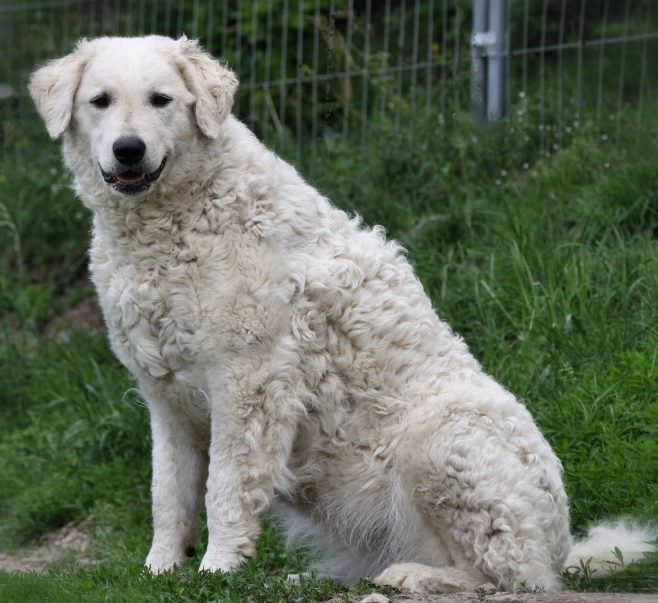
From the Hungarian Plains to Your Home: A Storied History
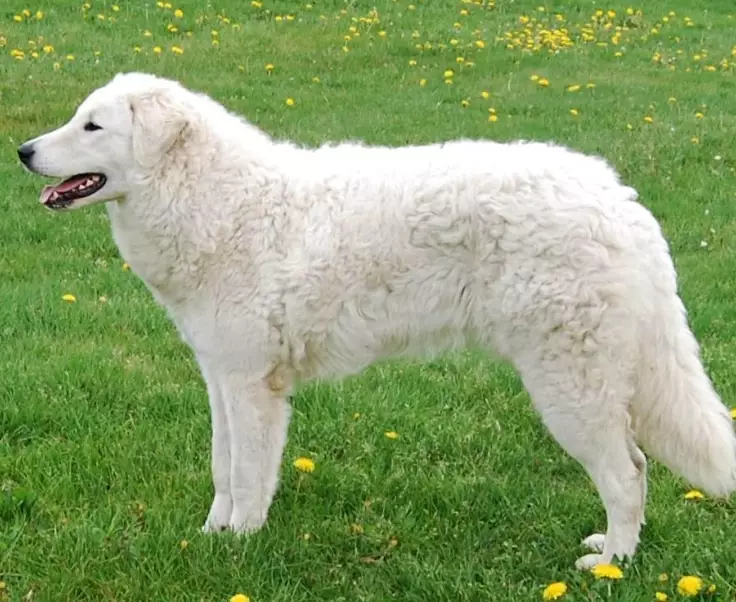
What Does a Kuvasz Look Like? Breaking Down the Anatomy of a Guardian
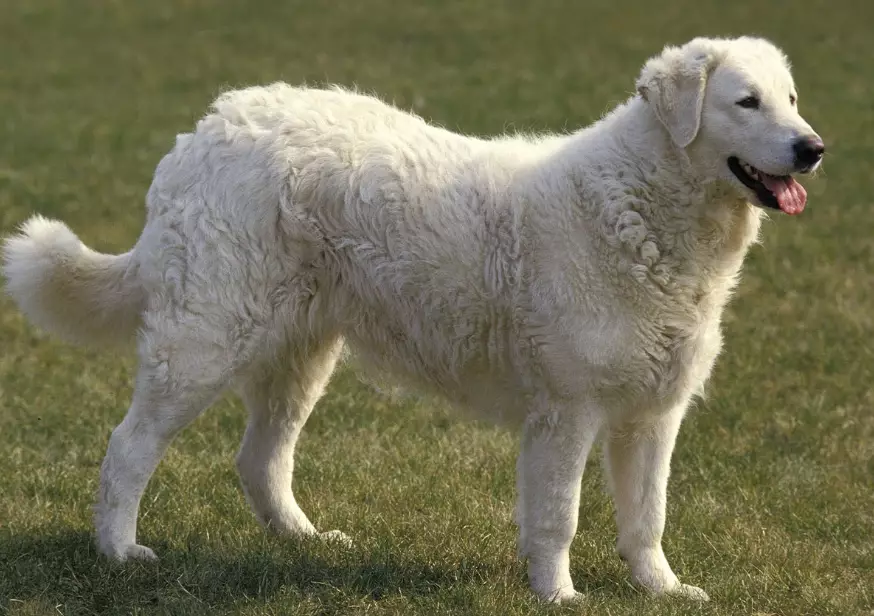
Kuvasz Breed Standard at a Glance
Feature Description (Per AKC Standard) Functional Reason Size 28-30 inches (male), 26-28 inches (female) Imposing presence to deter predators. Weight 70-115 lbs Power and strength to confront threats. Coat Double coat; medium length, wavy to straight. White for camouflage; double for insulation in all weather. Color White. Ivory or very pale biscuit shading acceptable. Camouflage with sheep; easy identification at night. Head Wedged-shaped, moderate stop. Balanced for good field of vision and protection. Expression Intelligent, keen, alert, yet somewhat distant. Reflective of independent, watchful nature. The Kuvasz Temperament: Independent Thinker, Fiercely Loyal Protector
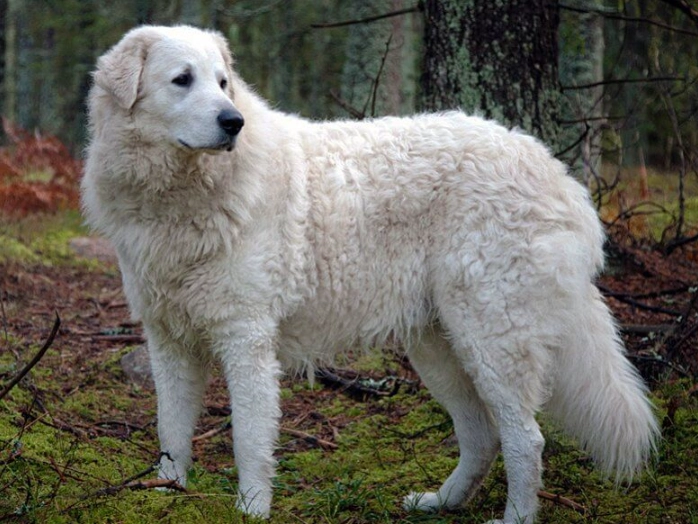
Living with a Kuvasz: The Daily Reality of Care and Training
Exercise Needs: Mind and Body
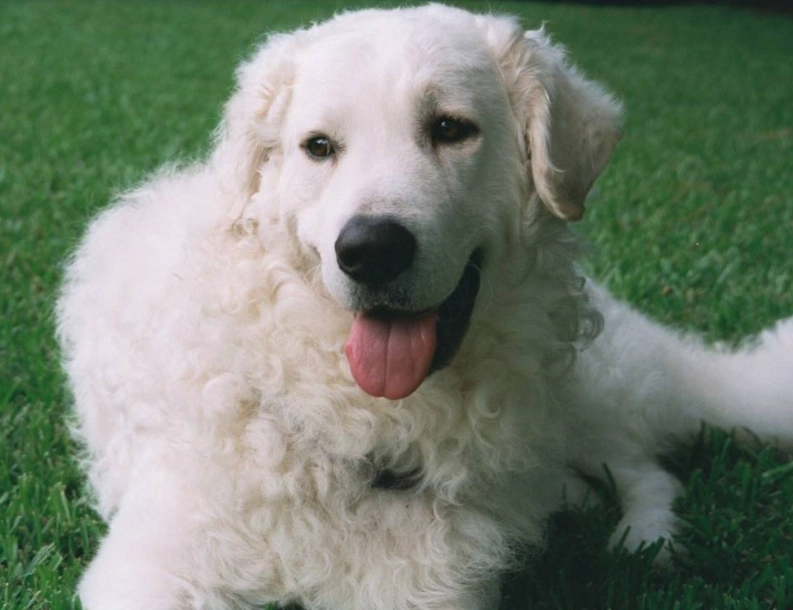
The Great White Fluff: Grooming Demands
Training Your Independent Guardian
Nutrition and Health Considerations
Is a Kuvasz the Right Dog for You? A brutally Honest Checklist
Finding a Kuvasz Puppy or Rescue
Your Kuvasz Questions, Answered (FAQ)
Final Thoughts
Quick Take: The Kuvasz (pronounced KOO-vahss or KOO-vahz) is a historic livestock guardian breed from Hungary. Bred for centuries to protect flocks from wolves and thieves without human direction, they are intelligent, courageous, and fiercely loyal to their family. They are not golden retrievers in a white coat; they are thinkers, watchers, and protectors first.
A Note on Size: People often see pictures and underestimate the physical presence of a Kuvasz. When a 100-pound dog decides it wants to lean against you or block a doorway, you feel it. Their size alone is a deterrent, but it also means you need space, a strong arm for leash training, and a budget for food and vet care suited to a giant breed.
Key Temperament Traits:
You SHOULD consider a Kuvasz if you:
You should probably NOT get a Kuvasz if you:
Are Kuvasz good with kids?
With their own family's children, they are often exceptionally gentle, patient, and protective. They seem to understand that kids are part of their "flock." However, their size is a risk for accidental knocks, and they may be wary of your children's friends, especially if they are running and screaming. Constant adult supervision is mandatory, and children must be taught to respect the dog's space, especially when eating or sleeping.
Are Kuvasz aggressive?
They are not inherently aggressive without cause. They are protective and reserved. Aggression typically stems from fear, poor socialization, or a perceived threat to their family. A well-bred, well-socialized, and properly managed Kuvasz is a confident deterrent, not an unpredictable attacker. However, their protective nature means they are more likely to act against a perceived threat than a more easygoing breed.
How much exercise does a Kuvasz need?
At least one good, long walk (45-60 minutes) per day, plus additional playtime or training in a secure area. They need both physical and mental exercise. They are not couch potatoes, but they are also not endurance athletes.
Can a Kuvasz live in an apartment?
It is strongly discouraged. They need space to move and a yard to patrol. Their size, energy, and deep bark make apartment living stressful for the dog and likely for you and your neighbors.
Do Kuvasz bark a lot?
They are not nuisance barkers, but they are alert barkers. They will bark to announce visitors, unusual noises, or anything they deem worthy of your attention. The bark is loud and carries. Training a "quiet" command is helpful, but you cannot eliminate this breed trait entirely.
Comment