Let's be honest. You probably saw a picture of one online. Those soulful eyes, that adorable curly coat that looks like a living teddy bear. Maybe you heard they're "hypoallergenic" or incredible truffle hunters. The Lagotto Romagnolo is having a moment, and it's easy to see why. But before you fall completely in love with the image, you need to know the whole story. This isn't just a cute dog; it's a working breed from Italy with a brain that doesn't quit and energy for days. I've talked to breeders, owners, and trainers. I've read the forums (the good and the rants). I've even spent time with a few of these curly-coated dynamos. This guide isn't a fluffy breed summary. It's a deep dive into what life with a Lagotto is actually like—the joys, the challenges, the endless grooming, and the question of whether this unique dog is right for you. The Bottom Line Up Front: The Lagotto Romagnolo is an intelligent, affectionate, and energetic medium-sized dog. They are known for their tight, woolly curls, keen nose, and loyal nature. They are not couch potatoes. They are not low-maintenance. They are thinkers, doers, and sometimes, expert finders of trouble if left bored. To understand the Lagotto of today, you have to go back to the marshes of Romagna, Italy. Their name literally gives it away: "Lagotto" comes from the Italian dialect word for "lake dog" ("cane da lago"), and Romagnolo means "from Romagna." For centuries, their job was retrieving waterfowl from the icy wetlands. That thick, curly coat? It's not just for looks. It's a waterproof, insulating suit perfect for diving into cold water. But history took a turn. As the marshes were drained for agriculture in the late 1800s, the Lagotto's original job faded. Luckily, someone noticed that incredible nose. The breed found a new, highly specialized purpose: hunting for precious truffles underground. This transition is key. It shifted their work from retrieving to diligent, focused searching. This ingrained a patient, persistent, and highly scent-driven mindset that modern Lagottos still possess. The breed almost vanished in the mid-20th century. Dedicated enthusiasts in Italy, like Quintino Toschi, worked to save and standardize them. The Italian Kennel Club (ENCI) recognized the breed, and later, the Fédération Cynologique Internationale (FCI) did the same. They're still relatively rare outside of Europe, but their popularity is growing fast, especially in North America. That working heritage isn't a cute footnote. It's the blueprint for their personality. You can't separate the modern Lagotto Romagnolo from its history as a busy, useful dog. Okay, let's get into the specifics. The Lagotto is a squarely built, medium-sized dog. They give off an impression of rustic strength, not elegance. This is the big one. The coat is dense, woolly, and forms tight ringlets or curls all over the body. It feels oily to the touch—that's the leftover waterproofing. Colors include off-white, solid brown (in various shades from orange to dark brown), brown roan, or orange roan. Some have white markings. Here's the thing nobody tells you clearly enough. That coat mats. It mats incredibly easily. If you don't brush it thoroughly and regularly (we're talking multiple times a week), it will turn into a solid, felted mess that can only be shaved off. This isn't a dog you can just run a brush over. You need to work down to the skin, section by section. Many owners opt for a professional groomer every 4-8 weeks to keep it in a manageable "puppy clip" length. And the "hypoallergenic" label? It's mostly true because they shed very, very little. The loose hairs get trapped in the curls. But no dog is 100% allergen-free. People allergic to dog dander (skin flakes) or saliva can still react to a Lagotto. Always spend time with one before committing if allergies are a concern. If you want an independent dog that does its own thing, look elsewhere. The Lagotto Romagnolo is a quintessential "Velcro dog." They form intense, devoted bonds with their family and want to be involved in everything you do. This can be incredibly endearing, but it also means they are prone to separation anxiety if not trained to be alone from a young age. They are smart. Sometimes too smart for their own good. They learn commands quickly, but they also learn how to open cabinets, solve puzzle toys in seconds, and figure out your weaknesses. This intelligence requires mental stimulation just as much as physical exercise. A bored Lagotto is a destructive Lagotto. They'll find a "job," like digging up your garden (maybe looking for truffles?), chewing baseboards, or barking at nothing. Common Owner Complaint: "He's so stubborn!" This is a frequent theme in owner groups. It's not really stubbornness; it's a combination of intelligence and sensitivity. They don't respond well to harsh, repetitive training. They can shut down or become willfully "deaf" if they're bored or feel pressured. Positive reinforcement, patience, and keeping training sessions fun and varied are absolutely essential. With their family, they are typically affectionate, playful, and gentle. They can be reserved or aloof with strangers, which makes them decent watchdogs—they'll alert you, but they're not guard dogs. Socialization is non-negotiable to ensure this wariness doesn't tip over into fearfulness or reactivity. How are they with kids and other pets? Generally good, especially if raised with them. Their herding background (from some lines) might mean they try to nip at running children's heels. Supervision is always key. They can have a high prey drive for small, fast-moving animals (squirrels, rabbits, sometimes cats), so careful introductions are needed. This is the practical stuff. The day-to-day reality. This is an active breed. A couple of short leash walks won't cut it. They need 60-90 minutes of purposeful activity daily. This should be a mix: Without this outlet, you will likely see behavior problems. Let's break down the grooming commitment with a table, because it's a lot: Generally a robust breed, but like all purebreds, they have some predispositions. Reputable breeders test for these. According to the American Kennel Club (AKC) and the Lagotto Romagnolo Club of America, key health concerns include: The average lifespan of a Lagotto Romagnolo is 14-16 years, which is excellent for a dog their size. I remember a breeder telling me, "The cheap puppy is the most expensive one." She was right. Paying more for a puppy from health-tested parents who have their titles (like in conformation or nose work) isn't just for show. It's your best insurance policy against heartbreak and massive vet bills down the line. Do the homework. Start the day you bring your puppy home. Socialization (exposing them positively to all sorts of people, places, sounds, and other animals) before 16 weeks is arguably the most important training you will ever do. Use positive reinforcement. Treats, praise, play. Keep sessions short (5-10 minutes) and fun. They get bored with repetition. Focus on the basics first: name recognition, sit, down, come, loose-leash walking, and a solid "leave it." Given their intelligence and energy, I strongly recommend pursuing a dog sport or activity. It gives them a purpose and strengthens your bond. Great options include: Let's make this simple. This breed is NOT for everyone. The Ideal Lagotto Owner: An active person or family who wants a canine partner, not just a pet. Someone who enjoys training, doesn't mind a bit of mud, has the time and budget for consistent grooming, and is home a good amount. They're great for people who want to get into dog sports. Think twice if: You work long hours away from home, want a low-maintenance dog, prefer a calm, quiet companion, or get frustrated easily with a willful streak. Apartments can work if you are fanatical about providing enough exercise and mental work, but a home with a secure yard is better. Here are the questions I see pop up again and again from potential owners. It depends. A highly motivated, research-oriented first-time owner who is committed to training classes, socialization, and providing ample activity can succeed. However, their intelligence, energy, and grooming needs make them a more challenging first dog than, say, a Cavalier King Charles Spaniel or a Labrador from a calm line. Be brutally honest with yourself about your lifestyle. From a reputable breeder who does full health testing on the parents, titles them in something (conformation, work, etc.), and raises the puppies in their home with early neurological stimulation, expect to pay between $2,500 and $4,000 USD. Prices can be higher for specific bloodlines. Significantly lower prices are a major red flag. They can be vocal. They often bark to alert, out of boredom, or during play. This is not a quiet breed. Training a "quiet" cue from puppyhood and ensuring their needs are met can manage it, but you likely won't eliminate it entirely. It's possible but uncommon due to their rarity. Breed-specific rescues exist, like the Lagotto Romagnolo Rescue Foundation in North America. Adopting an adult dog can be a wonderful experience and may bypass the intense puppy phase, but be prepared to work through any unknown history or behavioral issues. They look similar but are different breeds with different histories. Poodles (Standard, Miniature, Toy) were also water retrievers but were later bred for companionship and show. Lagottos were specifically bred for truffle hunting. Temperamentally, Poodles are often described as more "elegant" and sometimes more aloof with strangers, while Lagottos have a more "rustic," intense working drive. Both are brilliant and need grooming. First, don't punish them. They're probably bored or following a scent (insects, rodents). Provide a designated digging pit (a sandbox) and bury toys/treats in it to make it more appealing than your garden. Increase their mental and physical exercise. It's a sign their needs aren't being fully met. In the end, it's about fit. The Lagotto Romagnolo is an extraordinary dog for the right person. They are loving, funny, engaging, and endlessly interesting. But they are a commitment—a commitment to grooming, to activity, to training, and to engaging their brilliant minds. If you can meet that commitment, you'll have an unparalleled companion. If not, the relationship will be stressful for both of you. Do your research. Meet breeders and their dogs. Talk to owners. Be critical about your own life. If it lines up, you might just find your perfect, curly-haired partner in adventure.Quick Guide
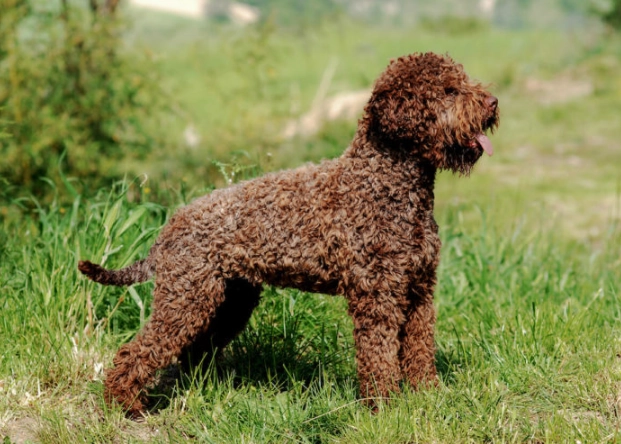
From Waterfowl Retriever to Truffle Hunter: A History That Shaped the Breed
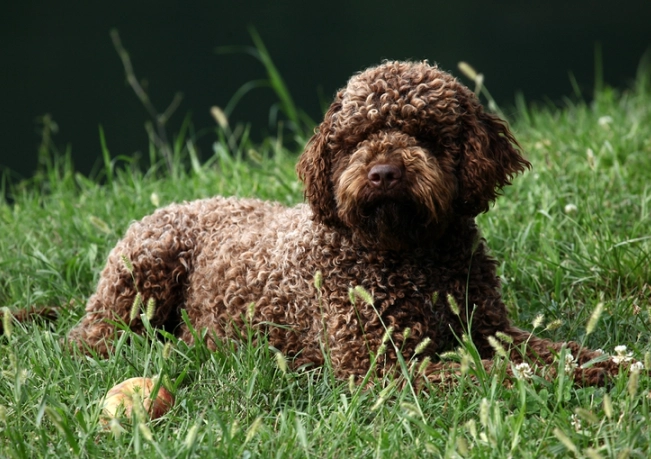
What Does a Lagotto Romagnolo Look and Act Like?
The Coat: Their Signature and Your New Hobby
Temperament: The Energetic, Velcro Thinker
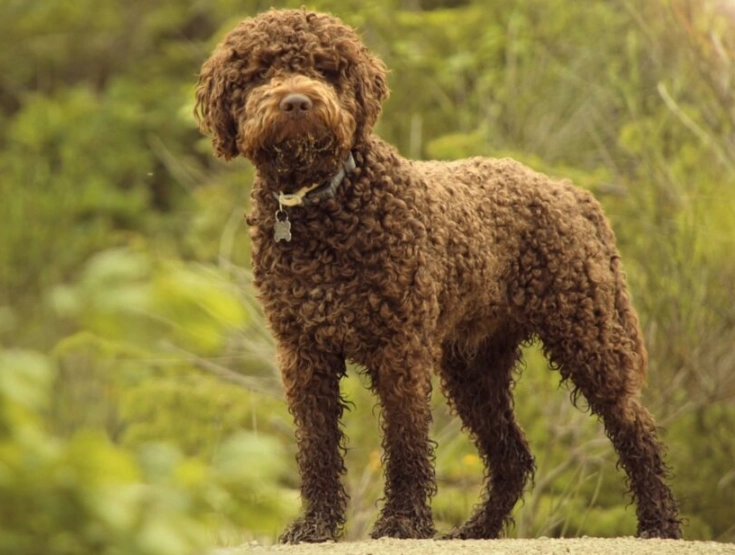
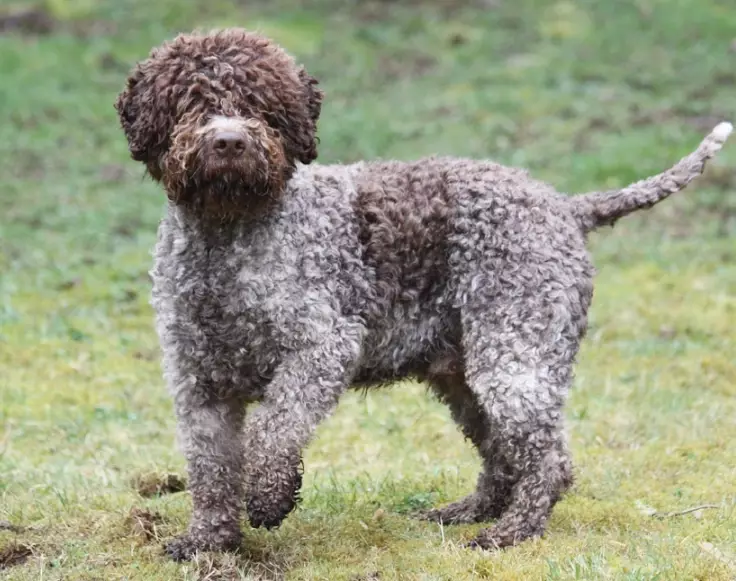
Living with a Lagotto: Care, Health, and Training
Exercise Needs: More Than a Walk Around the Block
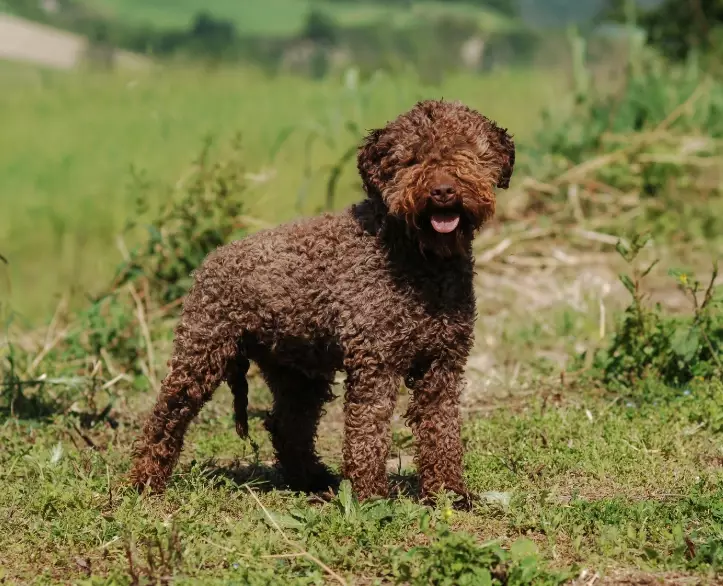
Grooming: The Non-Negotiable Routine
Task
Frequency
Details & Tips
Brushing/Combing
2-3 times per week (minimum)
Use a slicker brush AND a metal comb. Work in sections down to the skin to prevent mats. Pay special attention behind ears, armpits, and the groin.
Professional Grooming
Every 4-8 weeks
Most owners keep the coat in a short, even "puppy clip" for manageability. Hand-stripping is the traditional method but is rare; clipping is standard.
Bathing
Every 4-6 weeks, or as needed
Use a dog-specific shampoo. Their oily coat can get dirty and hold odor. Ensure the coat is completely brushed out BEFORE the bath, as water will tighten any existing mats.
Ear Cleaning
Weekly
Floppy, hairy ears are prone to infections. Check and clean with a vet-approved solution.
Nail Trimming
Every 2-3 weeks
Active dogs may wear nails down, but check regularly.
Health: What to Watch For

Training Your Lagotto Romagnolo

Is a Lagotto Romagnolo the Right Dog for You?
Your Lagotto Romagnolo Questions, Answered
Are Lagotto Romagnolos good for first-time dog owners?
How much does a Lagotto Romagnolo puppy cost?
Do they bark a lot?
Can I get a Lagotto from a rescue?
What's the difference between a Lagotto and a Poodle?
My Lagotto is digging up my yard! What do I do?
Lagotto Romagnolo Guide: Truffle Dog Temperament, Grooming & Care
Comment