Let's be honest, you probably stumbled upon a picture of this little dog with its pointy ears, alert expression, and that charming black and tan coat (or sometimes liver and tan) and thought, "What on earth is that?" It looks a bit like a mini German Shepherd mixed with a Corgi, but with a personality all its own. That's the Lancashire Heeler for you—a breed that flies under the radar but captures hearts once discovered. I remember the first time I saw one at a local dog show. It wasn't in the main ring; it was just trotting beside its owner, head held high, with this incredible "look at me" confidence that seemed huge for its small frame. I had to ask what it was. That started a rabbit hole of research and conversations with owners that led me here. This isn't just a list of facts from a kennel club website. This is the real, down-to-earth guide I wish I'd had when I first got curious. If you're searching for "Lancashire Heeler" because you're considering bringing one home, or you just want to know more about this rare gem, you're in the right spot. We're going to dig into everything: where they came from, what they're really like to live with (the good and the not-so-good), their health, their needs, and whether your life is the right fit for theirs. No fluff, just the straight talk you need. You can't understand a herding dog without knowing its job. The Lancashire Heeler's story starts in, you guessed it, Lancashire, England. We're talking centuries back. They weren't bred for fancy shows; they were working dogs, through and through. Their primary job? Driving cattle to market. Hence the name "Heeler"—they'd nip at the heels of cows to keep them moving. But that wasn't all. They were also expert ratters, keeping farms and homes free of vermin. Think of them as the ultimate multi-purpose farmhand. The breed's exact origins are a bit murky, which is common for old working breeds. Most experts, including the UK Kennel Club, suggest they likely came from crossing local Manchester Terriers (for their tenacity and ratting skill) with Welsh Corgis (for their low-to-the-ground herding style and stamina). The result was a tough, intelligent, and agile dog that could work all day. It's a classic story of a working breed almost fading away as machinery replaced farm jobs. By the mid-20th century, the Lancashire Heeler was rare. Credit goes to a few dedicated breeders in the UK who worked to preserve the breed. They were officially recognized by the UK Kennel Club in 1981 and by the American Kennel Club much more recently, just in 2024, where they entered the Herding Group. That recent AKC recognition is a big deal—it's putting this once-obscure breed on the map in a major way. Forget frills. The Lancashire Heeler is all about functional, clean lines. According to the official breed standard, they are a small, powerful, and athletic dog. They should look capable, not delicate. Size: They're truly a small dog. Males stand about 12 inches at the shoulder, females slightly less. Weight is typically between 13 to 17 pounds. It's a dense, muscular weight, though. You pick one up and you feel its solidity. Coat & Color: This is a defining feature. They have a short, smooth, and dense double coat designed to withstand bad weather. The topcoat is harsh, the undercoat is soft. Colors are strictly black and tan or liver (a rich brown) and tan. The tan markings are specific: on the cheeks, above the eyes, on the legs, chest, and under the tail. That "black and tan" pattern is iconic and contributes to that expressive, almost fox-like face. Head & Expression: Their head is a wedge shape with a strong muzzle. The eyes are oval, medium-sized, and dark, giving a keen, intelligent, and alert look. The ears are a standout feature—they're erect, slightly pointed, and very mobile, swiveling to catch every sound. It's like they have their own radar dishes. Build: They are slightly longer than they are tall, with a level back and a well-spring ribcage. The tail is traditionally docked in countries where it's still permitted (for historical working reasons), but natural tails are becoming more common and are carried in a cheerful curve. Their legs are straight and strong, ending in neat, cat-like feet. This is where the rubber meets the road. You can fall in love with a picture, but you have to live with the personality. The Lancashire Heeler temperament is a fascinating, sometimes challenging, mix. They are not a generic "easy" small dog. Intelligent and Alert: Sharp as a tack. A Lancashire Heeler learns commands quickly and is always aware of its surroundings. This makes them excellent at dog sports like agility, obedience, and rally. They need their brain exercised as much as their body. Affectionate and Loyal: With their family, they are deeply devoted. They form strong bonds and often choose one person as their absolute favorite. They love to be involved in whatever you're doing, whether it's gardening, working from home, or watching TV. Energetic and Playful: They have a seemingly endless reserve of energy for play and adventure. A good game of fetch or a brisk walk is pure joy for them. That herding drive often translates into a love for chasing balls or frisbees. Confident and Fearless: Don't let the size fool you. They have a big-dog attitude. This served them well when facing down cattle or rats, and it means they aren't typically nervous or skittish. Strong-Willed and Independent: That intelligence comes with a side of stubbornness. They were bred to think for themselves while herding, not just blindly obey. If they don't see the point in your command, they might just ignore you. Training requires patience, consistency, and making it worth their while (treats are your friend). High Prey Drive: Remember the ratting history? It's still there. Squirrels, rabbits, cats (if not properly introduced), and even small, fast-moving objects can trigger an intense chase instinct. A secure fence is non-negotiable, and recall training is a lifelong project. Vocal Tendencies: They are alert barkers. Someone at the door? A strange noise? They'll let you know. Loudly. This can be a great watchdog trait, but it can become nuisance barking if not channeled properly. Potential for Nipping/Herding Behavior: The heel-nipping instinct can manifest with children or even adults running around. It's not aggression; it's hardwired herd-management behavior. It needs to be redirected from a young age onto appropriate toys. Okay, so the personality sounds like a match (or a fun challenge!). What does caring for one actually entail day-to-day? This is the most critical need. A Lancashire Heeler needs substantial daily exercise. We're talking 45 to 60 minutes of active time minimum. This shouldn't just be a slow stroll. They thrive on: I've spoken to owners who say their Heeler is calm and settled in the house only after a solid morning run and an evening training session. It's that level of commitment. Here's a break. Their short coat is low-maintenance. A weekly brush with a rubber curry brush or a bristle brush is enough to remove dead hair and distribute skin oils. They do shed, especially during seasonal changes (spring and fall), so you'll need to brush more frequently then. Bathe only when necessary. Regular nail trims, ear checks, and teeth brushing round out the routine. Honestly, grooming is the easy part with this breed. This cannot be overstated. Early and ongoing socialization is crucial for a well-adjusted Lancashire Heeler. Expose them positively to all sorts of people, dogs, sights, and sounds during their critical puppy period (up to about 16 weeks). Puppy kindergarten classes are fantastic. Training should be positive, reward-based, and interesting. They get bored with endless repetition. Use variety, play, and high-value treats. Focus on essential commands like recall (come), leave it, and a solid "settle." Because of their intelligence, they excel at learning tricks, which is a great way to bond and tire them out mentally. Generally, they are a robust and healthy breed with a lifespan of 12 to 15 years, sometimes longer. However, like all purebred dogs, they can be prone to certain genetic conditions. A responsible breeder will test their breeding stock for these issues. The main health concerns to be aware of include: When talking to a breeder, don't be shy about asking for proof of health clearances for both parents. It's not rude; it's responsible. A good breeder will be proud to share this information. Let's cut to the chase. This breed isn't for everyone. To see if you're a potential match, run through this honest checklist. Because they are a rare breed, finding one requires patience and diligence. This is the most common route for getting a puppy. Expect to be on a waiting list. A good breeder will interview you as much as you interview them. Start with the national breed club. In the US, the United States Lancashire Heeler Club (USLHC) is the official AKC parent club and has a breeder referral list. In the UK, contact the Kennel Club. Red Flags in a Breeder: They have multiple litters available at once, they won't let you meet the mother dog, they don't ask you any questions, they don't provide health clearances, they want to meet in a parking lot, or they only accept cash. While less common, Lancashire Heelers do sometimes end up in rescue, often because an unprepared owner couldn't meet their high needs. The USLHC also has a rescue network. Checking Petfinder or Adopt-a-Pet.com and setting an alert for the breed is worth a try. Adopting an adult dog can be wonderful—you often get a clearer sense of their personality. They can be, but with important caveats. They are best with older, respectful children who understand how to interact with dogs. Their herding instinct can lead to nipping at running, squealing little ones. Supervised interactions and teaching kids how to behave are key. For families with calm, dog-savvy older kids, a Heeler can be a fantastic, playful companion. They are moderate shedders. That short coat isn't hypoallergenic. You'll find hair on your clothes and furniture, especially during the biannual "blow" of their undercoat. Weekly brushing helps manage it, but if you're looking for a zero-shed dog, this isn't it. It's possible, but far from ideal. The apartment itself isn't the problem; the lifestyle is. If you live in an apartment but are a marathon runner, hiker, or avid dog sport enthusiast who can provide multiple hours of intense outdoor activity every single day, then maybe. But if your apartment life is more sedentary, a Heeler will likely become frustrated, barky, and destructive. A house with a yard is a much better setup. Yes and no. They are easy to teach because they're smart. They are hard to train in the sense of achieving reliable obedience because of their independent streak. You have to be more interesting and motivating than whatever distraction they've found. It's a constant engagement. With proper socialization, they can do well with other dogs. However, some can have a dominant or same-sex aggressive streak, particularly unneutered males. Their fearlessness can also get them into trouble with larger dogs if they come on too strong. Early puppy socialization and ongoing positive dog interactions are vital. It's a commitment, no doubt. But the owners I've met wouldn't trade their clever, busy, loving Heelers for the world. They talk about the unique bond, the sense of partnership, and the sheer joy of living with a dog that's truly present and engaged in life. If you're up for the adventure, the Lancashire Heeler might just be the most rewarding dog you'll ever own. Just make sure your running shoes are ready.In This Guide
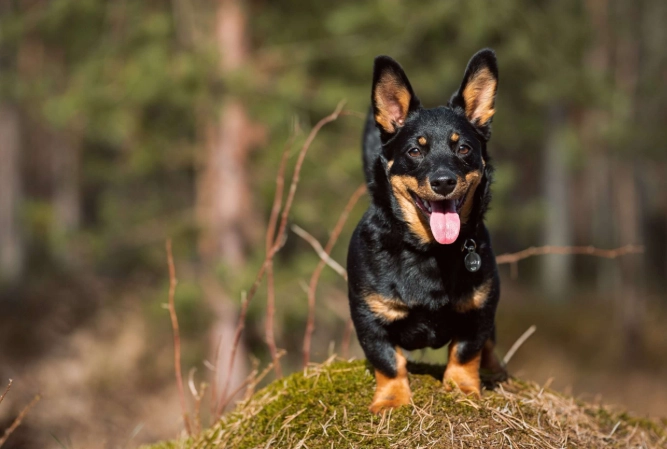 A big dog personality in a small, sturdy package. That's the Heeler in a nutshell.
From Rat-Catcher to Show Stopper: The Lancashire Heeler's History
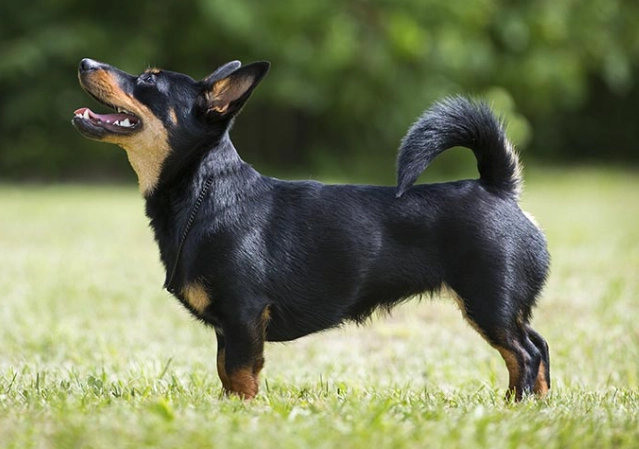
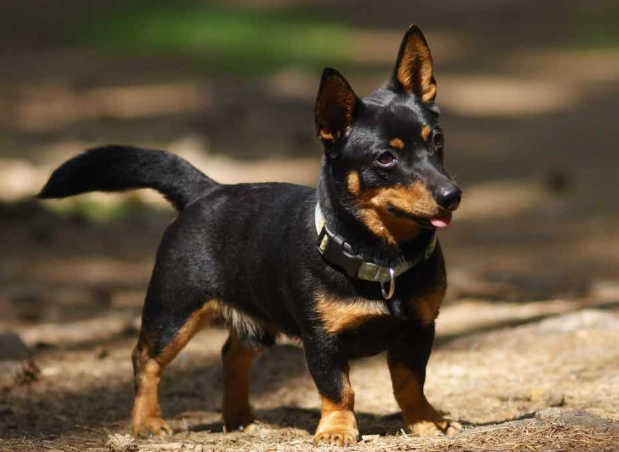
What Does a Lancashire Heeler Look Like? The Breed Standard
The Key Physical Traits
Trait
Description
Why It Matters
Coat
Short, dense, double-layered
Weather-resistant; easy grooming but sheds seasonally.
Build
Longer than tall, muscular, low-slung
Provides stability and stamina for herding and running.
Ears
Erect and mobile
Signals alertness; key to their expressive face.
Expression
Alert, intelligent, keen
Direct reflection of their active, engaged mind.
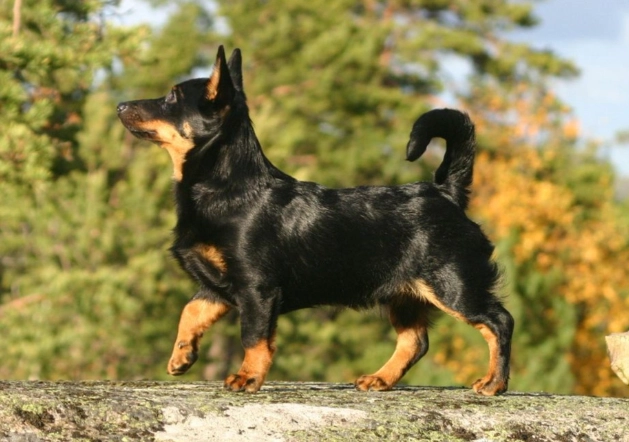 The look says "worker," not "lapdog," even if they do enjoy a good cuddle.
The Heart of the Matter: Lancashire Heeler Temperament and Personality
The Glowing Highlights
The Realistic Challenges (The Not-So-Glamorous Parts)
Living with a Lancashire Heeler: Daily Care and Needs
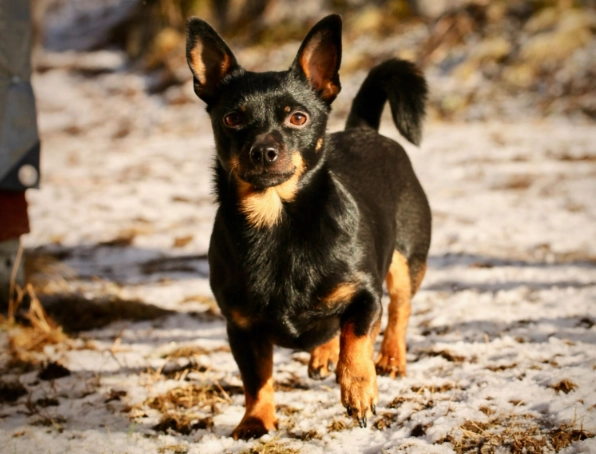
Exercise: More Than a Quick Walk
Grooming: Surprisingly Easy
Training and Socialization: Start Early, Never Stop
Lancashire Heeler Health: What to Watch For
Is a Lancashire Heeler the Right Dog for You? The Ultimate Checklist
You Might Be a Great Fit If You...
You Should Probably Reconsider If You...
Finding Your Lancashire Heeler: Breeder vs. Rescue
Going Through a Responsible Breeder
Adoption and Rescue
Your Lancashire Heeler Questions, Answered
Are Lancashire Heelers good family dogs?
Do Lancashire Heelers shed a lot?
Can Lancashire Heelers live in apartments?
Are they easy to train?
How are they with other dogs?
 The bottom line? Do your homework, be brutally honest about your lifestyle, and if it aligns, you might just find your perfect, energetic, hilarious, and endlessly loyal best friend in a Lancashire Heeler.
Fun Fact: For a long time, they were known as "Ormskirk Heelers" or "Ormskirk Terriers," named after the town in Lancashire where they were particularly popular.
A Heeler owner once told me, "Mine thinks he's a 90-pound Rottweiler. He'll confidently trot up to dogs five times his size to say hello." That confidence is real, but it requires careful management.
Honest Talk: A bored or under-exercised Lancashire Heeler is a recipe for trouble. Think destructive chewing, obsessive barking, and inventive mischief. They are not a couch potato breed. If your idea of dog ownership is a quiet companion that sleeps 20 hours a day, look elsewhere.
Pro Tip: "Nothing in life is free" is a great philosophy for a Heeler. Ask them to sit before meals, wait at doors, or give a paw before throwing their toy. It reinforces your leadership in a gentle way and keeps their mind working.
Comment