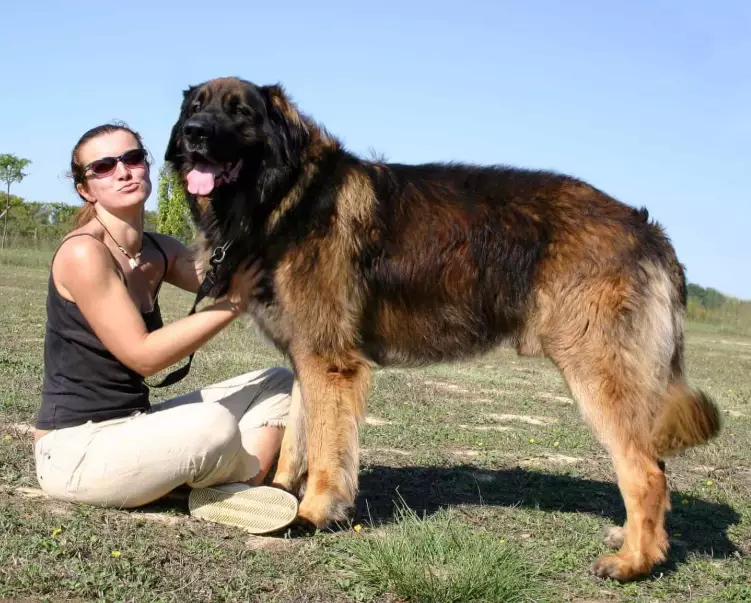
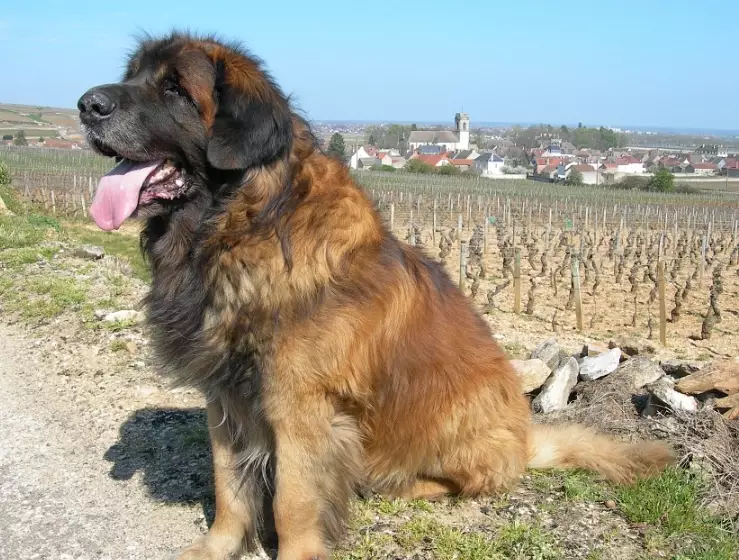
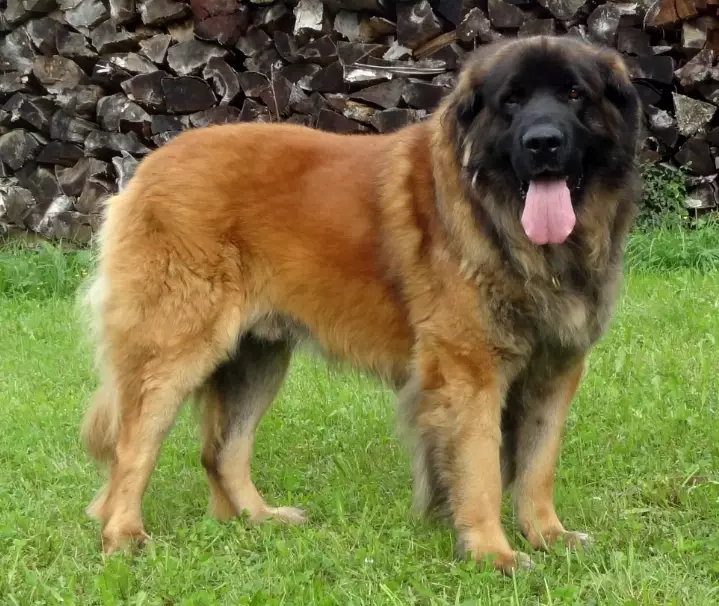
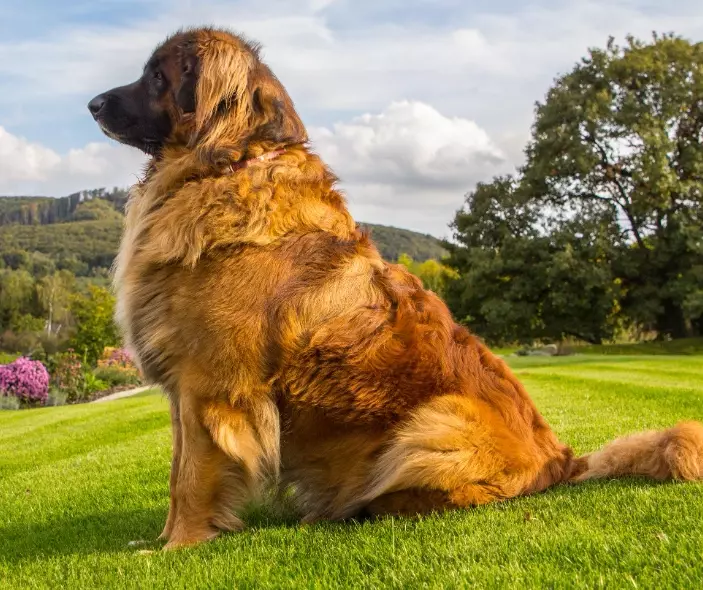
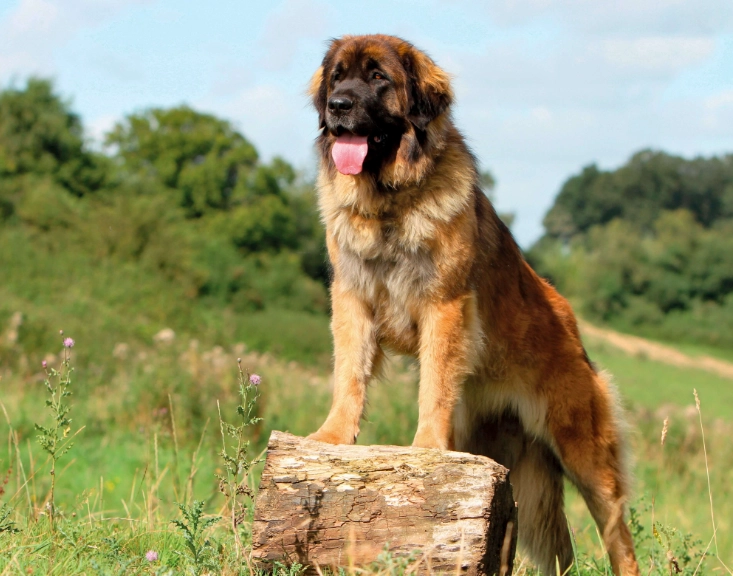
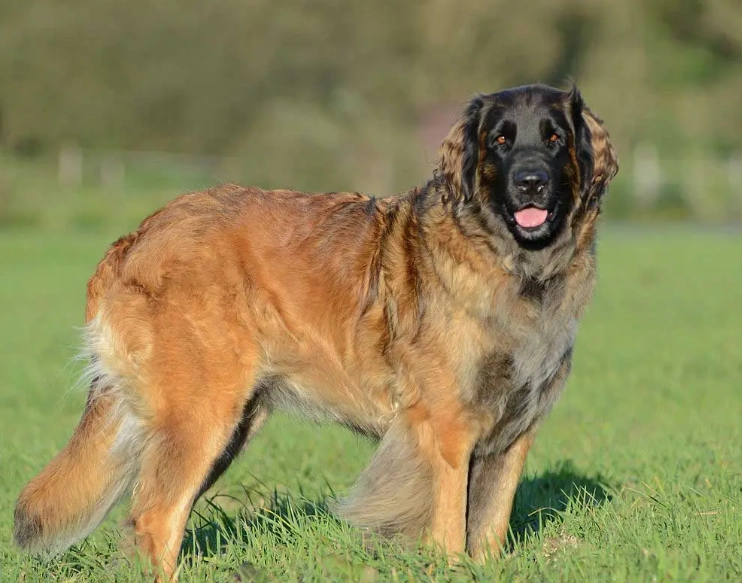
I remember the first time I saw a Leonberger in person. It wasn't at a dog show; it was at a local park, calmly watching kids play from a distance. Its size was breathtaking – like a small bear – but its eyes held this serene, almost philosophical patience. The owner, a man with a gentle smile and a pocket full of treats, saw my awe and simply said, "They're not like other dogs." He was right. That encounter sparked a years-long fascination, and after countless conversations with breeders, owners, and vets, I've learned that owning a Leo is less about having a pet and more about welcoming a furry, slobbering, profoundly gentle force of nature into your life. But is that force right for your home? Let's peel back the layers of legend and look at the real dog underneath all that magnificent fur. This isn't just a breed profile. It's a reality check. If you're searching for "Leonberger temperament" or "Leonberger puppy," you've probably seen the glowing reviews: gentle giants, perfect family dogs, loyal companions. All true. But what about the other side? The drool on your walls? The grocery bill that rivals a car payment? The heartbreak of their tragically short lifespan? We're going to cover it all. My goal is to give you the complete, unvarnished picture so you can make a decision with your eyes wide open. Every giant breed has a mythic quality, but the Leonberger's origin story is particularly charming. It wasn't bred for war or hunting large game. In the 1840s, a man named Heinrich Essig, a town councillor in Leonberg, Germany, supposedly set out to create a dog that resembled the lion on the town's crest. Now, historians debate how much of this is true, but the romantic idea persists. He's said to have crossed Landseer Newfoundlands, Saint Bernards, and the Great Pyrenees, eventually refining the breed into the majestic animal we know. The original purpose was likely companionship and status. They were living symbols of pride and gentility, owned by royalty and aristocracy. This historical foundation is key to understanding their modern temperament. They weren't bred for independent, aggressive work. They were bred to be impressive, calm, and attached to their people. The American Kennel Club notes their development as a "symbol of capable guardianship and loyalty," a role they still embody today. They nearly vanished after the World Wars but were resurrected by dedicated breeders using remaining stock. That genetic bottleneck is crucial when we talk about their health later on. Fun Fact Detour: Despite the lion legend, the name simply means "Lion Mountain" from their town of origin. And that majestic, black "mask" on their face? It's a signature trait, meant to give them a noble expression. Without it, a dog wouldn't meet the strict breed standard set by the Leonberger Club of America. Okay, they're huge. Males stand 28 to 31.5 inches at the shoulder and can weigh 110 to 170 pounds. Females are slightly smaller, 25.5 to 29.5 inches and 90 to 140 pounds. But it's not a sloppy bulk. A well-bred Leonberger is powerful and muscular, yet elegant. They move with a surprising grace that belies their size. The coat is a double-layer weatherproof system. The outer coat is medium-soft to coarse, ranging from straight to a slight wave. The undercoat is dense and soft. Acceptable colors are lion-yellow, red, reddish-brown, and sandy. Always with that black mask. The tail is fabulously bushy and carried low when relaxed, but it can sweep up in excitement – a dangerous weapon for coffee tables! Grooming is a commitment. Think weekly brushing to prevent mats, turning into near-daily sessions during their heavy shedding seasons (spring and fall). You will have fur tumbleweeds. You will find fur in your food. You will wear it as a secondary outfit. It's part of the deal. And the drool? They have loose lips. Expect strings of it after drinking, when excited, or when anticipating food. Keeping a "slobber rag" handy is a pro-tip from every Leo owner I've met. This is where the breed truly shines, and why people fall in love. The Leonberger temperament is famously steady, confident, and gentle. The breed standard calls for a "self-assured, calm, and trainable" companion. They are incredibly sensitive to their owner's mood and thrive on being part of the family unit. Aloof with strangers initially, they are not guard dogs in the attack sense, but their sheer size and deep bark are formidable deterrents. They are watchful, not aggressive. With their family, they are affectionate clowns. They often don't realize their size and will try to be lap dogs. They are generally excellent with children, showing remarkable patience. However, supervision is always necessary with any large dog and small children – an accidental tail swipe can knock a toddler over. They are not hyperactive, but they are not couch potatoes either. A Leonberger needs daily moderate exercise to stay fit and happy. Long walks, hiking, swimming (they often love water!), and play sessions in a secure yard are perfect. A bored, under-exercised giant dog can develop destructive habits. Mental stimulation through training, puzzle toys, or simple tasks is equally important. You must train a Leonberger. Not just for tricks, but for basic manners. A 150-pound dog that pulls on a leash is unmanageable. One that jumps up in greeting is a hazard. The good news? They are typically eager to please and intelligent, making them responsive to positive, reward-based training. Harsh methods will backfire spectacularly with this sensitive breed. Early socialization – exposing your Leonberger puppy to various people, places, sounds, and other animals – is critical to developing a well-adjusted adult. Puppy kindergarten and ongoing obedience classes are fantastic investments. Here's the sobering truth. The biggest challenge of loving a Leonberger is their health. They are tragically short-lived for such a large dog. The average lifespan is only 7 to 10 years, with some passing sooner and a lucky few reaching 12. This is a heartbreaking reality every prospective owner must accept upfront. Their size predisposes them to several serious conditions. Responsible breeding is the single most important factor in mitigating these risks. You must find a breeder who does comprehensive health testing on their breeding stock. The Leonberger Club of America, in partnership with the AKC Canine Health Foundation, maintains a detailed health page outlining the essential tests. The major health concerns include: Pet insurance is not a luxury; it's a necessity. The cost of treating any of these conditions can run into the thousands. Getting a puppy from health-tested parents doesn't guarantee a healthy life, but it stacks the odds in your favor. It's the most responsible choice you can make. The Pros: Unmatched gentle companionship. A loyal, loving shadow. Great with families. Impressive and beautiful. Generally quiet (not prone to nuisance barking). A wonderful hiking or walking partner. The Cons: Short lifespan. Significant health risks. Enormous food and veterinary costs. Copious shedding and drool. Requires ample space (not suited for small apartments). Needs consistent training and socialization. Can be clumsy as a youngster. Let's talk money, because it's a major factor. A Leonberger puppy from a reputable breeder can cost $2,500 to $4,000 or more. Then come the ongoing costs: Your lifestyle needs to accommodate them. A house with a securely fenced yard is ideal. They can adapt to various climates thanks to their coat, but they are sensitive to extreme heat – always provide shade, water, and air conditioning on hot days. Their size makes travel more complicated; not all pet sitters or boarding facilities can handle a giant dog. People often consider other large breeds. How does the Leo stack up? The Leonberger stands out for its unique blend of imposing presence and soft-hearted temperament. It's less independent than a Pyrenees and often more agile and "dog-like" in its interactions than some other giants. Let's tackle some of the specific things people search for. Final Thought: Choosing a Leonberger is a profound commitment. It's a commitment to a decade of fur, drool, and giant-sized love. It's a commitment to facing potential heartbreak sooner than you'd like. It's a commitment to training, grooming, and financial planning. But for the right person or family, it's also a commitment to experiencing one of the most profoundly gentle and loyal companions the dog world has to offer. They leave a giant-sized hole in your heart when they're gone, but they fill your life with an equally giant amount of joy while they're here. Do your homework, find a fantastic breeder or rescue, and if you take the leap, embrace every muddy paw print and slobbery kiss. Still have questions? Your journey shouldn't end here. Dig deeper into the resources provided by the breed clubs and talk to actual owners. Their lived experience is the final, most important page of any guide.In This Guide
From Legend to Living Room: The Leonberger's Story
What Does a Leonberger Actually Look Like? (Beyond "Big")
The Heart of the Matter: Leonberger Temperament and Personality
Training Your Gentle Giant: It's Non-Negotiable
The Hardest Part: Leonberger Health and Lifespan
Daily Life with a Leo: The Nitty-Gritty
The Good, The Bad, and The Hairy
Expense Category
Estimated Monthly/Annual Cost
Notes
High-Quality Food
$120 - $200+ per month
Large-breed specific formula is a must for proper joint development.
Routine Veterinary Care
$500 - $1,000+ annually
Wellness exams, vaccinations, preventatives (fleas, ticks, heartworm).
Grooming Supplies
$200 annually (if DIY)
Professional grooming for a Leo can be $100+ per session.
Pet Insurance
$80 - $150+ per month
Highly recommended; premiums vary by age, location, and coverage.
Toys, Beds, Supplies
High initial investment
Everything needs to be "giant breed" sized and durable.
Is a Leonberger the Right Giant for You? A Quick Comparison.
Breed
Temperament
Grooming Needs
Key Difference from a Leonberger
Leonberger
Gentle, calm, family-oriented, watchful
Very High (shedding, brushing)
Baseline for comparison
Newfoundland
Sweet, patient, "nanny dog," loves water
Very High
Even more laid-back, slightly heavier coat, similar drool.
Saint Bernard
Friendly, gentle, sometimes goofier
High
Similar size, historic rescue dog, can be more stubborn, similar drool.
Great Pyrenees
Independent, protective, livestock guardian
High
More independent and territorial. Can be louder (barkier). Bred to work alone.
Bernese Mountain Dog
Affectionate, loyal, good-natured
High
Similar tricolor look, but stockier build. Also faces serious health challenges (shorter lifespan).
Your Leonberger Questions, Answered
- Welcome your visit to meet their dogs.
- Show you health clearances for both parents (OFA hips/elbows, LPN, cardiac, eyes).
- Ask you as many questions as you ask them.
- Have a contract that includes a health guarantee and requires you to return the dog to them if you can't keep it.
- Be a resource for you for the dog's entire life.
One breeder told me, "A well-bred Leo shouldn't have a mean bone in its body. If it's nervous or aggressive, that's a fault in breeding or upbringing." It stuck with me. Their temperament is that reliable.
Are Leonbergers good apartment dogs?
Frankly, no, not really. They can adapt if you are incredibly dedicated to providing multiple long walks and outdoor time every single day, but it's far from ideal. Their size alone makes navigating tight spaces difficult. A home with direct access to a yard is best for their quality of life (and your sanity).
How much exercise does a Leonberger need?
More than you think, but less than a border collie. Aim for 60-90 minutes of moderate activity daily. This can be split into two walks plus some playtime. They mature slowly, so avoid forced running or jumping on hard surfaces while they're growing (under 18-24 months) to protect developing joints.
Are they easy to train?
They are willing to train, which is different. They are smart but can be a bit stubborn. Consistency, patience, and positive motivation (food rewards work wonders) are key. They respond poorly to anger or frustration. Start early and keep it fun.
What's the best way to find a responsible Leonberger breeder?
Avoid pet stores and online marketplaces. Start with the national breed club. The Leonberger Club of America has a breeder referral list. A good breeder will:
Should I consider rescuing a Leonberger?
Absolutely. Breed-specific rescues, like those affiliated with the LCA, often have adults or mixes in need of homes. This can be a wonderful option, especially if you want to skip the puppy phase and offer a second chance. Be prepared for potential unknown history or behavioral issues that need patience.
Comment