Let's talk about the Lhasa Apso. You've probably seen one—that small dog with a floor-length coat and a face that seems to peer at you from another time. Maybe you're thinking about bringing one home, or perhaps you just shared a sidewalk with a particularly regal-looking one and got curious. Whatever brought you here, you're in the right place. This isn't a dry breed summary. This is a deep dive from someone who's spent years around these little characters, talking to breeders, owners, and vets to get the real story. I remember the first time I met a Lhasa Apso named Ziggy. He wasn't interested in me at all. He gave me a quick, appraising look, then trotted off to his favorite sunspot. His owner laughed and said, "That's him saying you're okay, but he's got better things to do." That moment perfectly captures the Lhasa spirit. They're not needy lapdogs. They're independent, watchful, and deeply bonded to their inner circle. If you're looking for a dog that's a furry yes-man, look elsewhere. But if you want a clever, loyal, and sometimes hilariously stubborn companion with a history as rich as their coat, you're in for a treat. You can't really understand the Lhasa Apso without knowing where they came from. Their story isn't just old; it's woven into the spiritual fabric of a remote culture. For over a thousand years, these dogs lived in the Potala Palace and other sacred monasteries in Lhasa, Tibet. They weren't just pets. They were considered talismans of good luck, believed to house the souls of deceased monks while they awaited reincarnation. Their job was serious business. With their sharp hearing and keen watchdog instincts, they would sound the alarm at any intruder, giving the larger Tibetan Mastiffs outside time to respond. This history explains so much about the modern Lhasa. That aloofness with strangers? That's centuries of selective breeding for vigilance. That confident, self-possessed demeanor? They were literally raised in palaces. The journey to the West is a fascinating tale itself. The Dalai Lama gifted Lhasa Apsos as the highest honor to foreign dignitaries. It wasn't until the early 20th century that they began to trickle into England and America. The first pair in the US were a gift from Thubten Gyatso, the 13th Dalai Lama, to the naturalist explorer Suydam Cutting in 1933. Every purebred Lhasa Apso today can trace its lineage back to these early imports from Tibet. I find that history humbling. When you look at a Lhasa, you're not just looking at a dog. You're looking at a living piece of history, a direct descendant of canine royalty. It's no wonder they carry themselves with such an air of importance. Forget the fluff ball image for a second. Under all that hair is a well-balanced, rectangular dog. According to the official breed standard set by the American Kennel Club (AKC), a Lhasa Apso should be sturdy and hardy. They're small, but they shouldn't feel delicate or fragile. Let's address the elephant in the room: the hair. The double coat of a Lhasa Apso is its defining feature. The outer coat is long, heavy, straight, and hard—not silky or woolly. It's designed to protect from the harsh Himalayan climate. The undercoat is soft and dense. The coat can come in a variety of colors: honey, sandy, slate, smoke, particolors, and more. The ideal coat parts naturally down the back from head to tail. Here's a personal take: that beautiful show coat is a full-time job. I'm not kidding. For pet owners, the most practical and common choice is the "puppy cut," which keeps the hair short and manageable. Trying to maintain a floor-length coat means daily, meticulous brushing to the skin to prevent mats that can form shockingly fast. Mats aren't just unsightly; they're painful, pulling on the skin and hiding moisture that can lead to skin infections. One thing you'll notice is their distinctive head. All that hair falling forward gives them that mysterious, peering-through-a-curtain look. It's charming, but practical owners often use a small clip or a "top knot" to keep hair out of their eyes for better vision and eye health. If you want a dog that's eager to please above all else, you might find a Lhasa Apso frustrating. Their intelligence is undeniable, but it's often directed toward their own interests. They were bred to think for themselves as watchdogs in isolated palaces, not to take orders. This results in a personality that's equal parts delightful and challenging. Their Good Side: With their family, a well-socialized Lhasa is affectionate, playful, and deeply devoted. They form intense bonds and can be wonderfully funny clowns in the home. They are typically calm and adaptable indoors, making them excellent companions for quieter households. Their loyalty is immense. The Flip Side: That independence can manifest as stubbornness. Training requires patience, consistency, and a good sense of humor. They can be suspicious of strangers and are vocal watchdogs, quick to bark at unfamiliar sounds or sights. Early and ongoing socialization is non-negotiable to prevent this from tipping over into excessive shyness or reactivity. Are they good with kids? This is a tricky one. They can be wonderful with respectful, older children who understand how to interact gently with a small dog. However, they generally do not tolerate rough handling, poking, or tail pulling. Their reaction might be to snap or retreat. For this reason, they are often better suited to homes with older children or adults only. What about other pets? With proper introduction, many Lhasa Apsos get along fine with other dogs and cats, especially if raised together. However, their strong sense of self can sometimes lead to same-sex dog aggression, particularly among unneutered males. Their prey drive is usually low, but their watchdog nature means they might chase a scurrying squirrel or a fast-moving small animal. Owning any dog is a commitment, but a Lhasa Apso has some very specific needs. Let's break down what a typical life with one looks like, beyond the cute Instagram photos. We've touched on it, but it deserves its own section. Grooming is the single biggest factor in a Lhasa's quality of life. Here’s what a basic routine looks like: If you keep your Lhasa in a short clip, the routine becomes infinitely easier—mostly just weekly brushing and regular baths. This is why the puppy cut is so popular. It lets the personality shine without the hair becoming the main event. Don't let the small size fool you. A Lhasa Apso is not a couch potato by nature. They have moderate energy needs. A couple of short walks a day (15-20 minutes each) combined with some indoor play is usually sufficient. They enjoy sniffing on walks and playing games like fetch with a small toy. But here's the key: they need mental exercise just as much. Bored Lhasa Apsos can become creative in ways you won't like—barking, digging, or developing neurotic habits. Puzzle toys, training sessions (keep them short and fun!), and learning new tricks are fantastic ways to engage their clever minds. They excel at canine sports like rally obedience and nose work, which are more about partnership than forced obedience. Lhasa Apsos are generally a long-lived breed, often reaching 12-15 years or more. However, they are prone to certain hereditary conditions. A responsible breeder will test their breeding stock for these issues. When looking for a puppy, always ask for health clearances. Major concerns include: Other issues to watch for include allergies (which often show up as itchy skin), ear infections due to their hairy ear canals, and dental problems. Yes, small dogs are notorious for bad teeth. Daily tooth brushing or using dental chews/water additives is a must to prevent painful and expensive dental disease later in life. For the most current information on breed health, the Orthopedic Foundation for Animals (OFA) website is an invaluable resource for understanding recommended health screenings. Let's cut to the chase. This breed isn't for everyone. To see if you and a Lhasa might be a good match, ask yourself these questions: If you answered yes to most of these, a Lhasa Apso could be your perfect, quirky soulmate. If not, there's no shame in that. It's better to be honest now than to have a mismatched pair later. This is a major decision with big implications. Going through a Reputable Breeder: This is the best route for most first-time Lhasa owners. You get a health-screened puppy with a known history, and the breeder becomes a lifelong resource. A good breeder will interview you just as much as you interview them. They will show you health clearances for the parents (OFA for patellas, eyes certified clear by a veterinary ophthalmologist, etc.), let you meet the mother dog, and have a contract that includes a health guarantee and a clause requiring you to return the dog to them if you can't keep it. Expect to be on a waiting list and pay a premium price. The American Lhasa Apso Club (ALAC) is the official AKC parent club and has a breeder referral list. Start there, not on a random website. Adoption or Rescue: This is a wonderful option. There are dedicated Lhasa Apso and small breed rescues across the country. You might find a purebred Lhasa or a lovable mix. The benefit is giving a dog a second chance. The challenge is that the dog may come with unknown history or behavioral baggage that requires an experienced, patient owner. Rescue organizations typically assess the dog's temperament and provide veterinary care before adoption. Whichever path you choose, avoid pet stores and online brokers ("puppy finder" sites that aren't breeder listings) at all costs. These almost always source from puppy mills, where dogs are bred in horrific conditions with no regard for health or temperament. I get asked a lot of the same things about these dogs. Here are some straight answers. At the end of the day, bringing a Lhasa Apso into your life is a unique experience. It's a partnership with a tiny, hairy, willful, and endlessly fascinating creature whose ancestors guarded temples. It requires work, patience, and a good sense of humor. But for the right person, the reward is a bond with a dog of incredible character, loyalty, and ancient grace. They're not for everyone, but for their people, there's simply no other breed like them.In This Guide

From the Roof of the World to Your Living Room: A Storied History
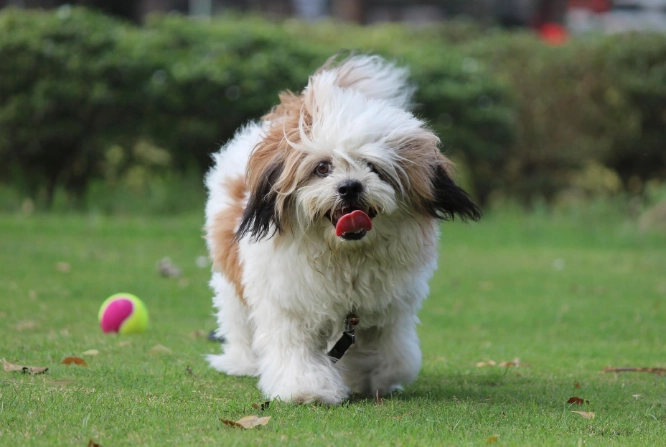
What Does a Lhasa Apso Look Like? Breaking Down the Breed Standard
The Coat: Their Glory and Your Commitment
Key Physical Traits at a Glance
Trait
Description
Why It Matters
Size
Height: about 10-11 inches at the shoulder. Weight: 12-18 pounds.
Perfect for apartment living, but sturdy enough not to feel "breakable."
Head
Heavy head furnishings (hair) falling over eyes, with a good mustache and beard.
Gives the classic "Lhasa look," but hair in eyes requires regular trimming or tying up to prevent eye issues.
Eyes
Dark, medium-sized, and oval. Not large and round.
Contributes to their alert, inquisitive expression. Dark pigmentation is preferred.
Tail
Well feathered and carried over the back in a screw, sometimes with a kink at the end.
A tail carried gaily is a sign of confidence, a key breed trait.
Build
Longer than tall, with a level topline and good spring of rib.
This rectangular outline is essential to the breed's correct type and balance.

The Lhasa Apso Personality: Charming, Stubborn, and Profoundly Loyal
Living with a Lhasa: Daily Care, Health, and the Real Costs
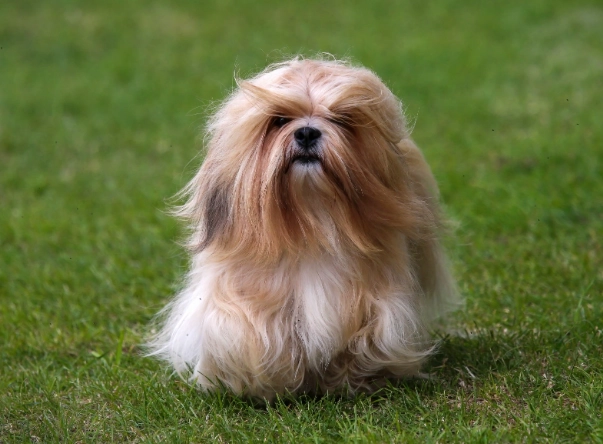
The Non-Negotiable Grooming Routine
Exercise and Mental Stimulation
Common Health Concerns to Know About

Is a Lhasa Apso the Right Dog for You? A brutally Honest Checklist
Finding Your Lhasa Apso: Breeder vs. Rescue

Your Lhasa Apso Questions, Answered
So, what exactly is a Lhasa Apso? At their core, they are an ancient toy breed developed in the Himalayan mountains of Tibet to serve as indoor sentinels for palaces and monasteries. They are alert, confident, and possess a "big dog" attitude in a small, long-coated package.
A word of caution: if you're not prepared for significant grooming, either in time (hours per week) or money (professional grooming every 4-6 weeks), a long-coated Lhasa Apso is not for you. The cutest puppy can quickly become a matted, uncomfortable mess.
A Lhasa Apso owner once told me, "You don't train a Lhasa. You negotiate with them." I think that's the perfect summary. They respond best to positive reinforcement (treats, praise, play) and absolutely shut down with harsh methods. They want to know "what's in it for me?"
Pro Tip: Pet insurance is something I strongly recommend for any purebred dog. Getting a policy when your Lhasa Apso is a young, healthy puppy can save you from heartbreaking financial decisions later on if a major health issue arises.
Q: Are Lhasa Apsos hypoallergenic?
A: No dog is 100% hypoallergenic. However, Lhasa Apsos are often a better choice for people with allergies. They have hair, not fur, which means they shed less dander (the primary allergen) than many breeds. But that hair needs to be cleaned and groomed regularly, or it can trap allergens like pollen and dust. Always spend time with the breed before committing if you have allergies.
Q: Are they easy to train?
A: Easy? No. Trainable? Absolutely, with the right approach. They are highly intelligent but have a low "servant" drive. Use positive reinforcement, keep sessions short and fun, and be prepared for occasional stubborn streaks. Housetraining can sometimes be a challenge with small breeds, requiring extra consistency.
Q: Do they bark a lot?
A: They are alert barkers. A knock at the door, a strange noise outside—they'll let you know. They are not typically nuisance barkers when left alone if properly exercised and mentally stimulated, but their watchdog heritage is strong. Training a "quiet" cue from a young age is very helpful.
Q: Can they be left alone during the workday?
A> They prefer company. While an adult Lhasa can learn to be alone for a standard 8-hour workday if properly crate-trained or given a safe space, it's not ideal every single day. They thrive with a midday break or in homes where someone is around more often. Puppies, of course, cannot be left for long periods.
Q: What's the difference between a Lhasa Apso and a Shih Tzu?
A> They are often confused! Both are ancient Tibetan breeds, but the Shih Tzu was developed by crossing Lhasa Apsos (or similar types) with Pekingese. Shih Tzus have a shorter muzzle, a slightly more upturned nose, a generally "softer" and more overtly friendly expression, and a coat that is often a bit silkier. Temperamentally, Shih Tzus are often described as more outgoing and less reserved with strangers than the typical Lhasa.
Comment