So you're thinking about a Mastiff. Maybe you saw one in a movie, looking noble and imposing. Perhaps a friend has one, a calm giant that seems to embody quiet strength. The image is powerful. But what's it really like to live with one of these legendary dogs? I'm not here to sell you on a breed. I'm here to give you the full picture, the good, the challenging, and the downright slobbery reality of sharing your life with a Mastiff. Because owning one isn't just getting a dog; it's inviting a small, loving, and incredibly heavy piece of living history into your home. Let's clear something up right away. "Mastiff" often refers to the English Mastiff, the classic, massive breed with the ancient lineage. But it's also a category—a type of dog. There's a whole family of Mastiff breeds, each with its own twist on the giant guardian theme. We'll get into all of them. This isn't a quick listicle. We're going deep on temperament, health (a big one for giant breeds), costs you might not have considered, and how to know if your life is truly ready for 150+ pounds of devoted dog. The Core of a Mastiff: Forget the intimidating size for a moment. At their heart, well-bred Mastiffs are characterized by a noble and dignified temperament. They are typically calm, courageous, and profoundly loyal to their family. Their guarding instinct isn't about aggression; it's a deep-seated desire to observe and protect their home and people. They are often described as "gentle giants," and while that's mostly true, it comes with caveats about training and socialization that we absolutely must discuss. What makes a dog a Mastiff? It's in the bones—literally. These are molosser-type dogs, descendants of ancient war dogs and guardian breeds from Asia and Europe. They share a distinct build: large, heavy bones, a broad skull, a short muzzle (in most cases), and a powerful, muscular body. But the most defining features aren't just physical. The temperament is key. A true Mastiff possesses a certain serenity. They aren't hyper or frantic. They have a low activity level indoors, often content to be a majestic piece of furniture. But they are always watchful. That calm demeanor can shift into decisive action if they perceive a genuine threat. This isn't a dog that barks at every leaf. When a Mastiff barks, it's a deep, resonant sound that gets attention. I remember dogsitting for a friend's English Mastiff. The silence in the house was profound until a delivery person approached the door. One single, chest-rumbling woof from the dog, who hadn't even stood up, and the person froze. The message was received without any fuss. You can't separate the Mastiff from its history. These dogs were used by Romans, depicted in Babylonian art, and prized across continents for their strength and courage. The American Kennel Club notes the English Mastiff's ancestors were used in blood sports like bear-baiting, a brutal past that thankfully ended centuries ago. That history of facing down large game is why they have a high pain tolerance and a certain stoicism. It also means modern breeders have worked diligently, through organizations like The Mastiff Club of America, to emphasize the stable, gentle family companion over any remnant of aggression. This history is cool, but it matters to you as an owner because it explains some of their instincts. Their guarding isn't learned; it's woven into their DNA. Their size wasn't an accident; it was necessary. Appreciating this helps you work with their nature, not against it. When people say "Mastiff," they're usually picturing the English Mastiff. But the family tree has many branches. Here’s a breakdown of the most common Mastiff breeds you'll encounter. It's crucial to know the differences because a Bullmastiff and a Neapolitan Mastiff, while both Mastiffs, offer very different living experiences. Looking at that table, you see the range. The English Mastiff is your laid-back, ultra-heavyweight buddy. The Bullmastiff is the athletic security guard. The Neo is the dramatic, wrinkle-faced guardian. Choosing the right type of Mastiff is your first and most important step. I've met a fair few Mastiffs over the years. The English Mastiffs were almost universally couch-loving, gentle souls who just wanted to lean on you (and potentially knock you over). The Tibetan Mastiff owned by a breeder I visited was a different story—magnificent, aloof, and you could feel his assessment of you. He wasn't mean, but you weren't his concern. It drove home that "Mastiff" isn't a one-size-fits-all label. Let's talk money, because this is where many potential owners get a shock. The purchase price from a reputable breeder is just the entry fee. For an English Mastiff puppy from health-tested parents, you're looking at $1,800 to $3,500 or more. But that's the smallest part of the long-term financial picture. Food: An adult Mastiff can easily eat 6-8 cups of high-quality, large-breed formula kibble per day. We're not talking cheap stuff. You need food that supports slow, joint-friendly growth for puppies and maintains a healthy weight for adults. This can cost $100-$150+ per month, easily. Veterinary Care: Everything is bigger. Medication doses are bigger. Anesthesia costs more due to the higher risk and amount needed. X-rays are harder to take. Preventative care like heartworm and flea/tick medication is based on weight, so you're paying the top-tier price. A simple antibiotic course can be triple the cost for a small dog. Unexpected Health Issues: This is the big one. Giant breeds are prone to specific, expensive conditions. Pet Insurance is Not Optional, It's Essential. For a Mastiff, I consider it a core part of responsible ownership. A good policy that covers hereditary conditions can save you from heartbreaking financial decisions in a crisis. Get it when the dog is a young, healthy puppy. Don't wait. Other Costs: A giant crate, extra-strong toys (the Kong Extreme is a good start), a heavy-duty leash and collar, raised food bowls to help prevent bloat, a car that can fit them, potentially stronger furniture... it adds up. Grooming isn't too bad for short-coated Mastiffs, but those nails need regular trimming by someone strong enough to handle the paw, and drool means you'll be cleaning walls and windows more than you ever imagined. Training a Mastiff puppy isn't a cute hobby. It's a public safety and quality-of-life necessity. You cannot have a 180-pound animal that doesn't listen. The key is consistency and positive reinforcement. They are sensitive souls despite their size; harsh methods will backfire spectacularly. Socialization is even more critical. It doesn't mean just meeting people. It means exposing your puppy positively to all sorts of sights, sounds, surfaces, and situations during their critical window (up to about 16 weeks). The goal is a confident, stable dog who isn't fearful or reactive. A fearful giant is a dangerous giant. This is where a good puppy kindergarten class is worth its weight in gold. Think about it: would you rather teach a 20-pound puppy not to jump up, or a 120-pound adolescent? Here's a surprise for many: Mastiffs don't need miles of running. In fact, forced running on hard surfaces is terrible for their developing joints. What they need is moderate, controlled exercise. Several short walks a day, some playtime in a secure yard, and mental stimulation are perfect. The problem is often the opposite—keeping them from becoming overweight. A sedentary Mastiff will pile on the pounds, which is a death sentence for their joints. It's a balancing act: enough to keep them fit, not so much to damage their structure. Let's not mince words. Most Mastiffs drool. Some, like the English Mastiff and Dogue de Bordeaux, are prolific. It will be on your clothes, your walls, your ceiling (if they shake their head), and in your hair. You will carry a "drool rag" at all times. Some people find this a deal-breaker. It's a texture and a constant presence you must accept. Honestly, I think the "gentle" part is sometimes overstated, but the "giant drool factory" part is 100% accurate. The lifespan of a giant breed dog is short. For most Mastiffs, you're looking at an average of 6 to 10 years. Some beat the odds and reach 12, but it's rare. This is the hardest part of loving a Mastiff. You are committing your heart to a creature whose time is inherently limited by its biology. Their bodies work incredibly hard just to exist. Being proactive is everything. Here’s a health checklist for a responsible Mastiff owner: This is a major crossroads. Going through a reputable breeder gives you the best shot at a predictable temperament and health history. You get to raise the puppy, which is a lot of work but allows you to control their early socialization. Expect to be interviewed thoroughly by a good breeder—they will care where their puppy ends up. Rescue is a noble path, but it comes with unknowns. There are breed-specific rescues, like those affiliated with the Mastiff Club of America, that take in surrendered Mastiffs. An adult dog's personality is already formed, which can be good or bad. They may come with behavioral or health baggage. Rescue is often recommended for experienced dog owners who can handle potential challenges. The reward of giving a gentle giant a second home is immense. Red Flags in a Breeder: They have multiple litters available at once. They won't let you meet the mother dog. They don't ask you any questions. They don't provide health clearances for both parents (and you can verify them on the OFA website). They sell puppies before 8 weeks of age. They offer "rare" colors like blue or merle in breeds where that is not standard (it can indicate mixed breeding or unethical practices). Ask yourself these questions honestly: If you answered yes to all of these, and your heart is set on that quiet, massive companionship, then you might just be one of the special few prepared for a Mastiff. It's not an easy road. There will be mess, there will be worry, and there will be profound heartbreak far too soon. But there will also be moments of pure magic. The feeling of a giant head resting trustingly in your lap. The awe-inspiring sight of them standing guard over your home. The quiet, unwavering loyalty that fills a room. A Mastiff doesn't just share your space; they leave a permanent, paw-shaped imprint on your life. Make sure you're ready for all of it. Do your homework. Talk to owners, meet the breeds, and choose with your head as much as your heart. A Mastiff deserves nothing less.In This Guide
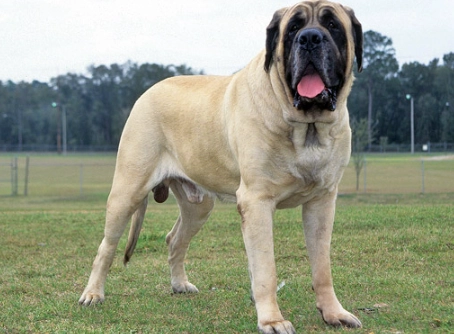
Understanding the Mastiff: More Than Just Size
The Historical Weight on Their Shoulders

The Mastiff Family: A Spectrum of Giants
Breed
Origin
Average Weight
Key Temperament Traits
Special Considerations
English Mastiff
England
120-230 lbs (F), 160-230+ lbs (M)
Calm, dignified, affectionate, courageous. The quintessential gentle giant.
Extreme size, drooling, relatively low energy. Prone to joint issues. The heaviest dog breed on average.
Bullmastiff
England (Mastiff x Bulldog)
100-130 lbs (F), 110-150 lbs (M)
Fearless, confident, loyal, powerful. Bred as a "gamekeeper's night dog."
More active and agile than the English. Can be stubborn. Requires firm, consistent training.
Neapolitan Mastiff
Italy
110-150 lbs
Loyal, protective, majestic, calm. Known for massive wrinkles and loose skin.
Wrinkle care is essential to prevent infections. Can be more aloof with strangers. Lower energy.
French Mastiff (Dogue de Bordeaux)
France
99-110+ lbs
Devoted, courageous, calm, patient. Known for their massive head and expressive face.
Brachycephalic (short-faced), so heat sensitivity is a major concern. Can snore loudly.
Tibetan Mastiff
Tibet/China
70-150+ lbs (varies greatly)
Independent, strong-willed, protective, reserved. Bred for guarding flocks independently.
Not for first-time owners. Heavy, weather-resistant coat. Strong guarding instincts, needs extensive socialization.
Spanish Mastiff
Spain
140-200+ lbs
Serious, intelligent, protective, devoted to family. A livestock guardian.
Independent thinker. Can be wary of strangers. Requires space and a job (like watching over a yard).
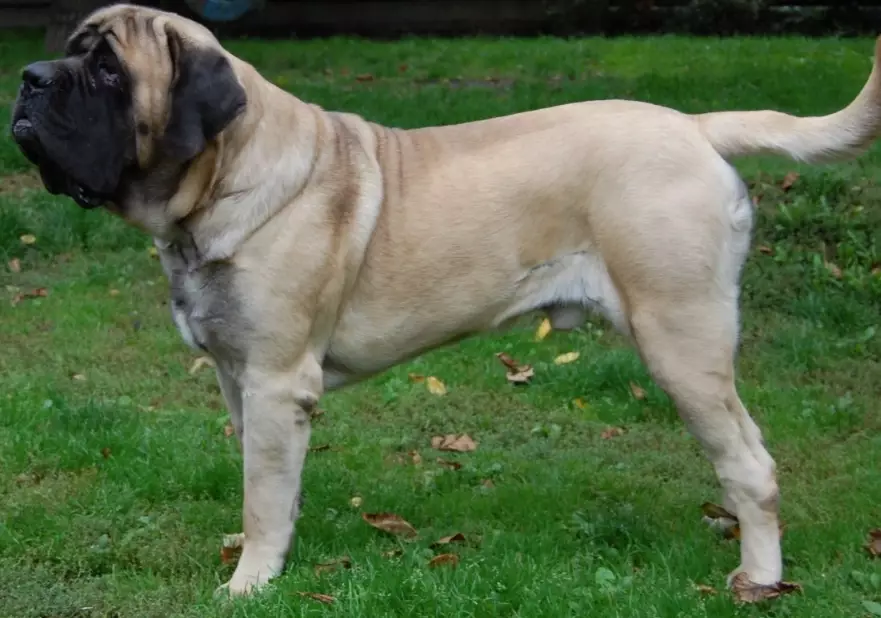
The Reality Check: What It Really Costs to Own a Mastiff
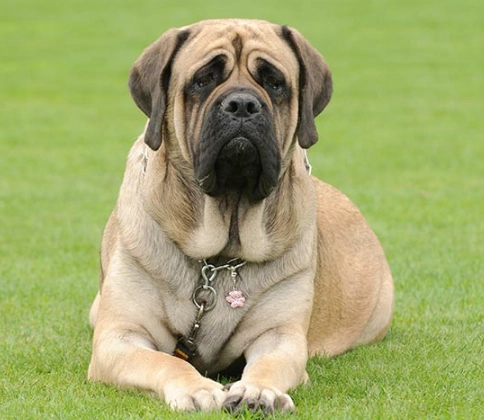
Living with Your Gentle Giant: The Day-to-Day
Training and Socialization: The Non-Negotiables

Exercise: Less Than You Think, But More Strategic
The Drool Factor
Health and Lifespan: The Bittersweet Truth
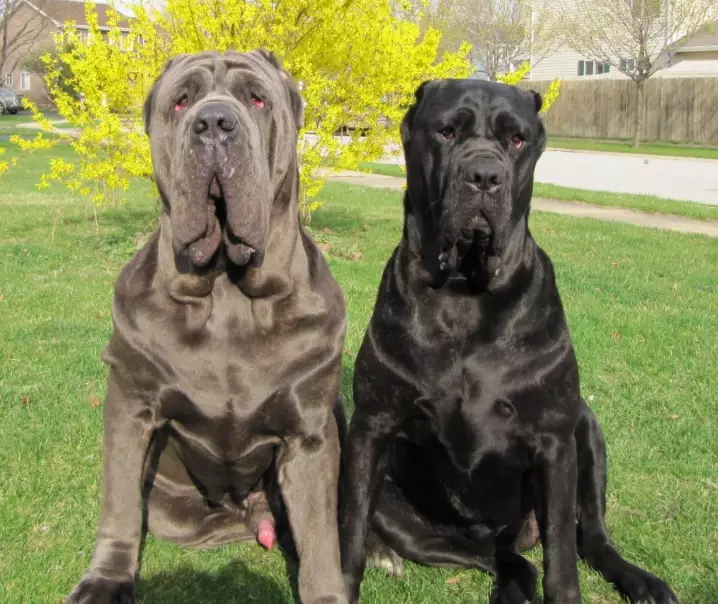
Finding Your Mastiff: Breeder vs. Rescue
Final Thoughts: Is a Mastiff Right for You?
Are Mastiffs good family dogs?
They can be wonderful family dogs. Their patience and gentle nature with children they are raised with are legendary. However, their sheer size is a hazard. A happy tail wag can clear a coffee table. A playful bump can knock a small child over. Supervision is absolutely mandatory, not just for the child's safety, but for the dog's—kids can accidentally hurt a dog too. They are best suited for families with older, calmer children who understand how to interact respectfully with a large animal.
Can a Mastiff live in an apartment?
It's possible, but far from ideal. Their low indoor energy works in their favor. However, you must be incredibly committed to providing sufficient outdoor exercise and potty breaks. Carrying a 180-pound dog down several flights of stairs in a medical emergency is a real logistical nightmare. Access to a secure, ground-level outdoor space is a massive advantage.
Are Mastiffs aggressive?
A well-bred, properly socialized Mastiff is not inherently aggressive. They are protective, which is different. Aggression implies a desire to attack. Protection is a desire to guard and deter. However, due to their power and guardian history, a Mastiff that is poorly bred, unsocialized, or trained with harsh methods can become dangerously aggressive. This is why sourcing and training are everything.
Comment