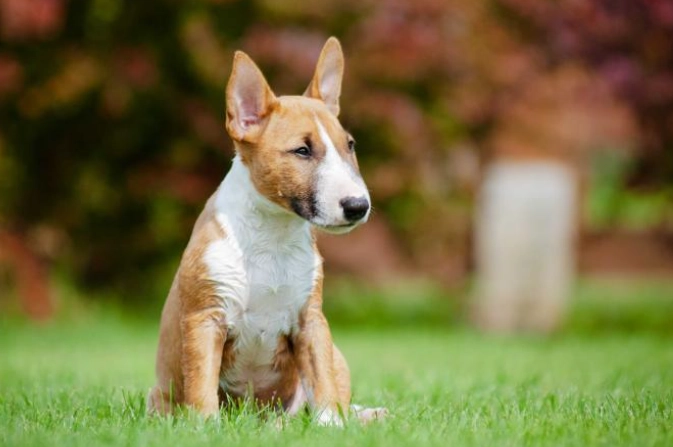
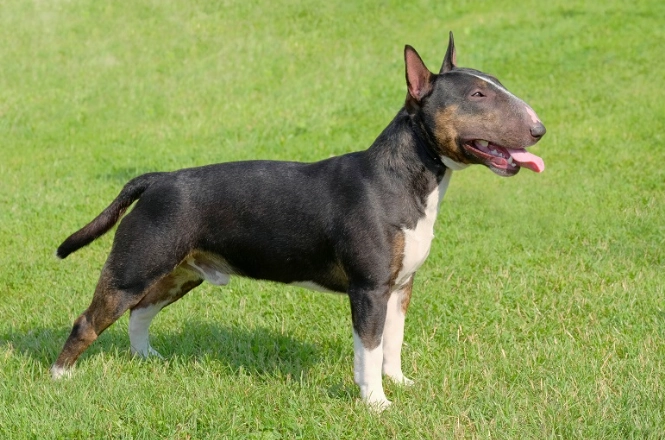
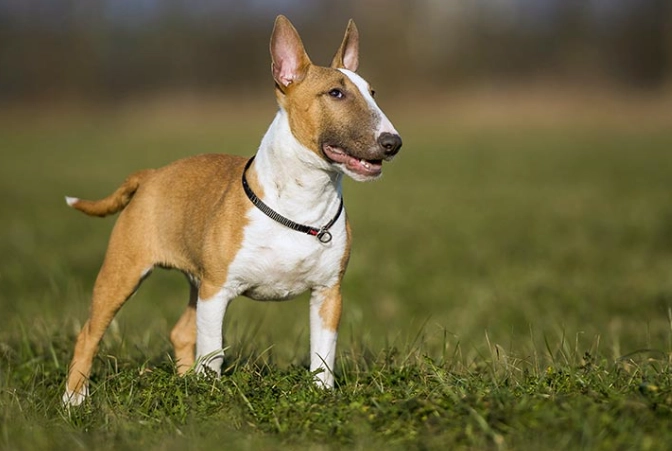
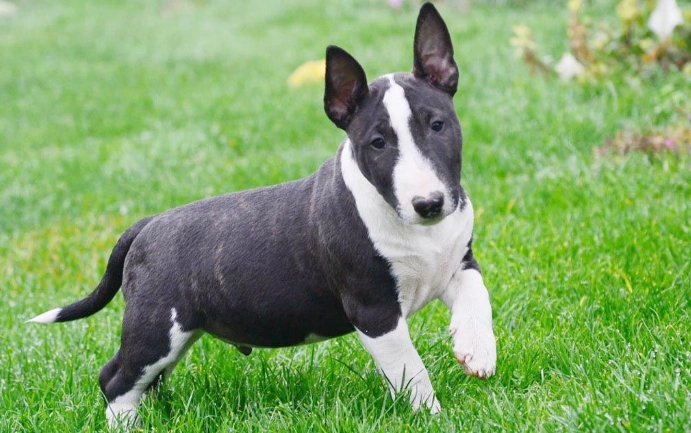
Let's be honest right from the start. You're not here because you want just any dog. You've seen that egg-shaped head, those mischievous little triangular eyes, and that compact, muscular body, and something clicked. The Miniature Bull Terrier has a look that's impossible to ignore – it's either love at first sight or complete bewilderment. I fell into the first camp, and after years of sharing my home with one (and talking to countless other owners, vets, and breeders), I've learned that owning this breed is a unique adventure that's equal parts hilarious, frustrating, and deeply rewarding. This isn't a sugar-coated breed profile. This is the real, down-to-earth handbook I wish I had before I brought my first Miniature Bull Terrier home. We're going to dig into everything: the legendary clownish personality that hides a stubborn streak a mile wide, the health stuff you absolutely must know about, the training battles you will inevitably face (and how to win them), and the day-to-day reality of life with a small dog who thinks he's a giant. Quick Reality Check: The Miniature Bull Terrier is not a scaled-down version of the Standard Bull Terrier in personality. They are their own distinct, powerhouse package. They were bred down from the standard variety in the 19th century, initially by crossing with now-extinct small breeds like the White English Terrier, to create a more compact but equally tenacious ratter and companion. The Kennel Club in the UK officially recognized them as a separate variety in the 1930s. Today, they're a beloved, if unconventional, family member for those who get them. You can spot a Miniature Bull Terrier from a block away. The breed standard, as outlined by authoritative bodies like the American Kennel Club (AKC) and the The Kennel Club (UK), is very specific. The most famous feature is the head. It's described as "egg-shaped" – long, strong, and deep right to the end of the muzzle, with a gently curving profile from the top of the skull to the tip of the nose. No stop (that dip between the eyes you see in most dogs). It gives them a unique, almost otherworldly expression. The eyes are small, triangular, and deep-set, glinting with intelligence and mischief. The body is well-rounded with a short, strong back and a tail that's carried horizontally. They come in two color varieties: white (where the head can have markings, but the body should be pure white) and colored (which includes brindle, fawn, red, black, and tricolor). Now, how do you tell a Miniature Bull Terrier apart from its bigger cousin? It's not just size, though that's the main thing. I've met some Minis that were so stocky and heavy-boned they felt like a bag of cement when you picked them up, easily pushing 30+ pounds but still under that 14-inch height limit. It's all about proportion. This is where people get it wrong. They see the muscular build and the terrier label and think "tough, aggressive dog." Nothing could be further from the truth towards people. With their family, Miniature Bull Terriers are profoundly affectionate, often downright clingy. They want to be in your lap, under your feet, in the bathroom with you. They are hilarious, purposefully goofy clowns who will invent silly games to make you laugh. My own dog, Max, has a nightly ritual of "zooming" around the couch for exactly three minutes before dramatically flopping onto his back for belly rubs. It's a performance, and he knows it gets applause. But here's the critical flip side, the part many first-time owners aren't prepared for: the stubbornness. The independent mind. You don't train a Miniature Bull Terrier through brute force or repetitive drills. You persuade them. You make them think it was their idea. They are problem-solvers, and if the problem is "how do I get that cookie," they'll learn a trick in seconds. If the problem is "how do I avoid coming when called because the sniff under that bush is more interesting," they will become selectively deaf. It's a battle of wits. This requires a nuanced answer. With children in their own family who they are raised with and who treat them respectfully, they can be incredibly tolerant and playful. Their sturdy build means they can handle clumsy kid hugs. However, their high energy and play style (which can involve nipping and bumping) can be too much for very young toddlers. Supervision is non-negotiable. With other pets, caution is the rule. The "bull" and "terrier" in their name aren't for show. They have a strong prey drive. A Miniature Bull Terrier raised from puppyhood with a cat might be fine, but the cat next door sprinting across the yard is a trigger. Same-sex dog aggression, particularly among unneutered males, is not uncommon. Early, extensive, and ongoing socialization is the key, but it's a management tool, not a guarantee. You cannot train out genetics. My friend's Mini lives peacefully with an elderly cat but would absolutely chase a squirrel into traffic. The Big Warning: Dog parks can be a minefield for this breed. Their in-your-face, rambunctious play style is often misinterpreted by other dogs as rudeness or aggression, which can lead to fights. Many experienced owners skip dog parks entirely in favor of playdates with known, compatible dog friends. This is the most important section. Being an informed owner means knowing what can go wrong. Reputable breeders test for these conditions, and you should always ask for proof (OFA, PennHIP, or genetic test certificates). Primary Lens Luxation (PLL): This is a big one. It's a painful, inherited condition where the ligaments holding the eye's lens in place degenerate, causing the lens to dislocate. It often leads to glaucoma and blindness. A simple genetic test exists, and no breeding dog should be used without being tested clear. Ask your breeder for the DNA test results. Patellar Luxation: A fancy term for a slipping kneecap. It's common in many small breeds. You might see the dog skip a step or hold a leg up for a moment. Mild cases are managed with weight control and supplements, severe cases require surgery. Heart Issues: Miniature Bull Terriers can be prone to heart murmurs and mitral valve disease. A vet should listen to their heart at every check-up. Deafness: Especially prevalent in all-white Miniature Bull Terriers. Reputable breeders will BAER (Brainstem Auditory Evoked Response) test their litters to identify deaf puppies. A deaf dog can live a full life but requires specialized training (hand signals) and extra care to keep them safe. Skin Allergies: Many Minis suffer from environmental or food allergies, leading to itchy skin, hot spots, and ear infections. It can be a long, frustrating process of elimination diets and allergy shots to find what works. See what I mean? Not simple. You need a vet who either knows the breed or is willing to learn. Establish care early and stick to a schedule. Here's a basic care timeline I follow: If you want an obedient, submissive dog that follows commands without question, get a Labrador. A Miniature Bull Terrier operates on a partnership model. They respect confidence, consistency, and fairness. Yelling or physical punishment will backfire spectacularly—you'll lose their trust and gain a clever, resentful adversary. What works? Positive reinforcement. And I don't just mean treats (though high-value treats like chicken or cheese are your best friends). Praise, play, and enthusiasm are currencies they spend. Keep training sessions short (5-10 minutes), fun, and varied. End on a success. The non-negotiable commands for a Miniature Bull Terrier are: The biggest mistake is underestimating their intelligence. They get bored easily. Once they know the basics, try puzzle toys, nosework (hiding treats for them to find), or agility. A mentally tired Miniature Bull Terrier is a well-behaved one. They can be notoriously slow to housebreak. Consistency is your only weapon. Take them out first thing in the morning, after meals, after play, and before bed. Praise lavishly for success. Crate training is a lifesaver—it taps into their den instinct and prevents destructive accidents when you can't supervise. Make the crate a happy place with comfy bedding and special treats. This isn't a couch potato dog. A bored, under-exercised Miniature Bull Terrier will invent their own entertainment, and you won't like it (chewed baseboards, shredded pillows). They need a good 45-60 minutes of active exercise daily. This isn't just a slow walk. This is brisk walking, running, fetch in a secured area, or a robust play session. Grooming is easy. Their short, flat coat needs a quick brush with a rubber curry brush or hound glove once a week to remove dead hair. They shed, yes, but it's manageable. Bathe only when necessary to avoid stripping natural oils. The real grooming focus should be on nails (trim regularly), ears (clean weekly), and teeth (brush daily if possible). Feeding is where you control their health. These dogs are food-motivated and can become obese, which exacerbates joint and heart problems. Feed a high-quality, age-appropriate commercial diet or a well-researched raw/home-cooked diet under veterinary guidance. Measure portions, limit treats, and avoid table scraps. I get asked these all the time. Let's tackle them head-on. Towards people? Almost never when properly bred and socialized. They are lovers. Dog aggression or small animal aggression due to prey drive is a different, genetically influenced trait that must be managed responsibly. With good care, a typical lifespan is 11 to 14 years. I've known several that made it to 15. Yes, surprisingly, they can be. Their size is suitable. But the caveat is massive: you must commit to providing their daily exercise needs outside the apartment. A tired Mini is a quiet Mini. A pent-up Mini will drive you and your neighbors crazy. From a reputable, health-testing breeder, expect $1,800 to $3,500+. The price reflects the costs of health testing, proper care for the dam and litter, and registration. A puppy that's significantly cheaper is a major red flag. Always visit the breeder, meet the parents, and see the living conditions. Absolutely. Breed-specific rescues, like those affiliated with the Miniature Bull Terrier Club of America, are fantastic resources. An adult dog's personality is already known, and they often come vetted and assessed. Be honest with the rescue about your lifestyle so they can make a good match. Many rescue dogs make wonderful pets. Look, I adore this breed. Their loyalty, their humor, their larger-than-life personality in a small package is addictive. But I'm not here to sell you one. I'm here to make sure you know what you're signing up for. You might be a good fit for a Miniature Bull Terrier if: you have an active lifestyle, you appreciate a dog with a big personality, you have patience for intelligent stubbornness, you're committed to proper socialization and training, and you're financially prepared for potential health issues. You should probably look at another breed if: you want a low-energy lapdog, you need a dog that's instantly obedient and eager to please in all situations, you have a home full of small pets like rabbits or guinea pigs, or you're looking for a low-maintenance, low-vet-bill pet. Bringing a Miniature Bull Terrier into your life is a commitment to a unique, chaotic, and deeply loving journey. Do your homework, find a fantastic breeder or rescue, and buckle up. It's never boring. And remember, that egg-shaped head holds a mind of its own. Respect it, and you'll have a friend like no other.Inside This Guide
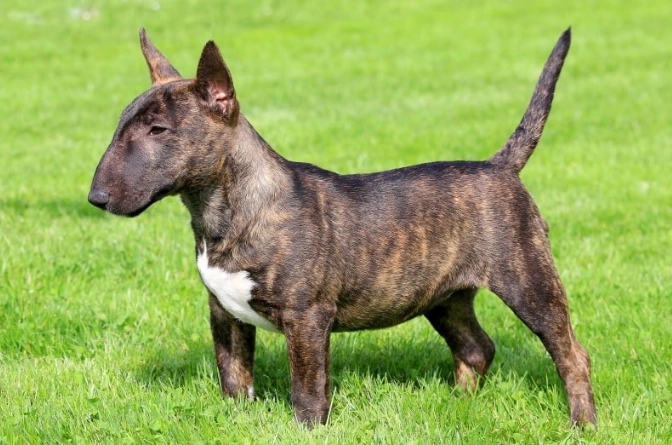
What Does a Miniature Bull Terrier Really Look Like?
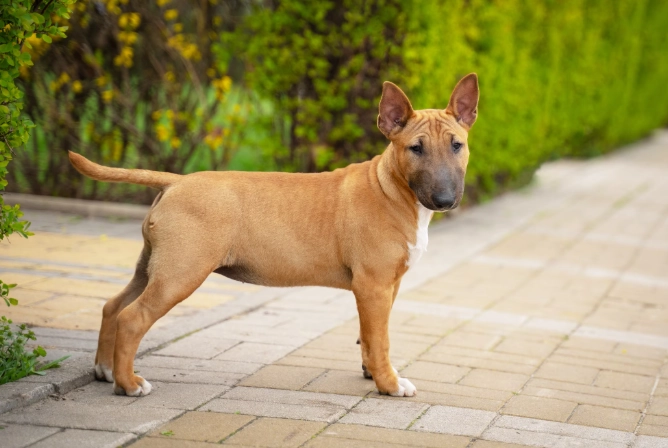
Feature
Miniature Bull Terrier
Standard Bull Terrier
Height
10 to 14 inches at the shoulder
21 to 22 inches at the shoulder
Weight
18 to 28 pounds (but can be more solid)
50 to 70 pounds
Purpose (Historically)
Companion, ratter
Companion, show dog
General Demeanor
Often described as even more energetic and "busy"
Slightly more settled, but still playful
The Infamous Miniature Bull Terrier Personality: Clown or Tyrant?
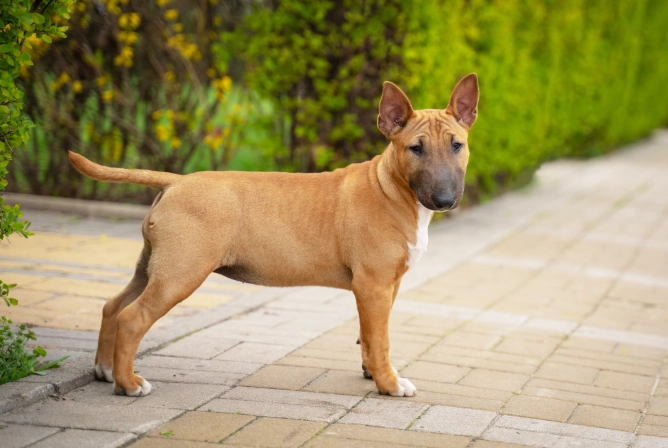
Are They Good with Kids and Other Pets?
Navigating Miniature Bull Terrier Health: What You Must Watch For
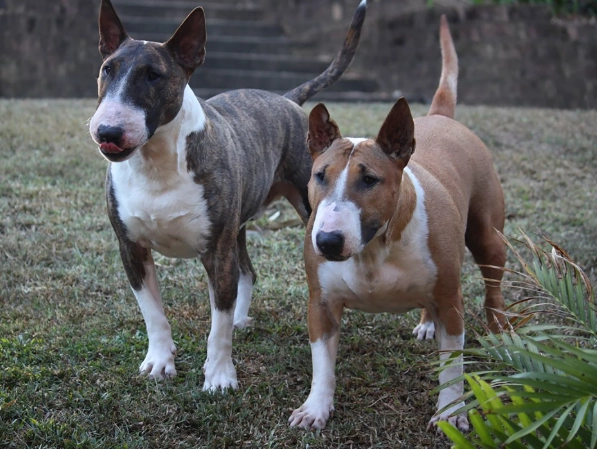
The Training Mountain: Conquering Miniature Bull Terrier Stubbornness
Housebreaking and Crate Training
Daily Life: Exercise, Grooming, and Feeding Your Miniature Bull Terrier
Your Miniature Bull Terrier Questions, Answered
Are Miniature Bull Terriers aggressive?
How long do Miniature Bull Terriers live?
Are they good apartment dogs?
How much do Miniature Bull Terrier puppies cost?
Should I adopt a rescue Miniature Bull Terrier?
Final Thoughts: Is the Miniature Bull Terrier Right for You?
The Miniature Bull Terrier Owner's Handbook: Breed Guide & Essential Care Tips
Comment