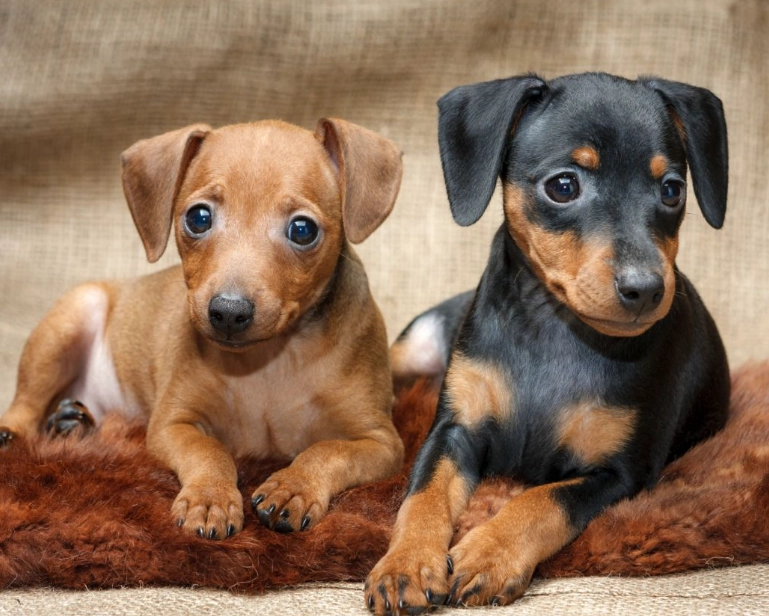
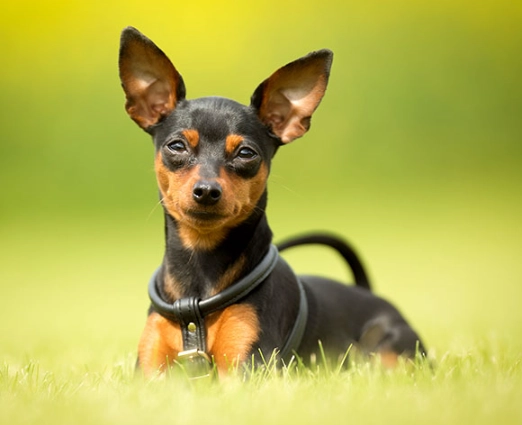
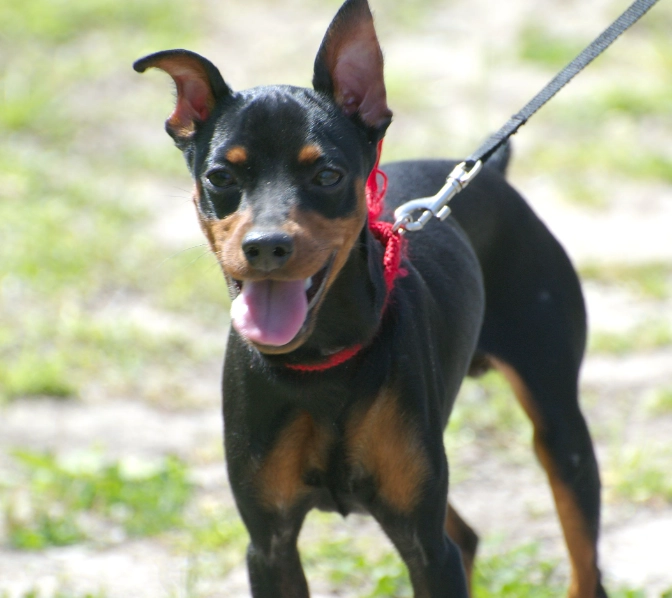
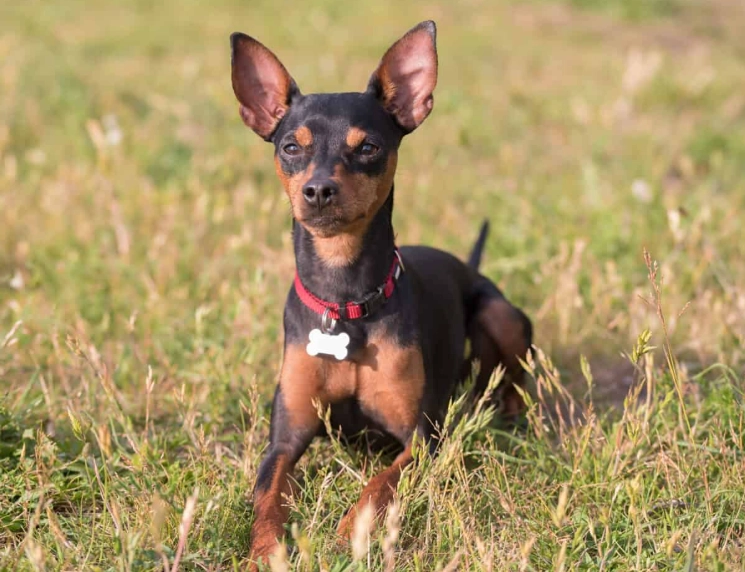
Let me tell you about the first time I truly got the Miniature Pinscher personality. I was at a friend's house, and their little Min Pin, a sleek red guy named Loki, was holding court on the back of the sofa. He wasn't just sitting there; he was surveying his kingdom. A Great Dane walked by the window outside, and instead of hiding, Loki puffed his chest out and let out this defiant, surprisingly loud bark that seemed to say, "I dare you to come in here." That's the essence of this breed in a nutshell. They're often called the "King of Toys," and let me tell you, it's not a cute nickname—it's a warning label and a promise all rolled into one. If you're here, you're probably smitten with those big, expressive eyes, the elegant, streamlined body, and the confident prance. Maybe you saw one strutting in the park, utterly fearless despite being a fraction of the size of the other dogs. But what about the reality? The day-to-day life with a dog that has the ego of a Mastiff packed into a 10-pound body? This guide isn't going to sugarcoat it. We'll dive into everything: the glorious highs, the frustrating lows, the health stuff nobody talks about enough, and whether your lifestyle can actually handle one of these tiny dynamos. I've talked to breeders, owners, trainers, and vets to piece together the real story. This is the biggest misconception, and it drives Min Pin enthusiasts up the wall. The Miniature Pinscher is a distinct, centuries-old breed from Germany. Its development predates the Doberman Pinscher. The "Pinscher" part refers to a type of terrier-like dog, not a specific breed. So while the Doberman was later created (possibly with some Min Pin influence), the Min Pin stands on its own. According to the American Kennel Club's official breed standard, the Miniature Pinscher is "a picture of elegance and animation"—a perfect description for a dog that seems to be perpetually wound up and ready for action. Physically, they're a square-built dog: their height at the shoulder should equal their body length. They have a sleek, short coat that comes in a few classic colors: solid red, stag red (red with black hairs intermingled), black with sharp rust-red markings, and chocolate with rust markings. Those ears can be naturally erect or cropped (though cropping is becoming less common and is banned in many countries), and their tail is often docked where legal, giving them that perky, alert silhouette. People often lump all small dogs together. That's a mistake, especially with a Miniature Pinscher. Here's a blunt comparison: See the difference? The Miniature Pinscher's combination of high energy and independent thinking puts them in their own category. They're not a "starter dog." I've seen too many end up in rescues because someone wanted a small, low-maintenance pet and got a four-legged tornado with opinions instead. This is where you need to be brutally honest with yourself. The AKC standard describes them as "fearless animation." In plain English? They are often oblivious to their own size. A Miniature Pinscher will confidently approach a much larger dog, chase a squirrel across a busy street without a second thought, and defend their home from the terrifying threat of the mail carrier with unwavering bravery (or foolishness, depending on your perspective). They are incredibly loyal to their family but can be aloof or suspicious of strangers. This isn't a dog that will greet every guest with a wagging tail. They might bark, assess from a distance, and then decide if you're worthy of their attention. Socialization from a very young age is non-negotiable. I mean exposing them to all sorts of people, places, sounds, and other friendly dogs in a positive way. Without it, that natural wariness can tip over into fearfulness or aggression. And then there's the clown side. When they're relaxed and feel safe, Miniature Pinschers are hilarious. They have a unique, prancing gait called the "hackney gait," where they lift their feet high like a little horse. They'll do "zoomies" around the house for no apparent reason, and their playful antics can be genuinely entertaining. They form intense bonds with their person and can be wonderfully affectionate—on the couch, under a blanket, on their terms. They just might get up five minutes later to go patrol the perimeter again. They're generally a robust little breed with a lifespan of 12-16 years, but they have some breed-specific vulnerabilities. A responsible breeder will test their breeding stock for these conditions. Always ask to see the results of health clearances from organizations like the Orthopedic Foundation for Animals (OFA) for patellas and hearts. Here are the big ones: Dental disease is also a major issue. Their small mouths mean crowded teeth, which trap plaque and lead to early tooth loss. Daily tooth brushing is the gold standard. I know, it sounds like a hassle, but trust me, the vet bill for a dental cleaning under anesthesia is a much bigger hassle. This is the practical stuff. The good news? Their grooming needs are minimal. A quick weekly brush with a rubber grooming mitt or soft bristle brush is enough to remove dead hair and distribute skin oils. They shed, but it's fine and not usually overwhelming. Bathing is only needed every few months or when they get dirty. The big grooming tasks are nail trimming (their nails grow fast!) and those all-important teeth. This is the most common mistake. They are not couch potatoes. A bored Miniature Pinscher is a destructive Miniature Pinscher. They need both physical and mental exercise. Feed a high-quality, age-appropriate commercial dog food. Because of their small size and high metabolism, many do well on foods formulated for small or toy breed adults, which have smaller kibble size and higher calorie density. Avoid free-feeding (leaving food out all day). Measure their meals and feed twice a day. This helps with potty training and monitoring their appetite, which is an early sign of illness. Treats should make up no more than 10% of their daily calories. Use tiny, low-calorie treats for training. Some Miniature Pinschers can be picky eaters. If this happens, avoid the temptation to keep adding tastier and tastier human food. Offer their meal for 15-20 minutes, then pick it up until the next scheduled mealtime. A healthy dog will not starve themselves. Start the moment you bring your puppy home. Socialization first (puppy classes are fantastic), then basic obedience: sit, stay, come, down, and a solid recall (though you'll still use a leash). Housebreaking can be challenging. They are small, so their bladders are small. Take them out: Praise them lavishly when they go in the right spot. Never punish for accidents inside; just clean it up thoroughly with an enzymatic cleaner. Crate training is a huge help with this process, as dogs naturally avoid soiling their sleeping area. For resources like detailed training guides or finding a certified trainer who uses positive methods, the American Kennel Club's website has excellent directories and articles. It's a trusted source I often point people to. Ask yourself these questions: If you answered "yes" to most of these, a Miniature Pinscher might be a thrilling, rewarding companion. If not, there are many other wonderful small breeds that might be a better fit for your lifestyle. Reputable Breeder: This is the best route for a predictable puppy in terms of health and temperament. A good breeder: You can find a list of breeders who adhere to a code of ethics through the American Kennel Club's marketplace or the Miniature Pinscher Club of America (the official AKC parent club for the breed). Expect to be on a waitlist and pay a premium. Rescue/Adoption: Many Miniature Pinschers end up in shelters or breed-specific rescues due to the reasons we've discussed (energy, stubbornness, owner unpreparedness). Adopting an adult dog can be wonderful—you often know their personality upfront. Search for "Miniature Pinscher rescue" plus your state or region. The adoption process usually involves an application, home visit, and fee. So, there you have it. The unvarnished truth about life with a Miniature Pinscher. They are not for everyone. They are demanding, stubborn, and sometimes exhausting. But for the right person—someone who appreciates a big personality in a small package, who values loyalty and intelligence, and who is ready for a true partnership with a dog that will never be boring—they are utterly irreplaceable. That little "King of Toys" will rule your heart completely, on one condition: you remember that in their mind, they're not a toy at all. It's a commitment, for sure. But for those who click with the breed, there's nothing else like it.Quick Guide
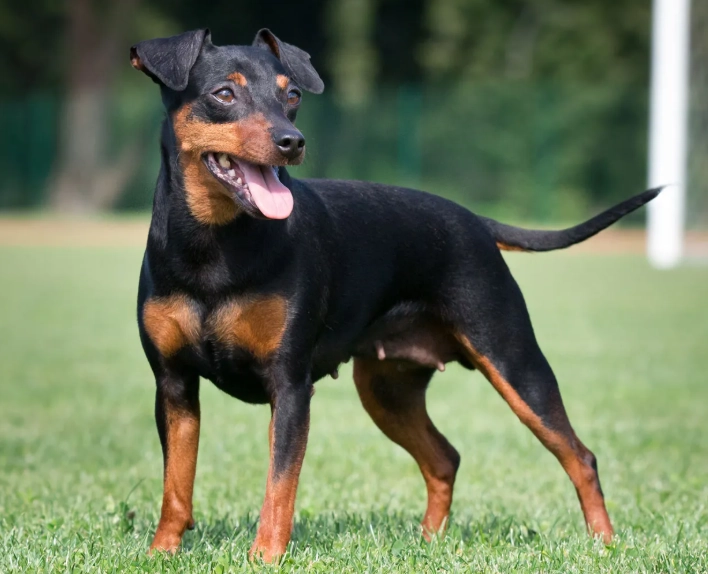
What Exactly Is a Miniature Pinscher? (Spoiler: Not a Tiny Doberman)
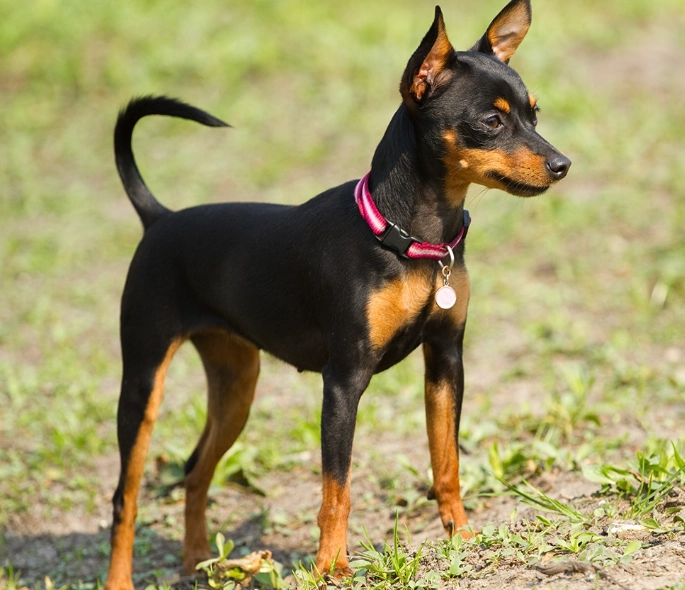
Min Pin vs. Other Small Dogs: A Quick Reality Check
Breed Energy Level Typical Temperament Trainability Good for First-Time Owners? Miniature Pinscher Very High Fearless, Alert, Stubborn, Clownish Moderate (They are smart but question "why?") Often Not Recommended Cavalier King Charles Spaniel Low to Moderate Affectionate, Gentle, Eager to Please High Yes, Excellent Chihuahua Moderate to High Devoted, Saucy, Can be Nervous Moderate Papillon High Happy, Friendly, Energetic Very High Yes Yorkshire Terrier Moderate Feisty, Affectionate, Bossy Moderate 
The Min Pin Personality: Charm, Chaos, and a Whole Lot of Nerve
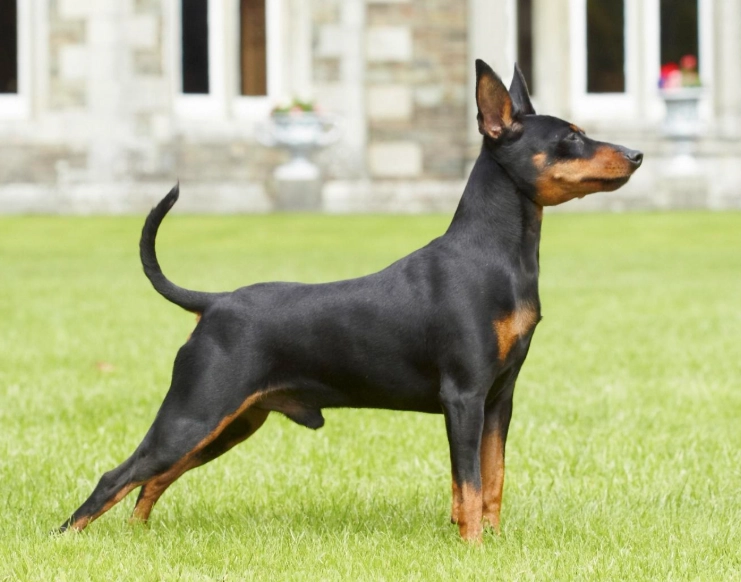
Common Behavioral Quirks (and How to Handle Them)
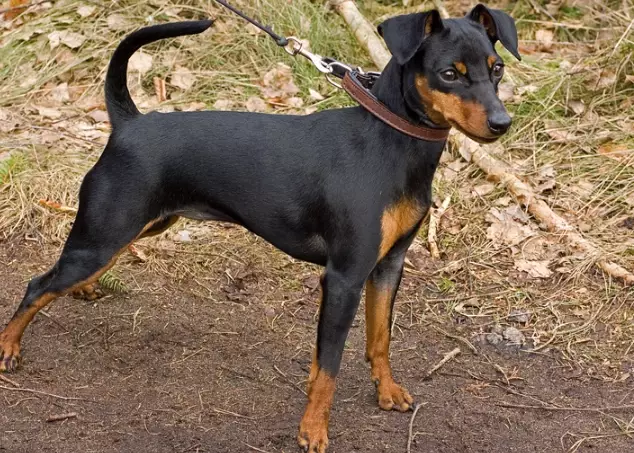
Keeping Your Miniature Pinscher Healthy: What to Watch For
The Day-to-Day: Care, Grooming, and Feeding Your Min Pin
Exercise: More Than a Walk Around the Block
Feeding: Quality Over Quantity
Training Your Miniature Pinscher: Patience, Consistency, and Humor
Is a Miniature Pinscher Right For You? The Honest Checklist
Finding a Miniature Pinscher: Breeder vs. Rescue
Your Miniature Pinscher Questions, Answered
Their primary historical job was as a "rathund"—a rat and vermin hunter in stables and homes. That prey drive and fearless attitude is hardwired. They weren't bred to be lap warmers (though they can be, on their own terms). They were bred to be busy, alert, and deadly efficient with pests.
My friend with Loki, the Min Pin I mentioned, is an experienced dog owner. She says the biggest adjustment was the sheer volume of personality. "He's not a dog that blends in," she told me. "He's a presence. You're always negotiating with him."
A note on small dog syndrome: This is where the dog becomes a tyrant because the owner never sets boundaries ("He's so small, it's cute when he growls!"). It's not cute. It's a stressed, insecure dog. A Miniature Pinscher needs clear, consistent rules just like a German Shepherd. Letting them get away with everything because of their size is a recipe for a neurotic, unhappy pet.
SECURE FENCING IS NON-NEGOTIABLE. Their prey drive is intense. If they see a rabbit, squirrel, or even a blowing leaf, they will take off. And they are fast and agile. A standard 4-foot fence may not contain a determined Min Pin. They are also master escape artists, capable of squeezing through small gaps and digging. A 6-foot solid fence with no gaps and a concrete footer or dig guard is ideal. Never, ever trust them off-leash in an unsecured area.
I remember a trainer once told me, "Training a Min Pin is like negotiating with a very smart, very stubborn toddler who has the physical prowess of a parkour athlete." It's about making them think it was their idea all along.
Are Miniature Pinschers good apartment dogs?
Yes, if their exercise needs are met. They are small and quiet enough (barking aside) for close quarters. But an apartment dweller must be doubly committed to those daily walks, trips to the dog park (in a secure area), and indoor play sessions. A tired Min Pin is a good apartment Min Pin.
Are they good with children?
With proper socialization and respectful, older children, they can be. They are not a rugged breed that can tolerate rough handling, poking, or tail-pulling. They may snap if provoked or feel threatened. They are generally better in homes with children over 8-10 who understand how to interact gently with a small dog.
How long do Miniature Pinschers live?
With excellent care, a lifespan of 12 to 16 years is common. Some even live into their late teens. Their longevity is one of their great attributes.
Do they shed a lot?
They are a low-to-moderate shedder. Their short, sleek hair is easy to manage with weekly brushing, but you will find fine hairs on dark clothing and furniture. It's not comparable to a double-coated breed like a Husky, but it's not non-existent.
Can I run or hike with my Min Pin?
Absolutely! Once fully grown (over 18 months old to protect their joints), a fit and healthy Miniature Pinscher can be a fantastic jogging or hiking partner for moderate distances. They are surprisingly tough and enduring. Just be mindful of hot pavement and their small stride—your 5-mile run might be a marathon for their little legs. Build up distance gradually and always carry water.
Comment