This isn't just a fluffy breed profile. We're going to dig into the nitty-gritty: the grooming demands that nobody really talks about in the cute puppy pictures, the training hurdles that can surprise first-time owners, and the health stuff you absolutely need to know before you commit. By the end, you'll have a crystal-clear picture of whether your lifestyle and this breed's personality are a match made in heaven or a potential recipe for frustration. First things first, let's clear up a common mix-up. Despite their dignified, almost human-like beard and mustache, Miniature Schnauzers are terriers. They were originally bred down from the larger Standard Schnauzer in Germany in the late 19th century to be exceptional ratters on farms. That terrier heritage is key to understanding everything about them – their energy, their intelligence, and their sometimes independent streak. They're the smallest of the three Schnauzer sizes (Miniature, Standard, and Giant), but trust me, they have a personality that fills any room. The American Kennel Club (AKC) recognizes them in the Terrier group, and they consistently rank as one of the most popular dog breeds in the United States, and for good reason. They're a versatile little package. But let's break down that package piece by piece. You can't miss a Mini Schnauzer. Their signature look isn't an accident; it's functional. The wiry double coat protected them from the elements and rodent bites, and those fabulous eyebrows and beard helped keep debris out of their eyes and face while they were hunting in burrows. Today, it just makes them incredibly photogenic. That wiry coat is a double-edged sword. On one hand, it makes the Miniature Schnauzer a contender for people who suffer from allergies, as they shed very little dander compared to many breeds. But here's the trade-off... If you want a boring dog, look elsewhere. The Miniature Schnauzer personality is vibrant, engaging, and full of quirks. They are profoundly loyal to their families and often form a particularly strong bond with one person. They love to be involved in everything you do, whether it's cooking, working from home, or just watching TV. They'll be right there, often on your feet or in your lap. They're famously alert and make excellent watchdogs. Sometimes too excellent. The doorbell, a passing squirrel, a leaf blowing in the wind – all are worthy of a sharp, loud bark. This is a terrier trait. They were bred to alert their owners to vermin. Training can manage this, but it's rare to find a completely silent Schnauzer. If you live in an apartment with thin walls, this is a major point to consider. Intelligence is a hallmark. They learn tricks and commands quickly. But that smart brain comes with an independent will. They can be stubborn. You might get the infamous "Schnauzer stare" when you ask for a sit they don't feel like doing. This isn't a breed that blindly obeys; they like to know why. Training requires patience, consistency, and lots of positive reinforcement (treats are your best friend). Harsh methods will backfire spectacularly. This is a big one. With proper socialization from puppyhood, Miniature Schnauzers can be wonderful with respectful children. They are sturdy enough for gentle play and often have a playful, clownish side kids adore. However, because of their terrier prey drive and sometimes possessive nature, introductions to other household pets – especially small animals like rabbits, hamsters, or even cats – must be done with extreme care and constant supervision. Their instinct to chase small, fast-moving things is strong. With other dogs, they can be scrappy if not properly socialized, sometimes forgetting their small size. Early and ongoing socialization is non-negotiable. Owning a Miniature Schnauzer isn't overly complicated, but it does require a specific routine. They thrive on structure. Don't let the size fool you. This is an energetic breed bred to work all day. A quick walk around the block won't cut it. They typically need 30-60 minutes of dedicated activity daily. This can be a brisk walk, a vigorous play session in a yard, or training games that work their mind. A tired Mini Schnauzer is a good Mini Schnauzer. An under-exercised one will find their own entertainment, and you probably won't like their choices (think: digging, barking, chewing). They excel at dog sports like agility, rally, and earthdog trials, which are fantastic outlets for their energy and intelligence. I've seen Minis absolutely dominate agility courses, their little legs a blur of focused determination. Start training the day you bring your puppy home. Socialization (exposing them positively to different people, places, sounds, and other animals) is arguably more important than teaching "sit" in the first few months. Puppy kindergarten classes are a great investment. Key training areas for a Miniature Schnauzer: Overall, the Miniature Schnauzer is a healthy, robust breed. But like all purebreds, they are predisposed to certain conditions. Responsible breeders test their breeding stock for these issues. Always ask to see health clearances for the parents (from organizations like the Orthopedic Foundation for Animals - OFA). Here are the main health concerns to be aware of: The dietary needs of a Miniature Schnauzer are specific. That "all you can eat" approach with high-fat food is a direct ticket to pancreatitis and obesity. Portion control and high-quality, breed-appropriate food are critical. My vet put my first dog on a low-fat prescription diet at age 5, and it made a world of difference in his energy and health. Finding a good vet who understands the breed's peculiarities (especially the pancreatitis risk) is worth its weight in gold. Let's tackle those late-night search queries head-on. They can be, but with a caveat. If you're a committed, patient first-time owner willing to invest in training and grooming, yes. If you're looking for the absolute easiest, lowest-maintenance dog, probably not. Their intelligence and stubbornness can be frustrating for someone unprepared. They shed minimally compared to breeds with a single coat. You won't find tumbleweeds of fur. However, the loose hairs get trapped in their wiry topcoat, which is why daily or every-other-day brushing is needed to pull them out. Otherwise, they contribute to matting. Surprisingly, yes, provided their exercise needs are met. Their size is perfect. The main hurdle is the barking. You must be diligent about training to control alert barking at every neighbor noise. Early socialization is key. They can be dog-selective. Some are social butterflies, others prefer their human pack. Same-sex aggression (especially between unneutered males) can occur. Proper introductions and managed playdates are important. 12-15 years is common. Senior Miniature Schnauzers often remain playful and alert well into old age. Common age-related issues include dental disease, arthritis, and the health conditions listed above. Biannual vet visits become crucial after age 8 or 9. The name comes from the German word "Schnauze," meaning "snout" or "muzzle," a reference to their distinctive bearded muzzle. Let's summarize with a brutally honest checklist. You and a Miniature Schnauzer might be a perfect match if you: You should probably reconsider a Miniature Schnauzer if you: The journey with a Miniature Schnauzer is incredibly rewarding. They are dogs with huge personalities, boundless love for their family, and a sense of humor that will keep you laughing for years. But they demand an owner who is a true partner – one who provides structure, engagement, and care tailored to their unique needs. Do your homework, find a reputable breeder who prioritizes health and temperament, or consider a wonderful adult dog from a breed-specific rescue. Bringing a Miniature Schnauzer into your life isn't just getting a pet; it's gaining a charismatic, bearded little family member who will leave paw prints all over your heart. Just be prepared to buy a lot of brushes. And earplugs. Maybe some extra-strong stain remover for that beard after they drink water. Totally worth it, though.Quick Guide
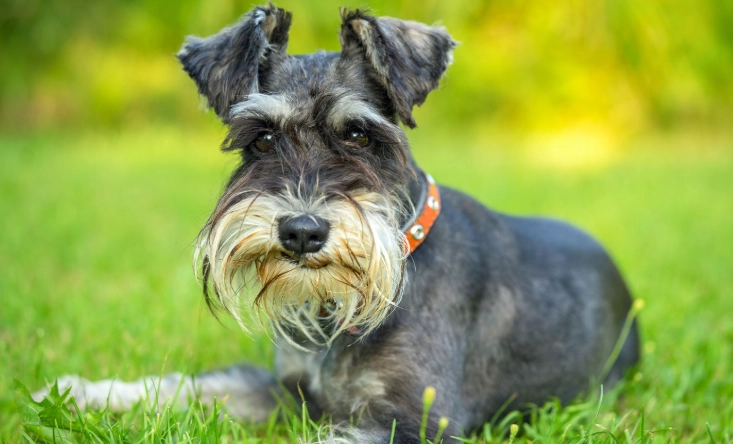
What Exactly Is a Miniature Schnauzer?
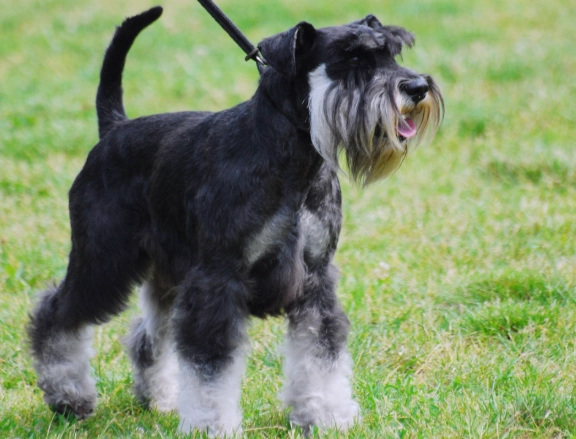
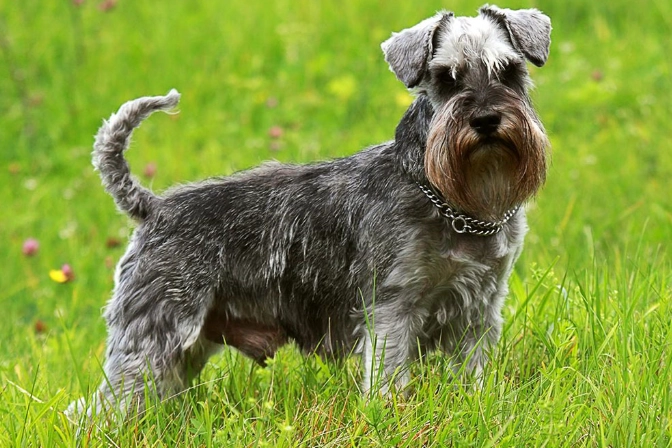
The Look: More Than Just a Funny Face
Feature
Description
Note for Owners
Size
12 to 14 inches at the shoulder. Weight typically 11 to 20 pounds.
Solidly built, not delicate. A true "big dog in a small package" feel.
Coat
Double coat: a soft undercoat and a hard, wiry outer coat.
This is the source of the famous grooming needs. It doesn't shed much, but it mats and requires stripping or clipping.
Colors
Salt & Pepper, Black & Silver, Solid Black.
Salt & Pepper is the most common and classic. The coat color can change slightly as they mature.
Eyes & Expression
Dark, oval eyes. The combination of brows and beard creates an alert, intelligent expression.
They are masters of the "side-eye." You will feel judged sometimes.
Tail & Ears
Traditionally docked and cropped in show rings, but natural tails and floppy ears are increasingly common.
A personal/ethical choice. Natural ears are adorable and require no aftercare.
Lifespan
Generally 12 to 15 years.
A long-term commitment! With good care, many live well into their teens.
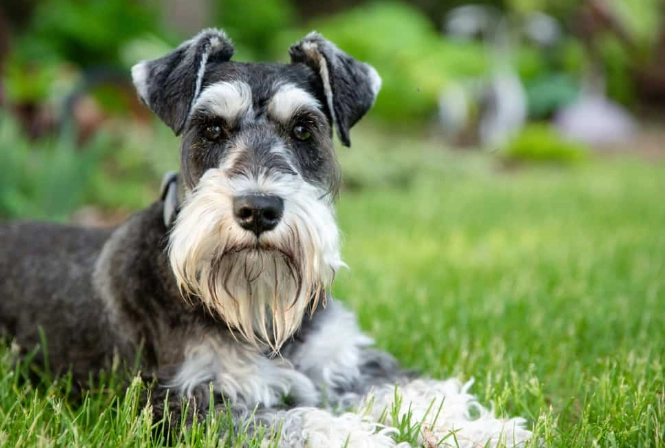
The Miniature Schnauzer Temperament: Charismatic, Clever, and... Challenging?
Are They Good With Kids and Other Pets?
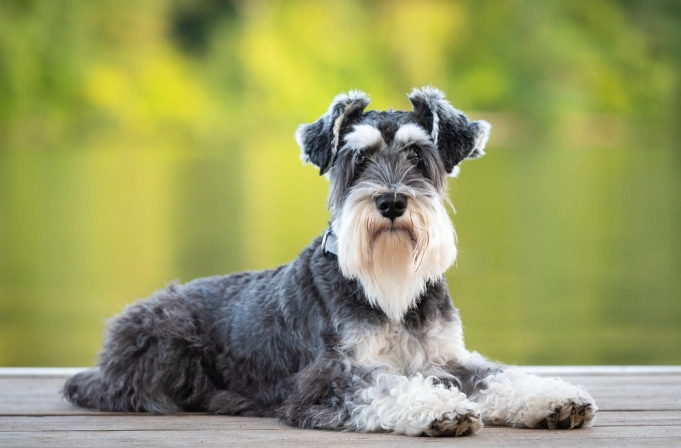
The Day-to-Day: Care, Exercise, and Training
Exercise Needs: More Than a Lapdog
Training: Be the Leader, But Be Fair
Health Considerations: What to Watch For
Condition
Description
Prevention/Management
Pancreatitis
A serious inflammation of the pancreas. Very common in the breed.
Feed a low-fat diet. Absolutely no table scraps, especially greasy ones. Know the symptoms (vomiting, hunched back, abdominal pain).
Bladder Stones (Urolithiasis)
Formation of stones in the urinary tract, often calcium oxalate.
Ensure constant access to fresh water. Special prescription diets may be needed if prone. Regular vet checks.
Hyperlipidemia
High levels of fats (lipids) in the blood.
Often managed with a lifelong low-fat diet. Diagnosed via blood test.
Diabetes Mellitus
More common in middle-aged, overweight Minis.
Maintain a healthy weight through diet and exercise. Know symptoms (excessive thirst, urination, weight loss).
Eye Problems
Progressive Retinal Atrophy (PRA), Cataracts.
Reputable breeders do annual eye exams (CERF). Regular vet ophthalmologist check-ups.
Skin Issues
Comedone Syndrome ("Schnauzer bumps"), allergies.
Regular grooming, medicated shampoos, identifying allergy triggers (food/environmental).
Frequently Asked Questions (The Real Stuff People Google)
Are Miniature Schnauzers good for first-time dog owners?
Do they really not shed?
Are they good apartment dogs?
How are they with other dogs?
What's their lifespan, and what are senior years like?
Why are they called "Schnauzer"?
Making the Decision: Is a Miniature Schnauzer Right for YOU?
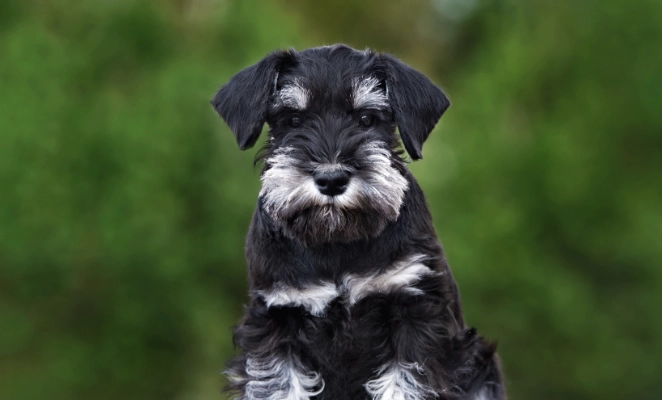
Let's be honest, you've probably seen one. That little dog with the bushy eyebrows, the wiry coat, and an expression that somehow manages to look both fiercely intelligent and slightly disapproving all at once. Maybe you spotted one trotting proudly beside its owner in the park, or perhaps a friend has one that completely stole your heart. The Miniature Schnauzer is one of those breeds that leaves an impression. But what's it really like to live with one? Is the hype about their being great family dogs true, or is there a catch? I've been around this breed for years, and I'm here to walk you through the absolute good, the occasionally bad, and the sometimes downright stubborn reality of life with a Mini Schnauzer.
Grooming Reality Check: The "low-shedding" label is technically true, but it's often misinterpreted as "low-maintenance." Nothing could be further from the truth. If you don't brush them regularly, that wiry coat turns into a solid, painful mat near the skin. And every 4-8 weeks, they need a professional grooming session (clipping or hand-stripping) to maintain the texture and look. This is a significant ongoing cost and time investment. I learned this the hard way with my first one, Max. I thought I could manage it myself. The result was a lopsided, slightly traumatized dog and a bathroom covered in hair clippings. I now budget for a groomer.
My Experience: My Max would bark at the microwave beep. Not the food inside, mind you, but the beep itself. He decided it was an intruder alert from a futuristic enemy. We had to work on "quiet" commands for months. It's a work in progress, even now.
The goal with a Miniature Schnauzer isn't to break their spirit, but to channel their formidable intelligence and energy into positive behaviors. It's a partnership.
Comment