Let's be honest right from the start. You're probably here because you've seen a picture of a Neapolitan Mastiff. Maybe it was on social media, a massive, wrinkly, majestic beast that looks like a living statue from ancient Rome. And you thought, "Wow. I want that." I get it. I felt the same way a decade ago before I got my first giant breed. But here's the thing they don't always show you in those glamour shots: the drool on the ceiling. Seriously. The Neapolitan Mastiff isn't just a dog; it's a commitment of epic proportions. It's like deciding to adopt a small, loving bear that sheds and requires its own towel collection. This guide isn't going to sugarcoat it. We're going to dig into the glorious, messy, challenging, and incredibly rewarding reality of sharing your life with one of these ancient guardians. If you're just looking for breed stats, you can find those anywhere. But if you want to know what it's actually like, the good, the bad, and the downright slobbery, you're in the right place. This breed isn't some modern designer creation. Their history is written in their DNA and their unmistakable face. Think of them as canine historians. The Neapolitan Mastiff's ancestors were the giant molosser dogs used by the Roman army. After the fall of Rome, these dogs survived in the Campania region of Italy, around Naples (hence the name), where they were used for guarding estates and property. They weren't bred for speed or herding. They were bred for one primary job: to stand their ground and deter intruders through their sheer, intimidating presence. Every characteristic of the modern "Neo" serves that ancient purpose. The loose, thick skin and wrinkles? It was meant to protect vital areas in a fight, allowing an attacker to grab skin without reaching muscle. The deep, booming bark? A warning system that carries for miles. Their deliberate, rolling gait? It conveys power and stability, not haste. The breed was nearly lost after the World Wars but was revived by a group of dedicated Italian fanciers. The American Kennel Club officially recognized the Neapolitan Mastiff in 2004. But despite their modern recognition, they remain a primitive breed in spirit. You're not getting a labrador in a wrinkly suit. You're getting a piece of living history with a mind of its own. That history matters. It explains why they act the way they do. This is the most misunderstood part of the breed. People see a 150-pound dog with a scowling face and assume aggression. That's a mistake. A well-bred, properly socialized Neapolitan Mastiff is typically a calm, steady, and profoundly loyal dog. They are famous for their patience with their own family, especially children. They often seem to adopt a "nanny" role, positioning themselves between the kids and the door, watching over them with a solemn dignity. But here's the critical distinction: their loyalty is selective. They are naturally aloof and suspicious of strangers. This isn't a dog that will greet every guest with a wagging tail. They will assess. They will watch. They may place themselves between you and the newcomer. This is not a fault; it's the breed's core function. The key is teaching them that you are the one who makes the final call on who is a friend. If you signal that a guest is welcome, a good Neo will stand down—though they may keep a watchful eye. Their protective instinct is territorial and family-oriented. It's not driven by prey drive or hyperactivity. It's a calm, calculated vigilance. They are often described as "cat-like" in their independence and their tendency to find a high-traffic spot in the home to lounge and observe the household's comings and goings. You cannot skip this. From the moment your Neapolitan Mastiff puppy comes home, you need to gently and positively expose them to the world. This doesn't mean taking an unvaccinated puppy to a dog park. It means controlled, positive experiences. The window for primary socialization closes around 14-16 weeks. What you do (or don't do) in that time will shape your dog's worldview for life. A poorly socialized Neapolitan Mastiff can become a fearful, unpredictable, and dangerous animal. It's that serious. Let's talk numbers, because with a Neapolitan Mastiff, the numbers are staggering. That weight isn't fluffy. It's dense, muscular, and heavy. When a 140-pound Neapolitan Mastiff decides it doesn't want to move, it becomes a furry boulder. When it leans against you, it feels like a warm wall collapsing. You need to be physically capable of handling this. Giant breeds come with giant health challenges. Being aware and working with a responsible breeder who does health testing is your first line of defense. The Orthopedic Foundation for Animals (OFA) and similar databases are where reputable breeders post their dogs' health clearances. Always ask for these. The lifespan of a Neapolitan Mastiff is typically 7 to 9 years. Some live longer, but you must go into this knowing your time with them will be shorter than with a smaller dog. It's the heartbreaking trade-off for their magnificent presence. This is where the romance of owning a Neapolitan Mastiff meets the reality of paper towels and wet wipes. You don't just brush a Neo. You maintain an ecosystem. Their short coat is easy in one sense—it doesn't need haircuts. But it sheds, and the shedding is impressive. A rubber grooming mitt or a stiff bristle brush used a few times a week will help manage the hair tumbleweeds. The wrinkles, especially the massive facial fold (the "dewlap") and the folds above the eyes, are a daily commitment. Moisture, food, and gunk get trapped in there. If left alone, it leads to nasty infections that smell like old cheese. You need to get in there every single day with a soft, damp cloth, dry it thoroughly, and maybe use a vet-approved powder or wipe to keep the area dry. After they drink water, you'll need to dry their jowls. It's a ritual. Now, the drool. Let's have a real talk. Neapolitan Mastiffs are legendary droolers. It's not constant, but it's triggered by excitement, anticipation of food, heat, or just moving their head. It will fly. It will land on your walls, your TV screen, your ceiling (I'm not kidding about that), and your clothes. You will carry a "drool rag" at all times. If the sight of long, ropy strands of saliva bothers you, this is not your breed. It's a fact of life. Contrary to their size, Neapolitan Mastiffs are not high-energy dogs. They are sprinters, not marathon runners. A couple of short, leashed walks a day and some playtime in a securely fenced yard are usually sufficient. Puppies have more energy, but their growing joints are vulnerable, so forced exercise like long runs is a no-go. They are indoor dogs. They cannot live outside. Their short coat offers little protection from heat or cold. They want to be with their people. That means you need space. They don't need a mansion, but they need room to sprawl on a cool floor. They are notorious for finding the most inconvenient spot to lie down, like in the middle of a hallway or right in front of the refrigerator. A secure, tall, strong fence is non-negotiable. A typical 4-foot fence is a step-over for a determined Neo. You need 6 feet, minimum, and it must be sturdy. Their protective nature means they may patrol the perimeter, and a flimsy fence won't contain them. You cannot physically force a Neapolitan Mastiff to do anything. Their training is built on mutual respect, clear communication, and consistency. They are intelligent but can be stubborn. They ask, "Why should I?" I'm not a fan of harsh, dominance-based methods with any dog, but with a Neapolitan Mastiff, they are particularly counterproductive. They can create a fearful or resentful animal. You want a thinking partner, not a cowed subordinate. Enrolling in a well-run puppy kindergarten and later a basic obedience class with a trainer experienced in giant guardian breeds is one of the best investments you can make. Training never really ends. It's a conversation that lasts their whole life. Be prepared for sticker shock. A Neapolitan Mastiff puppy can eat 4-8 cups of high-quality large-breed puppy food per day, split into 3 meals to help prevent bloat and support steady growth. An adult can easily consume 8-10 cups of food daily. We're talking about a 40-50 lb bag of premium food every few weeks. Large-breed puppy food is essential. It's formulated with controlled calcium and phosphorus levels to support slow, steady bone growth, reducing the risk of developmental orthopedic diseases. Your vet can recommend a good brand. The FDA's pet food information page is a good place to start understanding regulations and safety. Beyond food, factor in: This is the single most important decision you will make. A good breeder is your partner for the life of the dog. Here’s what to look for: The best place to start is the national breed club. In the United States, that's the Neapolitan Mastiff Club of America (NMCA). Their website has breeder referrals and a wealth of breed-specific information. A good breeder listed with the NMCA is your safest bet. Run, don't walk, away from breeders who: After all this, you might be wondering why anyone would want one. I'll tell you. When you earn the trust and loyalty of a Neapolitan Mastiff, it's unlike any other relationship. There's a profound, quiet dignity to them. Their love is not effusive; it's a deep, steady current. The feeling of safety when they're by your side is tangible. Watching them watch over your family with such solemn responsibility is humbling. But you have to be the right person. You need to be a leader, a caretaker, a patient trainer, and an enthusiastic cleaner. You need space, time, and a significant financial cushion. You need to understand that you are inviting a powerful, primitive, and sensitive soul into your home. If you've read this far and your reaction isn't fear, but a thoughtful, "I can handle that," then you might just be the right match for one of these magnificent, messy, marvelous creatures. Do your homework, find that exceptional breeder, and prepare for a life-changing adventure. Just buy the paper towels in bulk.Your Mastiff Journey Map

What Exactly Is a Neapolitan Mastiff? A History Lesson

The Neapolitan Mastiff Temperament: Guardian, Not Aggressor
Socialization: Non-Negotiable from Day One
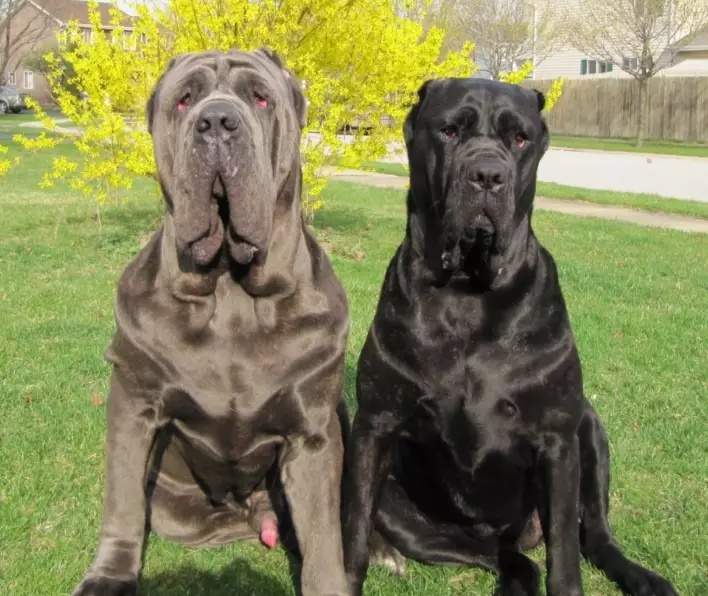
The Physical Reality: Size, Health, and That Famous Face
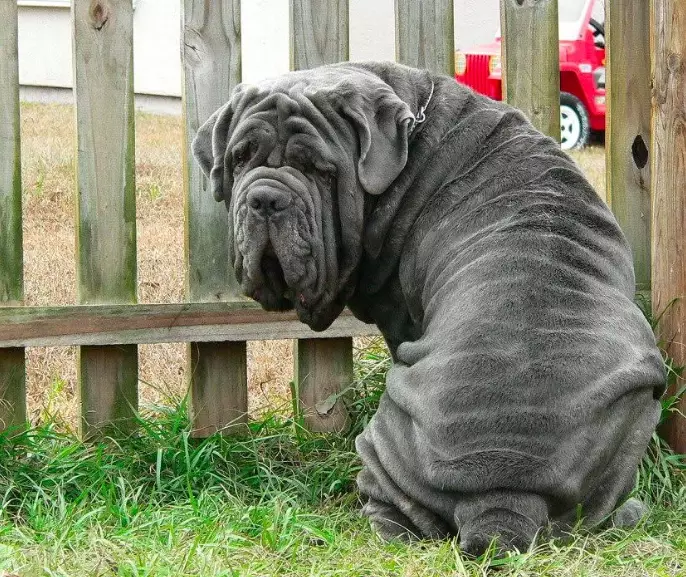
Gender
Height (at shoulder)
Weight
Key Note
Male
26-31 inches (66-79 cm)
130-155 lbs (59-70 kg)
Can easily exceed 160 lbs. Mass is more important than height.
Female
24-29 inches (61-74 cm)
110-130 lbs (50-59 kg)
Still an immensely powerful animal.
Major Health Concerns You Must Be Prepared For
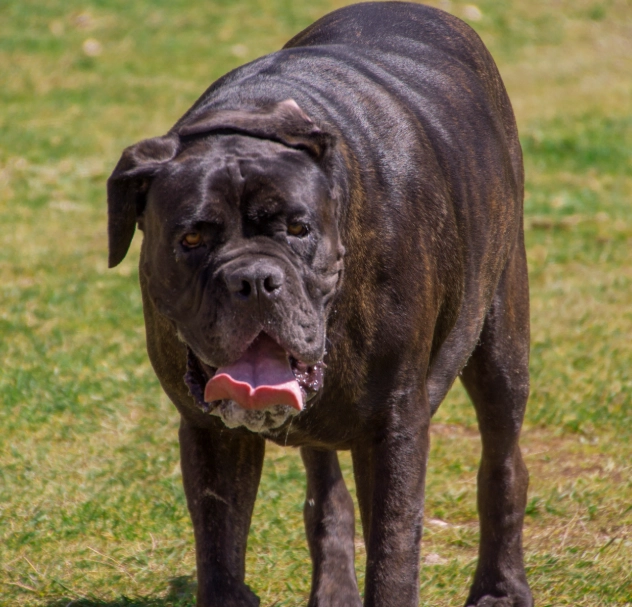
The Daily Grind: Care, Grooming, and the Drool
Grooming: It's More Than a Bath
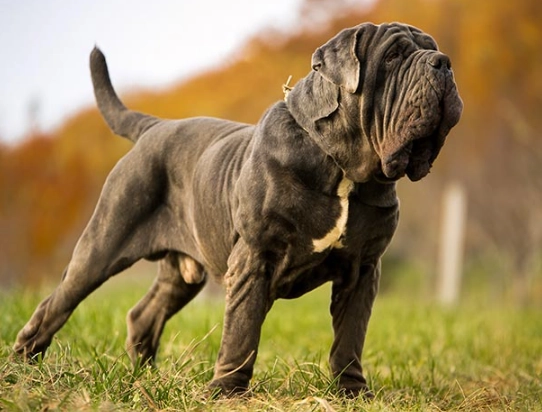
Exercise and Living Space
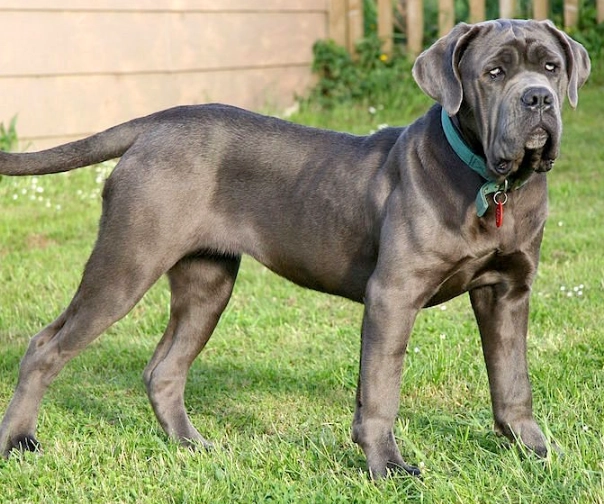
Training Your Neapolitan Mastiff: Respect, Not Domination
Feeding the Beast: Costs and Nutrition

Finding a Reputable Neapolitan Mastiff Breeder
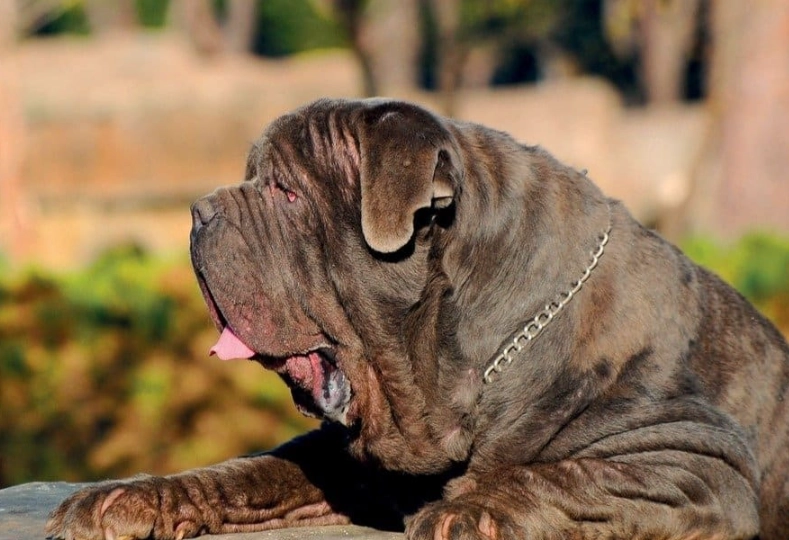
Final Thoughts: Is the Neapolitan Mastiff Right for You?
Bottom Line Up Front: A Neapolitan Mastiff is a loyal, protective, and calm family guardian. They are not for first-time dog owners, small living spaces, or anyone faint of heart (or faint of cleaning). They require an owner who understands canine psychology, has a strong backbone, and a truly massive budget for food and potential vet care.
The Big Warning: That same protective instinct, if not properly channeled through early socialization and consistent training, can become problematic. Fearfulness or over-protectiveness in a dog this size is a serious liability. This is why the Neapolitan Mastiff is emphatically NOT recommended for novice owners.
Pro Tip on Vets: Not all veterinarians are experienced with giant, brachycephalic (short-faced) breeds. Before you even get your puppy, find a vet who has handled Neapolitan Mastiffs, English Mastiffs, or similar. They'll understand anesthesia risks, appropriate drug dosages, and how to handle their unique physiology.
Are Neapolitan Mastiffs good with other pets?
It depends heavily on early socialization and individual temperament. They can do well with other dogs, especially if raised together, but their size can be a hazard during play. Their strong guarding instinct can sometimes extend to "their" cats, but introductions to smaller animals must be done with extreme caution and supervision. They have a low prey drive compared to some breeds, but it's not zero.
How much does a Neapolitan Mastiff puppy cost?
From a reputable breeder who does full health testing on the parents, titles their dogs (showing they are good examples of the breed), and raises puppies in a home environment, expect to pay between $2,500 and $4,000 USD, sometimes more. A puppy priced significantly lower is a major red flag and likely comes from a backyard breeder or puppy mill, which almost guarantees higher vet bills and behavioral issues down the line.
Can a Neapolitan Mastiff live in an apartment?
It's possible, but incredibly challenging and not ideal. They need immediate access to a potty area, and their size alone can overwhelm a small space. Their deep bark will disturb neighbors. If you live in an apartment, you must be fanatical about exercise, training, and finding safe outdoor spaces. A house with a yard is a much better fit for this breed.
Comment