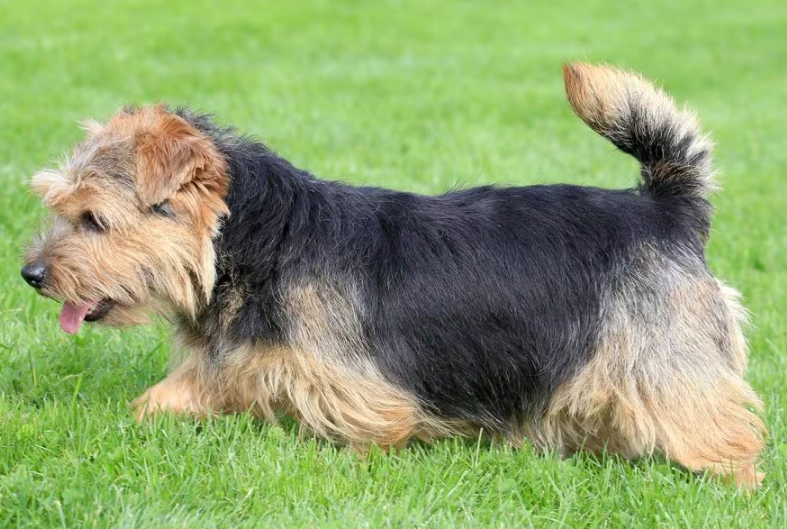
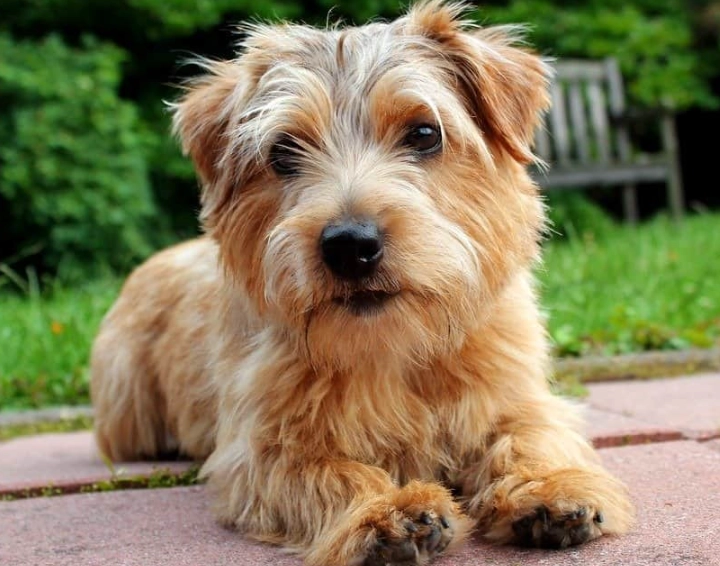
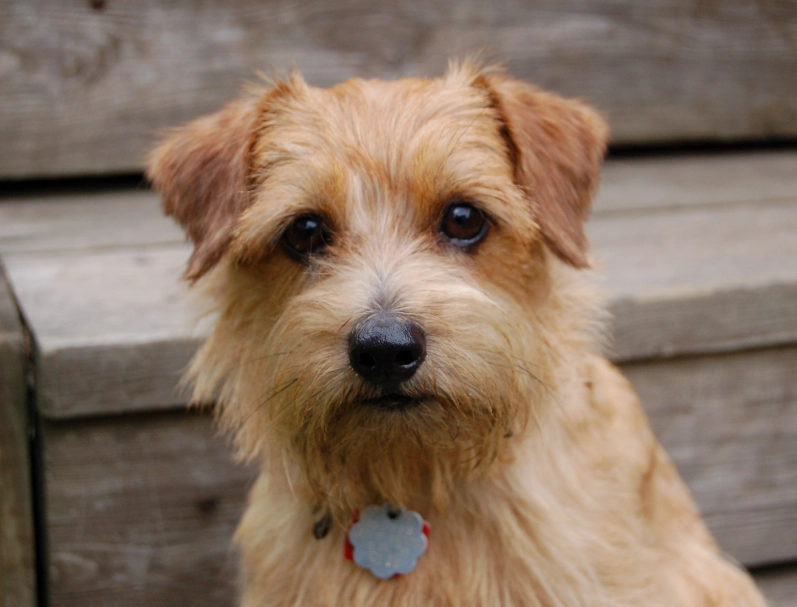
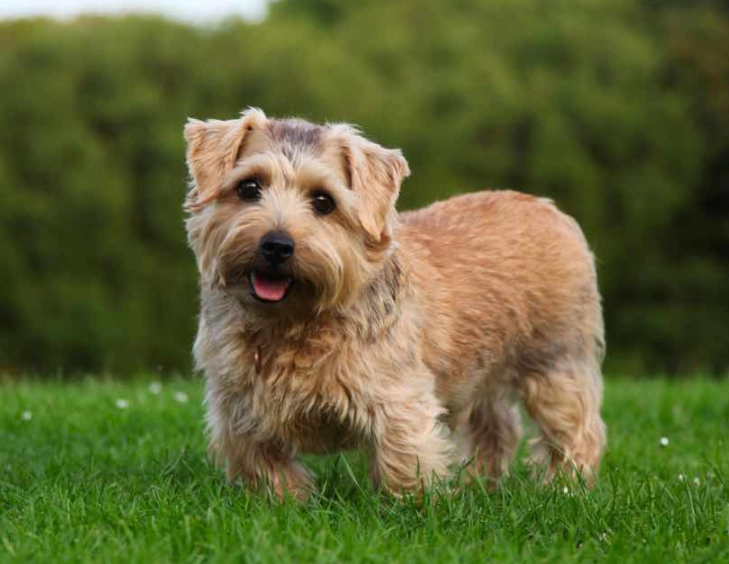
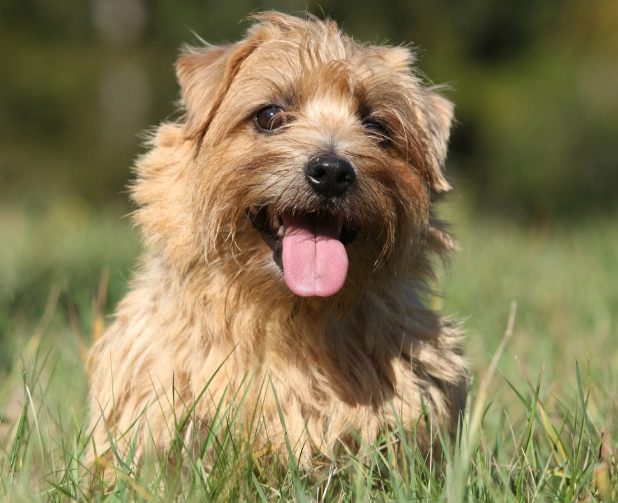
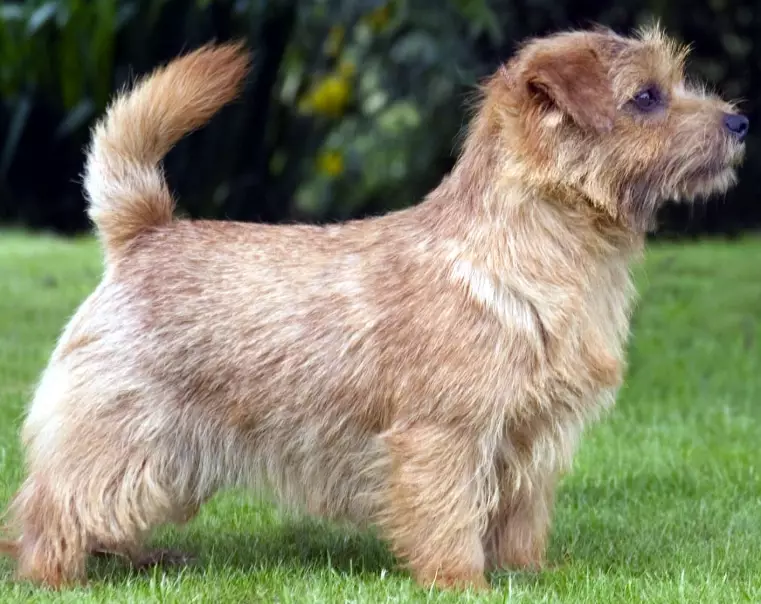
Let's talk about Norfolk Terriers. You've probably seen a picture – a little, wiry-coated dog with bright eyes and ears that tip forward, looking like it's ready for absolutely anything. Maybe you met one at the park and were charmed by its confidence in a small package. I get it. I've been there. I fell for one years ago, and it led me down a rabbit hole of learning everything I could about this particular breed. They're often lumped in with other small terriers, but let me tell you, the Norfolk Terrier has its own unique vibe. It's not just a lapdog, though it can be wonderfully cuddly. It's not a yappy accessory dog, though it will definitely let you know if someone's at the door. It's a proper terrier, bred to work, stuffed into a 10-to-12-pound frame. That contradiction is what makes them so fascinating, and honestly, sometimes a handful. This guide isn't just a rehash of breed standard facts. It's what I wish I'd known before I brought my first Norfolk home. We'll dig into the real personality, the not-so-glamorous parts of care, how to find a good breeder (and why it's so crucial), and whether your lifestyle is actually a match for this spirited little dog. First, a bit of history to understand what we're dealing with. The Norfolk Terrier, along with its close cousin the Norwich Terrier (the one with prick ears), originated in East Anglia, England. They were the ultimate ratter and fox-bolter for Cambridge University students and country gentlemen. Their job was to chase vermin into holes and either dispatch them or chase them out for larger hounds. This means they are instinctually brave, tenacious, and independent thinkers. For most of their history, the drop-eared (Norfolk) and prick-eared (Norwich) varieties were considered the same breed. It wasn't until 1964 in the UK and 1979 by the American Kennel Club (AKC) that they were officially split into two separate breeds. The key difference is solely the ears. The Norfolk Terrier has neat, folded, v-shaped ears that drop forward close to the cheek. That's it. Everything else about the breed standard is essentially identical. Physically, they're described as "a perfect demon" in a small space. They're low to the ground, stocky, and have good bone substance. That double coat is weather-resistant: a hard, wiry topcoat and a soft, warm undercoat. Colors range from all shades of red, wheaten, black and tan, to grizzle. They move with purpose and drive, not a delicate trot. This is where people get tripped up. They see a small, adorable dog and assume it will be placid and easy-going. A Norfolk Terrier is many wonderful things, but "placid" is rarely one of them. Here’s the real personality breakdown: Fearlessly Affectionate: They form incredibly strong bonds with their families. My own dog is my shadow, content to be wherever I am, whether I'm working or relaxing. They are known for being good with sensible children, making them a potential family pet. Adaptable and Portable: Their size is a huge plus. A Norfolk Terrier can thrive in an apartment as well as a house with a yard, as long as their exercise needs are met. They're easy to travel with. Intelligent and Alert: They learn quickly and are highly observant. Nothing gets past them. This makes them excellent little watchdogs. Generally Good with Other Dogs: They tend to be more sociable with other dogs than some terrier breeds, thanks to their history of working in packs. Early socialization is still key, of course. Independent & Stubborn (The "Terrier Temperament"): They were bred to make decisions underground, away from human guidance. This translates to a dog that thinks for itself. Recall can be a challenge if they catch an interesting scent. They'll learn a command and then decide if following it is worth their while that day. High Prey Drive: This is a non-negotiable instinct. Squirrels, rats, cats (especially unfamiliar ones), and even small, fast-moving pets like hamsters or birds will trigger their chase instinct. A secure yard is mandatory. Can Be Vocal: They bark to alert, to play, and sometimes just because. Training can manage it, but you'll never have a completely silent Norfolk. Prone to Digging: If bored or following an underground scent in the yard, they will dig. Providing a designated sandbox can save your flower beds. Okay, so you're still interested. Good! Now let's get into the nitty-gritty of daily life with one of these dogs. That cute, scruffy look requires work. The Norfolk Terrier's wiry coat is designed to shed dirt and water, but it also traps loose hair. To prevent matting and maintain its texture, it needs regular brushing (2-3 times a week) and professional hand-stripping or clipping every 2-3 months. Beyond the coat, you need to stay on top of nail trimming, ear cleaning (those drop ears can trap moisture), and dental care. Terriers can be prone to dental issues. A bored Norfolk Terrier is a destructive Norfolk Terrier. They need both physical and mental exercise. They excel in dog sports like earthdog (which taps directly into their natural instincts), agility, and obedience—though you'll need patience for the latter! Norfolk Terriers can have sensitive stomachs. A high-quality dog food appropriate for their age, size, and activity level is essential. They are food-motivated, which is great for training, but it also means they can easily become overweight. Measure their food, limit treats, and avoid table scraps. Generally, they are a long-lived, hardy breed (often 12-15 years), but like all purebreds, they have some predispositions. A responsible breeder will test their breeding stock for these conditions. Always ask to see health clearances. Training a Norfolk Terrier is an exercise in patience, humor, and positive reinforcement. Harsh methods will backfire spectacularly. They respond best to rewards, consistency, and keeping things fun and short. This might be the most important section. Getting a dog from an ethical source sets you up for success. A good breeder's goal is to improve the breed, not just sell puppies. They will: Be prepared to be on a waiting list. Quality Norfolk Terrier breeders often have fewer than two litters a year. Adopting an adult dog is a wonderful option. You often get a clearer sense of their personality, and you're giving a dog a second chance. Breed-specific rescues, like those affiliated with the Norfolk Terrier Club of America, are excellent places to start. The process involves an application, home visit, and adoption fee, but you'll be supported by people who know the breed intimately. No dog is 100% hypoallergenic. However, Norfolk Terriers are often considered a good choice for allergy sufferers because they have a double coat that sheds very little *when properly maintained*. The allergens are in dander and saliva. Their coat tends to trap the dander, which is then removed during brushing and stripping, rather than it floating into the air. If you have allergies, spend time with several Norfolk Terriers before committing. Yes, they can be excellent apartment dogs due to their small size and adaptability. But—and this is a huge but—they are active. An apartment-dwelling Norfolk Terrier owner must be committed to providing sufficient daily walks, playtime, and mental stimulation. A tired Norfolk is a quiet, well-behaved Norfolk, regardless of square footage. From a reputable breeder, expect to pay between $2,500 and $4,500 USD. The price reflects the extensive health testing, pre-natal and puppy care (vaccines, deworming, microchipping), and the breeder's investment in their breeding program. Puppies advertised for significantly less are a major red flag. Just the ears! The Norwich has upright, pointed ears. Temperament and care are identical. Some anecdotal reports suggest Norfolks might be a tiny bit more laid-back, but it's highly individual. Choose based on which expression you prefer. This depends heavily on the individual dog and the cat. If a Norfolk Terrier is raised from puppyhood with a respectful, cat-savvy cat, they can coexist peacefully. However, their prey drive means introducing an adult Norfolk to a new cat, or bringing a new kitten into a home with an adult Norfolk, requires extremely careful, managed introductions and may never be 100% safe. Never leave them unsupervised together. Look, I love this breed. Their courage, loyalty, and sheer zest for life are contagious. Watching my dog tackle a new puzzle or joyfully dig in his sandbox is a daily delight. But I'm also honest about the challenges. That same zest can be exhausting. The independence can be frustrating. The grooming is a real commitment. You would be a great match for a Norfolk Terrier if: you want an active companion, not a decorative pet; you appreciate intelligence and spirit (even when it's stubborn); you have a sense of humor; and you're ready for a 12+ year commitment to training, grooming, and adventure. You might want to reconsider if: you want a low-energy, low-maintenance dog; you need instant, flawless obedience; you have a menagerie of small pets; or you're not prepared for the financial and time investment in proper care.Quick Navigation
So, What Exactly Is a Norfolk Terrier?
The Norfolk Terrier Personality: More Than Just Cute
The Glowing Traits (The Pros)
The Challenging Traits (The Cons You Need to Prepare For)
Caring for Your Norfolk Terrier: A Realistic Look
Grooming: It's Not Optional
Exercise: More Than a Walk Around the Block
Nutrition: Feeding Your Little Hunter
Norfolk Terrier Health: What to Watch For
Health Condition
Description
What Responsible Breeders Test For
Mitral Valve Disease (MVD)
A progressive heart condition common in small, older dogs. A murmur is often the first sign.
Annual cardiologist screenings (with Doppler echocardiogram) for breeding dogs are recommended by the Norfolk Terrier Club of America.
Patellar Luxation
The kneecap slips out of place. Can range from mild to severe, sometimes requiring surgery.
Orthopedic Foundation for Animals (OFA) patella evaluation.
Hip Dysplasia
Malformation of the hip joint. Less common than in larger breeds but still possible.
OFA or PennHIP hip screening.
Eye Conditions
Can include cataracts and other inherited issues.
Annual OFA Canine Eye Registry Foundation (CERF) exams by a veterinary ophthalmologist.
Allergies & Skin Issues
Some lines can be prone to skin allergies, which manifest as itching and hot spots.
No specific test, but a breeder should be honest about prevalence in their lines.
Training and Socialization: Start Early, Be Consistent
Finding a Norfolk Terrier: Breeder vs. Rescue
Choosing a Responsible Breeder
Considering Norfolk Terrier Rescue
Your Norfolk Terrier Questions, Answered
Are Norfolk Terriers hypoallergenic?
Are Norfolk Terriers good apartment dogs?
How much does a Norfolk Terrier puppy cost?
Norfolk Terrier vs. Norwich Terrier: What's the real difference?
Are they good with cats?
Final Thoughts: Is the Norfolk Terrier Right for You?
I remember chatting with a longtime Norfolk breeder who told me, "The drop ear gives them a sweeter expression, but don't let that fool you. The fire inside is exactly the same." She was right.
In short, they're not a push-button dog. They're a partnership.
Hand-stripping vs. Clipping: This is a big topic among owners. Hand-stripping involves pulling the dead topcoat out by hand or with a special tool. It's time-consuming and often done by a pro, but it preserves the coat's color and weather-resistant texture. Clipping is easier but can soften the coat and change its color over time. My dog gets clipped because my lifestyle doesn't allow for stripping, and his coat is definitely softer. It's a trade-off.
Pro Tip: When talking to a breeder, don't just ask "are they healthy?" Ask specifically: "Can you show me the OFA/PennHIP, CERF, and cardiac clearances for this puppy's parents?" A good breeder will have this information readily available and be proud to share it.
I've volunteered with breed rescue. The dogs that come through are not "broken"; they're often just victims of circumstances—an owner passed away, a divorce, or someone who simply didn't understand terrier energy. An adult rescue can be the perfect fit for many homes.
Do your homework. Meet the breed. Talk to owners and breeders. If your lifestyle aligns, a Norfolk Terrier will fill your home with more personality than you ever thought possible in such a small package.
Comment