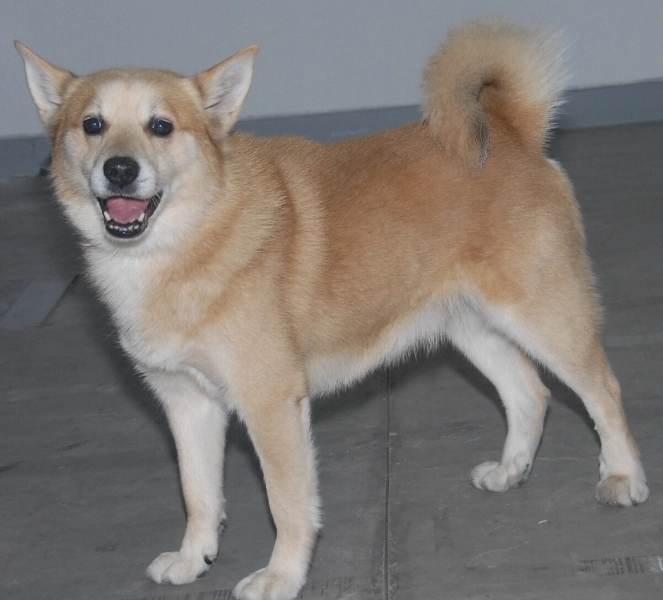
Let's be honest, you probably stumbled upon a picture of this fluffy, smiling spitz-type dog with pointy ears and a curly tail and thought, "What on earth is that, and why does it look so happy?" That's how my friend found her Buhund, Loki. She saw one at a dog show, spent six months researching, and now can't imagine life without him. But she'll also tell you it's not all sunshine and rainbows. These dogs are a specific kind of wonderful, and they're not for everyone. The Norwegian Buhund (pronounced boo-hoond) is one of those breeds that flies under the radar. You won't see them in every park, and that's partly what makes them special. They're a working farm dog from the rugged coasts of Norway, bred to be an all-rounder: herding sheep and cattle, guarding the homestead, and being a loyal companion. That heritage is written into their DNA, and it's the key to understanding everything about them—their energy, their intelligence, their voice, and their need to be with their people. I've talked to breeders, owners, and trainers to put this guide together. It's not just a list of facts; it's a look at what life is actually like with one of these Nordic bundles of energy. We'll dig into the good, the challenging, and the downright messy parts of Buhund ownership. This isn't some designer breed cooked up in the last 50 years. The Norwegian Buhund has serious historical chops. Archaeological digs in Norway have uncovered skeletons of spitz-type dogs buried alongside Vikings from around 900 AD. Experts believe these were the early ancestors of today's Buhund. The name itself gives it away: "Bu" means homestead or farm, and "hund" means dog. Literally, the "farm dog." They traveled with the Norse people, working on farms and possibly even on ships. Their job was to be useful, not just cute (though they are definitely that). This long history as a versatile farmhand means they're tough, adaptable, and incredibly smart. The modern breed was standardized in the 20th century, with the Norwegian Kennel Club (NKK) playing a key role. If you want to dive into the official breed standard, the NKK and the American Kennel Club (AKC) websites are the places to go. If I had to sum up the Norwegian Buhund temperament in three words, I'd say: confident, energetic, and affectionate. But those words don't tell the whole story. They're famously good-natured and love their families fiercely. This isn't an aloof dog; they want to be in the middle of whatever you're doing. Making dinner? They'll supervise. Working from home? They'll be under your desk. Watching TV? They're on the couch right next to you (and might just try to herd the cats off the screen). This deep bond is wonderful, but it can tip over into separation anxiety if they're not taught from a young age that being alone is okay. And then there's the voice. Buhunds are vocal. They bark to alert, to express excitement, to herd (in their minds, your kids might need herding), and sometimes just for the fun of it. It's a loud, sharp bark. If you live in an apartment with thin walls, a Norwegian Buhund might make you very unpopular with your neighbors. Seriously, think about this. A bored or under-exercised Buhund will use its voice to entertain itself, and nobody wants that. With other dogs and pets, they're generally fine if socialized early. Their herding instinct might make them chase or nip at running animals (or children), but it's usually playful, not aggressive. With strangers, they can be a bit reserved initially—good watchdogs—but they warm up quickly if the person is approved by their family. They're a medium-sized, square-proportioned spitz. Everything about them suggests agility and endurance. Here's a breakdown: People often confuse them with Icelandic Sheepdogs or smaller Shetland Sheepdogs. Here's a quick, personal take: See, the Buhund sits in this sweet spot of being a robust farm dog but still very much a family-oriented companion. It's a unique mix. Overall, the Norwegian Buhund is a healthy, hardy breed with a lifespan of 13-15 years. But like all purebreds, they have some predispositions. A responsible breeder will test their breeding stock for these conditions. Honestly, the biggest health risk for a Norwegian Buhund is often boredom and lack of exercise leading to obesity or destructive behaviors. A fit, mentally engaged Buhund is generally a healthy one. This is where the rubber meets the road. Can you handle the routine? A quick walk around the block won't cut it. These dogs need at least 60-90 minutes of solid activity every single day. And I don't mean just letting them out in the yard. They'll likely just stand at the door and bark. They need engagement. The coat is dirt-resistant and doesn't mat easily. A good brush with an undercoat rake once or twice a week is usually enough. Baths only when necessary. But during the biannual coat blow, you'll need to brush daily to manage the tumbleweeds of fur. Nail trimming, ear cleaning, and dental care are standard for any dog. This is crucial. Their intelligence means they get bored with endless repetition. Keep training sessions short, fun, and varied. Use positive reinforcement (treats, praise, toys). They can be sensitive to harsh corrections, which will just make them shut down or become sneaky. Socialization isn't just about meeting other dogs. It's about exposing your Buhund puppy to every sight, sound, and surface you can think of: traffic, umbrellas, men with hats, children on bikes, vacuum cleaners, different floors. The goal is a confident, well-adjusted adult dog. The Kennel Club (UK) has excellent puppy socialization checklists. Focus on impulse control games ("wait" for food, "leave it") and a rock-solid recall. Given their herding instinct, teaching a solid "stop" or "come" when they start to fixate on a running child or squirrel is a safety must. Feed a high-quality diet appropriate for an active, medium-sized breed. Because they're so energetic, they can often handle more calories than a dog of similar size with a lower drive. But monitor their weight closely—you should always be able to feel their ribs easily. Avoid free-feeding; measured meals are better. Let's make a quick list. You might be a good match if: Think twice, or look for another breed, if: This is a rare breed. You won't find them in pet stores (and you shouldn't buy from one anyway). You'll need to do your homework. The Norwegian Buhund is not a generic dog. It's a breed with a strong personality, a rich history, and very specific needs. They are incredibly rewarding for the right person—the person who sees a partner for adventure, a clever mind to engage with, and a loyal friend who will stick by their side through thick and thin. But they demand a lot in return: time, energy, patience, and a good sense of humor when they outsmart you (which they will). If your lifestyle aligns with what this amazing Nordic breed requires, you might just find your perfect, furry soulmate. If not, that's okay too—there's a perfect dog out there for everyone, and honesty about what you can provide is the first step to finding them. Do your research, meet some Buhunds and their owners if you can, and be brutally honest with yourself. It's a 13-15 year commitment. Make it a good one.Navigate This Guide
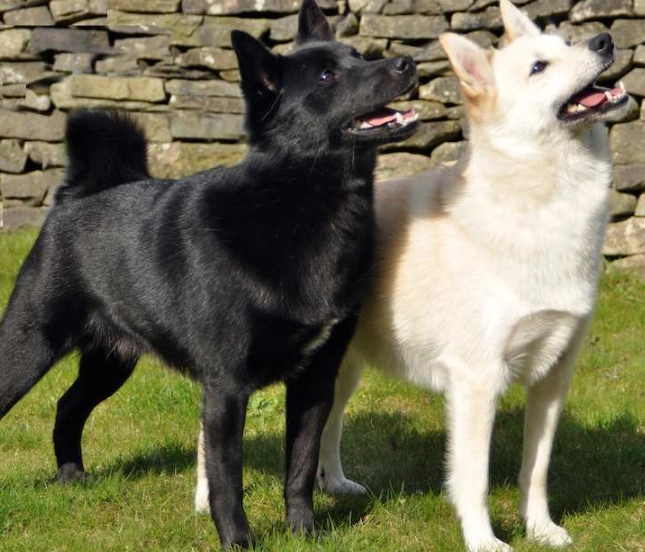
From Viking Ships to Your Sofa: A Quick History Lesson
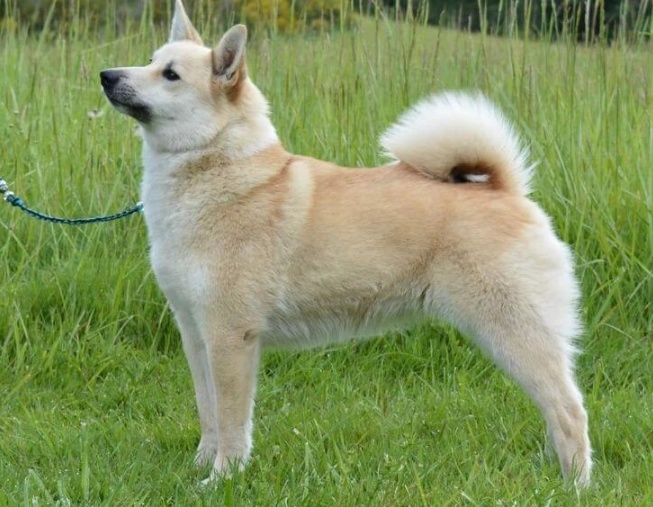
What's a Norwegian Buhund Really Like? The Personality Deep Dive
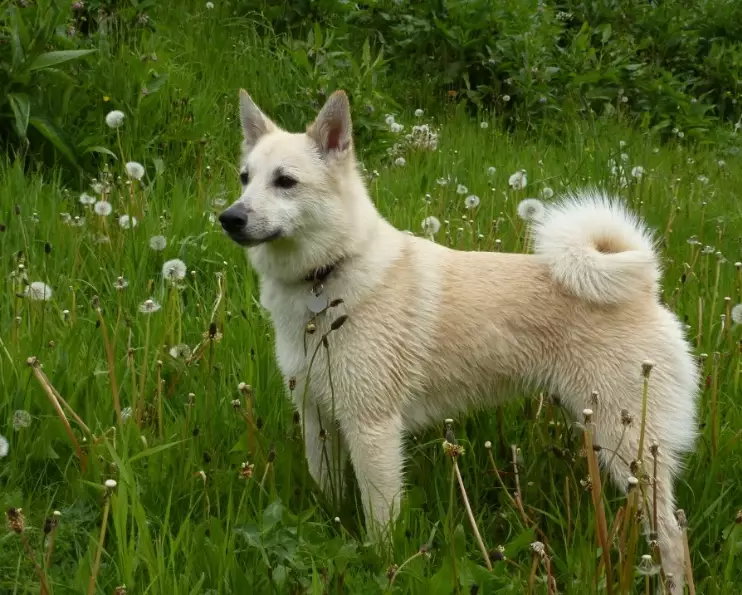
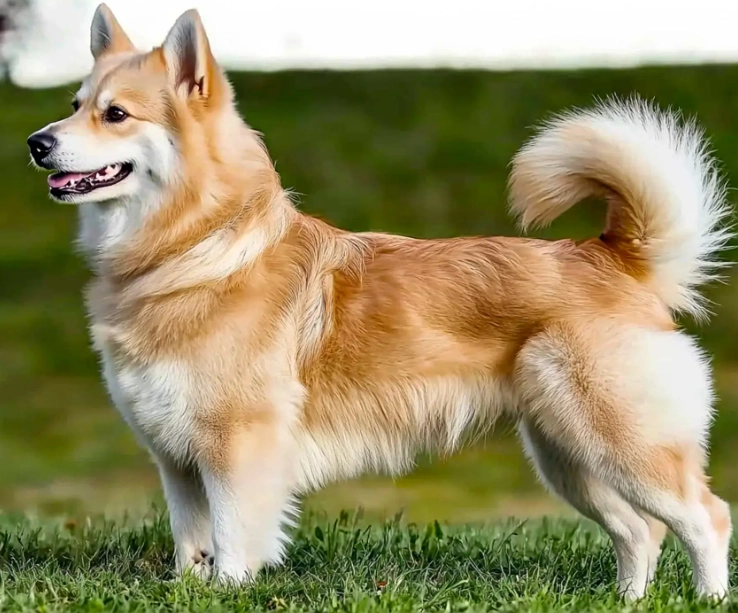
What Does a Norwegian Buhund Look Like? The Breed Standard
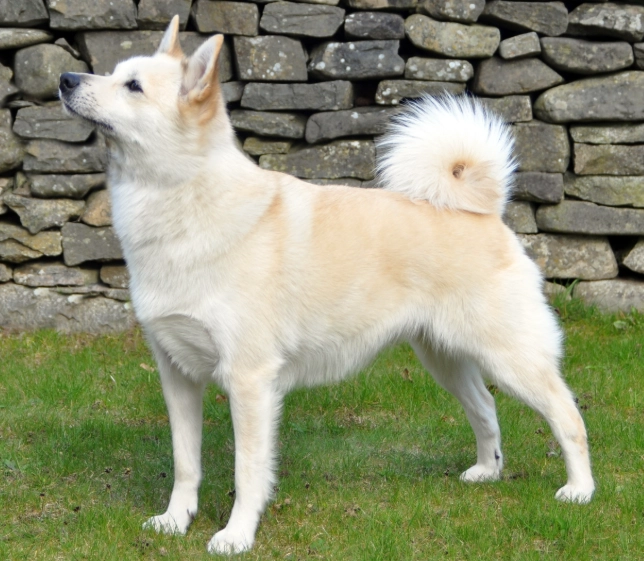
How Does the Buhund Stack Up Against Other Spitz Breeds?
Breed Size Key Temperament Difference Energy Level (My Opinion) Norwegian Buhund Medium (30-40 lbs) More independent, stronger herding drive, very vocal. High. Needs a job or vigorous exercise. Icelandic Sheepdog Similar Often slightly more eager-to-please, less "sharp." High, but maybe a tiny bit less intense. Shetland Sheepdog (Sheltie) Smaller More sensitive, less physically robust, more barky in a nervous way. High, but in a more focused, train-for-agility way. Norwegian Elkhound Larger Bred for big game hunting (moose/elk), more independent guarder. Very High. Even more stamina and strength. Keeping Your Buhund Healthy: What You Need to Know
Common Health Considerations
The Day-to-Day: Living With a Norwegian Buhund
Exercise: Non-Negotiable
Grooming: Easier Than You Think, But Shedding is Real
Training & Socialization: Start Yesterday
Diet & Nutrition
Is a Norwegian Buhund the Right Dog For YOU?
Finding a Norwegian Buhund Puppy or Rescue
Norwegian Buhund FAQs: Quick Answers to Burning Questions
The Final Word
Think of them less as a pet and more as a furry, four-legged project partner.
Here's the thing most first-time Buhund owners aren't ready for: their intelligence and independence. They were bred to make decisions on their own while herding. This means they learn commands incredibly fast—sometimes too fast. They'll quickly figure out what you want, but then they'll also assess if it's worth their while to obey. It's not stubbornness in a malicious way; it's more like having a clever, sometimes cheeky, partner who likes to negotiate.
"Owning a Buhund is like having a perpetual toddler with fur, boundless energy, and a PhD in problem-solving." – A Buhund owner at a herding trial.
Pro Tip: Always ask a breeder for the Orthopedic Foundation for Animals (OFA) or equivalent health clearances for the puppy's parents. This includes hips, elbows, and eyes. Don't just take their word for it; ask to see the certificates.
Let's be blunt: If you're a couch potato or have a super busy lifestyle with long hours away from home, a Norwegian Buhund is a terrible choice. They will find their own entertainment, and you won't like it (chewed furniture, dug-up gardens, non-stop barking).
Training a Buhund is a conversation, not a lecture.
Q: Do Norwegian Buhunds shed a lot?
A: Yes. They have a double coat that sheds year-round and "blows" heavily twice a year. Invest in a good vacuum and an undercoat rake.
Q: Are they good with cats?
A: It depends on the individual dog and the cat. If raised together from puppyhood, usually yes. An adult Buhund with a high prey drive might see a running cat as something to chase. Proper introductions and management are key.
Q: Can they be left alone for a full workday?
A: Not ideally, especially not as puppies or young adults. They are prone to separation anxiety. If you work full-time, you'll need a plan: dog walker, daycare, or coming home at lunch. An adult, well-trained Buhund might handle 4-6 hours, but 8-9 hours is asking for trouble (and noise complaints).
Q: Are Norwegian Buhunds good for first-time dog owners?
A: This is a tough one. They are smart and trainable, but their energy, independence, and vocal nature can overwhelm an unprepared novice. A very dedicated, active, and patient first-time owner who does their research and commits to training classes could succeed. But for many first-timers, an easier breed might lead to a better experience for both human and dog.
Q: How much do Norwegian Buhund puppies cost?
A: From a reputable breeder, expect $1,800 to $3,000 USD or more, depending on lineage, location, and testing done. The initial cost is just the beginning—factor in food, vet care, training, sports classes, etc.
Comment