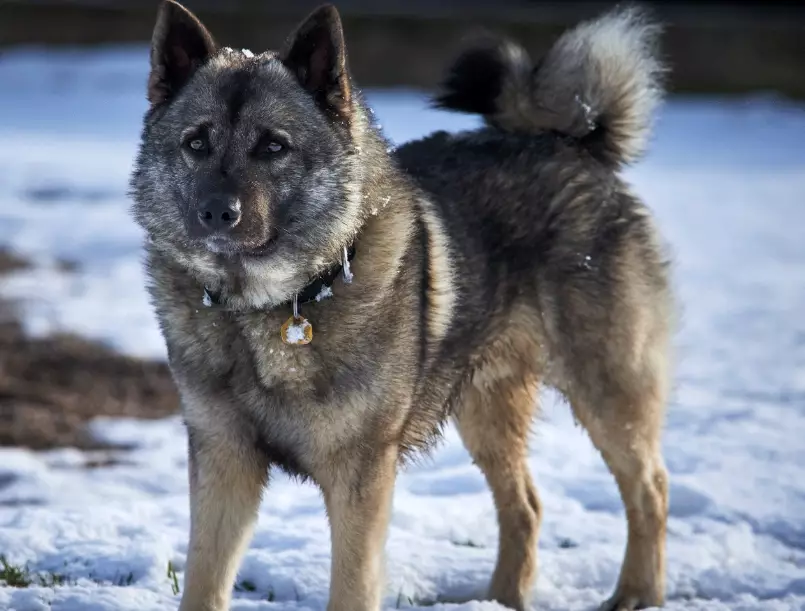
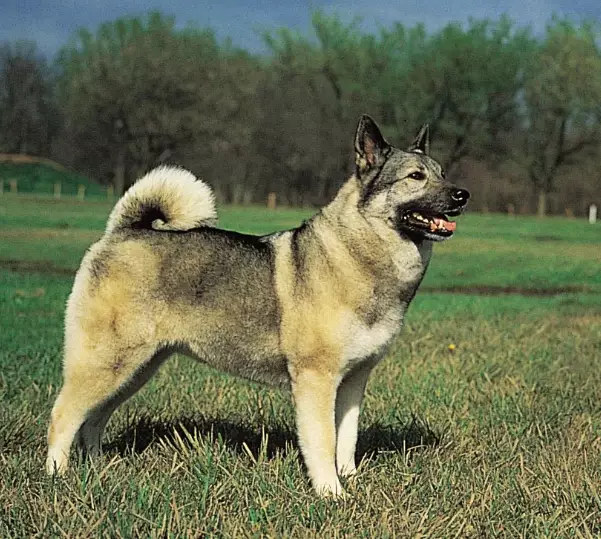
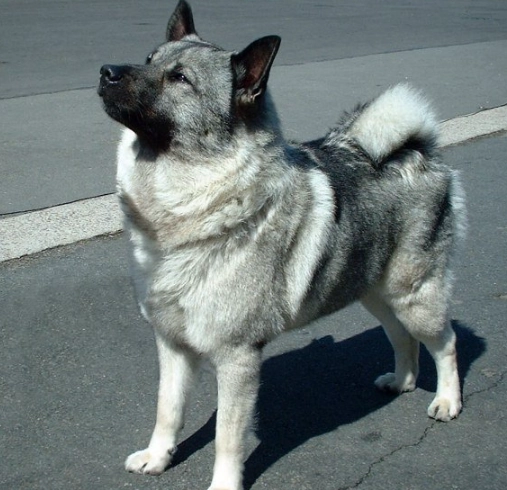
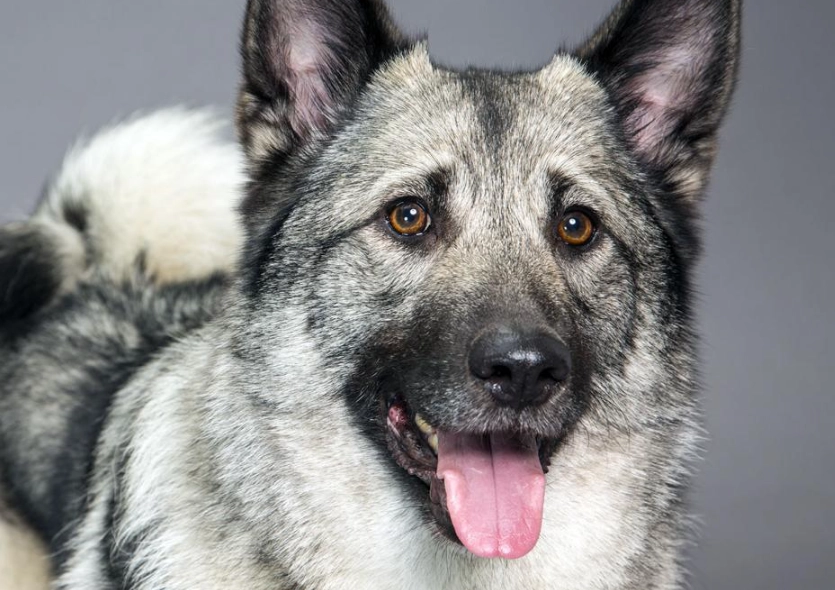
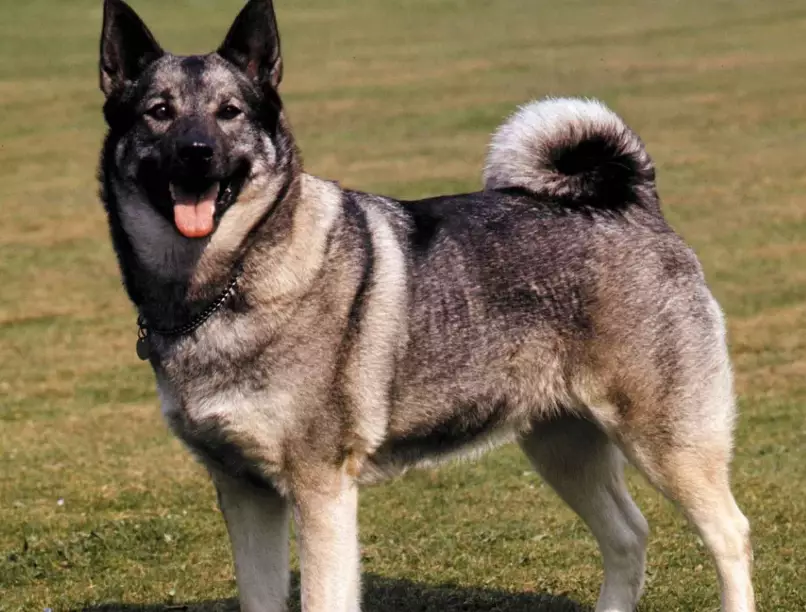
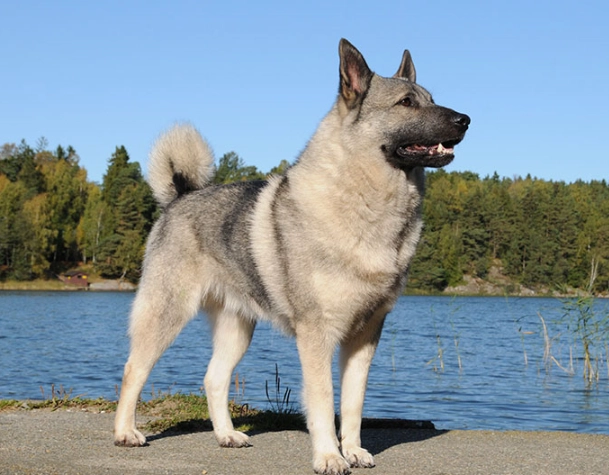
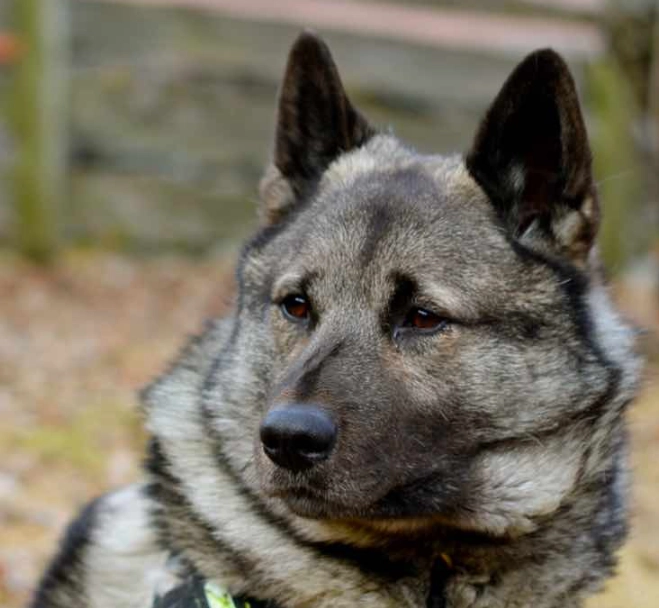
So you're thinking about a Norwegian Elkhound. Maybe you saw a picture of that sturdy, wolf-gray dog with the cheerful, curled tail and the alert expression. They look like something out of a Viking saga, right? And you're wondering, what's it actually like to live with one? Let's get one thing out of the way first. This isn't a dog for everyone. I've met a few owners who were completely overwhelmed because they fell for the looks without understanding the personality. The Norwegian Elkhound is a classic Nordic Spitz breed, built for independence, stamina, and a job. They hunted elk and bear for centuries alongside Vikings. That's not a background that gets erased in a few generations of living on couches. But if you're the right match? They're incredible. Fiercely loyal, surprisingly funny, and tough as nails. This guide isn't just a list of facts. It's a deep dive into what life with an Elkhound is really like, the good and the frankly annoying. We'll cover everything from their ancient history to the daily reality of grooming that double coat, their need for mental work, and the health screenings you should ask a breeder about. My goal is to give you all the info, so you can decide if this is your dream dog or a beautiful mismatch. Group: Hound (AKC) / Spitz and Primitive types (FCI) To understand a Norwegian Elkhound, you have to go back. Way back. Archaeological finds in Norway, like the Viste Cave, show skeleton remains of dogs strikingly similar to the modern Elkhound dating back 5,000-7,000 years. This isn't a breed invented in the 19th century; it's a living artifact. Their job was monumental. Vikings and Norse farmers used them to hunt giant moose (called "elg" in Norway, hence "elkhound") and even bear. The dog's job wasn't to kill the prey—that would be suicidal. Their role was to track, corner, and hold the massive animal at bay, barking continuously to signal its location to the hunter armed with a spear or bow. This required insane bravery, stamina, intelligence, and a loud, persistent bark. That hunting style explains so much about the modern dog. The independence (they had to make decisions miles away from their human). The vocal nature (barking was the job). The stamina. The weather-resistant coat (Norwegian winters are no joke). The first dedicated dog show for the breed was in Norway in 1877, and the American Kennel Club recognized them in 1913. They're considered a national treasure in Norway. When you get a Norwegian Elkhound, you're not just getting a pet; you're getting a piece of living Scandinavian history. This is where people get tripped up. They see a family photo of an Elkhound with kids and think "gentle family dog." And they can be. But it's more nuanced. I remember talking to a breeder who said, "If you want a dog that gazes at you adoringly waiting for your next command, get a Golden Retriever. If you want a partner who will help you chop wood and then debate you about where to store it, get an Elkhound." It's a pretty spot-on summary. Don't think a 20-minute stroll around the block will cut it. This breed was born to trek over mountainous terrain for hours. A truly happy Norwegian Elkhound needs 60-90 minutes of solid activity daily. And variety is key. Off-Leash Warning: That prey drive is no joke. Even the best-trained Elkhound can vanish after a deer scent in a heartbeat. Secure fencing (6-foot minimum, they can climb) or long-line leashes in open areas are a must for safety. Trust me on this. That stunning gray coat is high-maintenance. It's a double coat: a soft, dense undercoat for insulation and a coarse, straight outer coat for weather protection. It's a commitment. If you hate dog hair, this is not your breed. Training a Norwegian Elkhound is an exercise in patience and creativity. They are intelligent but not necessarily obedient. They learn quickly, then get bored and decide if your request is worth their time. A friend who trains dogs for a living said her Elkhound was the smartest and most frustrating dog she's ever owned. "He learned 'sit' in three repetitions. By the fifth, he'd look at the treat, look at me, and just lie down instead, as if to say 'I've mastered sit, let's try something else, or give me the cookie anyway.'" Keys to Success: The recall command is the most important and the hardest. Practice in high-distraction environments with a long line for safety. It's a lifelong project. Generally, the Norwegian Elkhound is a healthy, tough breed with a lifespan of 12-15 years. But like all purebreds, they have some predispositions. A responsible breeder will test for these. Always, always ask a breeder for the OFA or other health testing numbers of the parents. A reputable breeder will proudly provide them. The Norwegian Elkhound Association of America (NEAA) is the official AKC parent club and has a breeder referral list and detailed health information. My Vet's Two Cents: My own vet pointed out that because they are so hardy, Elkhounds often hide pain or discomfort. You have to be a keen observer. A slight limp, being less eager to jump into the car, a change in appetite—don't ignore these subtle signs. Let's be brutally honest. Don't get one if... A Norwegian Elkhound could be a fantastic fit if... Here are the questions I get asked most often by people seriously considering this breed. It's variable. They can be dog-selective. Early socialization is key. They often do best with dogs of similar size and energy. Same-sex aggression, particularly among males, can occur. They have a bold, sometimes in-your-face play style that not all dogs appreciate. Risky. That high prey drive is a major factor. If raised from puppyhood with a resident cat, they might learn to coexist, but the cat must be dog-savvy and have escape routes. Never trust them alone with a small pet like a rabbit or guinea pig. Generally, no! One of the perks of the Spitz coat is that it tends to be odorless if kept clean and dry. They don't have that "doggy" smell many breeds get. Unless, of course, they find something dead to roll in. Then all bets are off. Notoriously, they can be stubborn about it. Consistency and a strict schedule are vital. Crate training is highly recommended. They are clean by nature but can be willful about where they go. Patience is required. It's a challenge. That thick coat is designed for cold. In hot weather, they need air conditioning, plenty of shade and fresh water, and exercise only during the coolest parts of the day. They overheat easily. Going through a Breeder: This is the best route for most first-time owners. You want a breeder who: Expect to be on a waiting list. Good breeders don't always have puppies available. Rescue: A wonderful option. Breed-specific rescues often have adults or older puppies who need homes. An adult's personality is already known, which can be a huge advantage. The NEAA has a rescue network, and you can also check Petfinder and local shelters. Be prepared to discuss your lifestyle in detail with the rescue. The Norwegian Elkhound is not a casual pet. They are a commitment, a lifestyle adjustment. They shed, they bark, they challenge you. But for the right person or family, they are worth every bit of effort. There's a unique joy in earning the respect and partnership of a dog bred for centuries to work alongside humans in some of the harshest conditions on earth. It's a relationship built on mutual respect, not just command and obey. If you want a velcro dog that lives to please, look elsewhere. But if you want a bold, funny, loyal, and endlessly interesting companion for adventures—a dog with the heart of a Viking and the loyalty of a best friend—then the gray ghost of the North might just be waiting for you. Do your homework. Meet some in person. Talk to owners (ask about the bad days too). If it clicks, you'll have a friend like no other.In This Guide
Quick Breed Snapshot
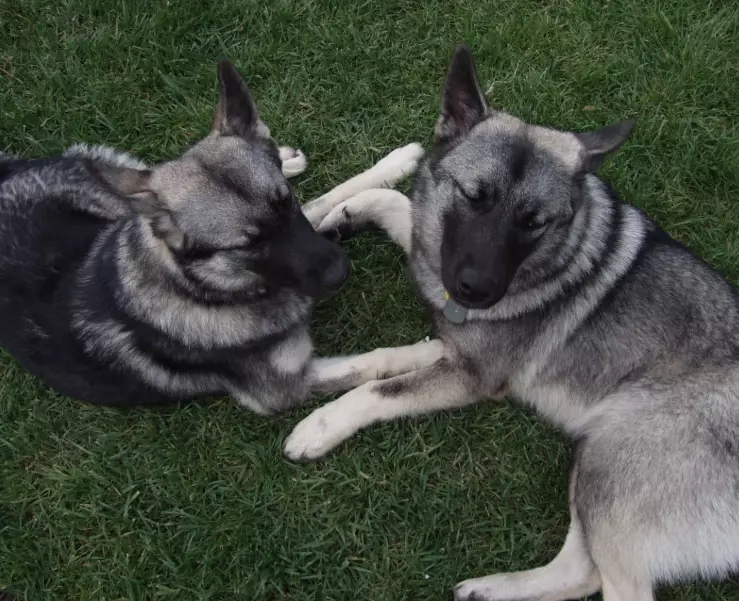
Size: Medium. Males about 20.5 inches tall, 55 pounds. Females slightly smaller.
Coat: Thick, dense gray double coat with black tips. Distinctive "silver" appearance.
Energy Level: High. They are built for endurance, not just short bursts.
Key Traits: Bold, independent, loyal, alert, vocal, hardy.Where Did This Breed Come From? A History Forged in the Fjords
The Norwegian Elkhound Personality: Loyal Companion or Stubborn Hunter?
The Good Stuff (The Pros)
The Challenging Bits (The Cons)
Living with a Norwegian Elkhound: The Day-to-Day Reality
Exercise: More Than Just a Walk
Grooming: The Fur Management Project
Training: Be Smarter Than the Dog
Health & Lifespan: What to Expect
Health Condition
Description
What a Good Breeder Does
Hip Dysplasia
A malformation of the hip joint that can lead to arthritis and pain.
Has parents screened via X-rays evaluated by the Orthopedic Foundation for Animals (OFA) or PennHIP, with scores of Good or Excellent.
Progressive Retinal Atrophy (PRA)
A group of diseases causing gradual retinal degeneration, leading to blindness.
Tests parents for the specific gene mutation known to occur in Elkhounds (prcd-PRA) via a DNA test from an approved lab.
Fanconi Syndrome
A rare kidney disorder where nutrients are improperly reabsorbed. More common in Basenjis but seen in Elkhounds.
Is aware of the condition and can discuss its signs (excessive drinking/urination). May utilize available urine screening tests.
Sebaceous Adenitis (SA)
A skin disease where the oil glands become inflamed, leading to dry skin, hair loss, and scaling.
May have dogs screened via skin biopsy. Knows the family history of skin health.
Hypothyroidism
Underactive thyroid gland, leading to weight gain, lethargy, and skin issues.
Can test for it as it's manageable with medication.
Is a Norwegian Elkhound Right For You? A Checklist
Norwegian Elkhound FAQs: Your Quick Questions Answered
Are Norwegian Elkhounds good with other dogs?
How are they with cats?
Do they smell?
Are they easy to housebreak?
Can they live in hot climates?
Finding a Norwegian Elkhound: Breeder vs. Rescue
Final Thoughts
Norwegian Elkhound Guide: Is This Loyal Spitz Right for Your Family?
Comment