Let's be honest, you're probably here because you saw a picture of a dog with what looks like an extra set of thumbs and a neck that bends like a contortionist's. Your first thought was likely, "What on earth is that?" followed quickly by, "I need to know more." Well, you've come to the right place. The Norwegian Lundehund isn't your average dog—it's a living fossil, a canine built by nature for a single, bizarre job, and a breed that nearly vanished from the planet. I've been fascinated by them for years, and I'm still uncovering new quirks. This isn't just a breed profile you can skim. If you're seriously considering sharing your home with one of these unique creatures, or if you're just down a rabbit hole of weird dog facts, stick around. We're going deep—past the cute six-toed feet and into the real nitty-gritty of what makes a Lundehund tick, the challenges they face, and whether your life is the right fit for theirs. Okay, fine, it's partly the toes. But there's a whole list of anatomical oddities that make this breed a biologist's dream. Developed over centuries on the remote, rocky islands of Norway (like Værøy), the Lundehund was engineered for one purpose: hunting puffins ("lundefugl" in Norwegian, hence the name). Puffins nest in deep, narrow cliff crevices, and getting them required a canine specialist. Here’s the breakdown of their unique toolkit: First, the famous feet. Most dogs have four toes. The Norwegian Lundehund has at least six on each foot. Sometimes even more. Seriously, six toes. And they're not just for show—they're fully functional, with muscles and ligaments that give them an absurd amount of grip and leverage on sheer rock faces. It's like having built-in climbing crampons. But the party tricks don't stop there. Their shoulder joints are freakishly flexible, allowing their front legs to splay out sideways, almost like a seal's flippers. This let them brace themselves inside tight, vertical tunnels. Then there's the neck. A normal dog's neck vertebrae are fused in a way that limits up-and-down movement. A Lundehund's neck is so flexible it can bend its head backwards until it touches its own spine. I know, it sounds made up. It's not. This let them maneuver their heads in burrows to grab birds. And if that wasn't enough, they can close their ear canals. Think about that. They can literally fold their ears shut to protect them from dirt and debris while worming their way into a puffin's home. It's a level of specialization that's almost alien. Quick Fact Check: According to the official breed standard from the Norwegian Kennel Club (NKK), the defining characteristics are "at least six fully developed toes on each foot" and "elastic shoulders." These aren't just cute traits; they're the breed's historical job description written in bone and cartilage. So you've got this physical marvel. What's it like to live with one? Well, imagine a dog with the independence and problem-solving skills of a terrier, the gentle alertness of a spitz-type breed, and a dash of feline aloofness. That's the Norwegian Lundehund in a nutshell. They are deeply loyal to their family but can be reserved, even suspicious, of strangers. Don't expect a golden retriever's instantaneous, full-body-wagging love for every new person. They take their time to assess. This makes them excellent, quiet watchdogs—they'll let you know if something's up, but they're not prone to constant, annoying barking. Here's the thing I find most interesting: they are clever. Not just trainable-smart, but independent-thinker smart. They were bred to work alone on cliffs, making decisions without human guidance. This means they can be... stubborn. If a command doesn't make sense to them, or if they find something more interesting (like a fascinating smell), your recall command might just become background noise. They have a playful, almost mischievous side. I've heard from owners who find their Lundehunds "collecting" household items and stashing them in odd places. It's not destructive; it's more like a quirky hobby. They're also known for a unique, trilling vocalization—a sort of happy chirp—that's different from a standard bark or whine. Let's Talk Challenges: That brilliant, independent mind is a double-edged sword. The Norwegian Lundehund is not a breed for a first-time dog owner who wants a perfectly obedient pupil. They require patience, consistency, and a good sense of humor. If you're looking for a dog to win competitive obedience trials, you might want to look elsewhere. Their intelligence is of the "what's in it for me?" variety, which requires creative training. This is the most critical section for any potential owner. The Norwegian Lundehund's incredible survival story has a dark side: a devastating genetic bottleneck. By the 1960s, the breed was nearly extinct, saved by a handful of dedicated breeders. While this saved the Lundehund, it also concentrated some serious health issues in the gene pool. The big one is Lundehund Syndrome (LS), also known as Intestinal Lymphangiectasia. It's a complex gastrointestinal disorder where the intestines struggle to absorb nutrients properly, leading to protein loss, chronic diarrhea, vomiting, and weight loss. It's a lifelong, manageable condition for most, but it requires a dedicated owner. Not every Lundehund gets it, but the risk is significant. Because of this, their diet is not something you can cheap out on. They often do best on a highly digestible, novel protein or hydrolyzed protein diet, sometimes with added supplements. You'll be working closely with your vet to find the right food. I've spoken to owners who spend more time researching their Lundehund's food than their own groceries—it's that level of commitment. Other health concerns to be aware of include patellar luxation (thanks to those unique knees) and some eye conditions. Reputable breeders will screen their dogs for these issues. You must ask for health clearances. On the grooming front, they're surprisingly low-maintenance. Their double coat sheds seasonally (and you'll know when it's that time—get a good vacuum), but a weekly brush is usually enough. Those amazing feet need checking, though. Dirt and debris can get caught between all those toes, so make nail trimming and paw pad inspection a regular habit. Let's cut to the chase. This isn't a dog for everyone. To help you decide, here's a brutally honest pros and cons list. So, who is the ideal Lundehund owner? Someone who values uniqueness over predictability, who is a patient and experienced dog person, who has the financial means for potential health issues, and who wants a thinking partner, not a servile follower. Because of their rarity and health problems, finding a responsible breeder is the single most important step. This is not a breed where you should ever look for a "bargain" on a classifieds site. A good breeder will: Be prepared to be vetted. Be prepared to wait. A good litter might only happen once every year or two. Consider adoption too—breed-specific rescues do exist, though they are uncommon. The Norwegian Lundehund Club of America (NLCA) is an excellent starting point for breeder referrals and rescue information. Let's get practical. You've got your Lundehund puppy home. Now what? Training: Start socialization immediately and make it positive. Expose them gently to all sorts of people, surfaces, sounds, and other animals. Use reward-based methods exclusively. Harsh corrections will backfire spectacularly with this sensitive, proud breed. Focus on building a strong recall and a solid "leave it" command—their curiosity can get them into trouble. Short, fun training sessions work best. Feeding: Work with your breeder and vet from day one. Many breeders will start puppies on the specific diet they've found works for their line. Be prepared to transition foods slowly and to keep a detailed log of what you feed and any resulting stool quality. It's not glamorous, but it's essential for monitoring gut health. Exercise & Enrichment: They love to explore. Long walks on varied terrain are perfect. They excel at dog sports that engage their mind and body, like nose work, barn hunt, or agility (though be cautious with high jumps due to their joints). Puzzle toys and hiding treats around the house will keep their clever brains occupied. Remember their history—they love to dig and climb. Providing a safe outlet for these instincts, like a sandbox or a sturdy, low climbing structure, can save your garden. The Norwegian Lundehund is more than a pet; it's a commitment to preserving a piece of living history. It's accepting that your dog might have a digestive system made of tissue paper and a will of iron. It's about loving a creature not for its perfect obedience, but for its breathtaking uniqueness and resilient spirit. They are not easy. I wouldn't recommend one to most people. But for the right person—someone with patience, resources, a sense of adventure, and a deep appreciation for the odd and wonderful—a Norwegian Lundehund offers a companionship unlike any other. You're not just getting a dog; you're becoming a steward for a breed that defies the ordinary. Do your research. Talk to breeders and owners (the NLCA is a great resource). Be brutally honest with yourself about your lifestyle. If after all that, you're still captivated by the idea of this six-toed, cliff-climbing enigma, then you might just be one of the few who is meant to share your life with a Norwegian Lundehund. And if you do, send me a picture. I never get tired of seeing them.In This Guide
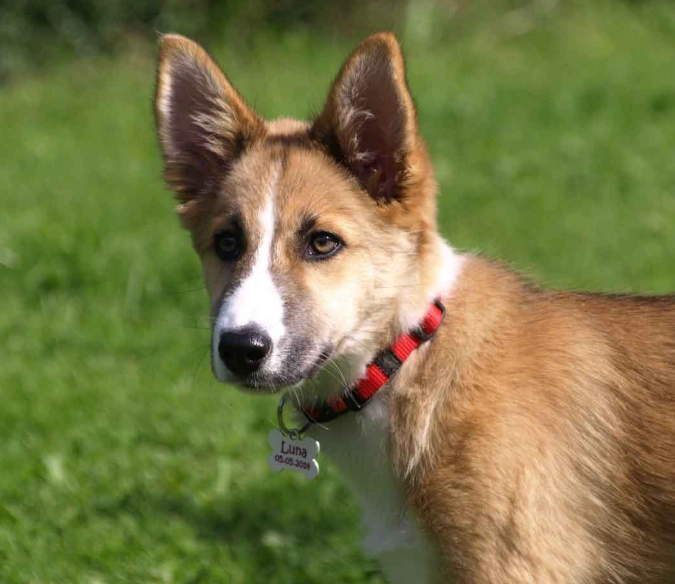
What Makes the Norwegian Lundehund So Special? (It's Not Just the Toes)
The Anatomy of a Climber
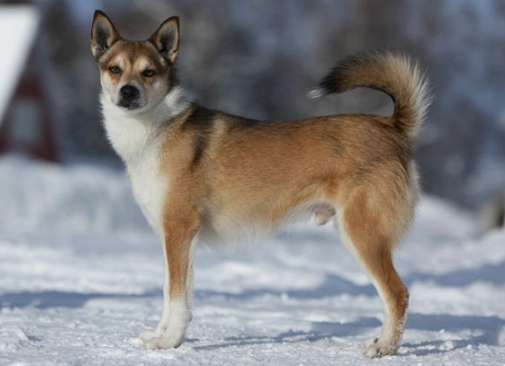
A Personality as Unique as Its Body
Health and Care: The Not-So-Pretty Reality
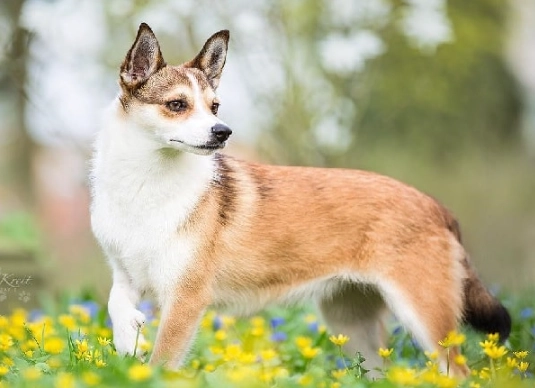
Health Concern
What It Is
Management & Prevention
Lundehund Syndrome (LS)
A chronic intestinal malabsorption disease.
Specialized diet (low-fat, novel protein), possible medication (steroids, immunosuppressants), regular vet monitoring.
Patellar Luxation
Knee cap slipping out of place.
Maintain healthy weight, avoid excessive jumping on hard surfaces. Severe cases may require surgery.
Eye Issues (Cataracts, etc.)
Various hereditary eye conditions.
Annual eye exams by a veterinary ophthalmologist. Breed only from certified clear dogs.
Sensitive Skin/Allergies
Often related to food or environmental allergens.
Hypoallergenic diet, limited ingredient foods, allergy testing, regular bathing with gentle shampoos.

Is a Norwegian Lundehund the Right Dog for You?
The Good Stuff (The Pros)
The Tough Stuff (The Cons)
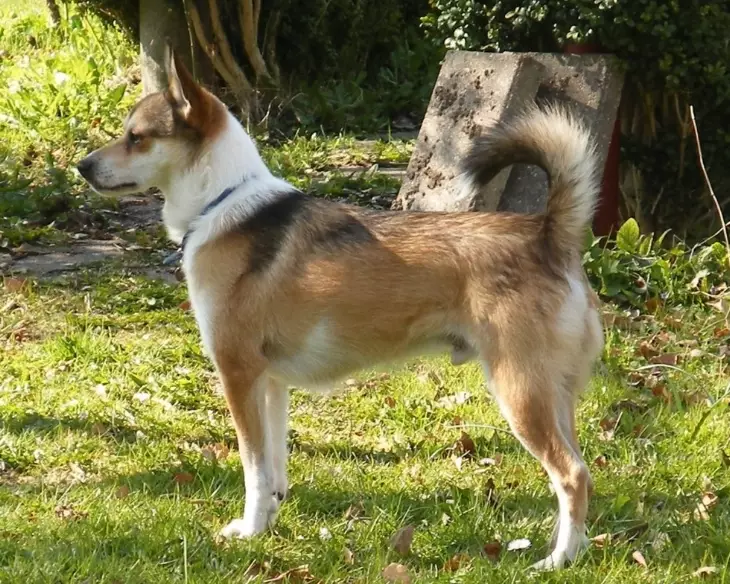
Finding a Norwegian Lundehund Puppy: Do It Right or Don't Do It
Living Day-to-Day: Training, Feeding, and Fun
Your Norwegian Lundehund Questions, Answered
The Final Word: A Breed for the Dedicated Few
A dog bred to scale cliffs and snatch puffins from their burrows? The Norwegian Lundehund's story is one of survival, specialization, and sheer weirdness.
The journey to bringing home a Norwegian Lundehund is a marathon, not a sprint. It's a test of your commitment before you even meet your dog.
How much does a Norwegian Lundehund cost?
From a reputable breeder, expect to pay between $2,500 and $4,000 USD, sometimes more. This reflects the cost of health testing, the small litter sizes (often 2-4 puppies), and the care put into raising them. The initial cost is just the beginning—budget for potential specialty vet care and premium food for life.
Are Norwegian Lundehunds good apartment dogs?
Surprisingly, they can be. They are moderate-energy and quiet. The key is providing sufficient daily exercise and mental stimulation outside the apartment. A bored Lundehund in any size home will find its own entertainment, and you might not like their choices.
Do they get along with other pets?
With proper introduction, they can live peacefully with other dogs and even cats. However, remember their high prey drive (they were bird hunters). Small pets like rabbits, birds, or rodents would be at serious risk. Always supervise interactions.
How long do Norwegian Lundehunds live?
With excellent care and assuming they avoid the most severe forms of Lundehund Syndrome, a lifespan of 12-14 years is possible. Their health management directly impacts their longevity.
Can I shave a Lundehund in summer?
Absolutely not. Their double coat insulates them from both cold and heat. Shaving it ruins this natural thermostat, puts them at risk of sunburn, and can cause the coat to grow back poorly. Regular brushing to remove the undercoat is the way to keep them cool.
Comment