So you're thinking about getting a Norwich Terrier. Let me tell you, that's a fantastic idea, but also one you should really think through. I've been around dogs my whole life, and these little guys are something special. They're not your average lapdog, even though they look like they could be. They pack a whole lot of personality into a tiny, wiry frame. I remember meeting my first Norwich at a dog show years ago. He was perched on his handler's table, ears pricked, giving everyone who passed by this look that said, "I own this place." That's the Norwich attitude in a nutshell. This guide isn't just a bunch of facts pulled from a breed standard. It's a deep dive into what it's actually like to live with one of these energetic, loyal, and sometimes stubborn companions. We'll get into the nitty-gritty of their care, their health, and whether your lifestyle is a good match for their needs. Because let's be honest, getting a dog is a big decision, and you want all the real-world info you can get before you bring one home. Quick Breed Snapshot: The Norwich Terrier is one of the smallest terriers, originally bred in England to hunt rats and foxes. They're known for their prick ears, wiry coat, and fearless, affectionate nature. They're often confused with their close cousin, the Norfolk Terrier (who has drop ears). To understand a Norwich, you have to know where they came from. They hail from, you guessed it, the Norwich area of England. Back in the late 1800s, they were the go-to dog for Cambridge University students, who kept them in their lodgings to control rodents. They were also used for hunting foxes—going right into the dens with the hounds. That history explains so much about their personality today. This isn't a dog that was bred to sit quietly and look pretty. They were bred for grit, tenacity, and intelligence. The American Kennel Club (AKC) officially recognized the breed in 1936, and they've been charming (and occasionally outsmarting) their owners ever since. You can read more about their fascinating history on the American Kennel Club's Norwich Terrier page, which is a great resource for breed standards. Their character is a wonderful contradiction. They are immensely loyal and love to be with their people—true velcro dogs who will follow you from room to room. They thrive on companionship. But at the same time, they have an independent, "I can do it myself" streak that is pure terrier. It's this combination that makes them so endearing and, at times, a bit challenging. If I had to sum up the Norwich Terrier temperament in three words, I'd say: fearless, affectionate, and stubborn. But that doesn't really paint the full picture. They are incredibly brave. I've seen a Norwich stand its ground against a dog five times its size, completely unbothered. This fearlessness means they often don't know they're small, which can get them into trouble if they decide to pick a fight they can't win. Early socialization is non-negotiable to help them learn canine manners. At home, they are loving clowns. They want to be involved in everything you do. They'll curl up on your lap while you work, but they're just as ready for an adventure. They have a playful, sometimes mischievous sense of humor. They're also known for being good with children who treat them respectfully—their sturdy build can handle gentle play better than some other tiny breeds. That said, no dog should ever be left unsupervised with very young kids. Now, the stubborn part. Norwich Terriers are smart. Very smart. But they are not always eager to please. They think for themselves. Training requires patience, consistency, and a good supply of high-value treats. They get bored with repetition easily. The key is to make training a fun game. If you're looking for a dog that will obey commands blindly, this isn't your breed. If you want a clever partner who learns quickly (when motivated), you'll be in heaven. A Word on Barking: This is a big one. Norwich Terriers are alert barkers. They will let you know about the mailman, a squirrel on the fence, a leaf blowing by... you get the idea. This can be managed with training, but it's unlikely to be completely eliminated. If you live in an apartment with thin walls, you need to seriously consider this trait and commit to working on a "quiet" command from day one. Okay, so you love the sound of their personality. But what does day-to-day life actually entail? Let's break it down. That cute, scruffy coat is not low-maintenance. The Norwich has a double coat: a soft undercoat and a hard, wiry topcoat. It's designed to be weather-resistant. To keep it healthy and looking its best, it needs regular attention. Honestly, the grooming can be a commitment. If you're not up for regular brushing and seeking out a specialist groomer, the coat can become a matted, soft mess. It's a common point of frustration for unprepared owners. A tired Norwich is a good Norwich. They have moderate exercise needs—a couple of good walks a day, plus some active playtime in the yard or house is usually sufficient. They're adaptable and can do well in an apartment if their exercise needs are met. But physical exercise alone isn't enough. You must exercise their brain. These are intelligent, problem-solving dogs. Boredom leads to mischief—digging, chewing, excessive barking. Here are some ways to keep them engaged: Overall, the Norwich Terrier is a robust and healthy breed with a long lifespan, often reaching 12-15 years or more. However, like all purebred dogs, they are prone to certain genetic health conditions. Responsible breeders screen their breeding stock for these issues. Here are the main health concerns to ask a breeder about: Always, always ask a breeder for proof of health testing for the parents, not just a vet saying they're "healthy." Reputable breeders are transparent and happy to provide this. The United Kennel Club (UKC) also provides detailed breed information and health resources. My Experience: I know a Norwich who had a mild case of UAS. His snoring was legendary—like a tiny lumberjack. His owner worked with a vet to manage it (weight control was crucial), and he lived a full, active life. It's a manageable condition in many cases, but one you need to be aware of. This is probably the most common question people have. They look incredibly similar! The key difference is all in the ears. That's it. That's the primary distinction. In fact, they were considered the same breed (the Norwich Terrier, with both ear types) until 1964 in the UK and 1979 in the US, when they were officially split into two breeds. Temperamentally, they are very, very similar—both are hardy, spirited little terriers. Some Norfolk enthusiasts claim theirs are a tad more relaxed, but you'll find plenty of laid-back Norwich and feisty Norfolks. The ear carriage is the defining feature. Let's be brutally honest. The Norwich Terrier is not for everyone. Their charm is potent, but it comes with requirements. A Norwich Terrier might be a great fit if you: Think twice about a Norwich Terrier if you: Getting a dog is a long-term commitment. Asking yourself these hard questions now can prevent heartache later. If you've decided a Norwich is for you, the next step is finding one. Please, do not buy a puppy from a pet store or a website that ships puppies without questions. These almost always come from puppy mills. Finding a Reputable Breeder: A good breeder's goal is to better the breed. They will: Start with the national breed club. The Norwich Terrier Club of America has a breeder referral list. Expect to be on a waiting list. Good breeders don't always have puppies available immediately, and the litter sizes for Norwich Terriers are famously small (often 1-3 puppies). Considering Rescue: It's less common to find a purebred Norwich Terrier in a general shelter, but it happens. Breed-specific rescues are a better bet. The NTCA also has a rescue network. Adopting an adult dog can be wonderful—you often get a clearer sense of their personality, and you're giving a home to a dog in need. Living with a Norwich Terrier is an experience. It's not always easy. There will be days when the barking gets to you, or you find a hole dug in your garden, or they decide that "come" is merely a suggestion. But for the right person, the rewards are immeasurable. You get a dog whose loyalty is absolute. A dog whose courage is as big as its heart. A dog that will make you laugh every single day with its antics. They are more than just pets; they are personalities, full of life and spirit. If you're willing to put in the work—the training, the grooming, the engagement—you'll be rewarded with one of the most entertaining and devoted companions you could ever hope for. The bond with a Norwich Terrier is something special. Just be sure you're ready for all of it, the messy, loud, wonderful, and challenging reality of sharing your life with this magnificent little terrier. Do your research, meet some in person if you can, and be honest with yourself. If it's a match, you're in for an incredible adventure.Quick Guide
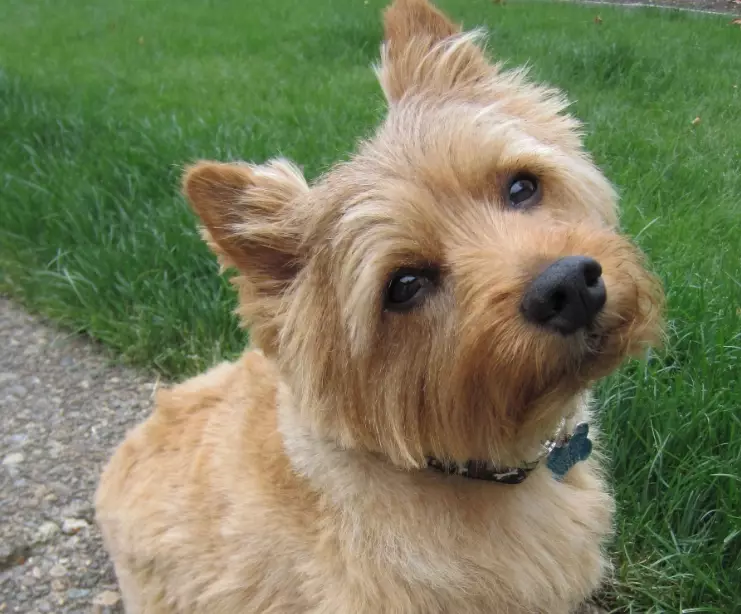
What Exactly Is a Norwich Terrier? A Look at Their History and Character
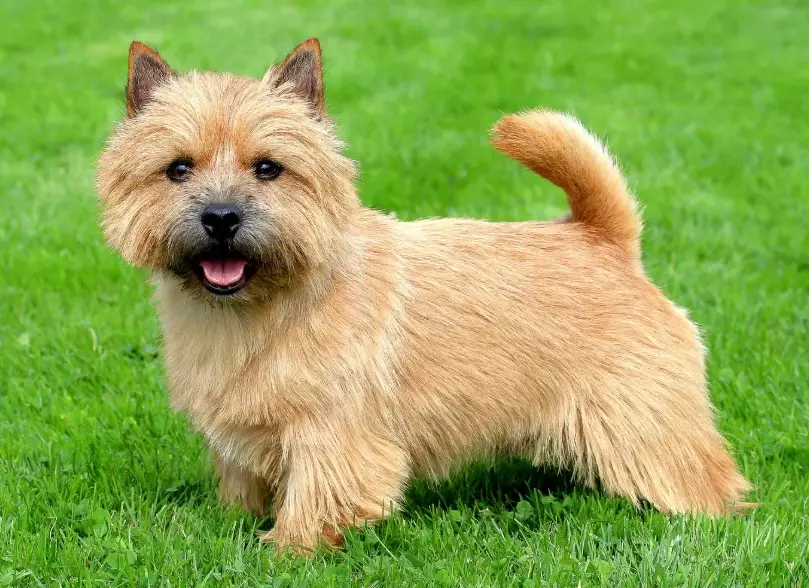
The Norwich Terrier Temperament: Fearless, Affectionate, and Stubborn
Living with a Norwich: Daily Care, Grooming, and Health
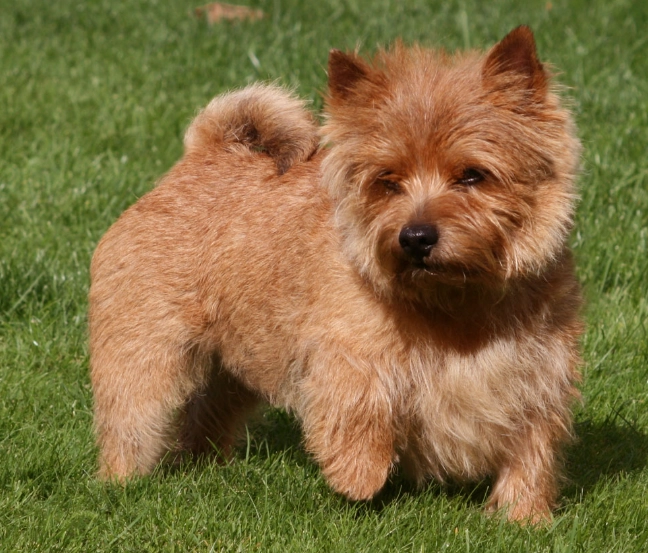
Grooming Your Norwich Terrier: It's More Than Just a Brush
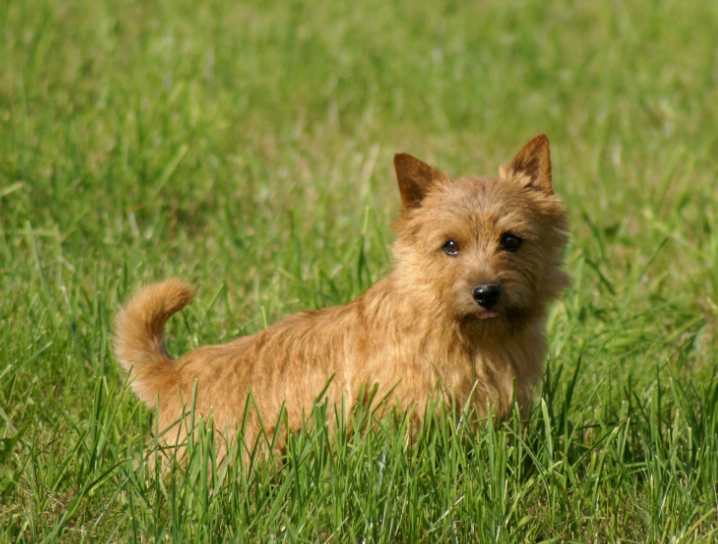
Exercise and Mental Stimulation: Tiring Out a Terrier Brain
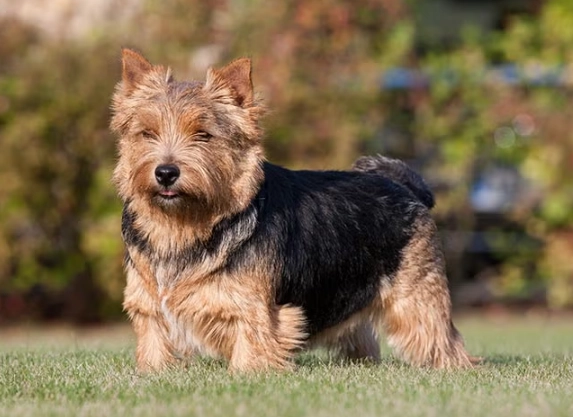
Norwich Terrier Health: What to Be Aware Of
Health Condition
Description
What Responsible Breeders Do
Upper Airway Syndrome (UAS)
This is a big one for the breed. It encompasses several issues (elongated soft palate, stenotic nares, everted laryngeal saccules) that can obstruct breathing. Signs include loud snoring, snorting, and exercise intolerance.
Have dogs evaluated by a specialist veterinarian. The Orthopedic Foundation for Animals (OFA) offers a registry for airway evaluations.
Epilepsy
An inherited neurological disorder that can cause seizures.
Track lineage and avoid breeding from affected lines.
Patellar Luxation
A kneecap that slips out of place, common in small breeds.
OFA patella evaluation.
Hip Dysplasia
Malformation of the hip joint, though less common than in larger breeds.
OFA or PennHIP hip screening.
Eye Conditions
Such as cataracts or progressive retinal atrophy (PRA).
Annual CERF (now OFA Eye) exams by a veterinary ophthalmologist.
Norwich Terrier vs. Norfolk Terrier: What's the Difference?
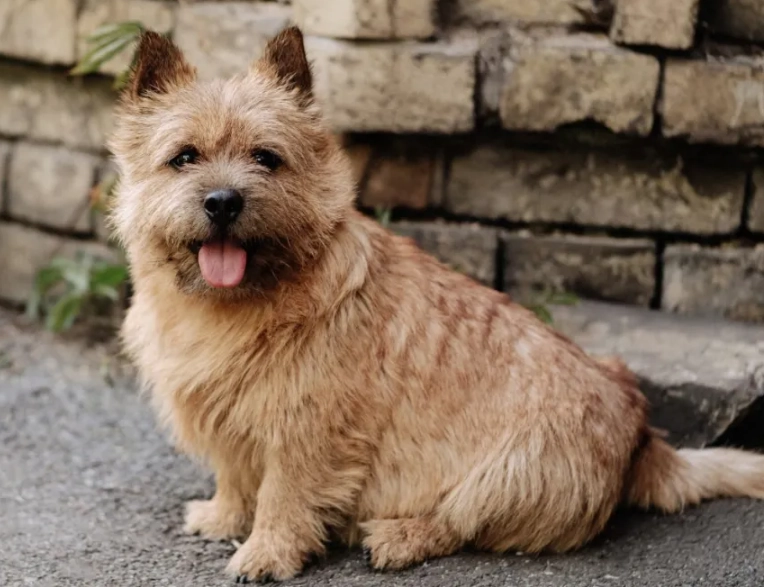
Is a Norwich Terrier the Right Dog for You? A Reality Check
Finding a Norwich Terrier Puppy or Rescue
Your Norwich Terrier Questions, Answered
Final Thoughts: The Joy and the Challenge
Q: Are Norwich Terriers good for first-time dog owners?
A: This is tricky. They are smart and trainable, but their independent terrier streak can be challenging for someone who isn't confident in setting consistent rules. A very dedicated, patient first-time owner who does their homework could succeed, but they might be an easier first dog for someone with some canine experience.
Q: Do Norwich Terriers shed?
A: Yes, but minimally compared to many breeds. Their wiry coat sheds very little loose hair. However, during the hand-stripping process, dead hair is removed, which is a form of controlled shedding. You won't find tumbleweeds of fur on your floor, but they're not 100% non-shedding.
Q: Can Norwich Terriers be left alone?
A: They are companion dogs and do best with company. Leaving an adult Norwich Terrier alone for 4-6 hours is usually manageable if they are properly exercised beforehand and have safe toys. Leaving them regularly for 8+ hours a day is a recipe for anxiety, boredom, and destructive behavior. They are not a good choice for people with very long, daily absences.
Q: Are they good with other pets?
A: With early socialization, they can get along well with other dogs. Their terrier heritage means they often have a high prey drive. Cats, rabbits, hamsters, or pet birds may be seen as prey, not friends. This instinct can be strong and difficult to train out. Always supervise interactions.
Q: How much does a Norwich Terrier puppy cost?
A: From a reputable breeder, expect to pay anywhere from $2,500 to $4,500 or more. The price reflects the extensive health testing, small litter sizes, and careful breeding practices. The initial cost is just the beginning—factor in food, grooming, vet care, insurance, and supplies over a 15-year lifespan.
Comment