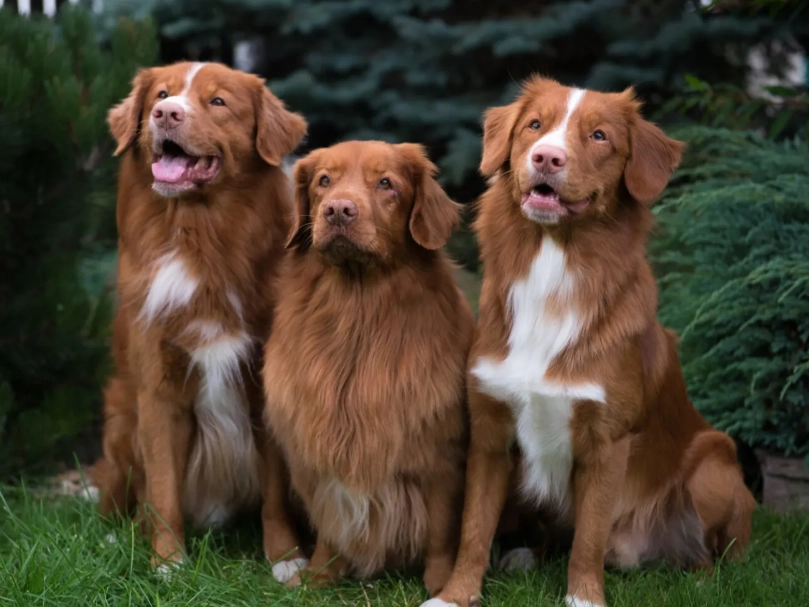
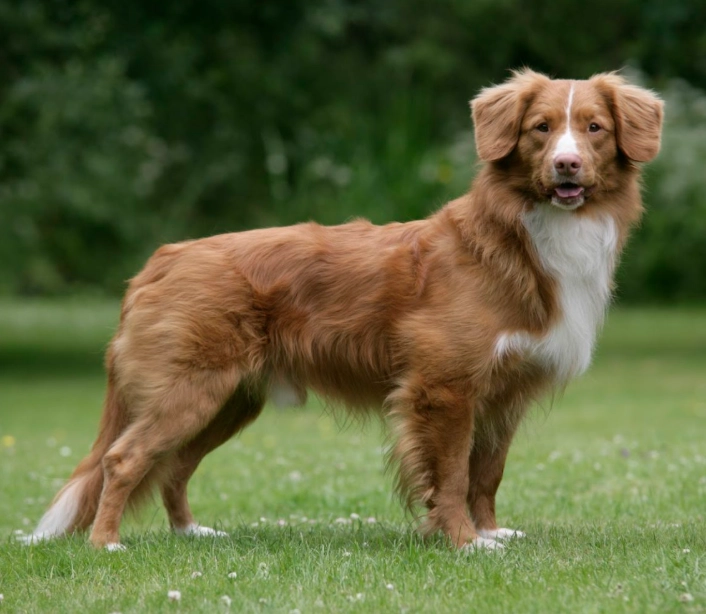
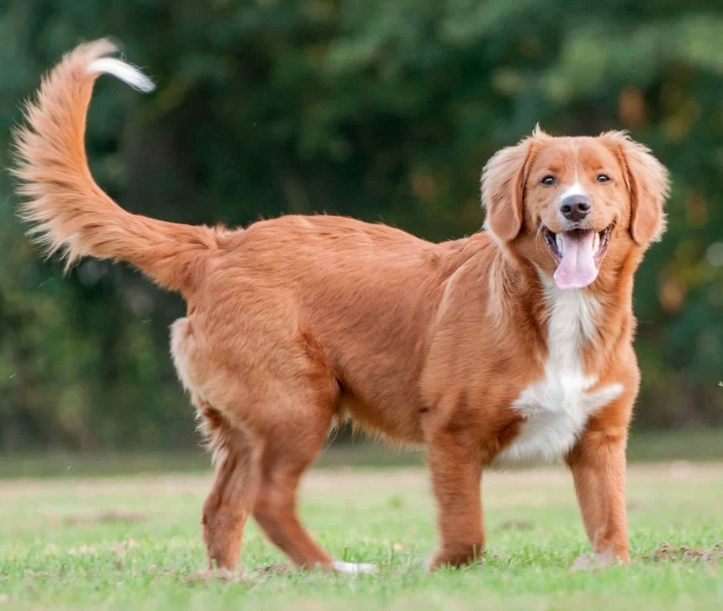
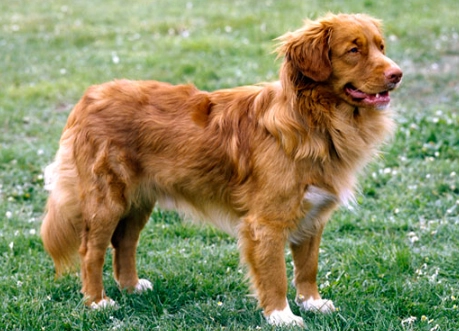
Let's be honest, when most people think of a retriever, a big, golden, gentle giant comes to mind. A dog that plods along happily, maybe fetches a ball, and is content to nap at your feet. If that's what you're looking for, you might want to keep browsing. The Nova Scotia Duck Tolling Retriever – let's just call it a Toller, it's a mouthful – is a different beast entirely. I mean that in the best way possible. This isn't a lazy weekend companion; it's a full-time, high-octane, think-on-its-feet partner. I remember the first time I saw one at a dog show. It wasn't just sitting pretty. It was watching everything, its whole body coiled with this intelligent energy, like it was waiting for a puzzle to solve. That's the essence of a Toller. So, what exactly is a Nova Scotia Duck Tolling Retriever? Hailing from Canada's rocky shores, this is the smallest of the retriever breeds, but don't let the size fool you. They were bred for a unique job: "tolling." Hunters would have the dog play and dash along the shoreline, its bright red coat and fox-like movements curiously attracting ducks within shooting range. Then, boom, the dog would switch gears and retrieve the downed birds from the icy water. That dual-purpose intelligence and relentless drive are baked into their DNA. Today, they're beloved by active families, agility fanatics, and hunters alike, but they come with a very specific set of needs. This guide isn't just a fluffy description. We're going to dig into what it really takes to live with one of these charismatic, challenging, and utterly captivating dogs. Bottom Line Up Front: The Toller is brilliant, affectionate, and stunningly beautiful. They are also intense, vocal, and demand more physical and mental exercise than almost any breed out there. They are not for novice owners or couch potatoes. Getting a Toller is a lifestyle choice. The history of the Nova Scotia Duck Tolling Retriever is a bit murky, which I think adds to its charm. It's not some aristocrat's creation from a fancy European estate. This is a working man's dog, developed in the early 19th century in the Little River Harbour area of Nova Scotia. Breeders likely mixed small, agile retrievers (maybe some old farm collie types) with spaniels and other hunting dogs, aiming for a specific tool. They needed a dog that could withstand the brutal cold of the North Atlantic, be small enough to ride in a cramped boat, clever enough to play-act to lure ducks, and tough enough to make repeated retrieves in freezing water. The result was perfection for that job. The breed club, the Nova Scotia Duck Tolling Retriever Club (Canada), was formed in 1945, and the breed gained full recognition with the Canadian Kennel Club not long after. It took a while for the world to catch on. The American Kennel Club (AKC) only recognized the Toller in 2003. That relative newness to the mainstream show scene means they've retained a lot of their original working spirit, which is both a blessing and a curse for modern pet owners. You can read the official AKC breed standard on their site to get the precise physical details, but it misses the spark in their eyes. The AKC's Nova Scotia Duck Tolling Retriever page is a good starting point for formal specs. Okay, let's paint a picture. Imagine a medium-sized dog, about 17 to 21 inches tall and 35 to 50 pounds. It's built like a compact athlete – muscular, balanced, ready to spring into action. The coat is a double-layer masterpiece: a soft, dense undercoat for insulation and a water-repellent, medium-length outer coat. And the color? It's always some shade of red or orange, often with lighter feathering on the legs, chest, and the famous white tip on the tail. That white tail tip was supposedly used as a lure, flashing back and forth like a fox's tail. Their expression is what gets you. It's keen, intelligent, and slightly mischievous. This is where it gets interesting. Describing a Toller's personality is like describing two different dogs. At home, with their family, they are deeply affectionate, often clownish, and form incredibly strong bonds. They want to be involved in everything you do. Cooking? They're sous-chef. Working on the computer? They're on your feet. They can be cuddly and sweet. But flip the switch. Take them outside, give them a job, and they transform. The intensity is palpable. They are driven, focused, and possess a stamina that can be frankly exhausting to witness. They are also famously vocal. It's not just barking. They make this unique sound called the "Toller scream" – a high-pitched, excited shriek they unleash when supremely excited or frustrated. It can startle you if you're not ready for it. My friend's Toller does it every time she picks up the car keys. Every. Single. Time. The Scream: It's real. It's loud. It's a dealbreaker for some people living in apartments or with noise-sensitive neighbors. This isn't a quiet, stoic breed. They express themselves with their whole being, lungs included. They are typically good with considerate children, especially if raised with them, but their high energy can accidentally knock over a toddler. With other dogs, they are often fine, though some can have a streak of same-sex dog selectivity. Their hunting heritage means small animals like cats, rabbits, or pet birds might be seen as prey unless they are very carefully socialized from puppyhood. They are alert and will bark at strangers, but they're not guard dogs. They're more likely to bark and then invite the intruder in to play fetch. This is the million-dollar question. Let's break it down with a brutally honest table. This isn't about good or bad; it's about fit. See the pattern? It's all about energy and engagement. Forget the standard advice. A 30-minute walk is a warm-up for a Toller, not a workout. A bored Toller is a destructive Toller. We're talking about chewing drywall, digging craters in the yard, or developing obsessive behaviors. Their exercise needs are twofold: Nova Scotia Duck Tolling Retrievers are whip-smart. They learn commands in a handful of repetitions. The challenge isn't getting them to learn; it's keeping them engaged and preventing them from outsmarting you. They get bored with endless repetition. Positive reinforcement – treats, praise, play – is the only way to go. They are sensitive and can shut down with harsh corrections. Training Tip: Make it a game. Turn "come" into the most exciting event of the day. Use their natural retrieving drive to teach fun, complex behaviors. Always end on a high note, before they get bored. Early and extensive socialization is critical. Expose the puppy to all sorts of people, places, sounds, and other animals in a positive way. This helps prevent the wariness or anxiety that some Tollers can develop. Basic obedience is a must, but for a Toller, it's just the foundation. Dog sports are where they truly shine and where you can build an incredible bond. Compared to some long-haired breeds, a Toller's coat is fairly low-maintenance. It's designed to shed water and dirt. A good brush-out once or twice a week with an undercoat rake and a slicker brush is usually enough to remove loose hair and prevent mats, especially behind the ears and in the "pants" (the feathering on the hind legs). They blow their undercoat heavily twice a year (spring and fall), and during those times, daily brushing is your new hobby. Baths are only needed when they get into something smelly. Check ears weekly for moisture and dirt to prevent infections, and keep nails trimmed. Generally, they are a robust, healthy breed with a lifespan of 12-14 years. However, like all purebreds, they are prone to certain genetic conditions. A responsible breeder will test their breeding stock for these issues. Always ask to see the results. The Orthopedic Foundation for Animals (OFA) database is where you can verify health clearances. Common health concerns include: When talking to a breeder, don't just ask "are they healthy?" Ask for the specific OFA numbers for the puppy's parents for hips, elbows, and eyes, and the results for the DNA tests for PRA. A good breeder will be transparent and proud to share this. This is where patience is key. Reputable breeders often have waiting lists, sometimes a year or longer. Why? Because they are carefully planning litters to improve the breed, not just to make puppies. They will interview you as thoroughly as you interview them. Start with the national breed club. In the U.S., that's the Nova Scotia Duck Tolling Retriever Club (USA). They have a breeder referral list. Expect to pay anywhere from $2,000 to $3,500 for a well-bred puppy from health-tested parents. Walk away from anyone who has multiple litters available at once, sells puppies online with a credit card, or won't let you meet the mother dog. Rescue is another wonderful option. Breed-specific rescues occasionally have Tollers or Toller mixes needing homes. These are often adult dogs whose owners underestimated their needs. They can make fantastic pets for the right, experienced person. Check with the NSDTRC-USA Rescue program. It's possible, but it's an extreme challenge. It comes down to one thing: can you meet their colossal exercise needs without a yard? If you are a marathon runner who can take the dog for a 10-mile run in the morning, do lunchtime training, and evening agility classes, then maybe. But you also have to consider the "Toller scream" and barking in a shared living environment. For most people in apartments, the answer is no. A Toller would be miserable, and so would your neighbors. Yes and no. Easy to teach, hard to perfect. They learn concepts lightning fast, which is easy. Keeping them motivated, preventing boredom, and achieving reliable obedience around distractions (like a squirrel!) is the hard part. They are not a "train once and done" breed. Training is a lifelong conversation. Yes. They have a double coat, and they shed. It's not constant, heavy shedding like a Husky, but it's noticeable. Expect tumbleweeds of red hair during the biannual coat blow. Regular brushing is your best defense. If you require a spotless home, this isn't your dog. It's a gamble that depends heavily on early socialization and the individual dog's prey drive. Some Tollers can live peacefully with a cat they've been raised with, especially if the cat stands its ground. Others will never see the cat as anything but a fast-moving prey animal to be chased. Introducing an adult Toller to a resident cat is risky and requires very careful, managed introductions. Beyond the obvious size and color difference, the temperament gap is huge. Golden Retrievers are famously easy-going, friendly with everyone, and generally have an "off switch." Tollers are more intense, more reserved with strangers, more vocal, and their "on switch" is basically permanent unless you teach them how to relax. Goldens are often described as gentle; Tollers are described as keen. Writing this, I keep thinking about that Toller at the dog show. The intelligence in its eyes was almost unsettling. This isn't a pet you own; it's a partnership you earn. The Nova Scotia Duck Tolling Retriever will challenge you, exhaust you, and make you laugh every single day. They will force you to be more active, more patient, and more creative than you ever thought you could be. For the right person – the avid outdoorsperson, the dog sport enthusiast, the dedicated trainer – a Toller is a dream come true. A loyal, versatile, and breathtakingly capable companion. For someone wanting a easygoing family pet to lounge with, it would be a nightmare of shredded shoes and frazzled nerves. Do your homework. Meet as many Tollers and Toller owners as you can. Be brutally honest with yourself about your lifestyle. If you can check all the boxes for this amazing breed, you might just find your perfect, fiery-red, four-legged soulmate. If not, there are plenty of other wonderful dogs who would be thrilled to share your quieter life. It's all about finding the right match. So, is a Nova Scotia Duck Tolling Retriever for you? Only you can answer that. But hopefully, now you have all the information – the good, the bad, the loud, and the incredibly rewarding – to make that decision.Quick Navigation
From Canadian Shores to Your Home: The Toller's Story
What Does a Toller Look and Act Like?
The Toller Temperament: A Bundle of Contradictions
Is a Nova Scotia Duck Tolling Retriever the Right Dog for You?
A Toller is a GREAT fit if you... A Toller is a POOR fit if you... Lead a very active, outdoor-oriented life (running, hiking, biking, swimming). Prefer quiet evenings and weekend relaxation. Enjoy dog sports (agility, flyball, dock diving, obedience, rally). Want a dog that is content with a short walk around the block. Have experience with intelligent, sensitive breeds and understand positive reinforcement training. Are a first-time dog owner or believe in old-school, dominance-based training. Can provide several hours of physical AND mental stimulation daily. Are away from home for 8+ hours a day regularly. Don't mind some dog hair and a vocal companion. Need absolute quiet or have strict apartment noise rules. Want a versatile, "do anything" partner for adventures. Want a low-maintenance, independent pet. 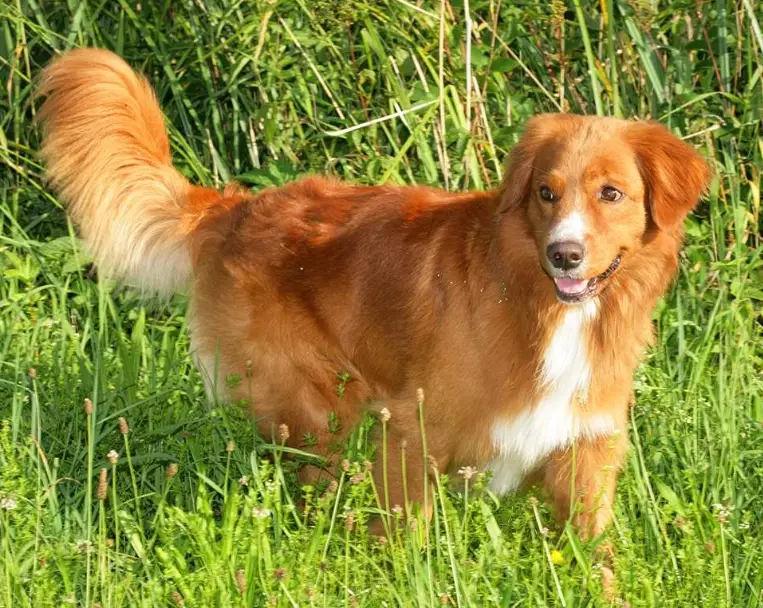
Living with a Toller: The Daily Reality (Care & Training)
Exercise: Non-Negotiable and Creative
Training: Be Smarter Than Your Dog

Grooming: Surprisingly Manageable
Health of the Nova Scotia Duck Tolling Retriever: What to Watch For
Finding a Toller Puppy or Rescue
Your Nova Scotia Duck Tolling Retriever Questions, Answered
Are Nova Scotia Duck Tolling Retrievers good apartment dogs?
Are they easy to train?
Do Nova Scotia Duck Tolling Retrievers shed a lot?
How are they with cats?
What's the difference between a Toller and a Golden Retriever?
Final Thoughts: The Toller Verdict
Nova Scotia Duck Tolling Retriever Guide: Personality, Care & Training
Comment