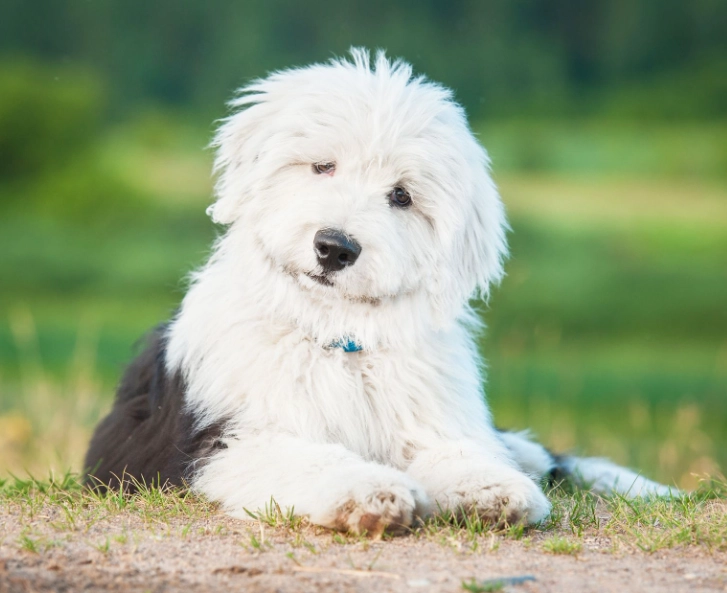
Let's talk about the Old English Sheepdog. You know the one – the walking, barking, incredibly charming dust mop. The dog that looks less like a canine and more like a friendly yeti who stumbled into your living room. I've always been fascinated by them. There's something undeniably magnetic about that shaggy silhouette and those bright, intelligent eyes peeking out from a forest of fur. But here's the thing nobody tells you right away: behind that adorable, cuddly exterior lies a commitment of truly epic proportions. This isn't a "set it and forget it" kind of dog. Owning an OES is a lifestyle choice, a declaration that you are ready for fur in places you never thought possible, for a grooming routine that rivals a salon's, and for a heart full of more love and clownish antics than you can imagine. Is it worth it? For the right person, absolutely. But you need to go in with your eyes wide open. This guide isn't just a fluffy overview. We're going to dig deep into the reality of life with an Old English Sheepdog. We'll cover the good (and there's so much good), the challenging (let's be honest), the expensive, and the downright messy. My goal is to give you every single piece of information you'd need to decide if this iconic breed is your perfect match, or if you should admire them from a slightly less hairy distance. Quick Breed Snapshot: The Old English Sheepdog, often called the "Bobtail" due to its traditionally docked tail, is a large herding breed originally developed in England to drive cattle and sheep to market. They're known for their profuse double coat, adaptable nature, and a personality that balances gentle family companion with playful goofball. They're not for the faint of heart or the time-poor. Forget the static show dog image. A living, breathing Old English Sheepdog is a creature of delightful contradictions. The official breed standard from the American Kennel Club (AKC) describes them as adaptable, intelligent, and gentle. That's accurate, but it feels a bit... formal. Let me put it in human terms. Imagine a smart, slightly clumsy college student who loves parties but is also a dedicated homebody. They are profoundly social. An OES left alone for long hours is a recipe for misery (theirs) and destruction (yours). They thrive on being part of the action, whether it's helping you garden (by digging their own holes), supervising dinner prep (from a safe, drool-distance), or just plopping their substantial body on your feet while you watch TV. Their herding instinct is still there, but it often manifests as gentle nudging with their nose or a desire to keep their "flock" (you and your kids) together in one room. They're famously good with children, exhibiting a natural patience and protective instinct. But their size and exuberance mean they can accidentally bowl over a toddler – supervision is always key. With other pets, they're generally amiable, especially if raised together. That intelligence means they learn quickly, but it also means they get bored easily. They respond best to positive, engaging training that feels like a game. Harsh methods will shut them down completely. The Not-So-Secret Challenge: The clownish, playful side is strong. Many an OES owner has stories of their dog "stealing" items (not to destroy, just to carry around like a trophy), doing a spontaneous "happy dance" that involves full-body wiggles, or making hilarious grumbling noises when content. It's endearing 95% of the time. The other 5%, when you're late and they've decided to lie down stubbornly on a walk, you might see it differently. Let's break down that personality into a more digestible list. What can you actually expect day-to-day? If you're even slightly intimidated by grooming, stop right here. This is the single biggest factor in OES ownership. I'm not exaggerating. That beautiful coat is a high-maintenance masterpiece. It's a double coat: a soft, dense undercoat that sheds (yes, they DO shed, it's just trapped in the topcoat) and a harsh, shaggy outer coat that grows continuously. Left unattended, it will mat into solid, painful felts near the skin faster than you can say "brush." This isn't a weekly brushing situation. This is a major household chore. Here’s what keeping an Old English Sheepdog's coat in healthy, non-matted condition truly entails: I knew an OES owner who went on a two-week vacation and left the dog with a well-meaning but inexperienced sitter. They came back to a dog that had to be completely shaved down because the coat had matted into a solid, smelly shell. The dog was visibly relieved, but it was a costly and avoidable lesson. The coat of an Old English Sheepdog demands respect and routine. Like all purebred dogs, the Old English Sheepdog has a predisposition to certain health conditions. Responsible breeders test their breeding stock to minimize these risks. When you're looking for an Old English Sheepdog puppy, you must ask for health clearances. The UK Kennel Club and the AKC list recommended screenings. Key Health Tests for Parents: Hip Dysplasia (OFA or PennHIP evaluation), Elbow Dysplasia, Progressive Retinal Atrophy (PRA), and a thyroid panel. A good breeder will happily show you these certificates. A well-bred Old English Sheepdog from health-tested parents has a good shot at a long, healthy life of 10-12 years. But you need to budget for veterinary care. Pet insurance is something I strongly, strongly recommend for any large breed dog. One bloat surgery can cost $5,000-$10,000. Let's talk numbers, because this is a major financial decision. The initial purchase price from a reputable, ethical breeder who does full health testing typically ranges from $1,800 to $3,500+. The higher end often reflects show-quality puppies or breeders with exceptional lines. If you see an Old English Sheepdog puppy advertised for $800, be very, very suspicious. That breeder is almost certainly cutting corners on health testing, socialization, and care. Then comes the setup and first-year costs: So, before you even get to year two, you've likely invested well over $4,000. And then the recurring annual costs kick in: food ($800-$1,200), grooming ($1,000-$2,000), vet check-ups/medications ($300-$800), insurance ($600-$1,200), and miscellaneous (toys, treats, replacements for chewed items...). Adoption as an Alternative: Don't overlook breed-specific rescues! Organizations like Old English Sheepdog Rescue Inc. (OESRI) often have wonderful dogs of all ages looking for homes. An adult dog can be a fantastic choice—you often skip the destructive puppy phase and get a clearer sense of their personality. The adoption fee is usually much lower ($300-$600), and they are often already vetted and sometimes even trained. Okay, you've braced yourself for the grooming and the cost. What's daily life actually like? They need exercise, but they're not marathon runners. Two 30-45 minute walks a day, plus some playtime, is a good benchmark. Mental stimulation is just as important. Food puzzle toys, training sessions, hide-and-seek games, and nose work are excellent ways to tire out their brain. A bored Old English Sheepdog will find their own entertainment, and you probably won't like their ideas. Start training and socialization the day you bring your puppy home. Expose them gently to all sorts of people, places, sounds, and other animals. Key commands to master early: Use positive reinforcement. They are sensitive souls. They can adapt to various living situations, including apartments, if their exercise needs are met. But a house with a securely fenced yard is ideal. The fence needs to be tall and secure—they are not known as escape artists, but a squirrel can be a powerful motivator. Inside, they are usually calm and love a soft spot to lounge. Just make sure it's a spot you can easily vacuum. Speaking of vacuuming, you will need a powerful vacuum cleaner. Invest in a good one. Fur will be on your clothes, in your car, and possibly in your food. It's a fact of life. Some people call it "OES glitter." Honestly? Usually not. The combination of intense grooming needs, size, strength, and occasional stubbornness can be overwhelming for someone still learning basic dog ownership. If a first-timer is absolutely set on the breed, they must be prepared to invest heavily in professional grooming help and obedience classes from day one. YES. The myth that they are "non-shedding" is just that—a myth. They have a double coat that sheds seasonally. The difference is that the loose hair often gets trapped in the long outer coat instead of falling to the floor... until you brush it, or it forms a mat. When you brush them, you will remove enough fur to build a second dog. Moderate. About an hour to an hour and a half of combined walking and play per day is sufficient for most adults. Puppies and young adults will have more energy. The key is consistency and mixing in brain games. They are social dogs and do not do well with long, daily absences. 4-6 hours is generally the maximum you should regularly leave an adult OES alone. A puppy, of course, needs far more frequent attention and potty breaks. Leaving them alone too long leads to anxiety, barking, and destructive chewing. Not typically. The breed standard calls for a stable, adaptable temperament. Aggression is a serious fault. They are more likely to lick an intruder than bite them. However, any dog can develop issues if poorly bred, improperly socialized, or mistreated. Males tend to be larger (sometimes over 100 lbs) and can be slightly more overtly goofy and affectionate. Females are often a bit smaller and can be more independent-minded. But individual personality varies far more than gender. The right dog for you depends on their specific temperament, not their sex. This isn't a decision to make based on a cute picture. It's a commitment to a large, hairy, wonderful, and demanding creature. Let's make a final checklist. You SHOULD get an Old English Sheepdog if: You should probably NOT get an Old English Sheepdog if: If you've read all this and you're still nodding along, excited rather than deterred, then you might just be the perfect person for an Old English Sheepdog. The love and laughter they bring into a home is immense. They are loyal, unforgettable characters. Just be ready for the work that comes with the wonderful, shaggy package. Do your homework, find a fantastic breeder or rescue, and get ready to welcome a big, fluffy piece of joy—and a new, very powerful vacuum cleaner—into your life. Good luck!Your OES Guide Highlights
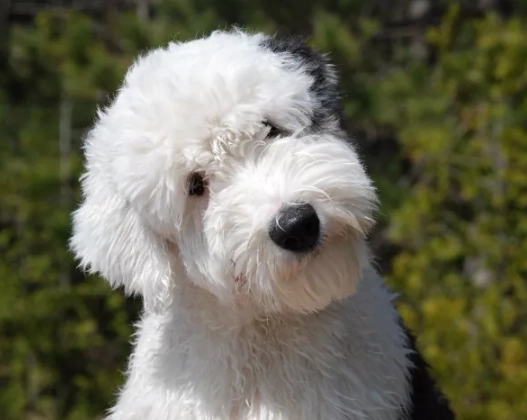
What's an Old English Sheepdog Really Like? Personality Decoded
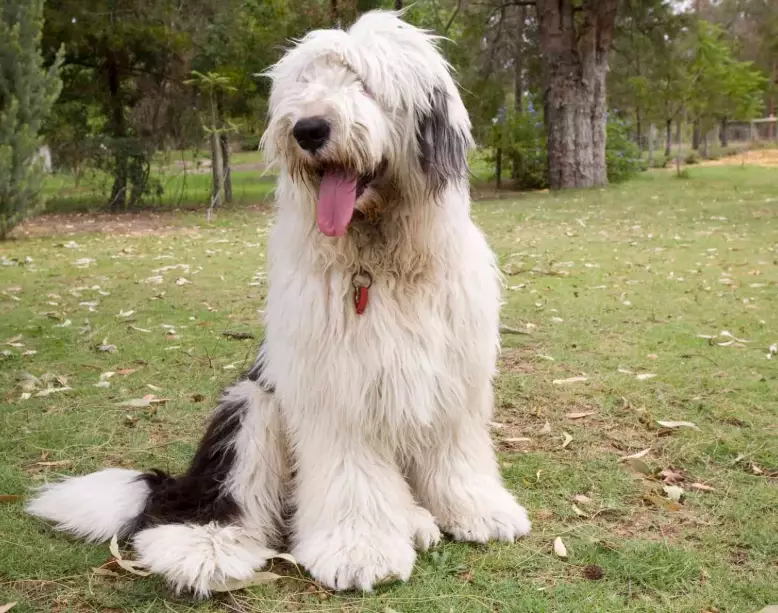
Old English Sheepdog Temperament: The Good, The Goofy, The Needy
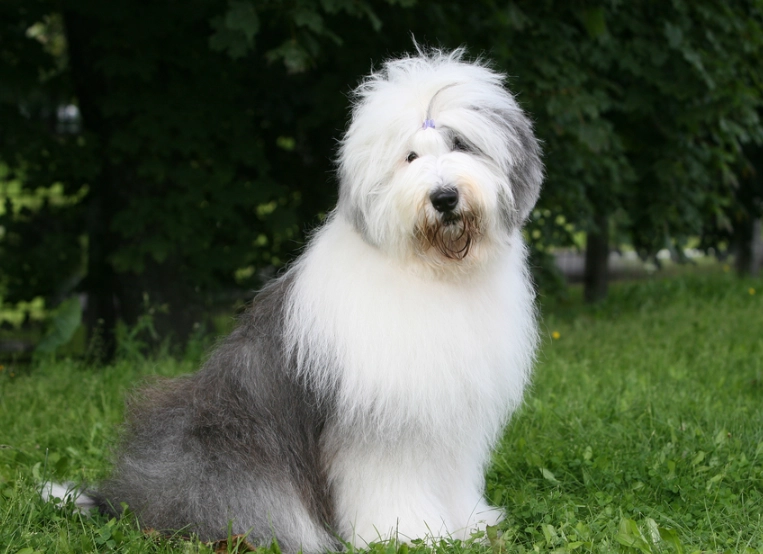
The Elephant in the Room: Grooming Your Old English Sheepdog
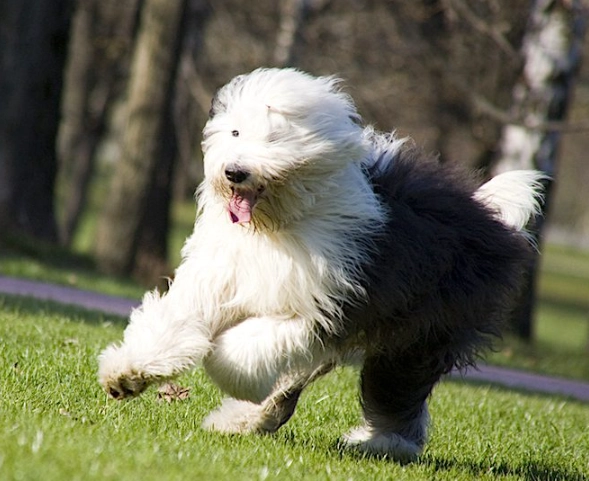
The Non-Negotiable Grooming Routine
Grooming Task Frequency Time/ Cost Estimate What Happens If You Skip It Full Brush-Out 2-3 times/week 30-60 minutes Mats form, leading to skin irritation, pain, and eventual need for shaving. Professional Grooming Visit Every 6-8 weeks $80 - $150+ per visit Coat becomes unmanageable, hygiene suffers, risk of hot spots. Nail Trimming Every 2-3 weeks 15 minutes / $15 if done at groomer Long nails cause foot pain and posture problems. Ear Cleaning Weekly 5 minutes Floppy, hairy ears are prone to infections. 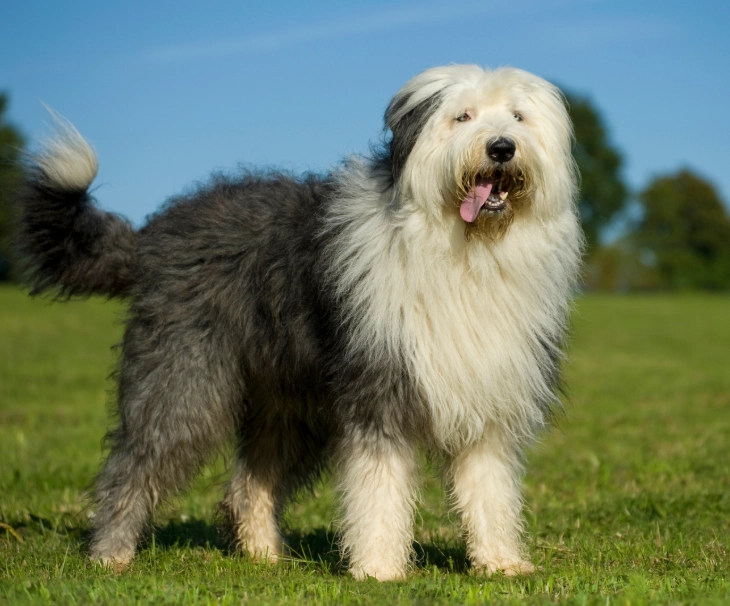
Old English Sheepdog Health: What You Need to Watch For
Common Health Concerns in the Breed
Bringing Home an Old English Sheepdog Puppy: Costs and Preparation
Living Day-to-Day: The OES Owner's Reality
Exercise & Mental Needs
Training Must-Dos
Home Environment
Frequently Asked Questions (The Real Ones People Search)
Are Old English Sheepdogs good for first-time dog owners?
Do Old English Sheepdogs shed?
How much exercise does an Old English Sheepdog need?
Can Old English Sheepdogs be left alone?
Are they aggressive?
What's the difference between a male and female Old English Sheepdog?
The Final Verdict: Is an Old English Sheepdog Right for YOU?
Old English Sheepdog: Complete Care, Cost & Personality Guide
Comment