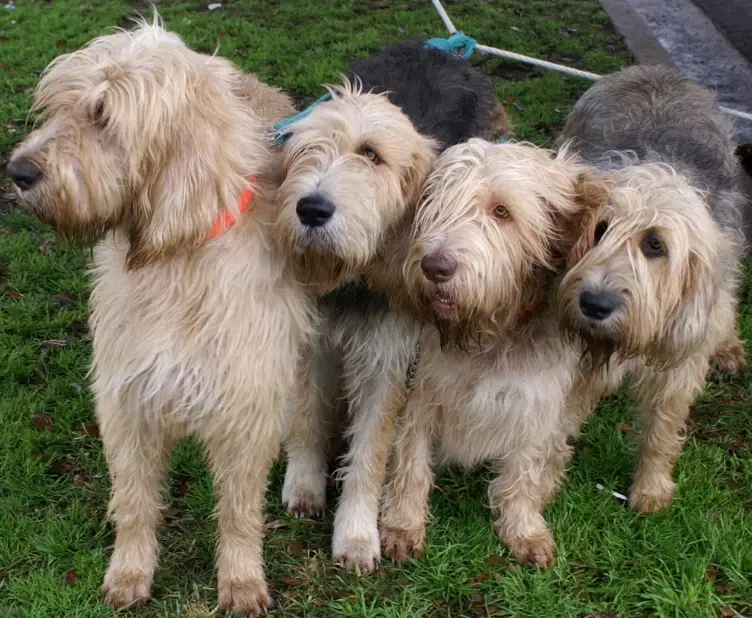
Let's be honest, you probably haven't met many Otterhounds in your life. I hadn't either, until I spent a weekend with a breeder a few years back. That experience completely changed my perspective. This isn't your average dog. The Otterhound is a walking, sniffing, occasionally drooling piece of living history, wrapped in a waterproof coat that feels more like a shag rug than fur. They're one of the most endangered native dog breeds in the UK, with numbers so low they make some big cats look populous. So why is a dog this special, this unique, teetering on the edge? And more importantly, could one of these gentle giants possibly be the right dog for you? That's what we're going to dig into. Forget the dry, bullet-pointed breed summaries. We're going to talk about what it's actually like to live with an Otterhound. The good, the messy, the hilarious, and the challenging. We'll cover everything from their ancient history as otter hunters (hence the name) to the realities of grooming that magnificent double coat, their health considerations, and where you might even find one. My goal here is simple: to give you the most comprehensive, honest, and useful resource on Otterhounds you'll find online. No fluff, just the real deal. To understand the Otterhound today, you have to go back centuries. We're talking medieval times. Their job was as specific as it gets: to hunt otters. Now, before you balk, remember the context. Otters, while wonderful creatures, were considered serious pests in medieval England and Europe. They decimated fish stocks in rivers and ponds, which were a vital food source. So, communities needed a dog that could do the impossible—track an otter on land and in water, follow it into its holt (a riverside den), and hold it or bay until the hunters arrived. The Otterhound is the product of that very specific need. Think about the traits that job required: The breed's exact ancestry is a bit murky, likely involving now-extinct French hounds, Bloodhounds for that legendary nose, and perhaps some rough-coated terriers. When otter hunting was banned in England in 1978 and in Scotland in 1982, the Otterhound's primary purpose vanished. The breed population plummeted. Today, organizations like The Kennel Club (UK) list them as a Vulnerable Native Breed. In the US, the American Kennel Club registers only a handful of litters each year. Every Otterhound puppy born is a small victory for preservation. That historical background explains so much about their modern personality. That independence? They had to make decisions on the hunt far from their handler. That loud voice? It was essential. That love for water and following a scent? It's hardwired. You're not getting a blank slate; you're getting a dog with centuries of specialized instinct baked in. You can't miss an Otterhound. They are substantial dogs. Males stand 24-27 inches at the shoulder and can weigh 80-115 pounds. Females are a bit smaller, but they're still big, sturdy animals. They have a rangy, athletic build that speaks to their stamina, not a bulky, mastiff-like frame. But let's be real, the coat is the star of the show. It's a double coat. The outer coat is long, rough, harsh, and dense. It can be slightly wavy or straight. It feels wiry to the touch. Underneath is a short, woolly, oily undercoat that provides insulation and, crucially, waterproofing. This coat comes in a variety of colors—whole colored (like wheaten, red, or tan), grizzle, blue, black, or liver. They often have white markings, especially on the head, chest, feet, and tail tip. The head is majestic, with a square muzzle, a pronounced stop, and those unforgettable long, droopy ears covered in hair. The expression is kind, amiable, and a little bit wise. And she was right. That magnificent coat is a magnet for everything: mud, leaves, twigs, burrs, you name it. It's not a coat for the faint of heart or the tidy-freak homeowner. This is where people either fall completely in love or realize this breed isn't for them. The Otterhound temperament is a fascinating bundle of contradictions. First, the wonderful parts. By and large, Otterhounds are famously good-natured, affectionate, and even-tempered. They are typically excellent with children, displaying a gentle patience that's remarkable for such a large dog. They are not guard dogs; their default setting is to welcome everyone as a potential friend. They are pack-oriented and thrive on being part of the family. Many owners describe them as "clowns"—goofy, playful, and often unaware of their own size. That deep, resonant bark is usually reserved for excitement or when they're on a scent, not for aggression. Now, the other side of the coin. They are scenthounds, bred to follow their nose independently for miles. This translates to a strong independent streak. Recall training is a lifelong challenge, not a one-time lesson. If an Otterhound catches an interesting smell, its brain seems to have an "override" button that disconnects its ears from your voice. They are not eager-to-please in the way a Border Collie or Golden Retriever is. Training requires patience, consistency, and really good treats. They can be stubborn. Saying they are "hard to train" isn't quite fair; it's more that they are selective about when they choose to obey. Positive reinforcement is the only way to go. They also have moderate to high energy needs. They are not couch potatoes, though they can be champion loungers after exercise. They need daily, long walks and, ideally, opportunities to run in a secure area and use their nose. A bored Otterhound with pent-up energy is a destructive Otterhound. Probably YES if you: Have experience with large, independent breeds (hounds, livestock guardians). Have a securely fenced yard (6-foot minimum, they can be climbers!). Don't mind drool, dirt, and dog hair. Value a unique, affectionate personality over perfect obedience. Have an active lifestyle. Probably NO if you: Want a pristine, low-shedding dog. Need reliable off-leash recall. Live in a small apartment with no yard. Are a first-time dog owner. Are looking for a guard dog. Have neighbors who will complain about a deep, loud bark. Let's not sugarcoat this. The Otterhound coat is high-maintenance. It doesn't shed in the same way a Labrador does, but it does shed and, more importantly, it mats easily. That beautiful shaggy look requires work. I've spoken to owners who spend an hour a week on grooming, and they consider it bonding time. But you have to be willing to put in the time, or you'll end up with a matted, uncomfortable dog. Otterhounds are generally a healthy, robust breed, partly due to their diverse genetic history. Their average lifespan is 10-13 years. However, like all large breeds, they are prone to certain conditions. Responsible breeders will screen their breeding stock for these issues. It's crucial to find a veterinarian familiar with giant breeds and their specific needs, like proper nutrition for controlled growth in puppies. An Otterhound needs more than a quick walk around the block. Aim for at least an hour of good exercise daily. This could be: Mental exercise is just as important. Food puzzles, snuffle mats, and nose work games are perfect for this breed. Teaching them new tricks (even if slowly) also helps. A tired Otterhound is a well-behaved Otterhound. This is the most common route for getting an Otterhound puppy. Expect to be on a waiting list, sometimes for over a year. A good breeder will interview you as thoroughly as you interview them. They should: Be wary of anyone who has multiple litters available at once, sells puppies online with no questions asked, or cannot provide health clearances. The price for an Otterhound puppy from a reputable breeder can be significant, reflecting the rarity and costs of responsible breeding. Yes, Otterhounds do sometimes end up in need of new homes. It's rare, but it happens. People underestimate the grooming, the size, the energy, or the independence. Breed-specific rescue organizations, often run through the national breed clubs, are the best place to look. They carefully evaluate and foster dogs to match them with the right forever home. Adopting an adult Otterhound can be a wonderful experience—you skip the puppy chaos and get a dog whose personality is already evident. Check the websites of the Otterhound Club of America or The Kennel Club for rescue contacts. So, after all this, what's the final verdict? The Otterhound is not a dog for everyone. In fact, it's a dog for very few. They are messy, stubborn, loud, and a lot of work. If you want an easy, obedient, clean companion, look elsewhere. But. If you can look past all that—or better yet, embrace it—you get a dog of unparalleled character. You get a living piece of history with a heart of gold. You get a loyal, affectionate, and endlessly entertaining friend who will make you laugh every single day. You become part of a small, passionate community dedicated to preserving something truly special. Owning an Otterhound is a commitment, an adventure, and a privilege. It's not always easy, but the people who share their lives with these shaggy hounds will almost always tell you it's worth it. They don't just own a dog; they have an Otterhound. And there's a world of difference between the two. Do your research. Talk to breeders and owners. Meet the dogs if you can. Be brutally honest with yourself about your lifestyle. If you decide to take the plunge, you're in for one of the most unique and rewarding relationships you can have with a dog. Just stock up on brushes, towels, and good treats.Quick Navigation
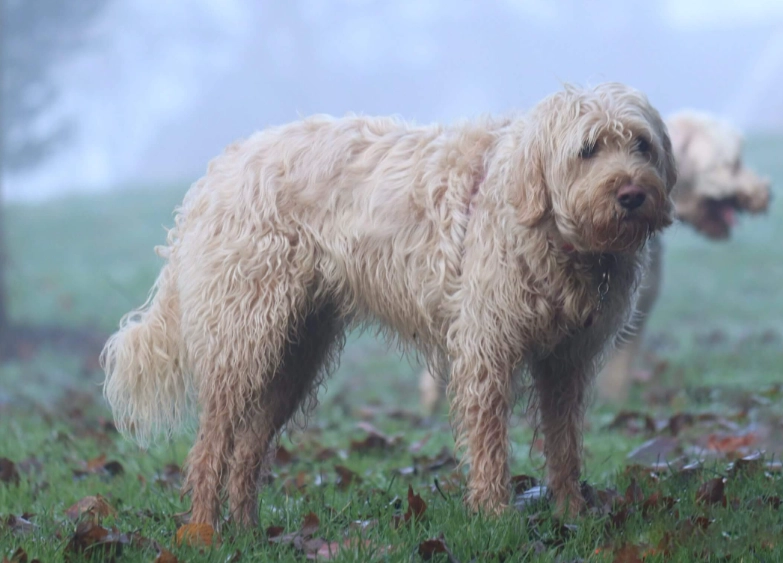
What Exactly Is an Otterhound? Origins and History
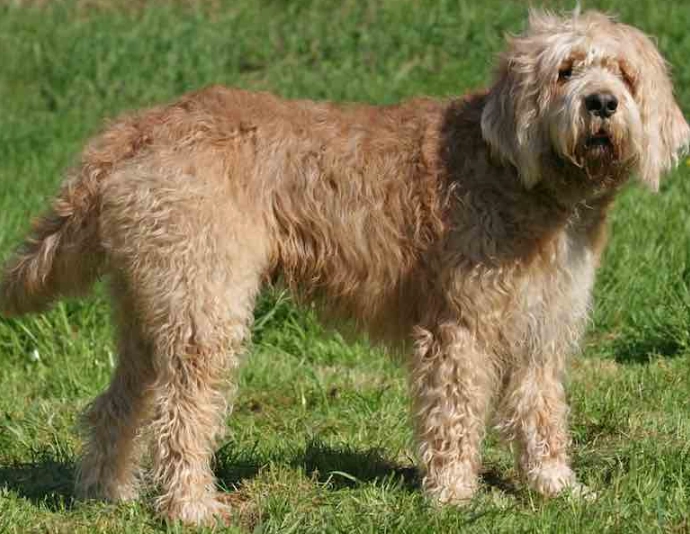
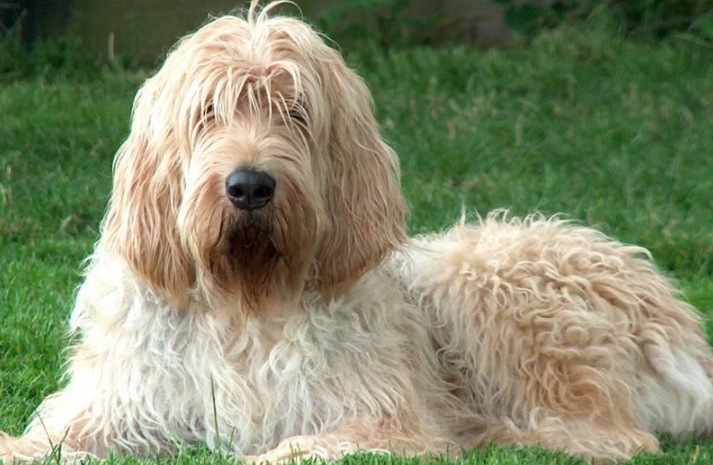
The Otterhound Look: Shaggy, Substantial, and Full of Character
The Otterhound Temperament: Gentle Giant or Stubborn Hound?
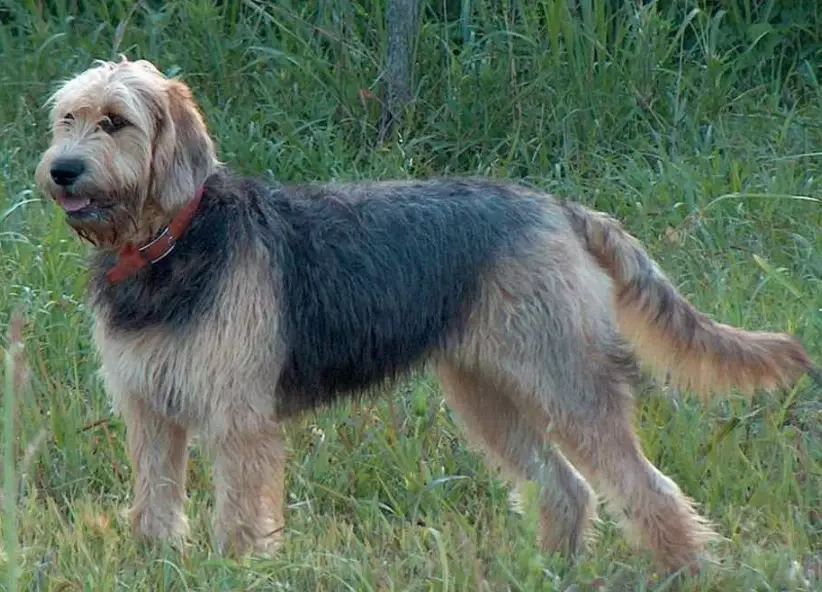
Is an Otterhound Right For You? A Quick Reality Check
Caring for Your Otterhound: Grooming, Health, and Exercise
Grooming: It's a Commitment
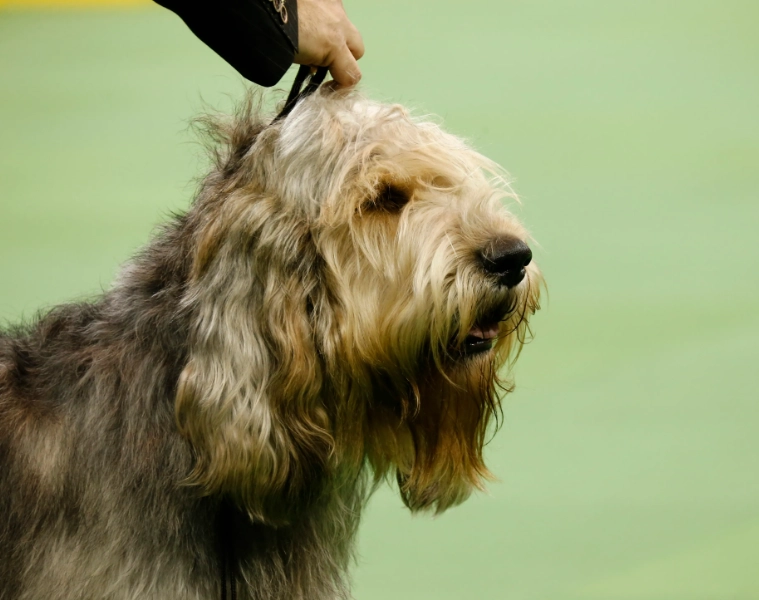
Health and Lifespan
Health Concern
What It Is
Notes for Owners
Hip Dysplasia
A malformation of the hip joint that can lead to arthritis.
Very common in large breeds. Ask breeders for OFA or PennHIP certification results for the parents.
Elbow Dysplasia
Similar to hip dysplasia, but in the elbow joint.
Also screened for by good breeders. Can cause lameness.
Bloat (GDV)
A life-threatening stomach torsion.
A risk for any deep-chested breed. Know the symptoms (restlessness, unproductive retching) and act FAST.
Epilepsy
Seizure disorder.
Can be idiopathic (no known cause). Manageable with medication in most cases.
Allergies
Skin or food allergies.
Can manifest as itchy skin, ear infections, or paw licking. Often manageable with diet or medication.
Exercise and Mental Stimulation
Finding an Otterhound: Breeder vs. Rescue
Working with a Reputable Breeder
Otterhound Rescue and Adoption
Living the Otterhound Life: Final Thoughts
Key Takeaway Right Up Front: The Otterhound is a large, affectionate, and remarkably good-natured scenthound. They are independent thinkers, bred for stamina and a loud voice, and require an owner who appreciates a dog with a mind of its own. They are not low-maintenance. Their combination of size, energy, grooming needs, and potential for stubbornness makes them a breed best suited for experienced dog people with space and patience.
I remember running my hands through the coat of a five-year-old Otterhound named Boris. It was unlike any dog fur I'd felt. It was thick, almost crunchy on top, but his skin felt warm and dry underneath even after he'd been splashing in a trough. The breeder told me he'd shake off and be 90% dry in minutes. It was impressive, but she also laughed and said, "Just wait until you see what this coat collects."
Q: Are Otterhounds good apartment dogs?
A: It's a tough sell. While they can be calm indoors, their large size and loud, booming bark make apartment living a challenge. They do much better in a home with direct access to a secure yard. If you are in an apartment, you must be committed to multiple long walks and trips to a park or secure area every single day, without fail.
Q: Do Otterhounds get along with other pets?
A: With proper socialization, they typically do well with other dogs due to their pack history. Their high prey drive, however, means small animals like cats, rabbits, or pet birds are at serious risk. They were bred to hunt aquatic mammals, so that instinct is strong. Introducing them to a resident cat requires extreme caution and may not be safe.
Q: Are they really as rare as people say?
A: Yes. Global estimates often put the total population at well under 1,000 individuals. In many years, there are fewer Otterhound puppies registered in the entire United States than there are Labrador Retrievers registered in a single state. Owning one means you are a custodian of a rare genetic treasure.
Comment