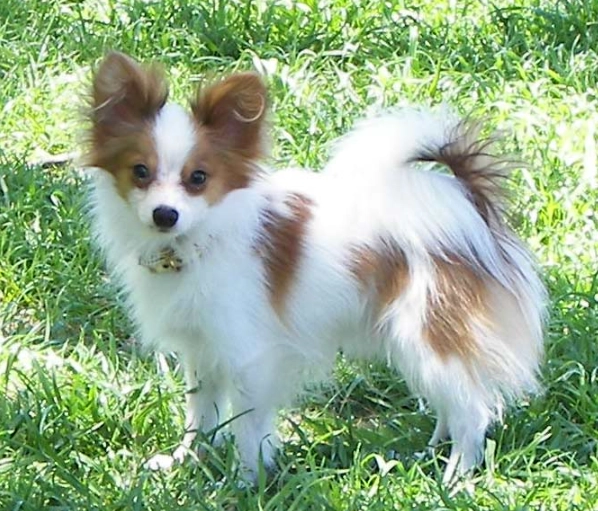
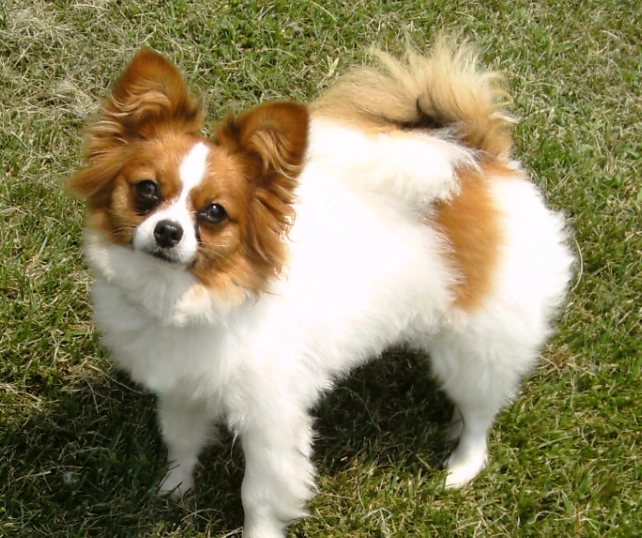
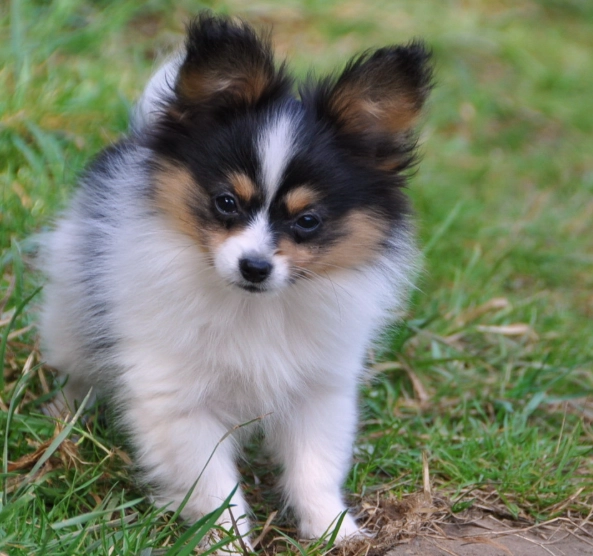
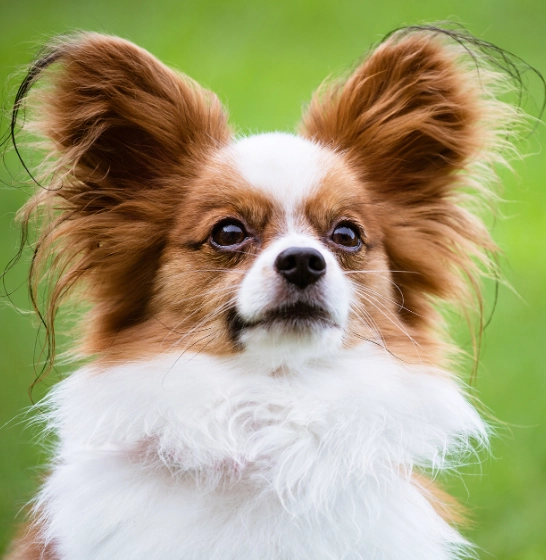
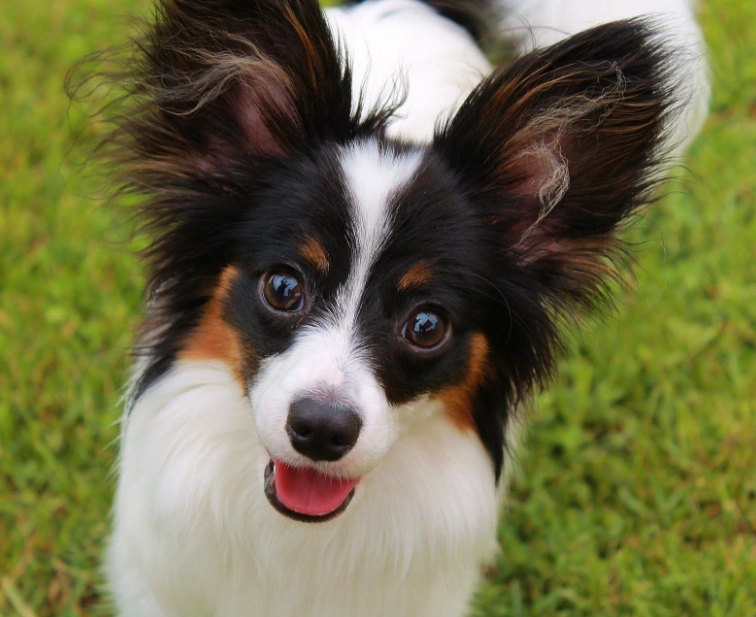
So you're thinking about getting a Papillon. Maybe you saw one prancing around the park, those huge ears catching the breeze like sails, and thought, "What is that?" Or perhaps you've heard they're smart—like, scary smart for a dog that small. Let's get real for a second. The internet is full of fluffy breed descriptions that make every dog sound perfect. I'm not here to do that. I've spent years around these little dynamos, from well-trained champions to neurotic barkers, and I want to give you the full picture, the good and the frankly annoying. Is the Papillon the right dog for you? Let's dig in. The Core of the Papillon: Don't let the delicate name and dainty appearance fool you. This is a tough, energetic, and fiercely intelligent toy breed. They were bred to be companions to royalty, but there's nothing lazy about them. Think of a border collie's brain in a tiny, fringed package. That's closer to the truth. The Papillon's story starts centuries ago in Europe, long before they were called "Papillon" (that's French for butterfly, by the way). You can find them in old paintings, curled up on the laps of noblewomen. The American Kennel Club (AKC) notes their presence in Renaissance art, which is pretty cool when you think about it. They've literally been the "it" dog for aristocracy for hundreds of years. Originally, they probably had dropped ears and were called "dwarf spaniels" or "continental toy spaniels." The erect, fringed ears we associate with the modern Papillon became the standard later. There's still a drop-eared variety called the Phalène (French for moth), which is equally lovely and shares the exact same standard except for the ears. Both types can appear in the same litter. You know the ears. But there's more to it. According to the official breed standard maintained by the Fédération Cynologique Internationale (FCI), the global canine organization, here's the breakdown. It's all about balance and elegance. They're fine-boned but shouldn't look fragile or spindly. A good Papillon has a spring in its step, a proudly carried tail that arches over the back, and of course, those large, round, dark eyes that are full of expression. The coat is long, silky, and straight, with no undercoat. That means less shedding than some breeds, but don't expect zero hair on your clothes. This is a true toy breed. Most stand between 8 to 11 inches at the shoulder. Weight is a better indicator of health than height. A healthy, fit Papillon should weigh between 5 to 10 pounds. I've seen some chunkier ones pushing 12 pounds, and honestly, it's not good for their little joints. Keeping them slim is crucial. This is where people get it wrong. They see a small, fluffy dog and think "lapdog." Sure, a Papillon can be a fantastic cuddler—on their own terms. But their default setting is more like a tiny, curious supervisor. Let's list out the key traits, good and bad. The Big Watch-Out: That intelligence and sensitivity make them prone to separation anxiety. If you work long hours outside the home without a plan, a Papillon might shred your curtains or bark non-stop. It's not spite; it's panic. Okay, so you're still interested. What does day-to-day life look like? That long, flowing coat is deceptive. Without an undercoat, it doesn't mat as easily as, say, a Maltese. A good brush-out 2-3 times a week is usually enough to prevent tangles, especially behind the ears and in the "culottes" (the fur on the hindquarters). They are average shedders. No need for professional grooming unless you want a specific trim, but regular nail trims, ear cleaning, and dental care are musts. This isn't a dog that's content with a potty break in the yard. Aim for at least 30-45 minutes of active exercise daily. This can be a brisk walk, a vigorous play session, or training games. Mental exercise is just as important. Food puzzles, learning new tricks, or beginner agility are fantastic for tiring out a Papillon brain. Why does this matter so much? A tired Papillon is a well-behaved Papillon. An under-exercised one will find its own fun, and you'll be dealing with barking, chewing, or other nuisance behaviors. Because they're so smart, they can be willful. Use positive reinforcement—treats, praise, play. Harsh methods will backfire spectacularly; they'll shut down or become sneaky. Socialization isn't just about other dogs. Expose them gently to different people, surfaces, sounds, and experiences during their first few months. A well-socialized Papillon is a confident, adaptable companion. Overall, they are a relatively healthy and long-lived breed, often reaching 14-16 years. But like all purebreds, they have some predispositions. A responsible breeder will test their breeding stock for these conditions. The single biggest health move you can make? Keep them lean. An extra pound on a Papillon is like 20 pounds on a person. It stresses their joints, heart, and trachea. Feel their ribs easily? That's a good sign. People often ask how they compare to a Maltese, Yorkie, or Chihuahua. It's all about energy and brainpower. This is where you must do your homework. A good breeder's goal is to better the breed, not just sell puppies. They will: Check the Papillon Club of America website for a list of member breeders. Be prepared to be on a waitlist. A well-bred Papillon puppy from health-tested lines is an investment, typically ranging from $1,500 to $3,000+. Don't overlook this! Breed-specific rescues are fantastic. The dogs are often adults, so you know their size and personality. They've usually been fostered, so the rescue can tell you about any quirks. You're giving a dog a second chance. Search for "Papillon rescue" plus your region. Be patient; small, friendly dogs get adopted quickly. Let's cut to the chase. A Papillon might be perfect for you if: You want an active, engaging companion. You're home a fair amount or can make arrangements. You enjoy training and mental stimulation with your dog. You're looking for a long-lived, relatively healthy small breed. You can provide structure and consistent rules. Think of them as a project dog in the best way. Think twice about a Papillon if: You want a low-energy lapdog that just sleeps all day. You work 10-hour days with no midday break for the dog. You can't handle frequent barking. You have very young children. You want a low-maintenance, "easy" pet. So, is the Papillon the right dog? I hope this deep dive—with all its praise, cautions, and real talk—helps you decide. They're not for everyone, but for the right person, they are absolutely extraordinary.Quick Navigation
More Than Just Pretty Ears: A Quick History Lesson
What Does a Papillon Actually Look Like? Breaking Down the Standard
The Signature Look
Size and Weight: How Big Do They Get?
The Papillon Personality: Charm, Chaos, and Intelligence
Living with a Papillon: Daily Care and Needs
Grooming: Easier Than You'd Think
Exercise Needs: Small Body, Big Engine
Training: Start Early, Be Consistent
Papillon Health: What You Need to Know
Health Condition What It Is Prevention/Management Patellar Luxation A slipping kneecap. Common in small breeds. You might see them skip a step or hold a leg up momentarily. Keep weight down, avoid jumping from high furniture, breeding dogs should be screened. Progressive Retinal Atrophy (PRA) A degenerative eye disease that leads to blindness. DNA test available. Only breed dogs with clear results. Open Fontanel A soft spot on the skull that doesn't fully close. Many toy breeds have this to some degree. Be aware of it, protect the head from trauma. Usually not a problem if minor. Dental Issues Crowded teeth are common in small mouths, leading to rapid tartar build-up and gum disease. Daily tooth brushing is the gold standard. Veterinary cleanings as needed. Collapsing Trachea A weakening of the windpipe rings, causing a honking cough. Use a harness, never a neck collar. Manage weight. See a vet for persistent cough. 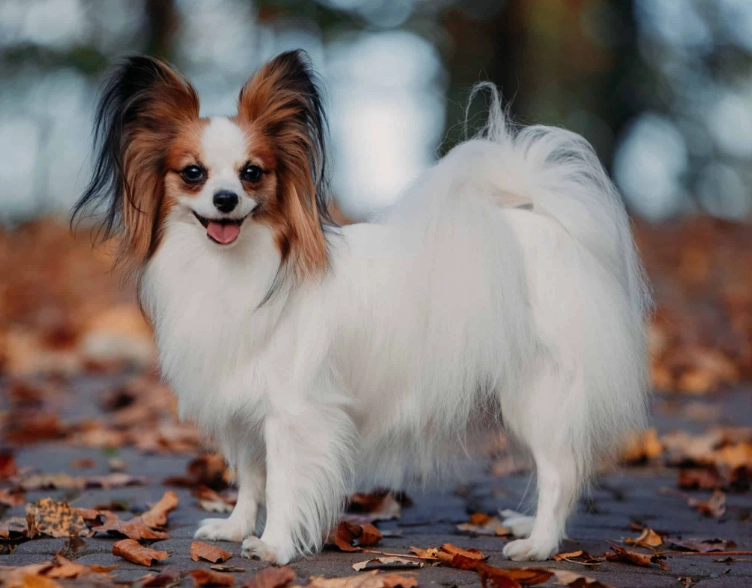
Papillon vs. Other Small Breeds: A Reality Check
Finding a Papillon: Breeder or Rescue?
Going the Breeder Route
Considering Rescue
Your Papillon Questions, Answered
The Final Verdict: Who Should (and Shouldn't) Get a Papillon?
Are Papillons good with kids?
They can be, but it's conditional. They are best with older, respectful children who understand how to be gentle with a small animal. A Papillon won't tolerate being grabbed, squeezed, or chased. Toddlers and fragile toy breeds are often a risky mix. Always supervise interactions.
Are Papillons hypoallergenic?
No dog is 100% hypoallergenic. Papillons have hair, not fur, and lack an undercoat, so they shed less dander (the common allergen) than many breeds. But they still produce saliva and skin flakes. If you have allergies, spend time with a few Papillons first to see how you react.
Can Papillons be left alone?
This is the million-dollar question. They can learn to be alone for reasonable periods (4-6 hours) if trained gradually from a young age. But they are companion dogs by nature. Leaving a young, untrained Papillon alone all day is a recipe for anxiety and destruction. If you work full-time out of the house, you'll need a plan—dog walker, daycare, or a second pet for company.
Are Papillons easy to housebreak?
They have a reputation for being somewhat challenging. Their small bladders need frequent outings, and their intelligence means they can be stubborn. Consistency, a strict schedule, and positive reinforcement are key. Crate training is highly recommended. Don't get discouraged; it might take a few months.
Do Papillons get along with other pets?
Generally, yes, especially if socialized early. They can do well with cats and other dogs. However, remember their fearless nature—they might try to boss around a much larger dog, which isn't safe. Always introduce pets carefully and under control.
Comment