So you're thinking about getting a Parson Russell Terrier? Let me tell you, that's a decision that comes with a lot of excitement and a fair bit of challenge. I remember visiting a friend who had one – a little white and tan dog named Finn. Within five minutes of arriving, Finn had fetched his ball, dropped it at my feet, and stared at me with an intensity that said, "Play. Now." He didn't let up for hours. That's the Parson Russell Terrier in a nutshell: boundless energy, unwavering focus, and a personality ten times bigger than their frame. They're not just pets; they're projects, partners in crime, and perpetual motion machines wrapped in a cute package. If you're looking for a couch potato to binge-watch TV with, you've clicked on the wrong article. Seriously, turn back now. But if you lead an active life, enjoy a dog with a sharp mind and a sense of humor, and don't mind a bit of stubbornness, then you might just have found your perfect match. This isn't a breed you just own; you live with them, and they actively participate in your life, for better or worse. Quick Take: The Parson Russell Terrier is a small, predominantly white working terrier, originally bred in England for fox hunting. They are intelligent, fearless, energetic, and require an owner who can provide firm, consistent training and plenty of physical and mental exercise. They are not always the easiest dogs for first-time owners. The story starts with a clergyman, which is where the "Parson" comes from. Reverend John "Jack" Russell was a hunting enthusiast in 19th century Devonshire, England. He wanted a specific type of terrier: one that could run with foxhounds, bolt a fox from its earth, but not be so aggressive as to kill the quarry and ruin the hunt. He needed stamina, courage, and a specific size – small enough to go to ground, but leggy enough to keep up with horses. This is a crucial point. The Parson Russell Terrier we know today is the longer-legged, more square-proportioned descendant of those original dogs. There's often confusion with the Jack Russell Terrier, which is a broader type that can include shorter-legged varieties. The major kennel clubs like the American Kennel Club (AKC) and the UK Kennel Club recognize the Parson as a distinct breed with a specific standard. The Jack Russell Terrier is often considered a separate type or is recognized by different registries. Think of the Parson as the "official," standardized version of the original working terrier. The breed's history as a working dog is etched into its DNA. Every quirk, every bit of stubbornness, every burst of energy can be traced back to needing to think independently while hunting. This isn't a dog bred to sit quietly and look pretty; it was bred for a job. And if you don't give it one, it will invent its own, and you might not like its choice (like "redecorating" your couch or "hunting" your socks). Describing the temperament of a Parson Russell Terrier is like trying to describe the weather in spring – predictably unpredictable within a certain range. They are a delightful, frustrating, wonderful mix of traits. Let's start with the positives, because there are many. A well-bred, well-socialized Parson is: Now, the other side of the coin. This is where many unprepared owners run into trouble. The Parson Russell Terrier can also be: I'll be honest here. A friend of a friend got a Parson because they thought it was just like the cute dog in the movie. They lived in a condo, worked long hours, and wanted a low-maintenance companion. It was a mismatch from day one. The dog developed severe separation anxiety, became destructive, and the barking led to noise complaints. They eventually, heartbreakingly, had to rehome him with a family with a farm. It was a tough lesson that this breed's needs are very specific. The Parson Russell Terrier temperament is not for the faint of heart. It's a high-reward, high-commitment proposition. Okay, so you're still interested. What does day-to-day life actually look like? Forget the "30-minute walk a day" rule. A Parson Russell Terrier needs vigorous, mind-engaging exercise. We're talking: Training a Parson Russell Terrier is an exercise in patience, humor, and firmness. They respond terribly to harsh, repetitive methods and brilliantly to positive reinforcement. Think treats, praise, and play. Key Training Priorities: Their intelligence means they learn commands quickly. The hard part isn't getting them to learn; it's getting them to obey consistently when there's something more interesting around. This is an easy area. Their coat can be smooth or broken (a slightly longer, wiry coat). Both shed – don't believe anyone who says they don't. Regular brushing (2-3 times a week) with a rubber grooming mitt or a bristle brush will manage loose hair. They only need baths when dirty. The main grooming tasks are: Generally, they are a robust, long-lived breed (often 13-15 years), but like all purebreds, they have some predispositions. Reputable breeders test their breeding stock for these conditions. Always ask to see health clearances from organizations like the Orthopedic Foundation for Animals (OFA). A good breeder is your first line of defense against health problems. Regular vet check-ups, a high-quality diet appropriate for their age and activity level, and keeping them at a lean, healthy weight are the cornerstones of a long, healthy life for your Parson Russell Terrier. Let's cut to the chase. Don't get a Parson if: They can do well in apartments only if their exercise needs are met religiously. They are fantastic with older, respectful children who understand how to interact with dogs. They can be a bit too "mouthy" and energetic for very young toddlers. This is a critical step. Going to a responsible breeder is the best way to ensure you get a healthy, well-tempered puppy whose parents have been health-tested and have sound temperaments. Red flags in a breeder: They have multiple litters available at once, they don't ask you any questions, they let you pick a puppy from photos online, they don't offer health clearances, they are vague about the parents. The Parson Russell Terrier Club of America (PRTCA) is an excellent starting point for finding ethical breeders who adhere to a code of ethics. Consider rescue! Many Parsons end up in rescue or shelters precisely because their energy and needs were underestimated. Organizations like the PRTCA often have a rescue network. An adult dog can be a wonderful choice, as their personality is already evident. Owning a Parson Russell Terrier is a commitment, a lifestyle choice. It's agreeing to daily adventures, accepting a certain level of chaos, and engaging in a constant, rewarding battle of wits with a creature that loves you fiercely but also loves to test you. They are not the dog for everyone. But for the right person or family – someone active, patient, consistent, and with a good sense of humor – a Parson Russell Terrier can be an incomparable companion. They'll make you laugh, pull you out for walks on days you'd rather stay in, and fill your home with a vibrant, unstoppable energy. Do your homework. Meet the breed. Talk to owners and breeders. Be brutally honest with yourself about your lifestyle. If it's a match, you'll gain a loyal, clever, and endlessly entertaining friend for life. Just be prepared to have your ball thrown a few thousand times.Quick Navigation
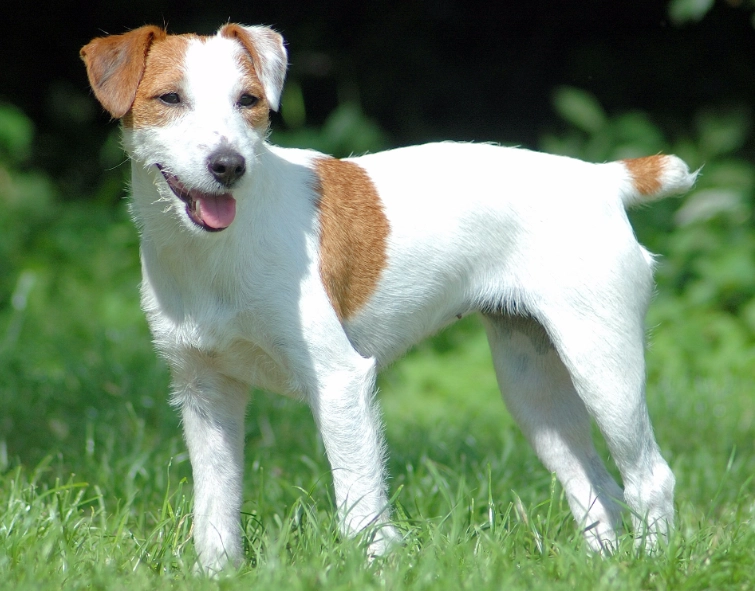
What Exactly Is a Parson Russell Terrier? Untangling the History

The Parson Russell Terrier Temperament: A Bundle of Contradictions
The Good, The Bold, and The Busy
The Challenges: What They Don't Tell You in the Brochure
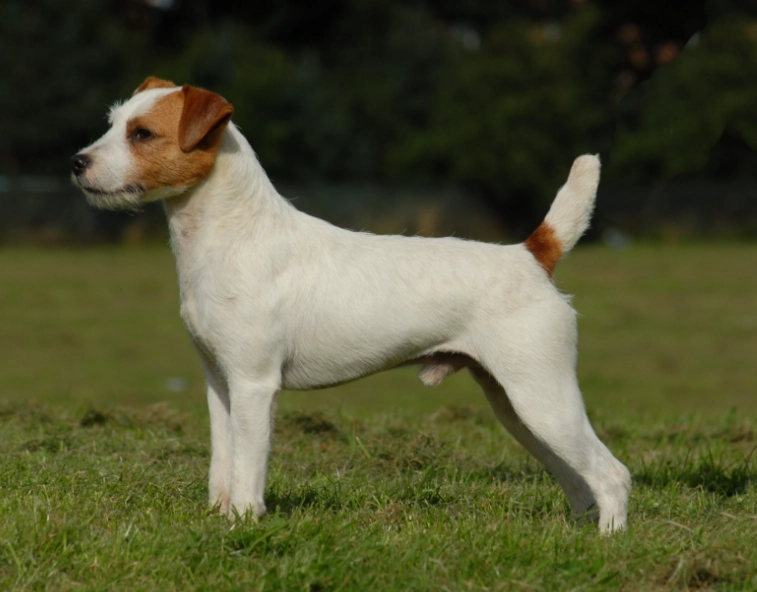
Living with a Parson: Care, Training, and Daily Reality
Exercise: Non-Negotiable and Extensive
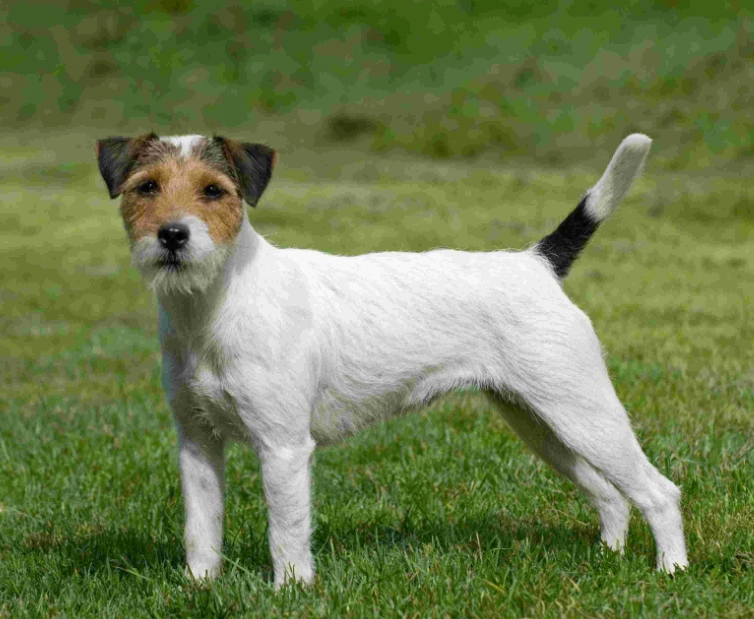
Training: Consistency is Your Best Friend
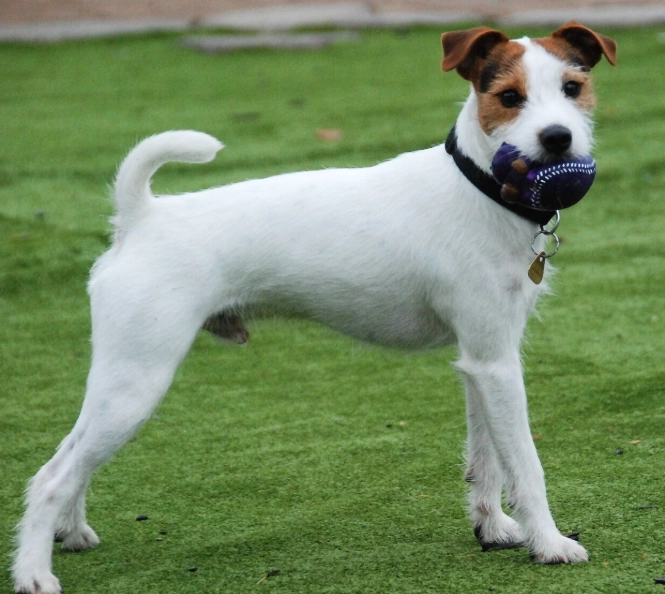
Grooming and Shedding
Parson Russell Terrier Health: What to Watch For
Health Condition Description Prevention/Management Primary Lens Luxation (PLL) A serious, painful eye condition where the lens detaches. Can lead to glaucoma and blindness. **DNA test available.** Reputable breeders test for this. Know the status of your puppy's parents. Patellar Luxation The kneecap slips out of place. Common in small dogs. Can range from mild to severe, requiring surgery. Maintain a healthy weight. Avoid activities that put excessive strain on young joints (like jumping off high furniture). Deafness Congenital deafness, especially in predominantly white dogs, can occur. BAER (Brainstem Auditory Evoked Response) testing can diagnose it. Breeders should test breeding stock. Legg-Calvé-Perthes Disease Degeneration of the head of the femur bone in the hip joint, causing pain and lameness. Surgery is usually required for treatment. The cause is not fully understood but may have a genetic component. Skin Allergies Can be prone to atopic dermatitis, reacting to environmental allergens like pollen or dust mites. Managed with vet-prescribed medications, special shampoos, and sometimes dietary changes. 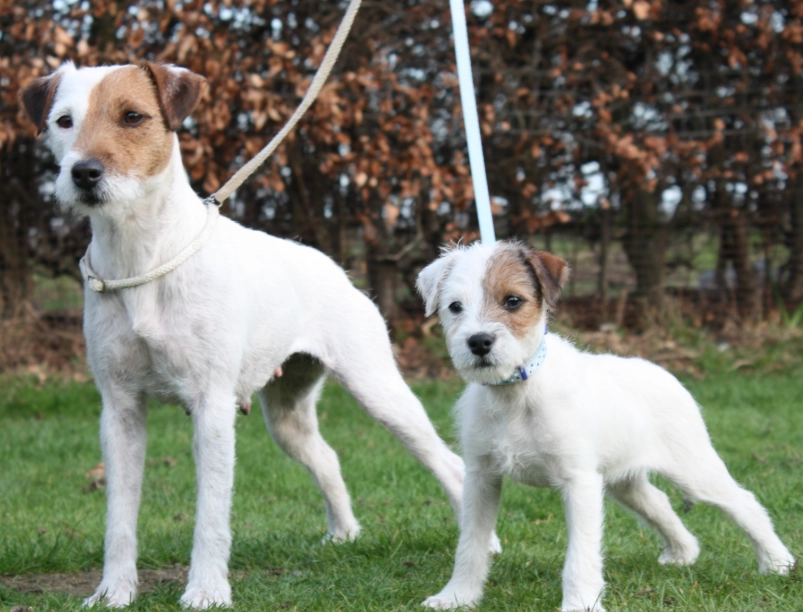
Is a Parson Russell Terrier Right for You? The Honest Checklist
Finding a Parson Russell Terrier: Breeder vs. Rescue

Final Thoughts
"Living with a Parson is never boring. It's a daily adventure, sometimes a comedy, occasionally a mild disaster, but never, ever dull." – A sentiment echoed by nearly every Parson owner I've ever met.
Do get a Parson Russell Terrier if you lead an active lifestyle, enjoy training, have a sense of humor, want a dog with a huge personality, and can provide firm, loving leadership.
What's the difference between a Parson Russell Terrier and a Jack Russell Terrier?
Primarily leg length and proportion. The Parson Russell Terrier is taller, more square in outline, with longer legs. The Jack Russell Terrier is a broader category that includes both short-legged ("shorty") and longer-legged types. The Parson is the specific breed recognized by major kennel clubs with a strict standard.
Are Parson Russell Terriers good with cats?
It's highly individual and depends heavily on early socialization. However, their strong prey drive makes it a risky combination. Some can learn to live peacefully with a cat they are raised with, but the cat should always have safe escape routes. Never leave them unsupervised together, especially at first.
How do I stop my Parson from digging up my yard?
You likely won't stop the instinct, but you can manage it. Provide a designated digging spot (a sandbox) and bury toys/treats there to make it rewarding. Supervise them in the yard and redirect them to the approved spot. Ensure they are getting enough mental and physical exercise elsewhere – often digging is a boredom outlet.
Are they easy to housebreak?
They are intelligent and can learn quickly, but their stubborn streak and single-minded focus can sometimes make the process feel longer. Absolute consistency, a strict schedule, and massive praise for success are key. Crate training is highly recommended.
Can a Parson Russell Terrier be a good first dog?
I'm going to be blunt: usually not. Their combination of high energy, intelligence, independence, and training challenges is often overwhelming for novice owners. A first-time owner who is extremely dedicated, does their research, commits to training classes, and has an active lifestyle might succeed, but it's a steep learning curve. There are often easier breeds for a first-timer.
Comment