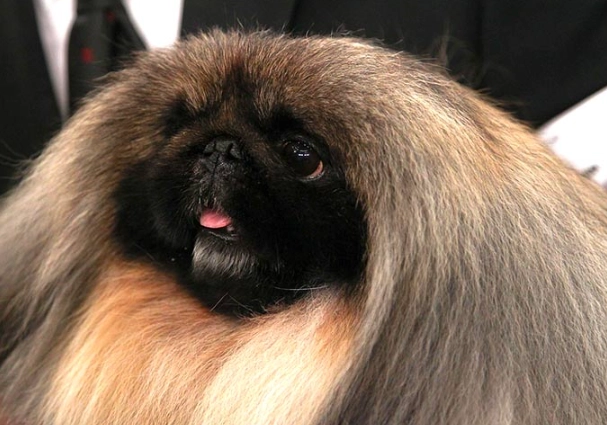
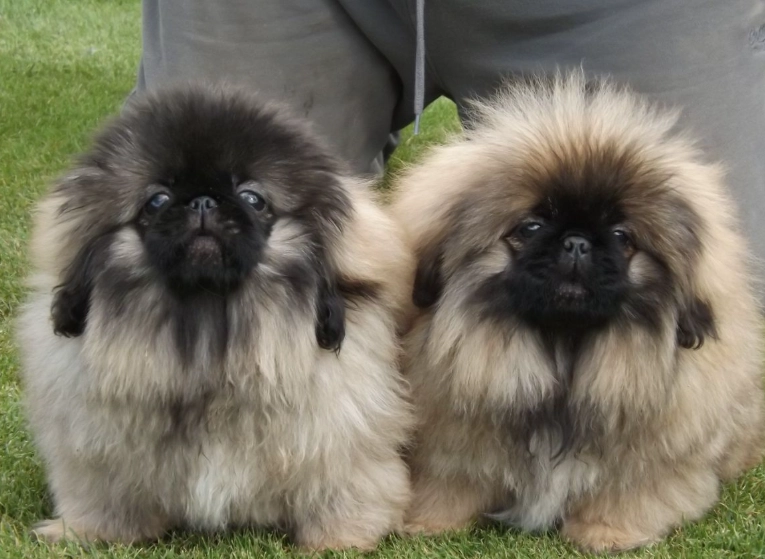
Let's be real. You've probably seen a Pekingese, that little lion-dog with a face full of attitude, trotting down the street like it owns the place. Maybe you thought it was cute, maybe you thought it looked grumpy. I thought both. And then I ended up living with one for a few years—a stubborn, glorious fluffball named Winston. That experience taught me more about this ancient breed than any glossy brochure ever could. It's not all royal cuddles and Instagram photos. This guide isn't going to sugarcoat things. If you're considering bringing one of these imperial companions into your life, you need the full picture. We'll dig into their fascinating (and slightly dramatic) history, decode their complex personality, and lay out the nitty-gritty of daily care. I'll also tell you where my friend Winston drove his owners a little crazy. It's all here. You can't understand the Pekingese without understanding its past. This isn't a breed created in a modern kennel. Its story is woven into Chinese imperial history. For centuries, these small dogs were the exclusive property of the Chinese imperial palace in Beijing (formerly Peking, hence the name). They weren't pets as we think of them; they were revered symbols, living ornaments, and close companions to royalty. Legend says they were created when a lion fell in love with a marmoset and Buddha reduced the lion in size but kept its heart and courage. A nice story, but the reality is they were likely bred from ancient Asian toy dogs. Their flat face (brachycephalic structure), flowing coat, and deliberate rolling gait were all prized aesthetic features. Stealing one was punishable by death. Seriously. The Pekingese first came to the West in 1860 after British troops looted the Imperial Summer Palace during the Second Opium War. Five Pekingese were found in the apartments of a deceased aunt of the Emperor and brought back to England. One, named Looty, was presented to Queen Victoria. From there, the breed's fame in the West began. The American Kennel Club recognized the Pekingese in 1906. When you look at a Pekes today, you're looking at a living piece of history. It's no wonder they sometimes act like they're better than everyone else—historically, they were. Okay, let's talk about what it's actually like to live with one. If you want a dog that eagerly obeys every command and lives to please you, look elsewhere. A Pekingese has its own agenda. They are profoundly loyal and form incredibly strong bonds with their person or family. Winston would follow his owner from room to room, a silent, furry shadow. But this loyalty is on their terms. They are affectionate, but it's a dignified affection. Don't expect slobbery kisses; expect a regal nod and maybe the permission to scratch behind their ears. Here's the big one: stubbornness. Training a Pekingese requires patience worthy of a saint. They are intelligent, but they see little point in repetitive commands like "fetch" or "roll over." Why should they? House training can be a particular challenge. Positive reinforcement (treats, praise) is the only way. Harshness will make them shut down completely. They remember slights, I swear. Despite their small size and glamorous coat, they are not delicate flowers. They have a legendary courage, a trait bred into them as palace guardians. They were meant to bark and alert to intruders, and they take this job seriously. They can be surprisingly assertive with much larger dogs, which can be a problem if not managed. Socialization from puppyhood is non-negotiable. With children, caution is advised. They do best with respectful, older kids who understand not to pull their fur or treat them like a toy. Their independent nature means they aren't always up for chaotic play. They'd rather be sitting next to you, observing the chaos with mild disdain. This is where many prospective owners get a wake-up call. That beautiful coat and unique face require specific, committed care. The double coat of a Pekingese is stunning but high-maintenance. The long, straight outer coat and thick, soft undercoat mat and tangle easily. Daily brushing is absolutely essential. Not every other day. Daily. Use a good-quality pin brush and a metal comb to get down to the skin. If you let mats form close to the skin, the only solution is shaving, which can damage the coat's texture. Bathing should happen every 3-4 weeks with a mild dog shampoo and conditioner. Thorough drying is critical to prevent skin issues. Many owners take their Peke to a professional groomer every 4-6 weeks for a bath, brush-out, and trim around the feet and rear for hygiene. The hair around their eyes needs daily wiping with a damp cloth to prevent tear stains. Neglect grooming, and you'll have a miserable, matted dog. It's that simple. Good news for less active folks: the Pekingese has low exercise needs. A couple of short walks a day (10-15 minutes each) and some indoor play are usually sufficient. They are prone to overheating due to their flat faces, so avoid walks in hot, humid weather. Early morning or evening is best in summer. They enjoy mental stimulation, though. Puzzle toys, short training sessions (keep them fun!), and exploring a secure yard are great. But their favorite activity? Probably napping on a comfortable couch. Because of their small size and relatively sedentary nature, Pekingese can easily become overweight. This puts extra strain on their joints, heart, and respiratory system. Measure their food carefully, feed a high-quality small-breed formula, and limit treats. Avoid free-feeding (leaving food out all day). A lean Peke is a healthier, happier Peke. Consult your vet to determine the perfect portion size. Let's talk money. Owning any dog has costs, but some are specific to breeds like the Pekingese. Total (Approx.): $1,650 - $2,800+ The big variable is grooming. If you learn to do it entirely yourself, you can save significantly. Also, this doesn't include unexpected illness or emergency surgery, which is why many owners opt for pet insurance. Being a brachycephalic (flat-faced) breed comes with inherent health challenges. Responsible breeding can mitigate but not eliminate these risks. Reputable breeders test their breeding stock for genetic conditions. Always ask for health clearances. Brachycephalic Obstructive Airway Syndrome (BOAS): This is the big one. Their shortened airways make breathing less efficient. Symptoms include loud snoring, snorting, gagging, easy tiring on walks, and difficulty cooling down. In severe cases, surgery may be recommended to widen nostrils or shorten an elongated soft palate. It's a major reason to avoid overexertion and heat. Eye Problems: Their large, prominent eyes are vulnerable. Corneal ulcers (scratches on the eye surface) are common from everyday irritants or even from their own hair. Dry eye (Keratoconjunctivitis Sicca) is also frequent, where they don't produce enough tears, leading to irritation and infection. Proptosis is a terrifying emergency where the eye can pop out of the socket from even minor trauma. Keeping their facial hair trimmed back and monitoring their eyes daily is crucial. Orthopedic Issues: Like many small breeds, they can suffer from luxating patellas (knee caps that slip out of place). Maintaining a healthy weight is key to managing this. Intervertebral disc disease (IVDD) can also occur due to their long back relative to short legs. Avoid letting them jump on/off high furniture. Other potential issues include skin fold dermatitis (in the wrinkles on their face), dental disease (crowded teeth), and heart murmurs. A relationship with a vet familiar with brachycephalic breeds is invaluable. The American Kennel Club and the American Veterinary Medical Association provide excellent resources on responsible ownership and breed-specific health concerns. Don't just fall for the cute face. Ask yourself these questions honestly. If you answered yes to most of these, a Pekingese could be a wonderfully rewarding companion. They are not for everyone, but for the right person, they are utterly irreplaceable. So, there you have it. The Pekingese in all its glorious, complicated, high-maintenance splendor. They are not just decorative dogs; they are a commitment to a piece of living history with very specific needs. Do your homework, be brutally honest with yourself about your lifestyle, and if you decide to take the plunge, find a reputable source. A well-cared-for Pekingese is a loyal, dignified, and endlessly fascinating friend for life. Just be prepared to do a lot of brushing.Quick Navigation
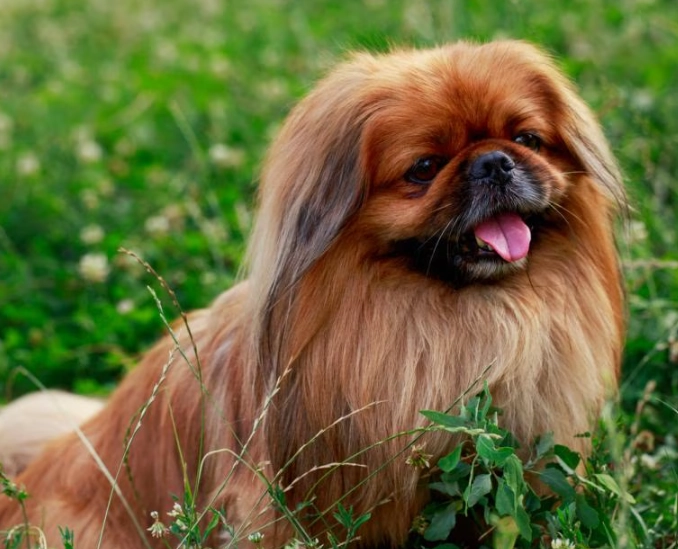
Where Did the Pekingese Come From? A Royal Beginning
Pekingese Personality: Regal, Stubborn, and Surprisingly Tough
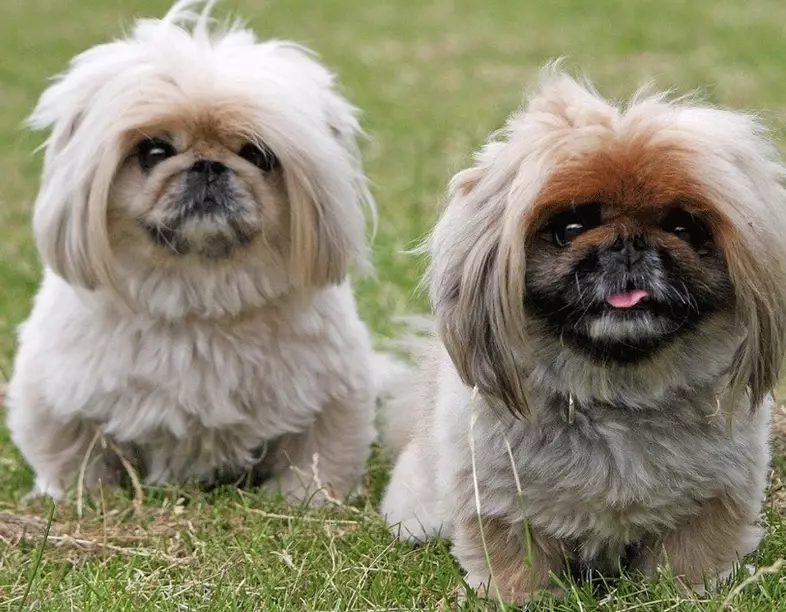
Pros of a Pekingese Personality
Cons to Consider Seriously
Extremely loyal and devoted to family
Notoriously stubborn and independent-minded
Good alert dog, will bark at strangers
Can be prone to excessive barking if not trained
Calm and adaptable indoor companion
Can be aloof or suspicious of strangers
Surprisingly brave and confident
May show aggression towards other dogs
Low exercise needs, perfect for apartments
Difficult to housebreak for many owners
Caring for Your Pekingese: It's More Than Just Cuddles

Grooming: The Non-Negotiable Routine
Exercise and Activity
Diet and Nutrition
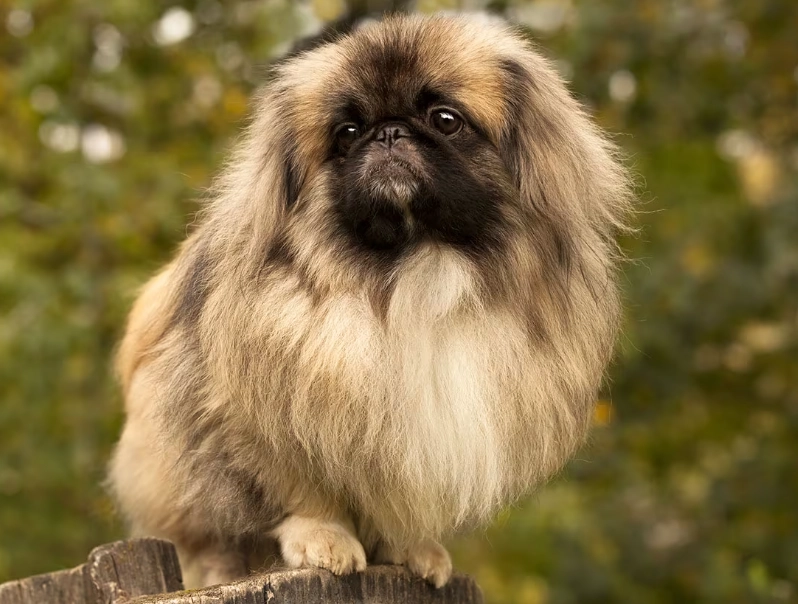
Estimated Annual Costs for a Pekingese
Pekingese Health: What You Need to Watch For
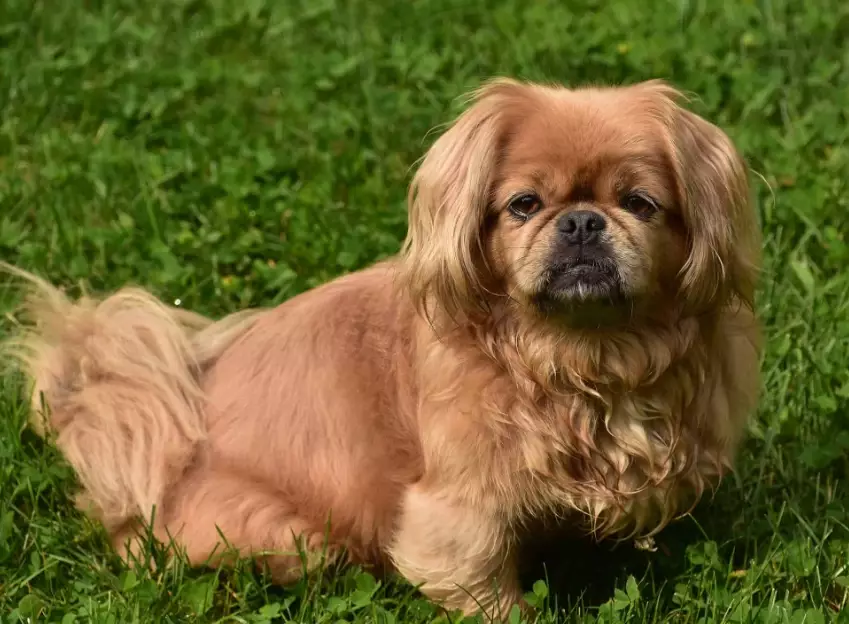
Is a Pekingese the Right Dog for You? The Honest Checklist
Common Pekingese Questions (Answered Honestly)
A quick personal interjection here. Winston's stubborn streak was most evident on walks. If he decided he was done walking, he would simply... stop. Lie down. Become a 10-pound furry paperweight. No amount of coaxing, tugging, or treat-bribing would work until *he* was ready to move. You have to have a sense of humor about this breed.
The single most important thing you can do for a Pekingese's health is buy from a responsible breeder who does health testing, or adopt from a rescue that is transparent about known health issues. Supporting breeders who prioritize extreme, unhealthy features is a disservice to the breed.
Are Pekingese good apartment dogs?
Excellent, provided you can meet their grooming needs. They are quiet (aside from alert barking), need little space, and get enough exercise with indoor play and short walks. Just be mindful of neighbors if your Peke is a barker.
How long do Pekingese dogs usually live?
With excellent care, a healthy Pekingese can live 12 to 15 years, sometimes longer. Their lifespan is heavily influenced by genetics, weight management, and proactive healthcare.
Do Pekingese shed a lot?
Yes. They have a double coat that sheds seasonally, often with two big "blows" per year where they shed their undercoat in clumps. Daily brushing during these times is essential to control the fur tumbleweeds in your home.
Can Pekingese be left alone?
Not for long stretches. They are companion dogs and can develop separation anxiety or become destructive if bored and lonely. 4-6 hours is a reasonable maximum for most adults, and even that should be broken up if possible. Puppies need constant supervision.
Are Pekingese aggressive?
They are not inherently aggressive, but they can be territorial, stubborn, and fearless. Without proper socialization and training, these traits can manifest as aggression towards other dogs or wariness around strangers. Early, positive socialization is key.
Should I get a male or female Pekingese?
This matters less than individual personality and breeding. Some say males are more affectionate, females more independent, but it's not a hard rule. Focus more on the dog's temperament and the breeder's ethics than on gender.
Looking back, Winston was a handful. The grooming, the stubborn walks, the occasional side-eye he'd give you. But he was also deeply loving in his own way, a constant, comforting presence. When he passed, it left a lion-sized hole in his family's heart. That's the trade-off. They demand a lot, but what they give back is unique.
Comment