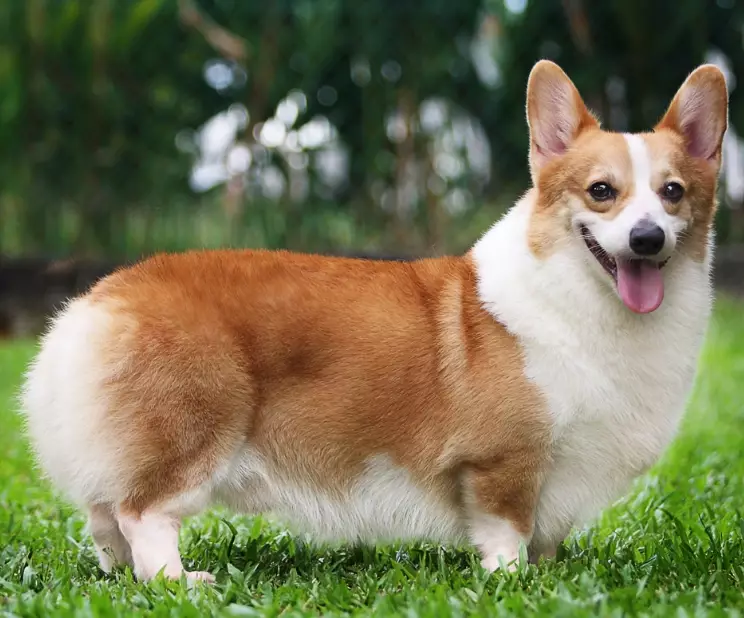
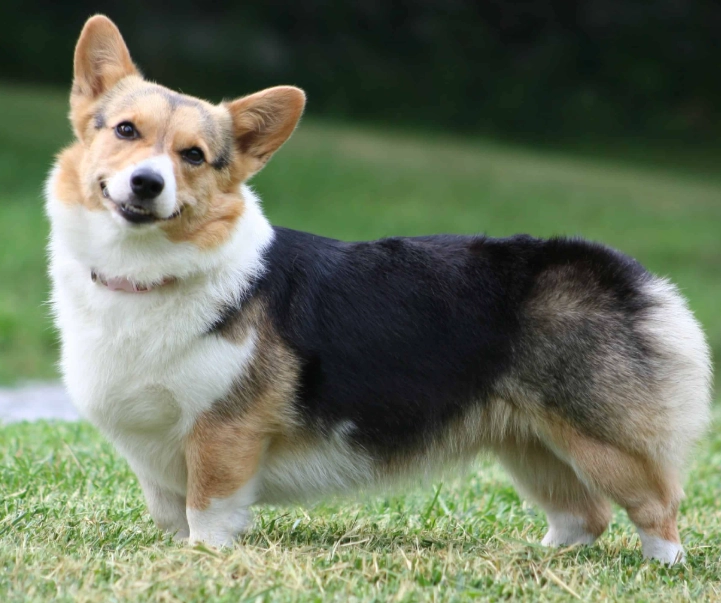
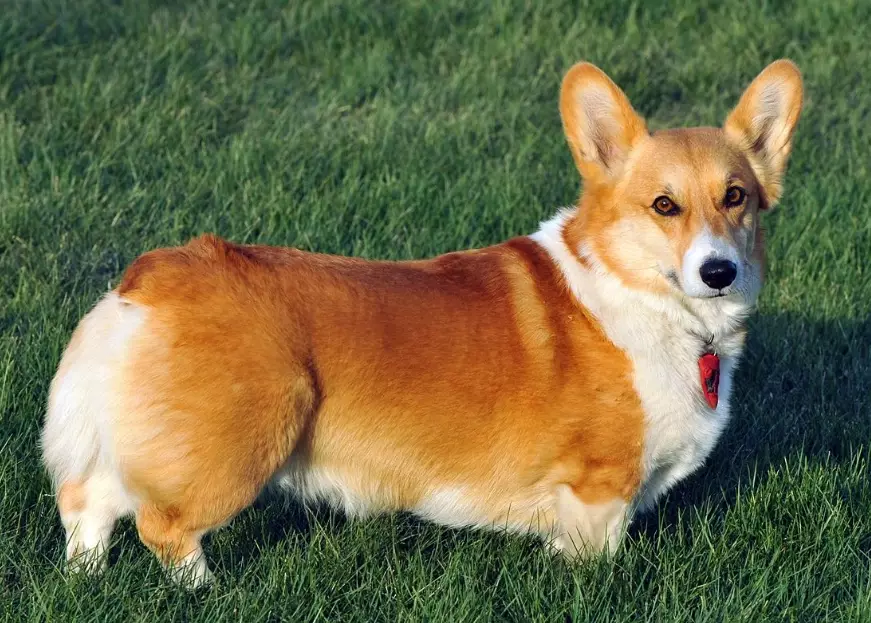
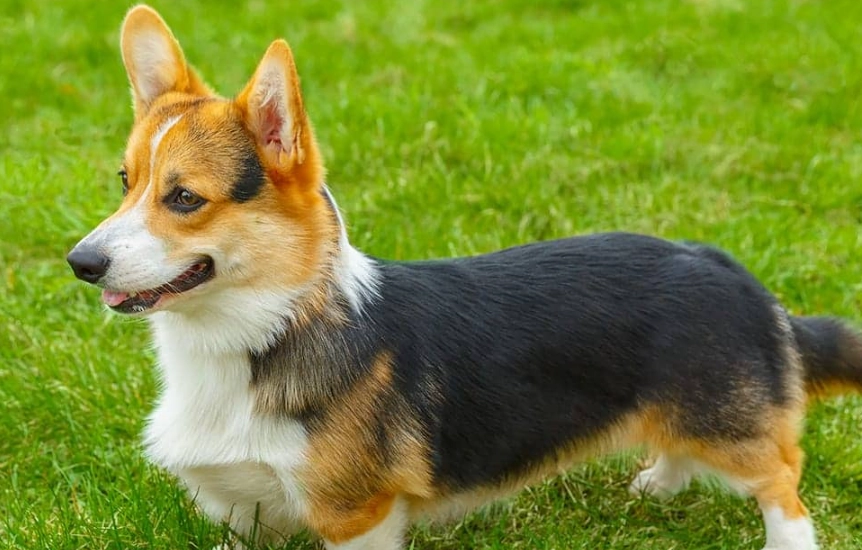
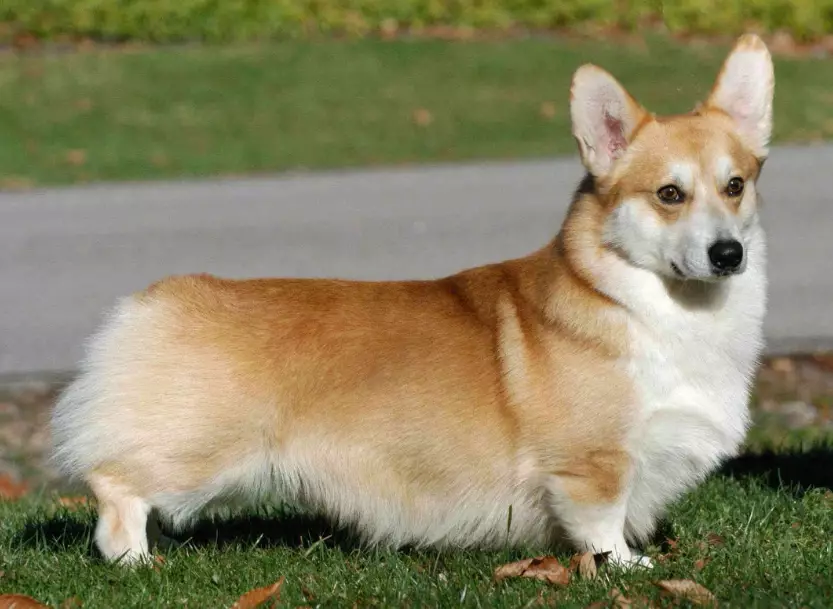
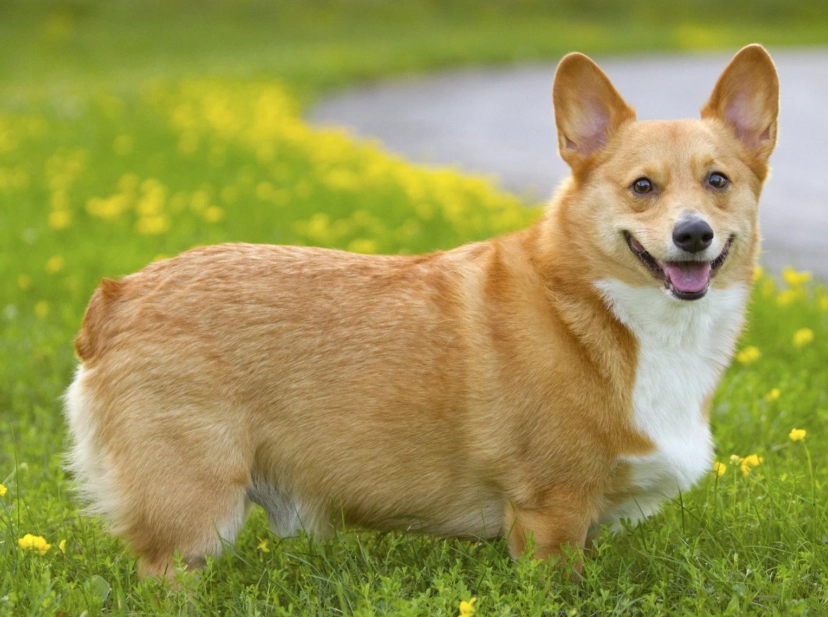
Let's be real. You're probably here because you saw a picture of a Pembroke Welsh Corgi. Those stubby legs. That fox-like face. That adorable wiggle when they run. It's enough to make anyone want to rush out and get one. I get it. I was you, about ten years ago. But here's the thing nobody tells you when you're falling in love with Instagram photos: a Corgi isn't just a cute accessory. They're a whole personality packed into a low-to-the-ground package. A herding dog with a brain that's always working, often scheming. I've had my guy, Finn, for a decade now, and let me tell you, it's been a wild, hairy, hilarious ride. This guide isn't going to just sell you on the dream. We're going to talk about the reality too—the vacuum cleaner you'll wear out, the stubborn streaks, the sheer volume of bark that can come from such a small body. My goal? To give you everything you need to know to decide if a Pembroke Welsh Corgi is the right fit for your life, and if it is, how to start off on the right paw. We'll ditch the fairy tales and get into the real stuff. That iconic silhouette didn't just pop out of nowhere. The Pembroke Welsh Corgi's story is steeped in Welsh folklore and hard agricultural work. While their cousin, the Cardigan Welsh Corgi, is older, the Pembroke has its own distinct lineage, famously favored by British royalty for generations. The breed's name gives clues: "Corgi" is thought to come from the Welsh words for dwarf ("cor") and dog ("gi"). Fitting, right? They weren't bred to be lapdogs. These were the all-terrain vehicles of the pastoral world. Their low center of gravity made them perfect for ducking under cattle hooves, and their sharp intelligence allowed them to control herds with nips and barks. That herding instinct isn't a suggestion; it's baked into their DNA. You might see it when they try to herd your kids, your other pets, or even your ankles as you walk to the kitchen. Finn still tries to herd me if I walk too fast. He'll dart in front of my feet and give me a look that clearly says, "You're moving erratically. I must control the pace." It's equal parts impressive and annoying. According to the American Kennel Club, the Pembroke Welsh Corgi standard describes a dog that is "low-set, strong, and sturdily built," giving an impression of "substance and stamina in a small space." They typically stand about 10 to 12 inches at the shoulder and weigh between 24 to 30 pounds, with males being slightly larger. Don't let the size fool you—they are dense, muscular dogs. Their coat is a double-layered affair. A shorter, thicker undercoat provides insulation, topped by a longer, coarser outer coat that sheds water and dirt. And oh, does it shed. We'll get to that. A lot of people lump them together, but they're separate breeds. Here's the quick cheat sheet: When someone says "Corgi" today, they're almost always picturing the Pembroke Welsh Corgi. That's the one with the famously cute rear end and no tail. If you want a dog that just lounges all day and occasionally looks cute, cross the Pembroke Welsh Corgi off your list. Their personality is their biggest feature. So, what does this mean for you? It means life with a Corgi is active and engaging. They need mental stimulation as much as physical exercise. A bored Corgi is a destructive Corgi. They'll find their own fun, and you probably won't like their ideas. They're not for passive owners. They thrive with someone who enjoys training, playing, and interacting with their dog as a true partner. This is the serious part. Pembroke Welsh Corgis are generally healthy, but their unique structure makes them prone to certain conditions. Being aware is the first step to prevention and early treatment. The #1 Rule for Corgi Health: Keep them lean. Extra weight is an absolute disaster for their long spines and joints. You should always be able to feel their ribs easily under a thin layer of muscle. A fat Corgi is a Corgi in serious danger. My vet always says Finn's ideal weight is "whatever is one pound less than he currently is." It's a constant battle of wills, especially with those pleading eyes. Okay, so you're ready for the commitment. What does day-to-day life actually look like? That beautiful double coat is a shedding machine. For about 51 weeks of the year, you'll have moderate shedding. Then, for 1-2 weeks during spring and fall "blowouts," you will be living in a snow globe of corgi fur. It will be in your food, your clothes, your car, and probably on your guests. A tired Corgi is a good Corgi. But it's not just about physical exhaustion—you need to tire out their brain too. Feed a high-quality, age-appropriate commercial dog food. Measure their portions—don't free-feed. Treats are for training and should make up no more than 10% of their daily calories. Remember the weight rule! Some Corgis can be prone to food allergies (itchy skin, ear infections). If you see signs, talk to your vet about a limited-ingredient or novel protein diet. Start training the day you bring your puppy home. Socialization (positive exposure to all sorts of people, places, sounds, and other animals) is critical before 16 weeks old. A well-socialized Corgi is a confident, well-adjusted adult. Use positive reinforcement methods exclusively. Reward-based training with treats, praise, and play works wonders. Harsh methods will backfire spectacularly with this sensitive yet strong-willed breed. Focus on these key areas: Enroll in a puppy kindergarten class. It's great for socialization and gives you a trainer to ask questions. Finn's stubbornness in his puppy class is still legendary at our local pet store. This is a major decision with ethical and practical implications. A good breeder's goal is to improve the breed, not just sell puppies. They will: Be prepared to wait, and pay a fair price ($1,500 - $3,000+ is common). This reflects the cost of health testing, proper care, and ethical breeding. Avoid pet stores and online brokers at all costs—these are almost always puppy mills. Many wonderful adult Pembroke Welsh Corgis end up in rescue through no fault of their own (owner lifestyle changes, allergies, etc.). Adopting an adult can be fantastic—you often skip the puppy chaos and know exactly what their personality is like. Organizations like the Pembroke Welsh Corgi Club of America Rescue Network are excellent places to start. The process involves an application, home check, and adoption fee, but you are giving a dog a second chance. Look, bringing a Pembroke Welsh Corgi into your life is a big decision. They are not a low-maintenance dog. They demand your time, your energy, and your patience. The shedding is unreal. They can be manipulative little geniuses who train you instead of the other way around. But. For the right person or family, they are absolutely worth it. The laughter they bring, the fierce loyalty they offer, the sheer personality packed into every stubby-legged step—it creates a bond that's hard to describe. Finn has been my constant companion through moves, job changes, and life's ups and downs. He makes me laugh every single day, even when he's being a stubborn mule. Do your homework. Be brutally honest about your lifestyle. If you're active, engaged, and ready for a smart, sassy, shedding companion who will never let you be lonely (or have a clean floor), then a Pembroke Welsh Corgi might just be the perfect dog for you. Start by contacting the Pembroke Welsh Corgi Club of America for a list of reputable breeders or rescue contacts. Your future best friend might be waiting.In This Guide
More Than Just a Short Legged Wonder: Breed History & Characteristics
The Cardigan vs. The Pembroke: Knowing the Difference
Feature Pembroke Welsh Corgi Cardigan Welsh Corgi Tail Naturally short or docked very close. A defining feature. Long, fox-like tail. Ears Pointed, upright, and slightly more rounded at the tip. Larger, more rounded ears. Build Generally more streamlined and slightly smaller. Heavier bone structure, longer body. Legs Straighter front legs. Front legs are slightly bowed. Coat Colors Red, sable, fawn, black & tan, often with white markings. More varied, including brindle and blue merle. Inside the Corgi Mind: Personality & Temperament (The Good, The Bad, The Sassy)
The Fantastic Stuff
The Challenging Bits
Keeping Your Corgi Healthy: What You Need to Watch For
Common Health Issues in Pembroke Welsh Corgis
The Daily Grind: Caring for Your Pembroke Welsh Corgi
Grooming: It's a Commitment, Not a Suggestion
Exercise: More Than Just a Walk Around the Block
Nutrition: Fuel for a Busy Body
Training Your Pembroke Welsh Corgi: Patience is a Virtue
Finding Your Pembroke Welsh Corgi: Breeder vs. Rescue
Choosing a Reputable Breeder
Considering Corgi Rescue
Your Pembroke Welsh Corgi Questions, Answered
Are Pembroke Welsh Corgis good with kids and other pets?
Generally, yes, when raised with them or properly socialized. Their herding instinct might lead them to nip at running children, so supervision and teaching kids how to interact calmly with the dog is essential. They can do well with other dogs and cats if introduced properly, but their bossy nature can sometimes cause squabbles.
How long do Pembroke Welsh Corgis typically live?
A healthy Pembroke Welsh Corgi has a lifespan of 12 to 15 years. Keeping them at a lean weight and managing their spinal health are the biggest factors in reaching the upper end of that range.
Are they good apartment dogs?
They can adapt surprisingly well to apartment life if their exercise and mental needs are met. They are small and relatively quiet indoors (between barking episodes). The bigger issue is their need for activity; without a yard, you must be committed to multiple daily outings. Their bark can also be an issue with close neighbors.
Why does my Corgi follow me everywhere?
It's the herding dog and companion dog combo. They are velcro dogs by nature, bred to work closely with their handler. You are their flock, and they need to keep an eye on you. It's a sign of affection and loyalty, though sometimes you just want to go to the bathroom alone.
Comment