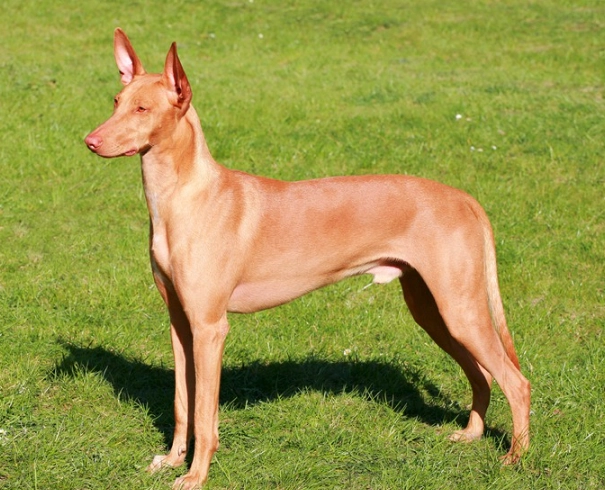
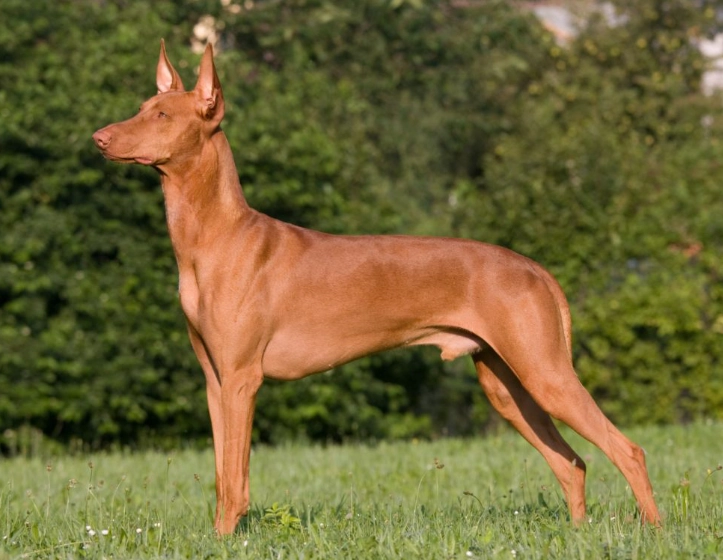
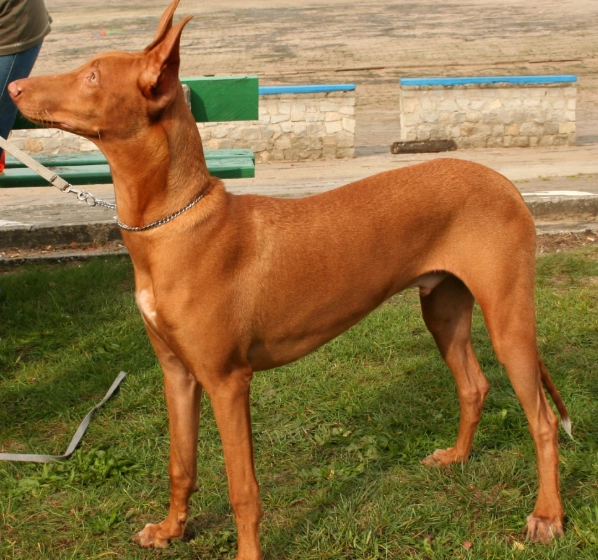
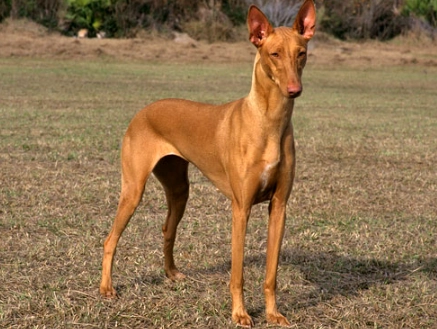
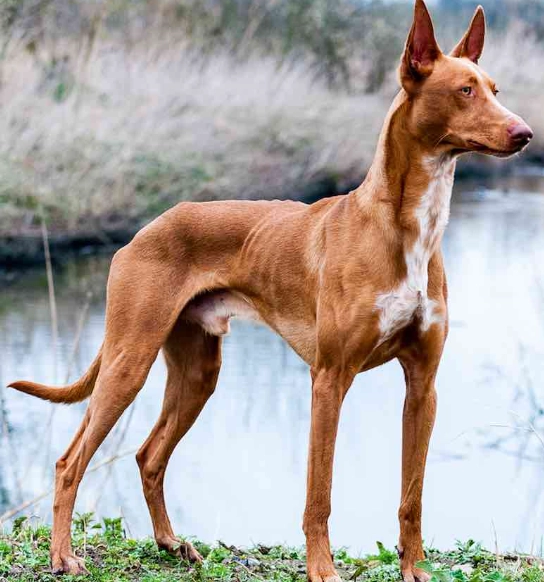
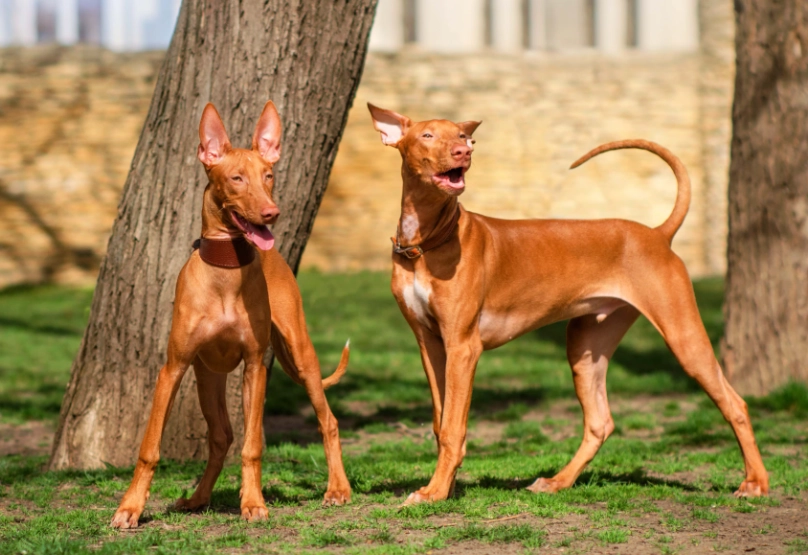
Let's be real. You probably saw a picture online. That sleek, tan body, those enormous ears, maybe even a photo of one with a pink nose. And you thought, "What on earth is that?" I was in the same boat years ago. I stumbled upon this breed at a rare dog show, and I was just captivated. They moved like liquid gold. But here's the thing – the Pharaoh Hound isn't just a pretty face from an Instagram filter. Owning one is a specific kind of adventure, and it's not for everyone. I've talked to breeders, owners, and spent enough time around them to get past the brochure description. This guide is that conversation. We're going to dig into everything: the epic history, the reality of their personality (the good and the frustrating), and the nitty-gritty of what it actually takes to live with one. Quick Take: The Pharaoh Hound is an ancient sighthound from Malta, known for its elegance, intelligence, and unique trait of "blushing" (its nose and ears turn pink when excited). They are affectionate family dogs but possess a strong independent streak and a powerful prey drive. If you're looking for a fluffy, clingy lapdog that will blindly follow every command... you're in the wrong place. But if you're fascinated by a primitive, intelligent partner with a sense of humor and a heart of gold, keep reading. Okay, let's clear up the name first. "Pharaoh Hound" sounds like it walked straight out of Tutankhamun's tomb. The breed's image does appear on ancient Egyptian artifacts, and it's widely believed their ancestors were hunting dogs brought by Phoenician traders from the Nile Delta to the islands of Malta and Gozo over 2,000 years ago. That's a seriously long pedigree. For centuries, they were known as the Kelb tal-Fenek in Maltese – literally, "Rabbit Dog." That's their job. They helped Maltese hunters catch rabbits in the rocky terrain, using sight and speed. The modern name "Pharaoh Hound" was coined much later, in the 1960s, to romanticize their ancient look for the Western world. It stuck. I find this history grounding. It explains so much about the dog you see today. This isn't a breed designed in a lab for companionship. Every bit of them is shaped by survival, hunting, and working in partnership with humans on harsh islands. The American Kennel Club (AKC) officially recognized the Pharaoh Hound in 1983, and they remain quite rare, which is something to consider. Forget generic dog descriptions. A Pharaoh Hound has a silhouette you can't mistake. They're medium-sized, but every line screams efficiency and speed. Think of a lean, muscular athlete. Their coat is short, glossy, and comes in shades of tan or rich tan with white markings (on the tip of the tail, chest, toes, and sometimes a slim "blaze" on the face). It feels like satin to the touch. The head is elegant and chiseled, with those incredible, large, mobile ears that stand erect. They use those ears like satellite dishes. But the real party trick? The blush. When a Pharaoh Hound gets excited or happy, its nose and the inside of its ears can turn a bright, rosy pink. It's the most charming thing. It's not a trick; it's a genuine physiological reaction due to a temporary increase in blood flow. My friend's Pharaoh Hound does it every single time someone comes home. The whole nose goes from leathery brown to bubblegum pink in seconds. It's like a mood ring you can't ignore. Their eyes are an amber color that seems to look right through you. The whole package is balanced and graceful. According to the official AKC breed standard, they should move with a free, easy stride, covering ground with minimal effort. Seeing them run in an open field is like watching poetry. They're not tiny, but they're not giant either. Perfect for many homes, size-wise. This is where you need to pay close attention. Reading a breed profile that says "loyal and intelligent" is useless. What does that actually mean day-to-day? With a Pharaoh Hound, "intelligent" often translates to "independent thinker." They learn commands quickly, but they also quickly assess whether following that command is worth their while. They have a mind of their own. This isn't stubbornness in a dumb way; it's a confident, what's-in-it-for-me calculation. It can be incredibly frustrating if you're used to biddable breeds like Border Collies or Labradors. Positive reinforcement is not just recommended; it's the only method that works. They are sensitive and will shut down completely if you get harsh or angry. Heads Up: That famous sighthound prey drive is no joke. If a Pharaoh Hound sees a squirrel, rabbit, or even a small, fast-moving cat, its brain flips a switch. Chasing is an instinct so deep it's almost autonomic. A secure, high fence (6 feet minimum) is non-negotiable. They are also skilled jumpers and climbers. Recall off-leash in an unsecured area is a fantasy for 99% of Pharaoh Hound owners. It's a deal-breaker for some. Now, the good stuff is really good. At home, they are often quiet, clean, and remarkably affectionate with their family. They form deep bonds and can be real clowns, doing silly things to make you laugh. They love to curl up on the couch (preferably on your lap, despite their size) and soak up affection. Many owners describe them as "cat-like" in their fastidiousness and their way of showing love on their own terms. They can be aloof or reserved with strangers initially. They're not typically "everyone's friend" like a Golden Retriever. They assess new people calmly. This, combined with their quiet nature (they rarely bark without reason), makes them decent watchdogs – they'll alert you, but they aren't guard dogs. With children they are raised with, Pharaoh Hounds are usually gentle and patient. Their playful side comes out. However, their slender build means they can be knocked over easily by toddlers, and they don't appreciate rough handling. Supervised interactions are key. With other dogs, especially of similar size and play style, they often do well. With smaller pets? Here's that prey drive again. A household with pet rabbits, guinea pigs, or even small, skittish cats might be a constant state of management. Some Pharaoh Hounds can live peacefully with cats they've been raised with from puppyhood, but the "chase" instinct is always a possibility. It's a major consideration. Let's talk about what your life actually looks like if you bring one home. This is a big one. A Pharaoh Hound is not a couch potato. They are sprinters. They need a good, long, daily walk or hike on a leash (remember the recall issue), but they crave opportunities to run full-out in a safe, enclosed space. A fenced yard is a huge asset. Without an outlet for their speed, they can become bored, destructive, or anxious. Think 45-60 minutes of dedicated activity per day, minimum. A tired Pharaoh Hound is a happy, well-behaved Pharaoh Hound. Mental exercise is just as crucial. Puzzle toys, scent games, and short, fun training sessions will keep their clever minds engaged. They get bored with repetition fast. Here's a major plus. The Pharaoh Hound's short coat is low-maintenance. A quick weekly brush with a rubber grooming mitt or a soft bristle brush is all it takes to remove loose hair and distribute skin oils. They are clean dogs with little "doggy" odor. Shedding? They do shed, but it's fine and less noticeable than with a double-coated breed. It's manageable. The real grooming focus should be on their nails (which can grow quickly), teeth (regular brushing is ideal), and those magnificent ears (check weekly for dirt or wax buildup). I can't stress this enough. Traditional, force-based training will fail spectacularly with this breed. They respond to respect, consistency, and motivation (usually high-value treats). Keep sessions short, positive, and end on a success. Socialization from a young age is critical – expose them gently to all sorts of people, places, sounds, and other animals. A well-socialized Pharaoh Hound is a confident, well-adjusted dog. Focus on essential commands: a solid "leave it" (for that prey drive), a reliable recall (in your fenced yard, at least), and good leash manners. Tricks and games are fantastic for bonding. Generally, the Pharaoh Hound is a robust, healthy breed with a lifespan of 12 to 14 years. Their ancient gene pool and lack of overbreeding have worked in their favor. However, like all purebreds, they can be prone to certain conditions. Responsible breeders test for these. Ask a breeder for proof of health clearances. A good breeder will be transparent and proud to share them. Let's make this simple. Don't get a Pharaoh Hound if: People often look at other sighthounds. Here’s a quick, real-talk comparison. Because they are rare, finding a Pharaoh Hound requires patience. Never buy from a pet store or a website that has puppies readily available. These are almost certainly puppy mills. The Pharaoh Hound is a masterpiece of natural selection. They are breathtakingly beautiful, deeply loving to their inner circle, and fascinating to live with. But they are a commitment to a specific lifestyle. They need security, understanding, and an owner who appreciates a partner with a mind of its own, not a robot. They are not the easiest breed, but for the right person, they are arguably one of the most rewarding. That intelligent gaze, that joyful blush, that graceful sprint across a field – it's a package that has captivated humans for millennia. Just make sure you're ready for everything that comes with it. Do your homework. Meet some if you can. And if you decide to take the plunge, you'll be welcoming a living piece of history into your home.Your Pharaoh Hound Journey
From Pharaohs to Fishermen: The Epic Journey of a Breed
What Does a Pharaoh Hound Actually Look Like?
How Big Do They Get?
Gender Height (at shoulder) Weight Male 23 to 25 inches 45 to 55 pounds Female 21 to 24 inches 40 to 50 pounds The Pharaoh Hound Personality: Not Your Average Dog
Are They Good with Kids and Other Pets?
Living with a Pharaoh Hound: The Daily Reality
Exercise Needs: More Than a Walk Around the Block
Grooming and Shedding: Surprisingly Easy
Training Philosophy: Be a Partner, Not a Dictator
Pharaoh Hound Health: What You Should Know
Is a Pharaoh Hound the Right Dog for You? A Brutally Honest Checklist
Pharaoh Hound vs. Other Similar Breeds
Breed Key Similarity Key Difference Best For... Ibizan Hound Ancient look, large ears, prey drive. Larger, can be wire or smooth-coated, often slightly more reserved. Those who like the primitive look but maybe want a bit more size variety. Cirneco dell'Etna Smaller Mediterranean sighthound, rabbit hunter. Significantly smaller (18-20 inches), even more primitive/independent. People who love the Pharaoh Hound type but in a smaller, feistier package. Greyhound The ultimate sighthound, similar couch potato home demeanor. Much larger, generally lower prey drive (especially retired racers), often described as more "docile" or "gentle." First-time sighthound owners, apartment dwellers (with sufficient exercise), those adopting. Finding a Pharaoh Hound Puppy or Rescue
Wrapping It Up: The Final Verdict
They're Malta's national dog. That's a big deal. It speaks to their deep cultural significance, far beyond being just a pet.
Do consider a Pharaoh Hound if you have a secure yard, appreciate independent intelligence, enjoy active outdoor time, and want a deeply affectionate, elegant, and unique companion who will keep you on your toes.
Comment