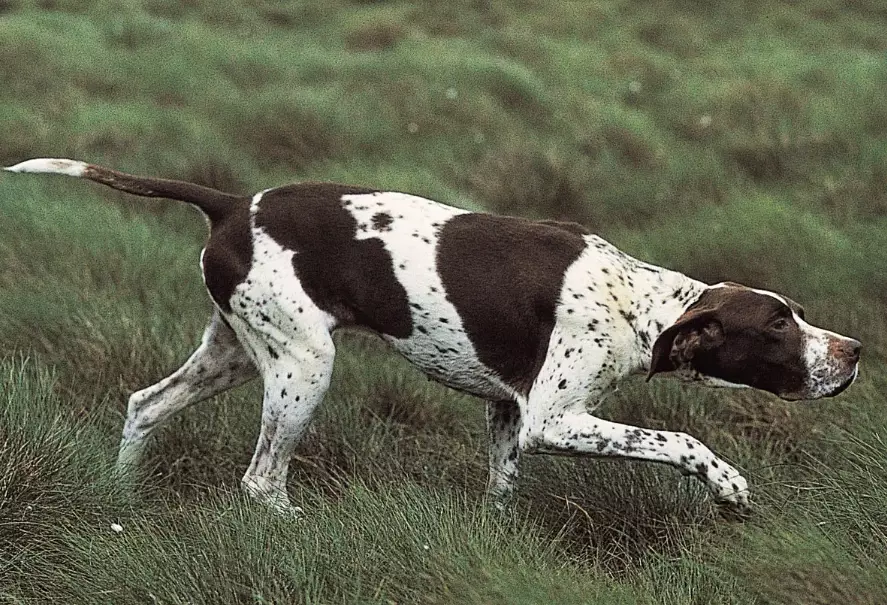
I remember the first time I saw a Pointer on point. It was in a field, utterly frozen, one leg cocked, nose aimed like an arrow at a clump of grass. The intensity was breathtaking. It wasn't just a dog; it was a living sculpture of pure instinct. That image sticks with you. And if you're here, it probably stuck with you too, sparking that "what if" thought about bringing one home. But let's pump the brakes for a second. Between that majestic field portrait and the reality of a Pointer puppy chewing your favorite shoes lies a whole world of questions. Is a Pointer the right dog for your life, not just the life you imagine? I've spent years around these dogs, and while I adore them, I'm not here to sell you a fairytale. This guide is about the messy, wonderful, exhausting, and rewarding truth of living with a Pointer. We'll strip away the myths and talk about mud, energy, training frustrations, and those soulful eyes that make it all worth it. Pointer 101: The Pointer, often called the English Pointer, is a breed built for finding game birds. That "pointing" stance is their signature move—a genetic pause button they hit when they scent birds. They're athletes, through and through. You can't talk about a Pointer without talking about energy. It's not just "they need a walk." It's a fundamental force that powers their entire being. A bored or under-exercised Pointer isn't just sad; they're a demolition crew wrapped in a short, sleek coat. They'll find a job, and you won't like the job they choose (think: redecorating your couch with its own stuffing). But here's the beautiful flip side. When their physical and mental batteries are drained (a significant achievement, trust me), they transform. Indoors, a properly exercised Pointer is often a calm, affectionate, even lazy couch companion. They'll lean against you, sigh contentedly, and soak up affection. This Jekyll and Hyde nature between field mode and home mode is the central puzzle of living with them. They're typically very friendly. Aloof guardians they are not. Expect a wagging tail for strangers, which is great for visitors but not so great for home security. With their family, they form deep, sensitive bonds. This sensitivity is a double-edged sword. It makes them wonderfully attuned to your mood but also means harsh training methods will backfire spectacularly. They can shut down. They need a leader who is consistent, patient, and fair. Let's break it down plainly, no fluff. I once dog-sat a young Pointer for a friend who swore he was "pretty active." Two days in, I realized our definitions of "active" were galaxies apart. That experience cemented my view: be brutally honest about your activity level before getting one. If you want a robot that blindly obeys, look elsewhere. Training a Pointer is more like a negotiation with a clever, easily distracted partner. They're intelligent, but their intelligence is wired for problem-solving in the field—"Where is the bird?"—not for pleasing you for the sake of it. The golden rule? Positive reinforcement is everything. Treats, praise, play. Find what motivates your Pointer. For some, it's food. For others, a thrown ball is the ultimate currency. Negative corrections just teach them that working with you is unpleasant, and they'll simply disengage. Biggest Training Pitfall: Expecting instant reliability off-leash. That nose and prey drive are powerful. A scent can override even the best-trained recall in a heartbeat. Secure fencing and long-line training are your best friends for years. Focus on these core skills from day one: For rock-solid, breed-specific advice, I always cross-reference with established organizations. The American Kennel Club's Pointer page is a fantastic starting point for breed standards and reputable breeder networks. A walk around the block is a warm-up. It's nothing. To truly satisfy a Pointer, you need to think in terms of activities that engage their body and their bird-dog brain. See that last row? If you can provide even a taste of that—letting them use their nose and instinct in a field—you'll see a different, profoundly satisfied dog. Organizations like the North American Versatile Hunting Dog Association (NAVHDA) welcome newcomers interested in training their dogs, even just for fun. Without this kind of outlet, you're fighting an uphill battle against frustration and bad behavior. Generally, they're a robust breed. That lean frame is built for endurance. But like all purebreds, they have some predispositions. Responsible breeders test for these, and you should ask to see the results (OFA or PennHIP for hips, for example). That last one, bloat, scares every large-dog owner. It's a real risk. Knowing the signs—restlessness, unproductive retching, a distended abdomen—and having your vet's emergency number handy is crucial. Pro Tip: Pet insurance or a dedicated savings account for vet bills is a smart move for any Pointer owner. When you have an athlete, sprains, cuts, or oddities can happen. People often ask, "Pointer or German Shorthaired Pointer?" or "How about a Vizsla?" They're all pointing breeds, but the vibe is different. The classic English Pointer is often described as more "bird-focused" and independent-minded on the hunt. At home, they can be slightly more reserved in their affection compared to the velcro-like neediness of a Vizsla or Weimaraner (though they are still very loving). A German Shorthaired Pointer (GSP) is often more of an "all-around" dog—meant to point, retrieve, and even track furred game. Some owners find them a tad more biddable and eager to please in training than the classic Pointer. But honestly, the energy levels are similarly sky-high. You're not getting an easy dog either way. The key takeaway? Meet individuals of each breed. Talk to owners, not just breeders. The differences can be subtle, but they might click for you one way or the other. I get these all the time. Here's my straight-shooting take. Look, owning a Pointer is a lifestyle choice, not just a pet choice. It's for the person who sees a 10-mile hike as a good Saturday, who has the patience for creative training, and who has a secure space for them to run. It's for someone who can appreciate a partnership with a proud, sensitive, and fiercely energetic soul. If your life is already active and you're willing to structure a big part of it around your dog's needs, the reward is incredible. You get a loyal, beautiful, and utterly unique companion whose grace and power will never cease to amaze you. But if you're hoping for a casual buddy to lounge with 24/7, or if your schedule is unpredictable and often away from home, the truth is a Pointer will struggle, and so will you. There are plenty of wonderful, lower-energy breeds that would be a happier fit. Do your homework. Talk to multiple breeders who health-test and ask about the temperament of their lines. Better yet, consider rescuing an adult Pointer from a breed-specific rescue. You might skip the puppy shark phase and get a clearer picture of the dog's personality. It all comes back to that point in the field. That focus, that drive, that pure essence of dog. Can you provide an outlet for it? If the answer is a resounding, excited yes, then you might just be ready for one of life's great adventures on four legs.Quick Guide

What Makes a Pointer Tick? Unpacking Their Personality
The Good, The Challenging, and The Real

Training Your Pointer: It's a Conversation, Not a Command
Mastering the Non-Negotiables
Keeping the Engine Running: Exercise & Mental Gymnastics
Activity Physical Drain Mental Drain Notes Long Leash Hike/Run High Medium Sniffing new trails is great mental work. A 30-foot line gives freedom safely. Fetch or Flirt Pole Very High Low Great for burning quick energy, but can hype some dogs up. Nosework/Scent Games Low Very High Taps directly into their natural talent. Hide treats or a specific scent in boxes. Structured Field Work Maximum Maximum The ultimate fulfillment. Join a local pointing dog club or NAVHDA chapter. Pointer Health: What to Watch For

Pointer vs. Other Pointing Breeds: A Quick Reality Check

Your Pointer Questions, Answered Honestly

The Final Point: Is a Pointer Your Dog?
Q: Can a Pointer live in an apartment?
A: It's a massive, daily challenge. It hinges 100% on your commitment to providing multiple hours of intense outdoor activity every single day, rain or shine. A bored Pointer in a small space is a recipe for noise complaints and destruction. A house with a secure yard is a far, far easier life for everyone.
Q: Are Pointers good with kids?
A: Generally, yes. Their friendly, playful nature often meshes well. But they are large, exuberant, and can accidentally knock over a toddler with a happy tail swipe. Supervision is mandatory, and teaching the dog manners and the kids how to interact respectfully is non-negotiable. A tired Pointer is a better kid-companion.
Q: How long do Pointers usually live?
A: You can typically expect a good 12 to 15 years with a well-cared-for Pointer. Their relatively simple genetics compared to some breeds often contributes to a longer, healthier lifespan.
Q: Is the shedding bad?
A: Not really. Their short coat sheds, but it's fine and less noticeable than a Labrador's, for example. A weekly rub-down with a rubber grooming mitt or a hound glove works wonders to catch loose hair. The real mess they bring in is mud.
Comment