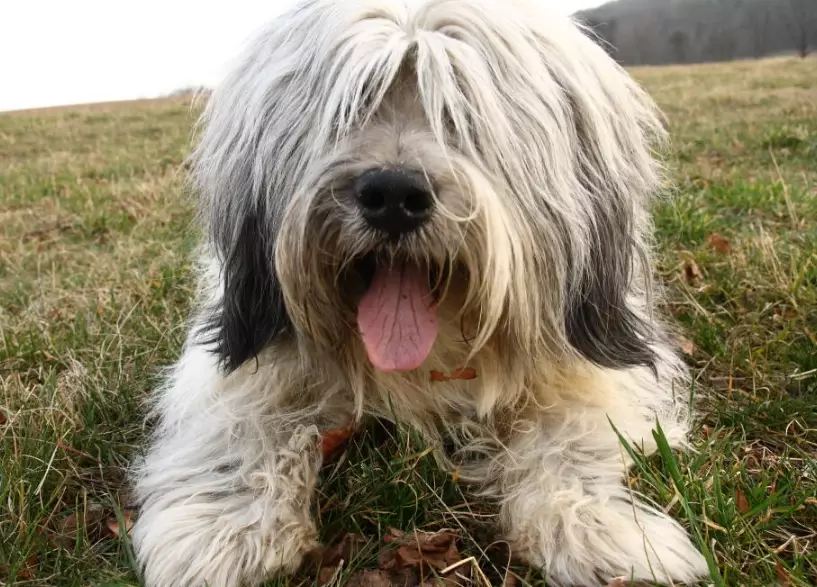
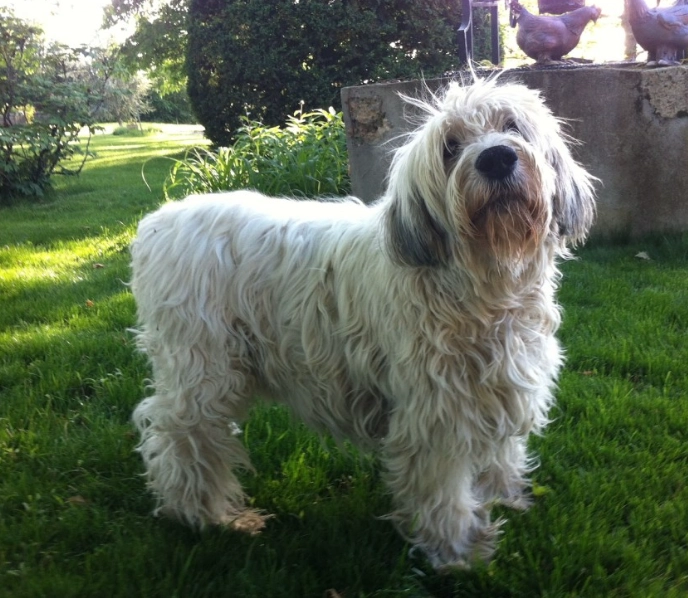
So you've seen a picture. A mop. A rug with eyes. A walking teddy bear with a mischievous glint. That's the Polish Lowland Sheepdog, or PON (from the Polish Polski Owczarek Nizinny). Let's get one thing straight right off the bat – this dog is not just a cute, fluffy accessory. It's a thinking, problem-solving, stubborn, and endlessly loyal herding dog wrapped in a deceptively cuddly package. I've talked to owners who swear they'd never get another breed, and others who admitted, with a tired sigh, that they were utterly unprepared. Which one will you be? The key is knowing what you're signing up for. This isn't a guide full of fluffy adjectives. We're going to dig into the dirt, the hair, the training standoffs, and the moments of pure joy that come with a Polish Lowland Sheepdog. Bottom Line Up Front: The PON is for an active owner who sees dog grooming as a therapeutic hobby, values intelligence over blind obedience, and has a good sense of humor. If you want a low-maintenance, always-eager-to--please couch potato, look elsewhere. Seriously. That shaggy coat wasn't a fashion choice. It was armor. The breed's history stretches back centuries in Poland, where they were developed to herd and guard flocks against wolves and harsh weather. The thick, double coat protected them from bites and the cold. Their low-to-the-ground build (they stand about 17-20 inches at the shoulder) wasn't for being cute – it helped them duck under the bellies of cattle and be nimble. They're survivors. The breed almost vanished after World War II. The story goes that a Polish veterinarian, Dr. Danuta Hryniewicz, is credited with saving them, finding a handful of good specimens and rebuilding the population. That resilience is still in their DNA. You can read more about their fascinating history and official breed standard on the American Kennel Club's Polish Lowland Sheepdog page, which is a fantastic primary resource. Understanding this working-dog heritage is non-negotiable. It explains everything about the modern PON – their energy, their need for a job, their wariness of strangers (guarding instinct), and their independent streak. They weren't bred to sit and look pretty; they were bred to make decisions on their own while moving stubborn livestock. Calling a Polish Lowland Sheepdog smart is like calling the ocean damp – it's true but doesn't capture the scale. They are frighteningly intelligent. This is the best and worst thing about them. On the good side, they learn commands and tricks with dizzying speed. They can solve puzzle toys meant for advanced dogs in minutes. They're incredibly observant, learning your routines before you do. This makes them fantastic partners for dog sports like agility, obedience, and herding trials. The bond with their person is profound. They're often "one-person dogs," forming an intense, loyal connection. They can be wonderfully funny and affectionate with their family. Now, the flip side. That intelligence comes with stubbornness. A PON doesn't just obey; it assesses. If a command seems pointless to them ("sit" for the tenth time for no reason), they might just give you a look that says, "You cannot be serious." They get bored easily. A bored PON is a destructive PON. We're talking creative destruction – not just chewing a shoe, but figuring out how to open the pantry door to get to the treats. Their herding instinct is strong. This can manifest as nipping at heels (especially with running children), circling people, or trying to "herd" other pets. Early training is crucial to manage this. They can be aloof or wary with strangers, which makes them decent watchdogs but means they need proper socialization so this doesn't tip over into fear or aggression. I remember a PON owner telling me her dog would hide remote controls when it was time to go to bed, because it knew that meant the fun was over. That's the level of problem-solving we're dealing with. It's impressive and maddening all at once. Let's talk about the elephant in the room: the hair. The Polish Lowland Sheepdog's coat is a double coat – a soft, dense undercoat and a rough, shaggy outer coat. It's designed to shed dirt and water, and it does that well. But it does not shed much hair in the traditional sense. Instead, it mats. It mats with a vengeance, forming tight, painful felts close to the skin if neglected. So, what does grooming a PON actually look like? Forget the 10-minute weekly brush. We're talking a major commitment. Here’s a quick table breaking down the grooming toolkit and routine: If the thought of this routine makes you tired, a Polish Lowland Sheepdog is not your dog. There's no way around it. The coat is a deal-breaker for many, and honestly, it's the main reason these dogs end up in rescues – people get overwhelmed. Training a PON is less about issuing commands and more about negotiation and motivation. They respond terribly to harshness or repetition. They excel with positive reinforcement – treats, praise, play. Make it fun, make it a game, and make it worth their while. Start socialization early and expose them positively to all sorts of people, dogs, sounds, and environments. This helps temper their natural wariness. Curb the herding nip immediately by redirecting to a toy. Teach impulse control games. Obedience classes are highly recommended, not just for the dog, but to teach you how to be a good leader for your clever canine. The key is consistency and fairness. They respect a leader, but they will rebel against a tyrant. Pro-Tip: Never ask a PON to do something you can't enforce. If you call them and they ignore you, you've just taught them that "come" is optional. Always have high-value treats on hand for recall training, especially in distracting environments. Generally, the Polish Lowland Sheepdog is a healthy, robust breed with a lifespan of 12-15 years. But like all purebreds, they have some predispositions. Responsible breeders test for these. You should ask to see the results. That fabulous coat also needs attention. Mats can hide skin issues, and the hair around the eyes needs regular trimming to prevent irritation. Those floppy ears are prone to infections if not kept clean and dry. Don't just fall for the face. Be brutally honest with yourself. A PON might be a good fit if you: Think twice about a Polish Lowland Sheepdog if you: If you've decided a PON is for you, the next step is crucial. Do not buy from a pet store or a website that ships puppies. These are almost certainly puppy mills. Finding a Responsible Breeder: Start with the national breed club. In the U.S., that's the Polish Lowland Sheepdog Club of America (PLSCA). Their website has a breeder referral list. A good breeder will: Considering Rescue: Breed-specific rescues are a wonderful option. Adult dogs often come with known personalities and some training. The PLSCA also has a rescue network. You might save a dog's life and get a fantastic companion. The grooming neglect might be severe, so be prepared for an initial rehabilitation period. It's possible, but not ideal. They are energetic and need both physical and mental exercise. An apartment dweller would need to be absolutely committed to multiple long walks, trips to a dog park or secured field, and indoor brain games. Their bark can be loud and they may alert to noises. A house with a yard is better, but the yard must be secure – they are clever escape artists. More than you think. A leisurely walk around the block won't cut it. Aim for at least 60-90 minutes of dedicated activity per day. This should mix physical exercise (running, hiking, fetch) with mental exercise (training sessions, nose work, puzzle toys). A tired PON is a good PON. An under-exercised PON will invent its own fun, and you won't like it. With proper socialization, they can do well with other dogs. Their herding instinct might mean they try to boss other pets around. With cats, it's highly individual. Some PONs can live peacefully with cats they are raised with, others may see them as something to herd. Slow, supervised introductions are key. That they are just cute, mellow, fluffy dogs. The cute and fluffy part is true. The mellow part is a lie for most young and adolescent PONs. They are working dogs with sharp minds and energy to burn. The other big one is that "non-shedding" means easy care. Nothing could be further from the truth for a Polish Lowland Sheepdog. This is a hot topic. Most breeders and groomers strongly advise against shaving a double-coated breed down to the skin. The coat actually insulates them from heat as well as cold. Shaving can ruin the texture of the coat, cause it to grow back patchy, and expose their skin to sunburn. A shorter "puppy cut" or "summer cut" that leaves an inch or two of hair is a much better alternative for manageability and comfort. I spoke to a groomer who had a client bring in a matted PON that had been shaved by another shop. The coat grew back weird and woolly, losing its proper harsh, protective texture. It took years of careful grooming to get it back to normal. It's a permanent risk. Owning a Polish Lowland Sheepdog isn't for everyone. It's a commitment that demands time, money, patience, and a lot of lint rollers. The grooming is relentless. The stubbornness can be infuriating. But for the right person, it's one of the most rewarding relationships you can have with a dog. The intelligence, the loyalty, the unique sense of humor, the unwavering companionship – it's all real. When you look into those wise eyes peeking out from a shaggy fringe, you're not looking at a pet. You're looking at a partner, a fuzzy, opinionated, and utterly devoted member of the family. Do your homework. Meet some PONs and their owners. Be brutally honest about your lifestyle. If it aligns, you might just find your perfect, shaggy shadow for the next decade and more. And if it doesn't? That's okay too. There's a perfect dog out there for everyone, and sometimes the bravest thing you can do is admit that the adorable mop dog isn't yours.In This Guide
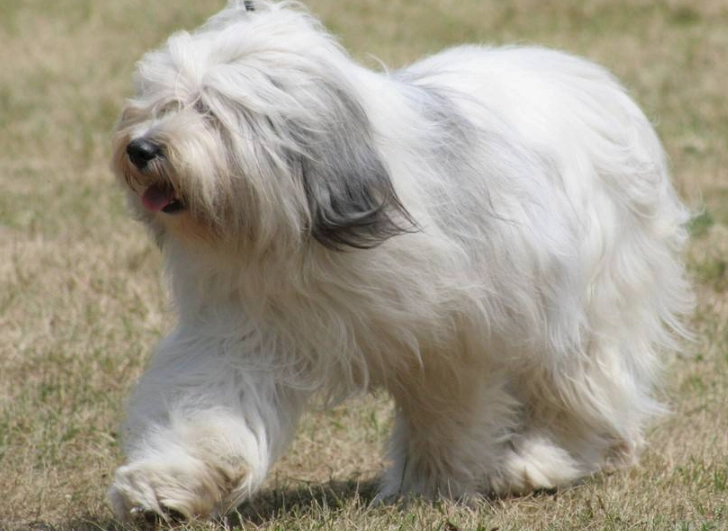
From Polish Pastures to Your Living Room: A PON's History
PON Personality: More Than Just a Clever Dog
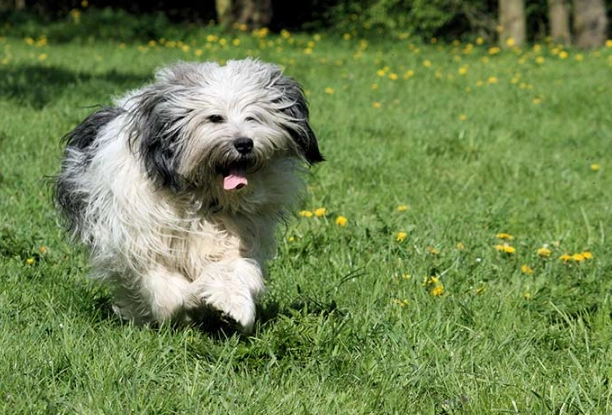
The Coat: Glorious, High-Maintenance, and Non-Negotiable
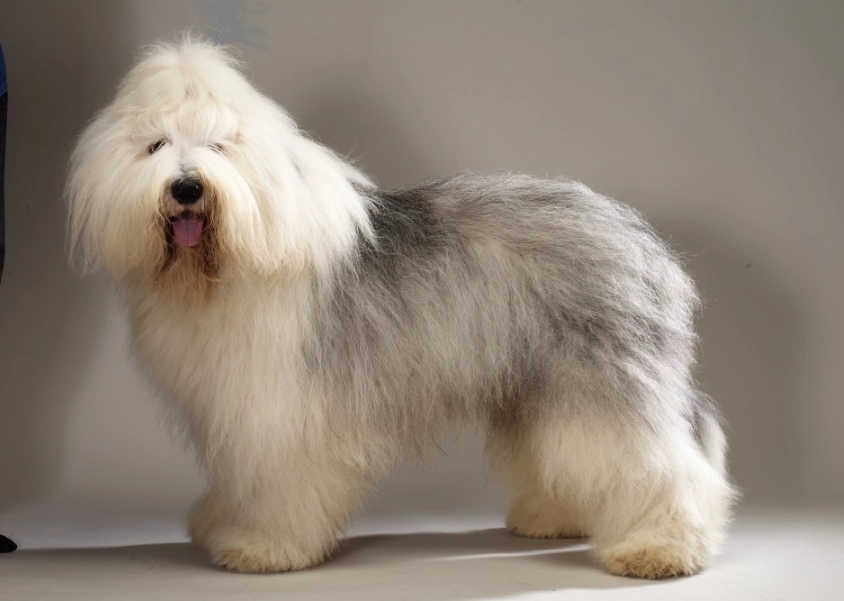
Tool / Task Purpose Frequency Slicker Brush (High-Quality) Break up tangles and lift undercoat Every brushing session Long-Toothed Metal Comb The final test – should glide through coat to skin without snagging Every brushing session Detangling Spray Makes brushing easier and protects hair As needed during brushing Ear Cleaning Solution & Cotton Pads Floppy, hairy ears are prone to infection Weekly Full Line-Brushing Session Preventative maintenance to stop mats At least 2-3 times per week Professional Groomer Visit Bath, haircut, nail trim, expert check Every 4-8 weeks Training Your Polish Lowland Sheepdog: Patience is Not a Virtue, It's a Requirement
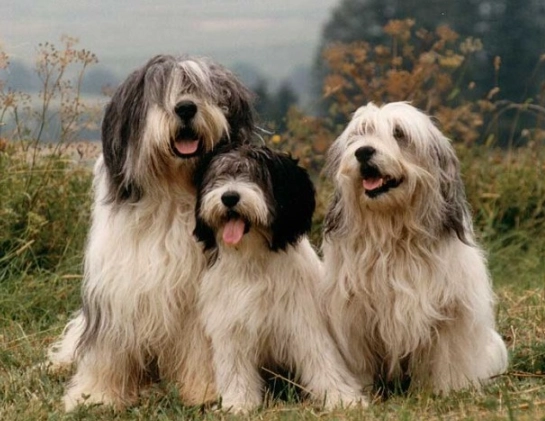
Health and Lifespan: What to Watch For
Is a Polish Lowland Sheepdog Right for YOU? The Honest Checklist
Finding a Polish Lowland Sheepdog: Breeder vs. Rescue
- Ask you as many questions as you ask them.
- Welcome you to visit their home and meet the dam (mother dog).
- Show you health clearances for both parents (hips, eyes, PRA DNA).
- Have a contract that includes a health guarantee and requires you to return the dog to them if you can't keep it.
- Be a resource for you for the dog's entire life.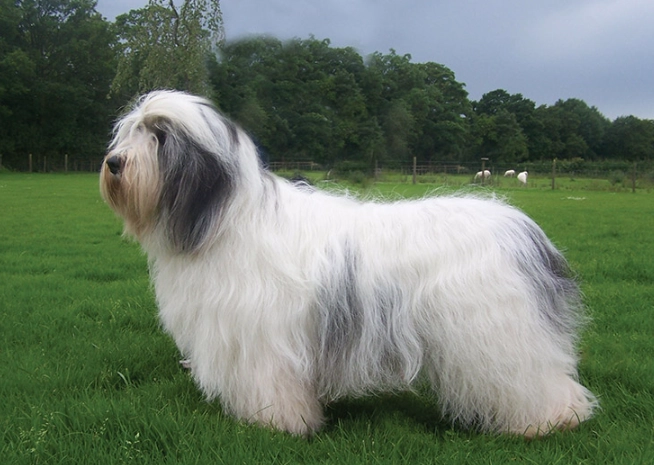
Living the PON Life: Your Questions Answered
Are Polish Lowland Sheepdogs good apartment dogs?
How much exercise does a PON really need?
Are they good with other dogs and cats?
What's the biggest misconception about the breed?
Can I shave my PON's coat in the summer to keep them cool?
Final Thoughts: A Partnership, Not a Pet
Polish Lowland Sheepdog Guide: Care, Traits & Is This PON Right for You?
Comment