Let's be real. You've probably seen them. Those little balls of fluff with fox-like faces, prancing around like they own the place, often carried in the arms of someone looking very pleased with life. The Pomeranian is, without a doubt, one of the most recognizable and popular toy dog breeds out there. But here's the thing – there's a massive gap between seeing a cute dog on Instagram and actually living with one. I've been around Poms for years, talked to breeders, owners, and vets, and I've seen the full picture. The joyous moments and the... challenging ones. This isn't just a breed overview. It's the handbook I wish I had before I got involved with these charismatic little dogs. We're going to dig into everything: the history that made them this way, the personality quirks you need to be ready for, the health stuff nobody likes to talk about but absolutely must, and the daily grind of care. Is a Pomeranian the right dog for you? Let's find out. It's hard to imagine when you look at a modern Pom, but their ancestors were sturdy, medium-sized sled and working dogs in the Pomerania region (now part of Poland and Germany). They weighed around 30 pounds! The transformation is largely credited to Queen Victoria of England. She fell in love with a smaller, red Pomeranian while in Italy and brought it back home. As a huge trendsetter, her passion for breeding smaller and smaller Poms caught fire among the aristocracy. By the time she died, her favorite Pomeranian was a tiny thing. Selective breeding for size and coat over the decades shrunk them down to the portable companions we know today. The American Kennel Club recognized the breed in 1900. This history is key to understanding them. That Spitz heritage isn't just for show. It's why they have that independent streak, that alertness, and that incredible coat. They were bred down in size, but nobody told their personality to shrink. If you want a boring dog, look elsewhere. A Pomeranian's personality is anything but subtle. They are incredibly loyal and affectionate with their family. Many form an intensely close bond with one person. They're bright, curious, and often hilarious in their antics. Their confidence is astounding for their size – they frequently have no idea they're only 5 pounds tall. This makes them excellent watchdogs; they will absolutely let you know if a leaf blows past the window. For active people, they are surprisingly game for adventures. A Pomeranian can be a great hiking buddy (for their size, of course) and adapts well to travel. Okay, let's talk about the other side of the coin. That big-dog attitude can tip into stubbornness. They can be willful. The watchdog tendency can easily become excessive barking if not managed from puppyhood. They are often not the best choice for homes with very young children, simply because a Pom is fragile and a toddler's clumsy grab can cause injury. And a note on other dogs: some Pomeranians can be picky or even bossy with other canines, again, forgetting their own stature. I've met Poms that are the sweetest souls, and others that are tiny tyrants. The difference almost always comes down to early socialization and consistent training. You can't just carry them around and expect a well-adjusted dog. This is the most important section. Small, toy breeds are prone to specific health issues, and being informed is your first line of defense. A responsible Pomeranian breeder will test for these conditions. Look, it sounds scary. But knowing this lets you ask the right questions and get the right care. A well-bred Pomeranian from health-tested parents has a great shot at a long, healthy life of 12-16 years. Owning a Pomeranian isn't just cuddles. It's a commitment to specific routines. That glorious double coat is high-maintenance. It mats easily, especially behind the ears, in the armpits, and around the fluffy trousers (the hindquarters). They have energy! A couple of short walks (15-20 minutes) a day plus active playtime indoors is perfect. Puzzle toys, training sessions, and hide-and-seek are great to tire out their busy minds. A bored Pomeranian is a destructive, barky Pomeranian. Start the day you bring them home. They are smart, which means they learn what you want quickly... and also learn what they can get away with. Use positive reinforcement (treats, praise). Housetraining can be tricky with toy breeds; be patient, consistent, and take them out frequently. Socialization is critical – expose them gently to various people, places, sounds, and other friendly, vaccinated dogs. With such a small dog, every bite counts. You want a high-quality dog food formulated for small or toy breeds. These kibbles are sized appropriately for tiny jaws. Be very careful with treats – it's easy to overfeed. An overweight Pomeranian is at higher risk for joint and heart problems. Discuss the exact amount with your vet, but generally, it's around 1/4 to 1/2 cup of dry food per day, split into two meals. Always have fresh water available. Some Poms can be picky eaters. If you face this, avoid the trap of constantly switching foods or adding rich human food. It often creates a fussier eater. Offer the meal for 15-20 minutes, then pick it up until the next mealtime. Choosing between a puppy and an adult rescue is a big decision. A Pomeranian puppy is a blank slate. You control their socialization and training from the start. But it's a ton of work: sleepless nights, potty training, teething, and the constant supervision needed to keep a fragile, curious baby safe. The initial cost from a good breeder is significant. An adult Pomeranian from a rescue or shelter often comes with some basic training and a known personality. What you see is more what you get. You're giving a dog a second chance. The downside is they may come with unknown history or behavioral quirks that need work. The adoption fee is usually lower. There's no right answer, just the right answer for your lifestyle. So, let's wrap this up. A Pomeranian is an amazing, lively, and loving companion for the right person. Choose a Pomeranian if: you want a loyal, big-personality dog in a small package; you have the time and dedication for regular grooming; you can provide consistent, gentle training and early socialization; you live in a smaller space; and you're prepared for potential health issues with a good vet fund or insurance. Think twice about a Pomeranian if: you have very young children; you want a low-shedding dog; you are gone for very long hours regularly; you are not committed to a grooming routine; or you expect a low-energy, always-calm lapdog (they have their calm moments, but they're not couch potatoes). If you decide a Pomeranian is your match, do your homework. Seek a breeder who is registered with the American Kennel Club and who prioritizes health, temperament, and the breed standard. Ask to see the parents' health clearances. Visit the premises. A good breeder will interview you just as thoroughly. Alternatively, consider rescue organizations like Pomeranian & Small Breed Rescue or local shelters. You can find wonderful adult dogs needing homes. Bringing any dog into your life is a long-term commitment. For a Pomeranian, that's potentially 16 years of laughter, fluff, occasional frustration, and unwavering companionship. Go in with your eyes open, and you'll have an incredible friend.Quick Guide
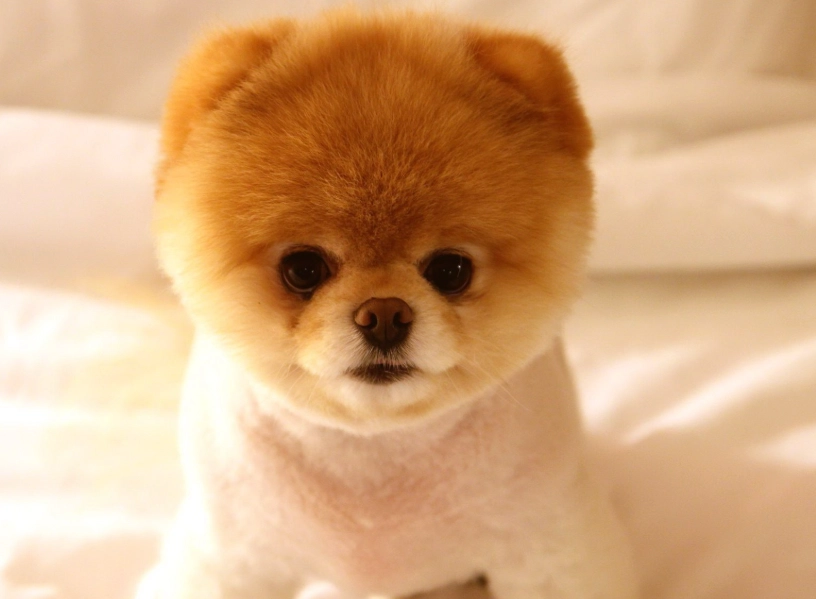
From Sled Dogs to Lap Dogs: The Pomeranian's Journey
Living with a Pomeranian Personality: Sunshine and Thunderstorms
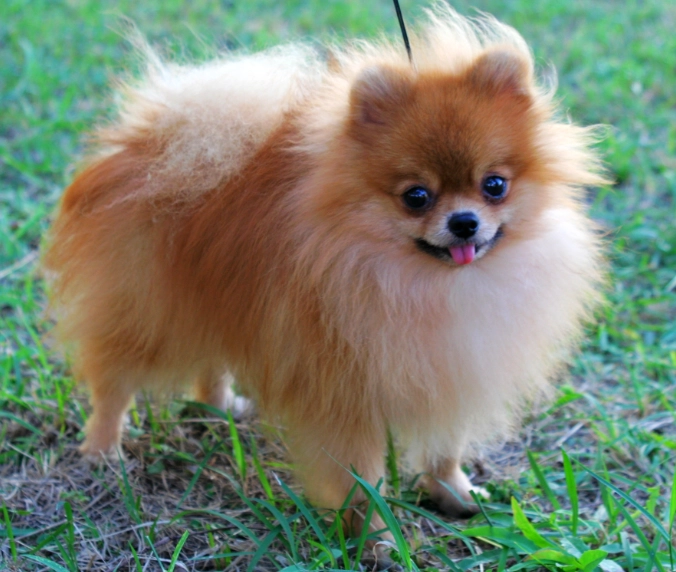
The Good (The Really, Really Good)
The Challenges (What You Need to Prepare For)
Pomeranian Health: A Proactive Owner's Guide
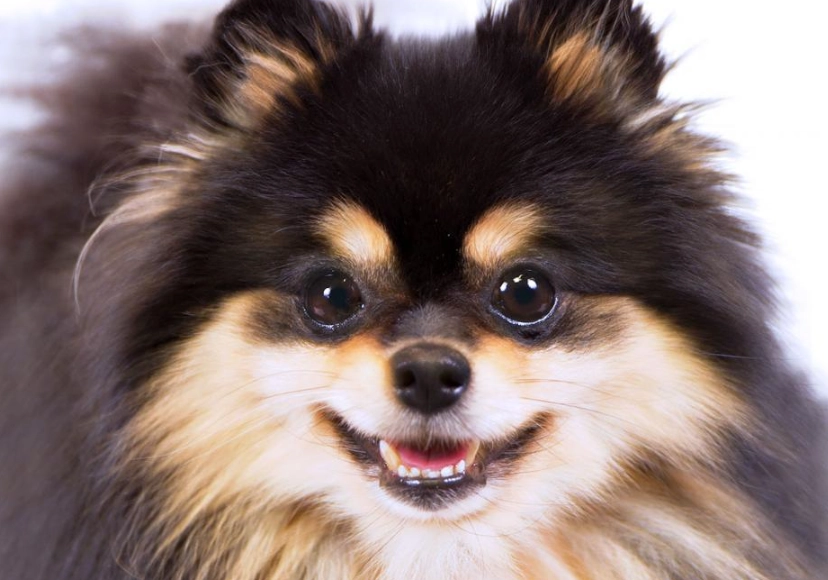
The Daily Grind: Pomeranian Care Breakdown
Grooming: It's Not Optional
>During shedding season only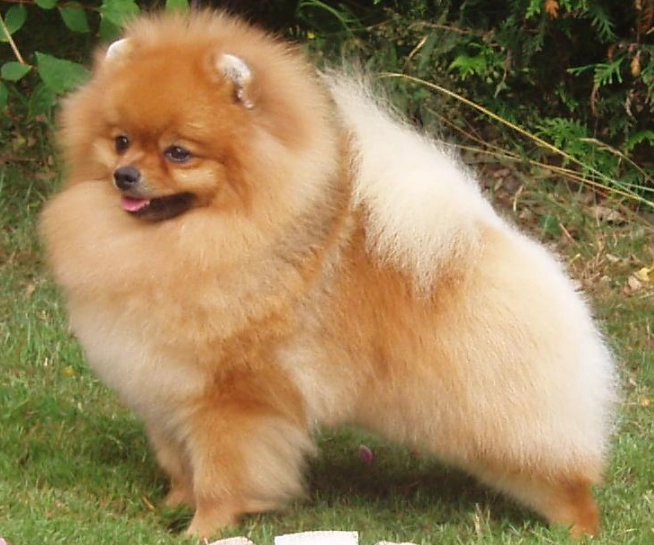
Grooming Tool Purpose Frequency Slicker Brush Break up tangles and mats in the undercoat Every brushing session Pin Brush Gently smooth the long guard hairs Every brushing session Metal Comb Final check for small tangles, especially on legs/ears Every brushing session Undercoat Rake Pull out loose undercoat during heavy sheds Dog Shampoo & Conditioner Clean and moisturize the coat & skin Every 3-4 weeks Exercise & Mental Stimulation
Training Your Pom
Feeding Your Pomeranian: Nutrition Matters
Pomeranian Puppy vs. Adult: What to Expect
Answering Your Big Pomeranian Questions
Making the Decision: Is a Pomeranian Right for YOU?
Quick Fact Dash: The Pomeranian is a true toy breed, typically weighing 3 to 7 pounds. They're part of the Spitz family, related to much larger dogs like Huskies and Samoyeds, which explains that thick double coat and that bold, confident attitude packed into a tiny body.
A friend's Pomeranian, Milo, once fearlessly confronted a vacuum cleaner five times his size, barking and circling it like it was a mythical beast. The confidence is real, and honestly, pretty entertaining.
Heads Up: The single most critical thing you can do is buy from a breeder who performs health clearances, not just a vet check. Ask for Orthopedic Foundation for Animals (OFA) or similar certifications for patellas and heart. Reputable breeders are transparent about this.
Pro Tip: The single best piece of training advice for a Pomeranian owner is to teach a "quiet" command. Reward moments of silence to manage their natural barking instinct.
Do Pomeranians shed a lot?
Yes. Let's not sugarcoat it. They have a dense double coat that sheds year-round, with heavier "blowing coat" periods twice a year. If you or a family member has severe allergies, a Pomeranian is probably not the best fit. Regular brushing is the only way to manage the fur in your home.
Are Pomeranians good apartment dogs?
Excellent. Their small size and adaptability make them perfect for apartment living, provided you meet their exercise and mental stimulation needs. Just be mindful of neighbors and barking.
Are Pomeranians easy to train?
They are intelligent and can learn quickly, but their independent nature can make them seem stubborn. They respond best to short, fun, reward-based sessions. Consistency is key.
How much does a Pomeranian cost?
From a reputable breeder who does full health testing, expect $1,500 to $3,000+ for a puppy. The initial purchase is just the start. Factor in ongoing costs: high-quality food, routine vet care, grooming supplies or professional groomer visits, insurance, etc.
Can Pomeranians be left alone?
They are companion dogs and can develop separation anxiety if not taught to be alone gradually. Most adult Poms can handle a normal 6-8 hour workday if they are properly exercised beforehand, but puppies need much more frequent breaks. Crate training is highly recommended for their safety and your peace of mind.
I'll leave you with this: the best Pomeranian owners I know didn't just want a cute accessory. They wanted a partnership with a tiny, fearless, and utterly devoted character. It's work, but for the right person, it's worth every single brush stroke.
Comment