Let's be honest, when most people think of a Poodle, they picture a dog with a ridiculous haircut prancing around a show ring. Maybe you've seen the stereotypical "puffy" look and thought, "not for me." I used to think the same thing. That was before I actually lived with one. My journey with a Standard Poodle named Leo completely changed my perspective on what is arguably one of the most misunderstood, versatile, and downright intelligent dog breeds out there. This isn't just another generic breed profile. If you're searching for Poodle information, you're probably asking real questions. Is the Poodle actually a good family dog, or are they too high-strung? Is the grooming as nightmarish and expensive as everyone says? What's the deal with all those sizes—Standard, Miniature, Toy—are they even the same dog? And that "hypoallergenic" label... is there any truth to it? We're going to strip away the show-ring glitter and get into the real, messy, wonderful details of living with a Poodle. From their surprising history as duck hunters to the nitty-gritty of daily care, we'll cover it all. Whether you're just curious or seriously considering adding one to your family, this guide aims to be the last one you'll need to read. That iconic clip? It wasn't invented for fashion. The Poodle's history is a lot more working-class than its modern reputation suggests. The breed likely originated in Germany ("Poodle" comes from the German "Pudel," meaning "to splash in water"), not France, though the French certainly adopted and refined them. Their original job was as a water retriever, fetching downed waterfowl for hunters. The famous "continental" or "show" clip had a practical purpose. The pom-poms on the joints and chest protected vital areas from cold water and sharp reeds, while the shaved areas reduced drag and made it easier for the dog to swim. The topknot? That was to keep their head warm and their sightlines clear. It was functional, not frivolous. Over time, as they moved from the marshes to the palaces of French nobility, the intelligence and elegance of the Poodle shone through, leading to their roles in circuses and as companions. This is a crucial point a lot of guides gloss over. The three Poodle varieties aren't just scaled versions of the same dog. Centuries of selective breeding for different sizes have subtly influenced temperament, energy, and even health predispositions. Choosing the right size is the first major decision. My experience is with a Standard. Leo has the energy to hike for hours but is calm enough to settle at my feet while I work. A friend has a Miniature who is, frankly, a bit more neurotic—incredibly smart, but quicker to bark at noises. The Toy Poodles I've met are sweet but feel delicate, like you have to handle them with kid gloves. It's a real spectrum. Let's tackle the elephant in the room. Yes, Poodle grooming is a big deal. No, it's not optional. Their coat is unique: a dense, curly, continuously growing single coat. It doesn't shed much, but it acts like human hair—it grows and grows. This is the source of both the "hypoallergenic" claim and the grooming burden. No dog is 100% hypoallergenic. Most people are allergic to a protein in dog dander (dead skin flakes) and saliva, not hair itself. Because a Poodle's loose hair gets caught in its tight curls instead of flying into the air and settling on your couch, they tend to spread less dander around. They also produce less of the typical "dog smell." This makes them a much better choice for many allergy sufferers, but it's not a guarantee. Always spend time with an adult Poodle before committing if allergies are a severe concern. Reputable organizations like the American Academy of Allergy, Asthma & Immunology caution that reactions vary widely by individual. So, what does grooming actually entail? Forget the show clips unless you're into that. Most pet owners opt for a short, even "puppy clip" or a "teddy bear trim" that's manageable. Before getting a Poodle, call three local groomers and ask for their price for a full groom on the size you want. Add that up for a year. Then, go buy a high-quality slicker brush and a metal comb and practice on a stuffed animal. If that sounds like too much work or expense, this is not the breed for you. Seriously. A neglected Poodle coat is a form of cruelty. If you want a dog that just chills and doesn't think too much, stop reading now. The Poodle mind is always whirring. They are consistently ranked among the top two or three most intelligent dog breeds, right alongside Border Collies and German Shepherds. This intelligence is their greatest trait and their biggest challenge. On the plus side, they learn commands with startling speed. Leo knew basic cues in a couple of repetitions. They excel in obedience, agility, trick training, and even service work. Their intelligence makes them incredibly in-tune with their owners' emotions. But here's the flip side: a bored Poodle is a destructive Poodle. They don't just chew your shoe; they figure out how to open the closet door to get to your shoe. They are master problem-solvers, and if you don't give them a job (like training, puzzle toys, or a sport), they will invent their own—and you probably won't like it. Barking, digging, and obsessive behaviors can emerge. Physical walks are not enough. You need to tire out their brain. Ten minutes of training new tricks, a food puzzle like a Kong wobbler, or a snuffle mat for meals can do more to calm a Poodle than an hour-long walk. Mix it up constantly; they get bored with routine. Their sensitivity is another double-edged sword. They respond beautifully to positive, reward-based training. Harsh words or punishment can crush their spirit and make them anxious or shut down. They thrive on praise and partnership. This sensitivity also means they often don't do well being left alone for extremely long hours; they are companion dogs through and through. Poodles are generally a robust breed, but they have some known genetic predispositions. Being informed helps you ask the right questions of a breeder and know what to monitor with your vet. For Toy and Miniature Poodles, patellar luxation (slipping kneecaps) and dental disease due to small jaws are major concerns. The World Small Animal Veterinary Association (WSAVA) provides excellent global resources on responsible breeding and preventive care that align with these concerns. This is the most important decision you'll make, as it sets the foundation for your dog's health and temperament. A good breeder is a resource for the life of your dog. They should: Be prepared to wait, often a year or more, and pay a premium. For a well-bred Standard Poodle, prices can range from $2,000 to $3,500+. This is a wonderful option. Many Poodles end up in rescue through no fault of their own—an owner passes away, a divorce, or someone underestimated the grooming needs. Rescue organizations like Poodle Rescue of North Carolina or local groups often have dogs of all ages. The adoption fee is much lower, and you're giving a dog a second chance. The downside is you may know less about their genetic background, and some may have behavioral issues to work through. I feel I have to address this. Goldendoodles, Labradoodles, etc., are not Poodles. They are mixed-breed dogs. While many are wonderful pets, the market is flooded with irresponsible "puppy mills" and backyard breeders capitalizing on the trend. There is no predictability in coat type, shedding, or temperament in a first-generation cross. If you want a Poodle, get a Poodle. If you want a mix, please consider an adult dog from a shelter or a rescue that specializes in doodles, so you know exactly what you're getting. Bringing your Poodle puppy home is chaos. Here's what I wish I'd known: The first night, Leo cried. I slept on the floor next to his crate with my fingers through the wires. It gets better. I promise. Let's wrap this up. After years with Leo, I can say this: a Poodle isn't just a dog. It's a commitment to a highly intelligent, sensitive soul that needs you—your time, your attention, your patience. They aren't a low-maintenance pet. They are a high-maintenance companion who will give you unwavering loyalty, hilarious antics, and a brain so sharp it will keep you on your toes. You should get a Poodle if you: You should NOT get a Poodle if: If you've read this far, you're serious. Your next step is to go meet some Poodles. Visit a reputable breeder, talk to a rescue, and get some real-world slobber on your hands. That's the only way to know for sure.In This Guide
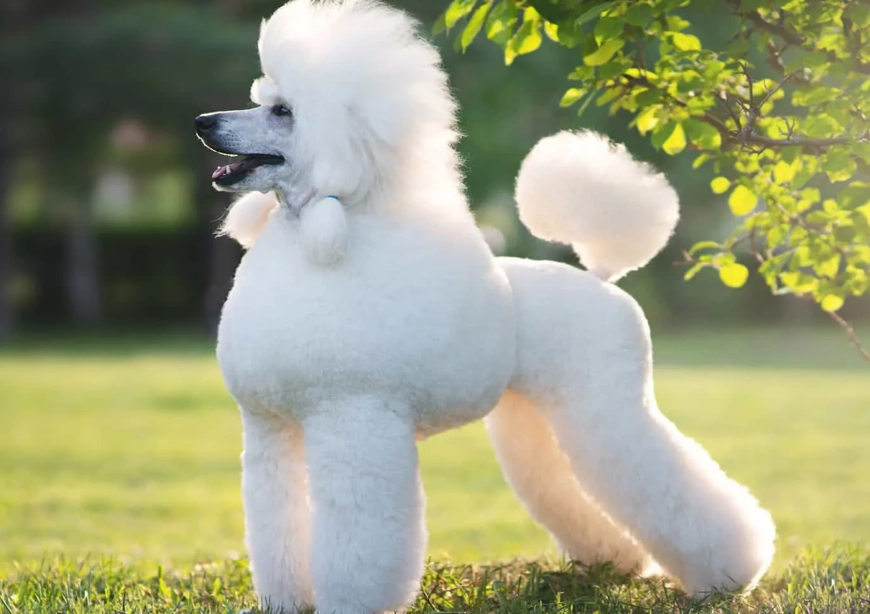
More Than a Fancy Haircut: The Poodle’s Rich History
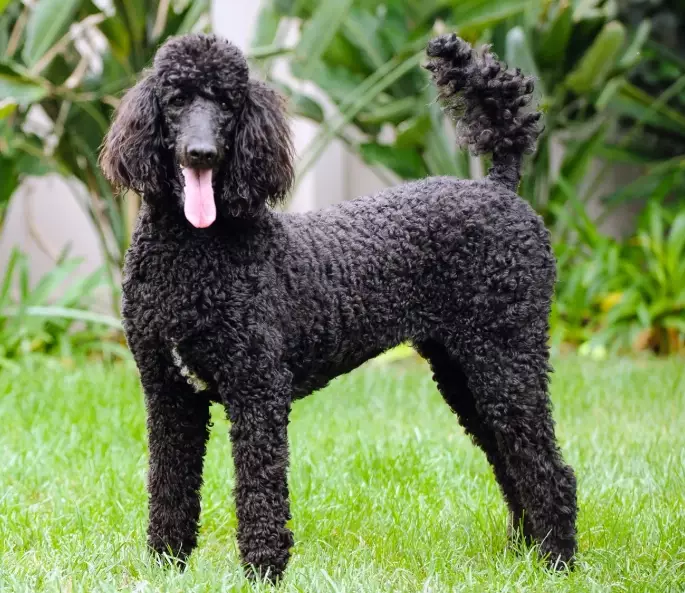
Standard, Miniature, or Toy? It's Not Just About Size.
Type
Height (at shoulder)
Weight
Best For
Potential Downsides
Standard Poodle
Over 15 inches
45-70 pounds
Active families, outdoor enthusiasts, those wanting a true "big dog" presence with a non-shedding coat. Excellent for dog sports like agility.
Requires significant space, exercise, and mental stimulation. Can be more expensive to feed and care for.
Miniature Poodle
10-15 inches
10-15 pounds
City dwellers, smaller homes, individuals or couples. A fantastic compromise—portable but still sturdy and athletic.
Can be prone to "small dog syndrome" (barking, bossiness) if not trained firmly. Some lines may be more high-strung.
Toy Poodle
Under 10 inches
4-6 pounds
Companionship for quieter, often older adults. Extremely portable.
Fragile. Not ideal for young children. Prone to dental issues and patellar luxation. Requires extremely careful socialization.
The Infamous Poodle Coat: Grooming Reality vs. Myth
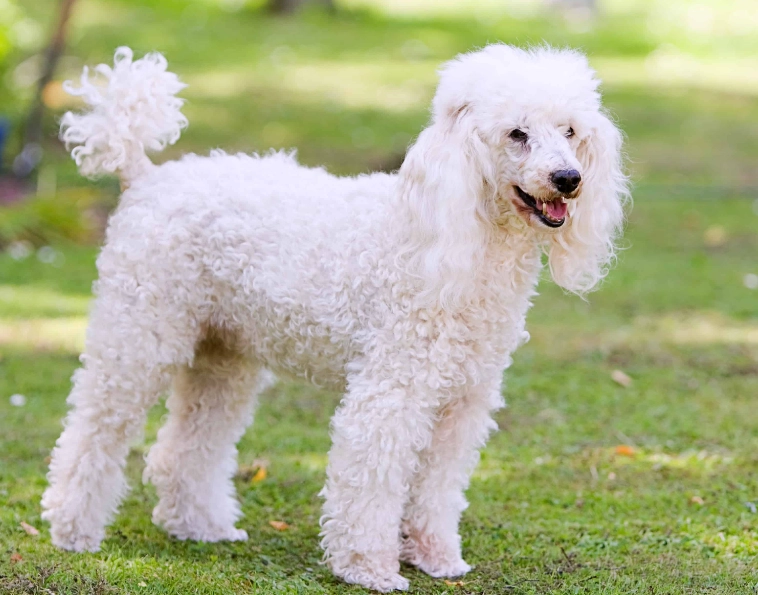
The Truth About "Hypoallergenic" Dogs
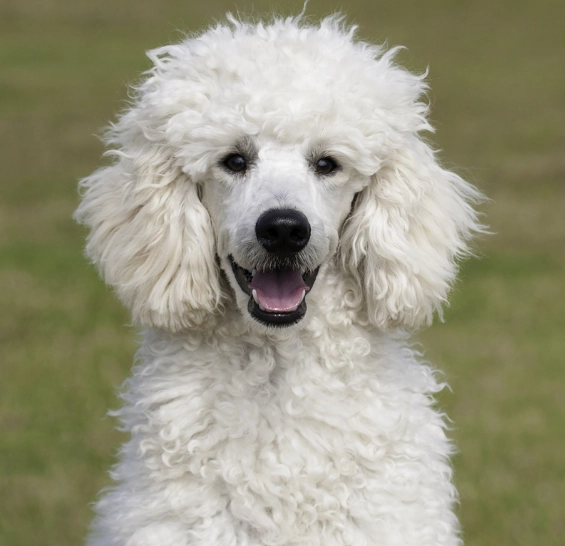
The Grooming Cost No One Talks About
The Poodle Personality: Brainpower and Quirks

Mental Exercise is Non-Negotiable
Poodle Health: What to Watch For
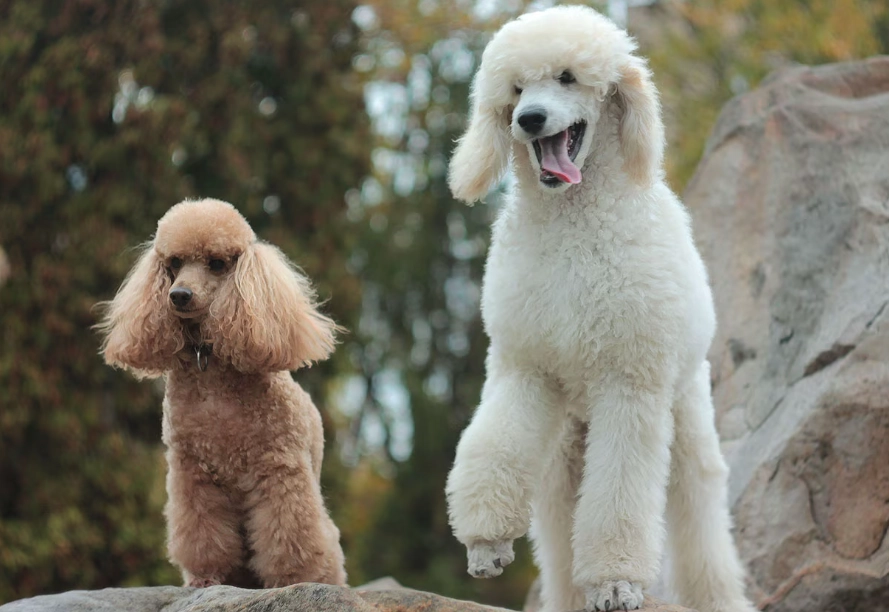
Finding Your Poodle: Breeder, Rescue, or…?
Going Through a Reputable Breeder
Considering Poodle Rescue
The Doodle Dilemma
Your First Week Home: A Realistic Checklist
Common Poodle Questions Answered
The Final Verdict: Is a Poodle Right for You?
I brought Leo home thinking I was getting an elegant, smart dog. I wasn't prepared for the clown. The first time he figured out how to open the pantry door by combining a nudge with a pull, I knew I was in over my head—in the best way possible. He's more like a fuzzy, four-legged roommate with a PhD in problem-solving (and counter-surfing).
So, the next time you see a Poodle with a fancy trim, remember: that hairstyle has roots in hard work and practicality, not just vanity.
Size dictates lifestyle fit more than anything else.
Responsible breeders test their breeding stock for these conditions. Always ask for proof of health clearances.
Q: Are Poodles good with kids?
A: They can be excellent with children. Standards, due to their size and sturdy build, are often the best choice for families with young kids. Their intelligence means they can learn to be gentle. However, no dog should ever be left unsupervised with a small child, and children must be taught how to interact with dogs respectfully. A Toy Poodle is too fragile for a toddler's clumsy hugs.
Q: How much exercise does a Poodle need?
A: More than you think. A Standard Poodle needs at least 60-90 minutes of dedicated activity (walks, play, training) per day. Miniatures and Toys need less, but they still have energy to burn. A tired Poodle is a well-behaved Poodle.
Q: Do Poodles bark a lot?
A: They can be vocal. They bark to alert, out of boredom, or sometimes just for fun. Early training to teach a "quiet" cue is essential. Providing enough mental and physical exercise is crucial to minimize excessive barking.
Q: What is the lifespan of a Poodle?
A: Generally, Standards live 12-15 years, Miniatures 12-15 years, and Toys 12-15 years. With excellent care and genetics, some can live longer. The American Kennel Club (AKC) provides detailed breed characteristics.
Q: Are Poodles easy to train?
A: Easy? Yes, because they learn incredibly fast. Easy? No, because they are smart enough to test boundaries and decide if they feel like listening. Training must be consistent, engaging, and positive. They get bored with repetition.
Owning a Poodle has been one of the most rewarding experiences of my life, but it's also been work. It's not for everyone. But if you're up for the challenge, you'll get a friend who will make you laugh every single day, amaze you with their intelligence, and love you with their whole being. Just be ready for the hair appointments.
Comment