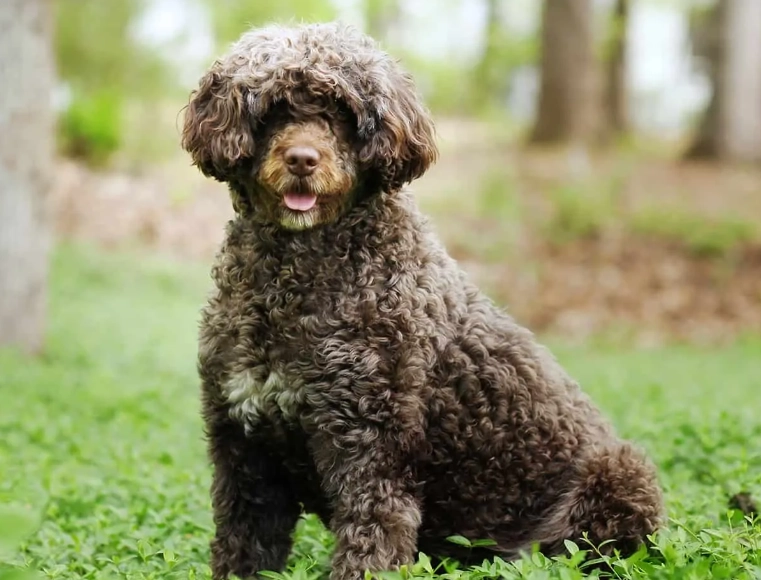
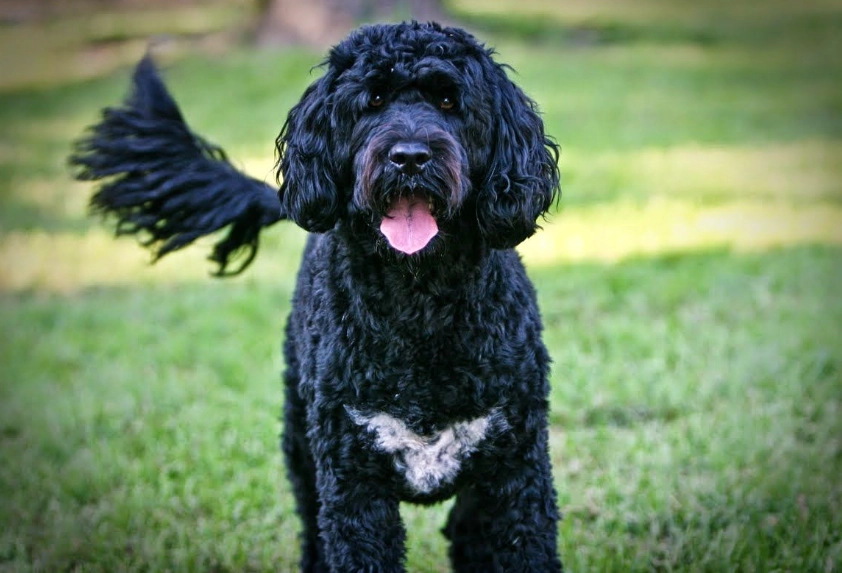
Let's talk about the Portuguese Water Dog. You've probably seen pictures—that curly or wavy coat, the bright, intelligent eyes, the look of a dog ready for action. Maybe you remember one famous Portuguese Water Dog living in the White House. But there's so much more to this breed than being a presidential pup. I remember the first time I met one at a local dock. It wasn't just fetching a stick from the water; it was diving under the surface, coming up with the toy, shaking off with gusto, and immediately looking for the next command. The owner, a fisherman's descendant, laughed and said, "They don't just like water; they need it like we need air." That stuck with me. This isn't a casual swimmer. This is a working dog bred for a specific, demanding job alongside Portuguese fishermen for centuries. Their history is literally woven into the nets and boats of the Algarve coast. So, if you're here wondering if a Portuguese Water Dog is the right fit for your life, you're asking the right question. They're incredible companions, but they're not for everyone. This guide isn't just a list of facts. We're going to dig into the real, day-to-day life with a PWD, the joys, the messy parts, the grooming sessions that feel like a part-time job, and the unmatched loyalty you get in return. You can't understand the Portuguese Water Dog without understanding why they exist. This isn't a breed created for looks in a show ring. Every single trait was honed for survival and utility on the rough Atlantic. For centuries, they served as an indispensable crew member on fishing boats from Portugal to Iceland. Their jobs were varied and vital: By the mid-20th century, with modern fishing technology, the breed nearly vanished. It was saved by a handful of dedicated fanciers, including a wealthy Portuguese businessman, Vasco Bensaude, and later American enthusiasts. The breed was officially recognized by the American Kennel Club (AKC) in 1984. The AKC's breed standard still reflects those working origins, emphasizing a "strong, substantially built" dog capable of a full day's work. That working-dog DNA is the key to everything that comes next. Okay, let's describe the classic Portuguese Water Dog look. They're a medium-sized, robust dog, giving an impression of strength and stamina. Males typically stand 20 to 23 inches at the shoulder and weigh 42 to 60 pounds, while females are 17 to 21 inches and 35 to 50 pounds. It's a solid, muscular build—no delicate bones here. The coat is, of course, the signature feature. It comes in two acceptable types: Colors are black, white, or various shades of brown (from chocolate to liver). They can be solid or parti-colored (white combined with black or brown). The brown Portuguese Water Dogs, in particular, have gorgeous, sometimes amber-colored eyes that are just stunning. Then there's the iconic clip. Historically, the "Lion Clip" was practical: the rear half of the body, muzzle, and the base of the tail were clipped short to aid swimming and reduce drag, while the front half, chest, and tip of the tail were left in a full coat for warmth and buoyancy in cold water. Today, the more common "Retriever Clip" leaves the coat at a uniform length (about 1 inch) all over the body, which is more practical for a modern pet. But seeing a Portuguese Water Dog in a full lion clip is a real nod to its history. This is where people either fall completely in love or realize it's not the right match. The Portuguese Water Dog temperament is a powerful combination. They are famously intelligent, affectionate, and eager to please. They form incredibly strong bonds with their families and want to be involved in everything you do. I mean everything—from cooking to gardening to working at your desk. That intelligence is a double-edged sword. A bored Portuguese Water Dog is a creative Portuguese Water Dog, and their creativity often involves redecorating your home with couch stuffing or figuring out how to open the pantry. They need mental stimulation as much as physical exercise. They are typically great with children, sturdy and playful, but their high energy can knock over a toddler. Supervision is always key. They are often aloof with strangers, which makes them decent watchdogs—they'll bark to alert you—but they are not naturally aggressive. Early and ongoing socialization is non-negotiable to ensure they are confident and well-mannered. Their energy level is high. This is not a couch potato breed. A couple of walks a day won't cut it. They need vigorous activity: long hikes, running alongside a bike, advanced obedience or agility training, or, best of all, regular swimming sessions. If you're not an active person, this breed will make you one, or you'll both be miserable. Let's be brutally honest about Portuguese Water Dog grooming. The "hypoallergenic" label is a major draw because they shed very little. But that doesn't mean no maintenance—it means the hair that would shed gets trapped in their dense coat and mats into felt-like tangles if you don't remove it. You're looking at a thorough brushing session at least every other day, and daily is better. You'll need a high-quality slicker brush and a metal comb to get to the skin. The coat also grows continuously, so a professional trim every 4-8 weeks is standard. Many owners learn to do this themselves to save cost. The Portuguese Water Dog Club of America (PWDCA) has excellent resources on proper grooming techniques. Here’s a quick breakdown of the grooming toolkit and schedule: Is it a lot? Yes. Is it worth it for a clean, mat-free, handsome dog and less hair on your furniture? For the right person, absolutely. Training a Portuguese Water Dog is usually a joy because they are so smart and want to work with you. They excel in obedience, agility, dock diving, rally, and even service dog work. Use positive reinforcement methods—treats, praise, play. They are sensitive and don't respond well to harsh corrections. Start training and socialization the day you bring your puppy home. Expose them to different people, places, sounds, and other animals. Basic commands are just the beginning. Teach them tricks, play hide-and-seek with toys, use puzzle feeders. Mental exercise tires them out as much as a long run. For physical exercise, think beyond the walk. They need to run, jump, and swim. A securely fenced yard is highly recommended, but it's not a substitute for engaged activity with you. A tired Portuguese Water Dog is a happy, well-behaved Portuguese Water Dog. Feed a high-quality commercial or carefully formulated homemade diet appropriate for their age, size, and activity level. An active adult Portuguese Water Dog may need 2 to 3 cups of food per day, split into two meals to prevent bloat, a serious condition to which deep-chested breeds are prone. Avoid vigorous exercise right before and after eating. Always consult your vet for specific recommendations. Responsible breeders test their dogs to screen for genetic health issues. The PWDCA strongly recommends health testing. When looking for a puppy, ask for proof of health clearances from the Orthopedic Foundation for Animals (OFA) or similar organizations. Common health concerns in the breed include: You can check a dog's health clearances on the OFA website. A good breeder will be transparent about this. The life expectancy of a Portuguese Water Dog is typically 11 to 13 years. This is a big decision. A puppy from a responsible breeder is a significant investment, often ranging from $2,500 to $4,000 or more. That price should reflect extensive health testing, proper care for the puppies and dam, and the breeder's support for the life of the dog. Red flags in a breeder: They always have puppies available, sell multiple litters at once, won't let you visit the home, don't ask you questions, have no health clearances, or offer to ship the puppy without meeting you. Consider adoption. Breed-specific rescues, like those affiliated with the PWDCA, occasionally have Portuguese Water Dogs or mixes needing homes. These are often wonderful dogs whose circumstances changed, not dogs with problems. Adopting an adult can also give you a clearer picture of their personality and grooming needs. So, who is the ideal Portuguese Water Dog owner? It's an active person or family who views a dog as a true partner in adventure. Someone who doesn't mind a shadow following them everywhere. A person who sees grooming not as a chore, but as a bonding ritual. Someone with a sense of humor for their occasional goofiness and the patience for their brilliant, sometimes stubborn mind. If you want a low-energy dog to lounge with, look elsewhere. If you're not prepared for the financial and time commitment of grooming, this isn't your breed. If you travel constantly and can't include your dog, a Portuguese Water Dog will struggle. Do your homework. Talk to breeders, talk to owners, meet the dogs. Visit a dog show or a PWDCA event. Immerse yourself in the community. Bringing a Portuguese Water Dog into your life is a big decision, but for the right person, it's one of the most rewarding bonds you can imagine.Quick Navigation
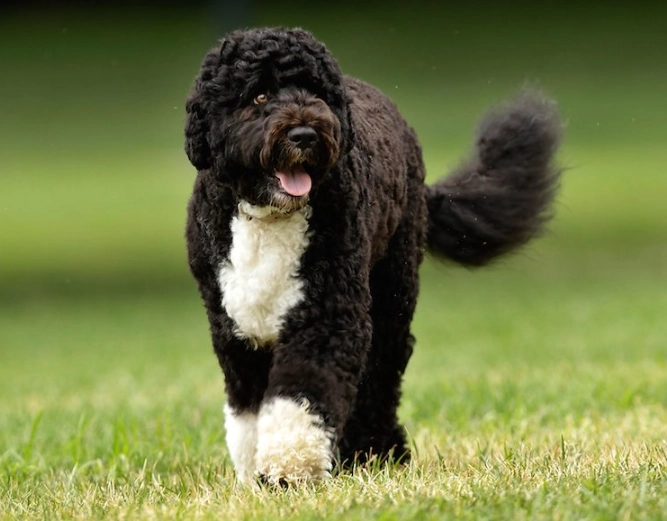
From Fishing Boat to Family Room: A Breed Forged by the Sea
What Does a Portuguese Water Dog Look Like? More Than Just a Curly Coat
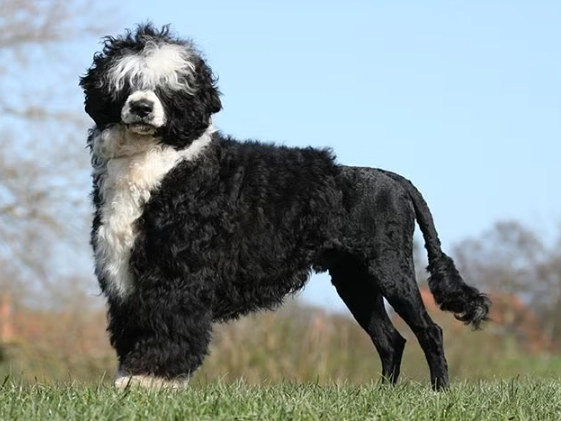
The Wavy Coat: Softer in texture, falling in gentle waves with a slight sheen. It's less dense than the curly coat but can tangle more easily on the ends, requiring consistent attention.The Portuguese Water Dog Personality: A Thinker and a Doer
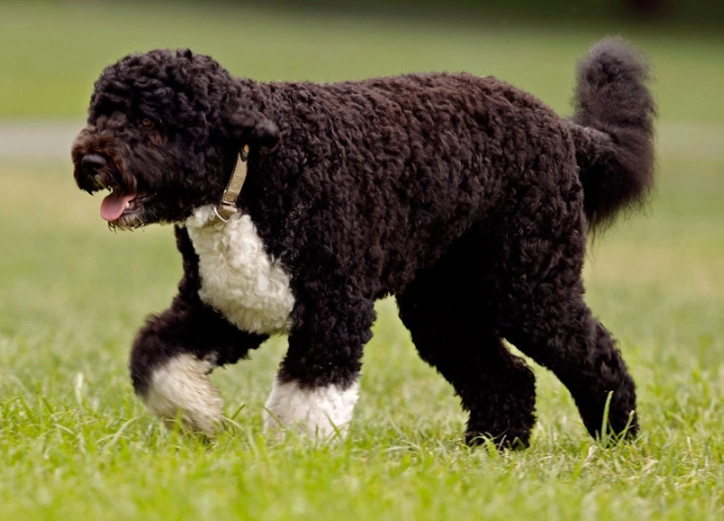
Living With a PWD: The Nitty-Gritty of Care
The Grooming Reality (It's a Commitment)
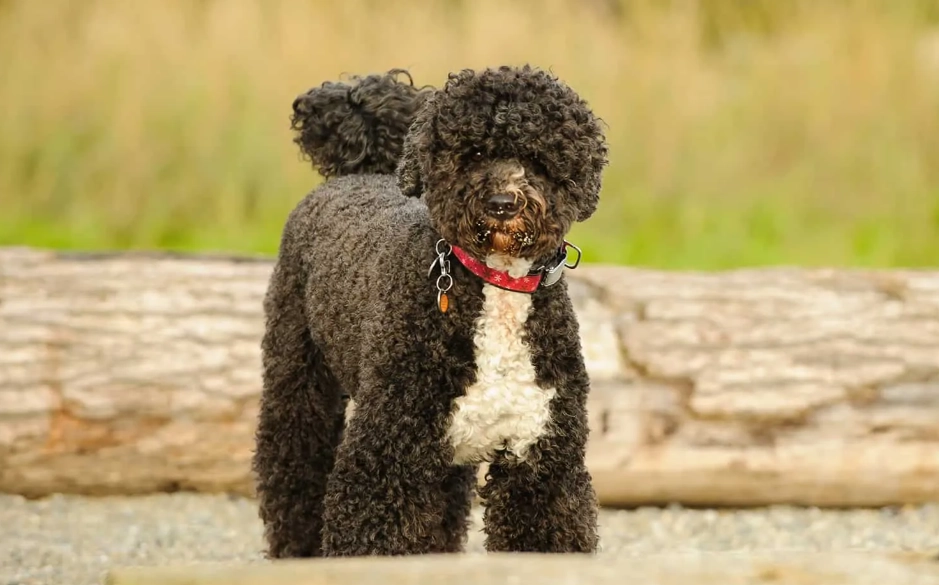
Tool / Task
Purpose
Recommended Frequency
Slicker Brush
To break up tangles and remove loose hair from the undercoat.
Every 1-2 days
Metal Comb
To check for and work out any remaining mats, especially close to the skin.
After every brushing session
Professional Grooming
Full bath, blow-dry, and haircut (Retriever or Lion Clip).
Every 4-8 weeks
Ear Cleaning
Their floppy ears can trap moisture, leading to infections.
Weekly
Nail Trimming
To prevent overgrowth and discomfort.
Every 2-3 weeks
Exercise and Training: Channeling the Energy
Diet and Nutrition
Portuguese Water Dog Health: What to Watch For
Finding Your Portuguese Water Dog: Breeder vs. Rescue
Your Portuguese Water Dog Questions, Answered
The Final Splash: Is a Portuguese Water Dog Right for You?
But if you want a loyal, hilarious, energetic companion who will push you to be more active, who will learn your routines and try to help (even if their "help" involves stealing socks), and who will greet you with unbridled joy every single time you come home, then a Portuguese Water Dog might just be your perfect match.
The Curly Coat: Compact, cylindrical curls with a slight sheen. It's dense and feels, well, like a thick carpet of curls. This coat tends to be lower maintenance in terms of daily brushing but can mat close to the skin if neglected.
A Personal Note on the "Velcro" Trait: The loyalty is intense. My friend's PWD follows her from room to room. If a door is closed, he'll lie down and sigh dramatically outside it. This clinginess can tip into separation anxiety if not managed from puppyhood. Crate training and teaching them to be alone for reasonable periods is absolutely critical. They are a "pack" dog in the truest sense.
Q: Are Portuguese Water Dogs really hypoallergenic?
A: No dog is 100% hypoallergenic. Allergens come from dander (dead skin flakes), saliva, and urine, not just hair. However, because Portuguese Water Dogs have a single coat that sheds minimally and requires frequent brushing/bathing, they tend to spread less dander around the home than heavy-shedding breeds. They are often a good choice for people with mild to moderate allergies, but spending time with one first is essential.
Q: How much shedding can I expect?
A: Very, very little visible shedding. The loose hair gets caught in their coat, which is why you have to brush it out. You won't find tumbleweeds of fur under your furniture, but you will find hair in your brush.
Q: Are they good apartment dogs?
A: It's possible, but challenging. A Portuguese Water Dog can live in an apartment if and only if you are fiercely committed to providing multiple long, vigorous exercise sessions outside every single day. They need space to romp. A house with a yard is generally a better fit.
Q: Can they be left alone during the workday?
A: An adult Portuguese Water Dog, properly trained and exercised, can typically handle a standard 8-hour workday alone. However, puppies cannot. They need to be let out every few hours. For any PWD, leaving them alone for 10+ hours regularly is a recipe for anxiety and destructive behavior. Dog walkers or doggy daycare are great options.
Q: Do they get along with other pets?
A: Generally, yes, especially with early socialization. They can do well with other dogs and cats if raised with them. Their herding instinct might make them want to chase smaller animals, so introductions should be controlled.
Comment