Look, I get it. You've seen the wrinkly face, the big doe eyes, the little curly tail. Pugs are everywhere – in movies, on social media, in your neighbor's arms looking like a perfect, snorting little loaf. It's easy to fall in love with the idea of a pug. I did too, years ago, before my friend got one and I saw the reality behind the Instagram filter. This isn't meant to scare you off. My friend's pug, Frank, is a hilarious, loving little guy who brings her immense joy. But bringing home a pug is a 15-year commitment to a creature with some very specific, and sometimes challenging, needs. The goal here isn't to sell you on a pug or talk you out of it. It's to give you the full, unvarnished picture that a lot of breed overviews gloss over. Because that cute face comes with a unique set of instructions (and potential vet bills). Forget the stereotype of the pug as a permanent couch potato. Sure, they enjoy a good nap – who doesn't? – but there's more going on behind those expressive eyes. The American Kennel Club describes the pug perfectly as "even-tempered, charming, mischievous, and loving." That "mischievous" part is key. They're clowns. They want to make you laugh. Frank, for instance, has a habit of stealing socks, not to destroy them, but to parade around with them in his mouth until you notice and give chase. It's his favorite game. They're incredibly social, often described as "shadows" because they'll follow you from room to room just to be near you. This can tip over into separation anxiety if they're not trained to handle being alone. And here's a thing people don't mention enough: they can be stubborn. You might call it "selective hearing." When Frank decides he's done with his walk, he'll just... sit. No amount of coaxing works. You either pick him up or wait him out. Training a pug requires patience and really good treats. Positive reinforcement is the only way to go; they completely shut down if you're harsh. Alright, let's talk about the most important part. This is where you need to pay close attention. The pug's iconic flat face (brachycephalic skull) is the root cause of most of their serious health issues. It's not just a cute look; it's a physical deformity that affects their entire respiratory system. A 2022 study by The Royal Veterinary College in the UK made headlines for a reason. It found that brachycephalic dogs, including pugs, have significantly poorer health compared to other dogs. The researchers concluded that the pug's overall health is so distinct from typical dog health that it can "no longer be considered a typical dog from a health perspective." That's a stark warning from science, not just opinion. The umbrella term for this is Brachycephalic Obstructive Airway Syndrome (BOAS). It's not just one problem, but a combination of several: What does this look like in daily life for a pug? Loud, labored breathing, even at rest. Snoring that could rival a lumberjack. Inability to exercise or play for long without getting dangerously out of breath. They overheat extremely easily because they can't pant effectively to cool down. A hot day can be life-threatening. Frank can't even handle a 15-minute walk in 75-degree (24°C) weather without starting to struggle. Unfortunately, the list doesn't end with BOAS. Their unique build predisposes them to other problems. Responsible pug owners need to be vigilant about: Look, it's a lot. I'm not sugar-coating it. When my friend lists Frank's monthly care – wrinkle wipes, eye drops, special food, insurance – it adds up. But she knew what she was getting into because she did her homework. If you're still committed to getting a pug after understanding the health landscape, your next step is critical. Where you get your pug from matters more than with almost any other breed. A good, ethical breeder is not someone selling puppies online with no questions asked. Their goal should be improving the breed's health, not just making money. Here’s what to demand: Expect to be on a waitlist. Expect to pay a premium. A well-bred pug from health-tested lines is expensive because responsible breeding is expensive. Pug rescues are overflowing. Why? Because people get them without understanding the needs, and the dogs end up surrendered when the snoring gets old or the first big vet bill arrives. Rescuing a pug is an incredible act. You can find pugs of all ages in rescue. Older pugs are often calmer and their personality (and health issues) are already known. Rescues are typically upfront about any medical conditions, and the adoption fee is far less than a breeder's price. Organizations like Pug Rescue of New England or your local breed-specific rescue are great places to start. Be prepared for an adoption application just as thorough as a breeder's. My two cents? If you're a first-time pug owner, a rescue that fosters their dogs can be a goldmine of support. The foster family knows the dog's quirks, potty habits, and health needs intimately and can give you the real scoop, not just a sales pitch. Okay, let's say Frank (or your chosen pug) comes home. What does your day-to-day actually look like? You must be the food police. Pugs will eat anything, anytime, and then look at you like they're starving. Obesity makes every single one of their health problems worse. Measure their food precisely. Limit treats. Feed a high-quality diet appropriate for their age and activity level (which is low). Your vet is your best guide here. A lean pug should have a slight waist when you look down at them. Forget long runs. Think short, sniffy walks in the cool morning or evening. Mental stimulation is just as important. Puzzle toys, training sessions for 5 minutes, hide-and-seek with treats in the house – these tire out their brains without taxing their lungs. In hot or humid weather, walks are a no-go. Indoor play is the only safe option. That smooth coat is deceptive. They shed constantly. A weekly brush with a rubber grooming mitt or a deshedding tool helps control the fur tumbleweeds. Baths every 4-6 weeks with a gentle shampoo. But the daily must-do is the wrinkle cleaning. Use a cotton pad or soft cloth, get into that nose fold and any other wrinkles, and dry it completely. Leaving it damp is asking for a stinky, painful infection. Nail trims and ear cleaning round out the routine. Start early. Socialize them with different people, dogs, and environments when they're young (after they have their vaccinations). Basic obedience is a must for safety. "Leave it" is a great command for a dog that wants to eat everything off the sidewalk. Remember the stubbornness? Keep training sessions fun, short, and rewarding. The biggest training focus for a pug? Teaching them to be okay alone. Start with minutes, then gradually increase time. Give them a special toy (like a stuffed Kong) only when you leave. Crate training can give them a safe den, but never use it as punishment. After all this, the question isn't "Is the pug a good dog?" They are wonderful, funny, loving companions. The question is, "Are you the right human for a pug?" You might be if: You're home a lot, you live in a temperate climate or are vigilant about heat, you have a stable budget that includes premium food and pet insurance (seriously, the AVMA recommends considering it), you're patient, and you're committed to a daily care routine that goes beyond just filling a food bowl. You should probably reconsider if: You want an athletic hiking buddy, you live somewhere very hot, your budget is tight, you travel frequently and can't take your dog, or you're looking for a low-shedding, "easy" pet. Look at Frank, snoring on the couch right now, his little legs twitching as he dreams. My friend wouldn't trade him for the world. But she went in with her eyes wide open, knowing about the snores, the vet visits, the stubborn streaks, and the wrinkle-cleaning marathons. She loved the whole package. If you can love the whole package – the hilarious, snorting, shedding, stubborn, deeply affectionate, and medically complex package – then a pug might just be your perfect, imperfect soulmate. Do the research. Meet some in person. Talk to owners and vets. And then decide. That little face is counting on you to make the right call.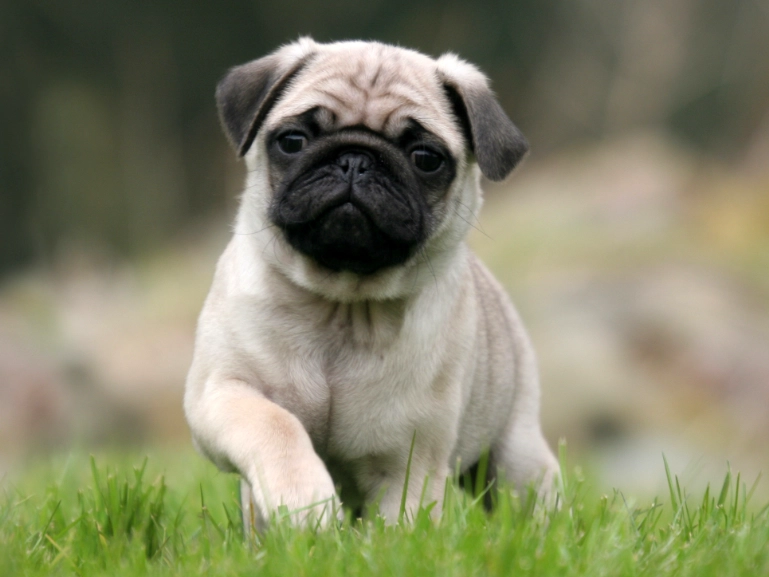
In This Guide
What's the Deal with the Pug Personality? It's Not All Laziness.
The Good Stuff (The Pros)
The Tough Stuff (The Cons)
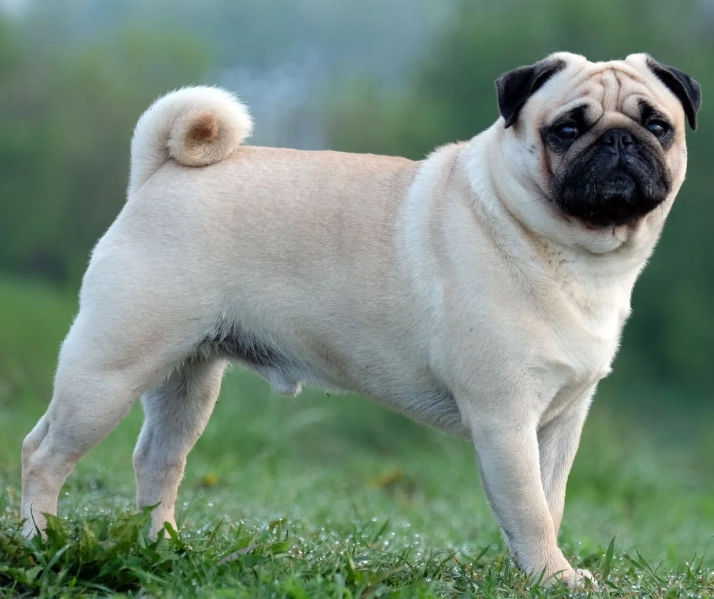
The Elephant in the Room: Pug Health Problems (Especially BOAS)
Beyond Breathing: Other Common Pug Health Issues
Health Issue
What It Is
Prevention/Care Tips
Eye Problems
Their large, protruding eyes are easily injured. They're prone to dry eye (keratoconjunctivitis sicca), corneal ulcers, and a painful condition where the eyelid rolls inward (entropion).
Daily eye checks. Keep their face clean. Use vet-prescribed eye lubricants. Avoid rough play near their face.
Skin & Wrinkle Infections
Those adorable wrinkles are dark, moist traps for bacteria and yeast. The deep fold over the nose is a prime spot.
Non-negotiable: Clean and dry the wrinkles every single day with a soft cloth and a vet-approved wipe. Keep them bone-dry.
Hip Dysplasia
A malformation of the hip joint that can lead to arthritis and pain, even in small dogs.
Keep your pug at a lean, healthy weight. Provide joint supplements (ask your vet). Avoid letting them jump off high furniture.
Pug Dog Encephalitis (PDE)
A severe, fatal inflammatory brain disease that is unique to pugs and a few other breeds. There is no cure.
There is no known prevention. Be aware of the symptoms (seizures, circling, blindness) and seek immediate veterinary neurological care.
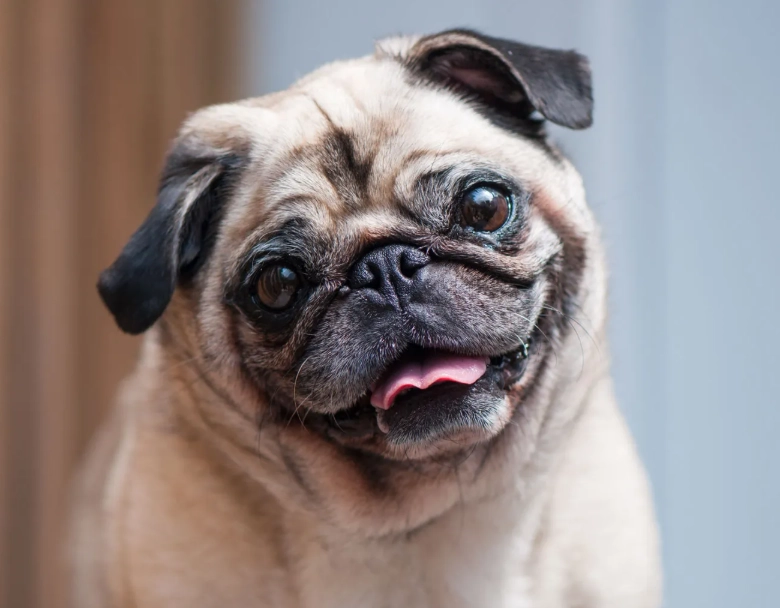
Finding Your Pug: Breeder vs. Rescue (A Moral & Practical Choice)
Going the Breeder Route: How to Not Get Scammed
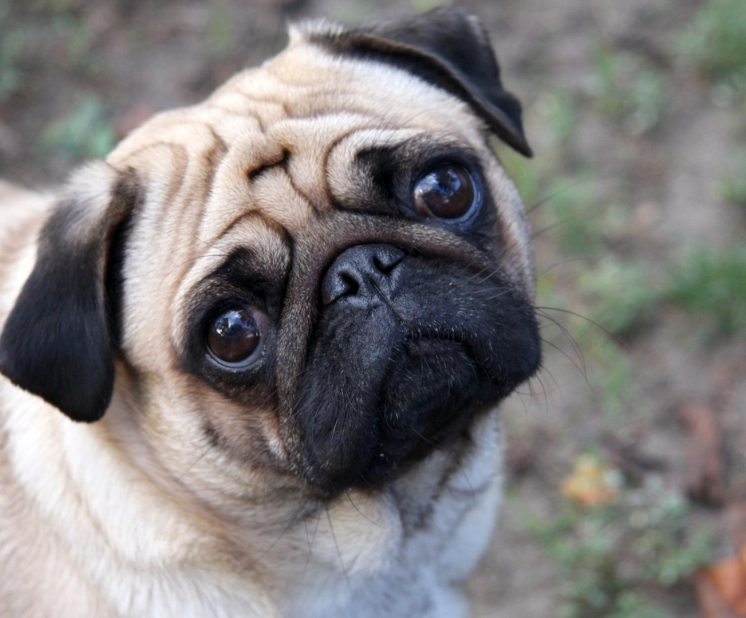
The Rescue Alternative: A Noble (and Needed) Option
Daily Life with a Pug: The Nitty-Gritty Care Guide
Feeding & Weight Management
Exercise: It's About Quality, Not Quantity
Grooming: More Than Just a Bath
Training & Socialization
Your Pug Questions, Answered Honestly.
The Final Word: Is a Pug Right for YOU?
Let's be real: owning any dog is a big deal. But with a pug, you're signing up for a very particular experience.
Which brings us to the single most important decision you'll make...
Are pugs good with kids?
Generally, yes. They are playful and sturdy enough for gentle kids. But supervision is always key. Teach kids not to poke their eyes or pull their tails. Also, a pug's grumpy side can come out if they're woken up suddenly or bothered while eating, so boundaries are important.
Are pugs good for first-time dog owners?
This is tricky. Their affectionate nature and size are beginner-friendly. However, their significant health burdens are not. A first-time owner might not recognize the early signs of breathing distress or an eye ulcer. If you're a diligent, research-focused first-timer who is financially prepared for potential vet costs, it's possible. But there are easier "first dogs" out there.
How long do pugs live?
The average is 12-15 years. But this is highly dependent on genetics and the quality of care they receive. A pug from poor breeding lines that becomes obese may have a much shorter, more difficult life. A well-bred, well-cared-for pug can live a long, happy life.
Do pugs smell?
They can. The source is usually one of three things: infected skin folds (if not cleaned), dental disease (bad breath), or anal gland issues. Regular grooming, daily wrinkle care, good dental hygiene (brushing teeth, dental chews), and a healthy diet keep the "pug smell" at bay.
Are pugs high maintenance?
Let's break it down. Exercise-wise: Low. Grooming-wise: Medium-High (because of the daily wrinkle care and shedding). Health-wise: Very High. So overall, yes, I'd put them in the higher maintenance category compared to many other breeds because their care is non-negotiable and specialized.
It all comes down to informed consent.
Comment