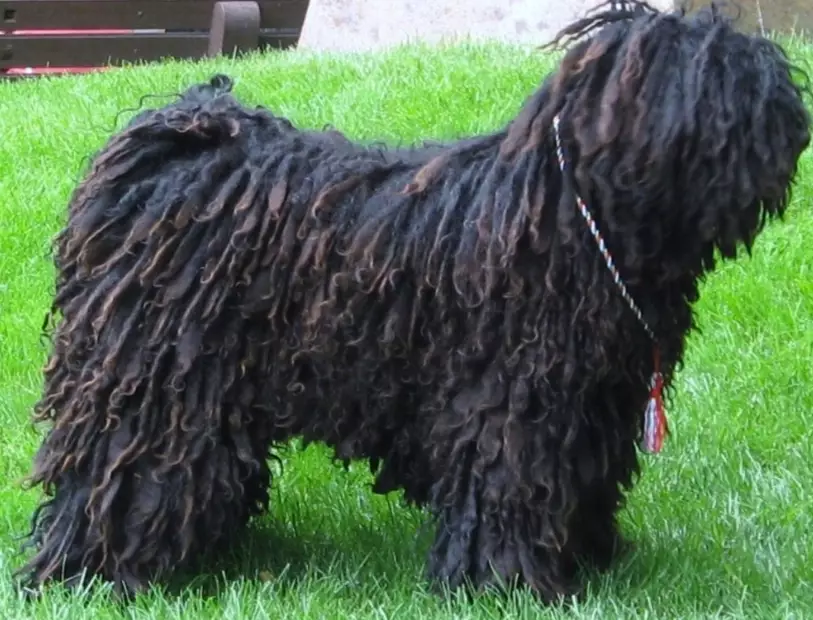
Let's be honest, the first time you see a Puli, you do a double-take. Is that a walking mop? A dreadlocked sheep? An unusually agile floor cleaner? Nope, that's a Hungarian Puli, one of the most visually striking and historically fascinating herding dogs on the planet. I remember seeing one at a dog show years ago, and I couldn't look away. It wasn't just the coat—though that's the headliner—it was the way it moved with this bouncing, confident energy, like a cheerful, self-aware tumbleweed on a mission. But behind that iconic corded coat lies a dog with a rich history, a sharp mind, and a set of needs that are anything but low-maintenance. If you're just smitten by the look and dreaming of a unique companion, pump the brakes for a second. Owning a Puli is a commitment, a lifestyle choice akin to adopting a very smart, very hairy toddler with springs for legs. This guide isn't just a fluffy overview. We're going to dig into the nitty-gritty: the good, the bad, the utterly time-consuming, and the incredibly rewarding aspects of life with a Puli. From untangling the myths about their care to understanding their quirky personality, consider this your no-BS manual. The Puli's story isn't a recent fad. This breed has roots that sink deep into the soil of the Hungarian plains, going back over a thousand years. Most historians agree they came to the Carpathian Basin with the Magyar tribes, the nomadic people who settled what is now Hungary. Their job was clear and critical: herd and guard livestock, primarily sheep. Think about the vast Puszta grasslands. A shepherd needed a dog that could be seen from a distance, withstand harsh weather, think independently, and work all day. The Puli's coat was its all-weather gear—the cords provided insulation against bitter cold and blistering heat, and yes, even some protection from wolf bites. For centuries, the Puli was a working farmer's dog, not a showpiece. Their intelligence wasn't bred for tricks but for survival and utility. They developed a unique herding style, often climbing on the backs of sheep to get a better view and direction, a behavior you might still see glimpses of in play today. The American Kennel Club officially recognized the breed in 1936, which helped standardize its look and bring it to a wider audience beyond Hungarian shepherds. It's crucial to remember this working-dog heritage because it explains everything about the modern Puli's energy and brainpower. Okay, let's describe the Puli beyond "mop-like." According to the official American Kennel Club breed standard, the Puli is a medium-sized dog, muscular and square-proportioned. Males stand about 17 inches at the shoulder, females a bit smaller. But let's be real, the coat adds significant visual bulk. The coat is where the magic and the madness lie. It's a double coat. The undercoat is soft, woolly, and dense. The outer coat is wavy or curly and coarser. As the puppy coat is shed, the two layers intertwine to form the trademark cords or dreadlocks. This process isn't instant; it starts around 8-10 months and can take years to fully mature. The cords, if left to grow, can eventually reach the ground. The breed standard accepts a few colors: rusty black, black, all shades of gray, and white. Interestingly, a black Puli might have gray or silver cords as it ages, which looks stunning. Beyond the fur, you'll find a lively, expressive face with dark, almond-shaped eyes that peer out from the fringe. Their ears are V-shaped and fold over, often hidden by the cords. Their tail curls over the back, also covered in cords. The overall impression should be one of a brisk, agile, and intelligent dog—not a clumsy pile of hair. This is the big one. The section that makes or breaks most potential Puli owners. Let's dismantle the biggest myth first: Pulis are not low-maintenance because they don't shed. This is a dangerous half-truth. Yes, they don't shed loose hair all over your couch. Instead, the shed hair gets trapped in the cords. If you ignore it, those cords will mat into a solid, felted, smelly, and painful mass close to the skin. This is neglect, and it's cruel. Proper cord maintenance is non-negotiable. So, what does "proper" mean? It's not just bathing. Bathing a corded Puli is an event. It can take hours for the coat to fully dry—we're talking 12-24 hours or more. If you don't get it completely dry to the skin, you risk mildew and skin infections. Most owners use high-velocity dryers in a well-ventilated space. The real work is separating the cords. As new hair grows and shed hair is trapped, cords want to join together at the roots. You must manually, with your fingers, pull them apart from the skin outward. This is called "cording" or "separating." It's a weekly task that can take an hour or more. It's meditative for some, a chore for others. Some owners opt for a "puppy cut"—clipping the cords short. This is hugely controversial in the Puli purist world, as the cords are the breed's hallmark. But from a practical welfare standpoint, if the choice is between a short, healthy, happy Puli and a long-corded, miserable, matted one, the choice is clear. If you go this route, you commit to frequent clipping, and the texture of the coat will change, often becoming softer and fluffier. It's a valid choice for a pet home, but discuss it with a breeder or groomer who knows the breed. Strip away the cords, and you have the mind of a shepherd. Pulis are famously loyal and form intensely strong bonds with their family. They are often reserved or aloof with strangers, making them excellent, naturally suspicious watchdogs. Don't expect a golden retriever's instant friendship with every visitor. My friend's Puli would place himself between her and any new guest, not aggressive, just… observant. It took a few visits before he decided you were okay. They are smart. Scary smart. This isn't a dog that will blindly obey. They are problem-solvers. This means they get bored easily. A bored Puli is a destructive Puli. They will find their own entertainment, and you won't like it—chewing, digging, barking, herding your children or cats. They need a job. Every day. This intelligence makes them highly trainable, but not in a robotic way. They respond best to positive reinforcement, consistency, and short, engaging sessions. They excel in dog sports that challenge their brains and bodies: agility, obedience, rally, herding trials, and nose work. Without an outlet, their energy turns inward or against your furniture. They have a unique sense of humor and a playful side that can be downright goofy. That famous bouncing gait? It's pure joy. They can be vocal, using barks, grumbles, and unique "yodels" to communicate. With their family, they are affectionate and often velcro dogs, wanting to be near you, preferably in the same room. So, does a Puli fit into your life? Let's break it down into a practical table. This isn't theoretical; it's what you'll actually deal with. See what I mean? It's a lot. The Puli is not a casual pet. They are a hobby, a project, a partner in activity. If that table excites you, you might be on the right track. If it makes you sweat, this is probably not your breed, and that's perfectly okay. Better to know now. A well-bred Puli is generally a robust dog with a lifespan of 10-15 years. But like all purebreds, they have predispositions to certain conditions. Responsible breeders screen their breeding stock to minimize these risks. The Orthopedic Foundation for Animals (OFA) and similar databases are where you can check for health clearances. Here are the main health concerns to discuss with a breeder: The dense coat also means you have to be vigilant about parasites. Fleas and ticks can hide easily. A thorough, regular check during grooming sessions is part of the routine. I knew an owner who found a tick nestled deep in a cord—it took some careful probing to find it. Getting a Puli puppy is a whole different ball game. That adorable fluffball won't have cords yet. Its coat will be soft, wavy, and surprisingly high-maintenance even then. You must start training and socializing immediately. Expose them to everything: different people, surfaces, sounds, other animals (safely). A poorly socialized Puli can become fearful or overly protective. Puppyhood is also when you start the grooming habituation. Get them used to being handled, having their paws touched, ears checked, and being on a grooming table. Make it positive with treats and praise. The cords will start forming later, and if the puppy is already comfortable with the process, your life will be much easier. Adopting an adult Puli from a breed rescue can be a wonderful option. You might skip the puppy chaos and get a dog whose personality and grooming needs are already established. Rescue organizations like the Puli Club of America's Rescue Network work to rehome Pulis in need. An adult dog can be a perfect fit, especially if you're not up for the 2-year puppy/adolescent phase. People often confuse the Puli with the Komondor. Both are Hungarian corded livestock guardians. But they are vastly different. The Komondor is a livestock guardian dog (LGD). They are massive (over 100 lbs), independent, bred to stay with the flock and make decisions to protect against predators without human guidance. They are generally more serious, less playful, and can be more challenging to train due to their independent nature. The Puli is a herding dog. Smaller, agile, bred to work in partnership with the shepherd, taking commands to move the flock. They are more biddable, energetic, and "attached" to their human. Don't get a Komondor thinking it's just a bigger Puli. It's a different universe of dog ownership. Other corded breeds include the Bergamasco Sheepdog (whose coat forms flat "flocks" rather than round cords) and the Spanish Water Dog (whose cords are often clipped). Each has a unique history and temperament. Look, the Puli is an incredible dog. They are loyal, funny, smart, and truly one-of-a-kind. But they are a breed that demands to be the center of your active, engaged world. They are not a background pet. You might be a good match for a Puli if: You should probably look at another breed if: Do your homework. Talk to multiple breeders. Talk to owners. Meet the dogs. The decision to bring a Puli into your life shouldn't be based on a cute photo. It should be based on a clear-eyed understanding of the joyful, hairy, energetic, and demanding reality. If you're up for it, you'll have a companion like no other. A living piece of history that bounces.Quick Navigation
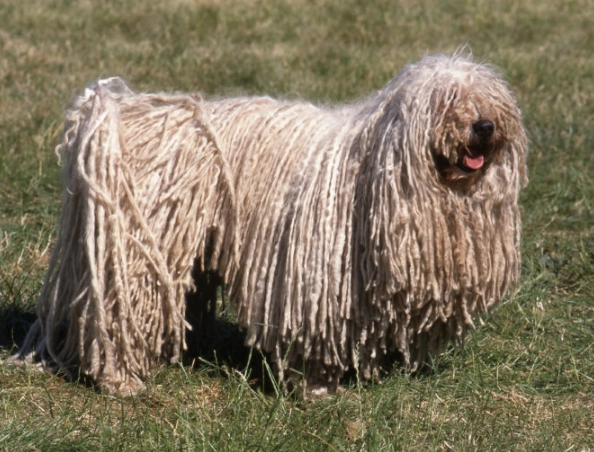
Where Did This Mop Come From? The Puli's History
Puli 101: Breed Standard and Looks
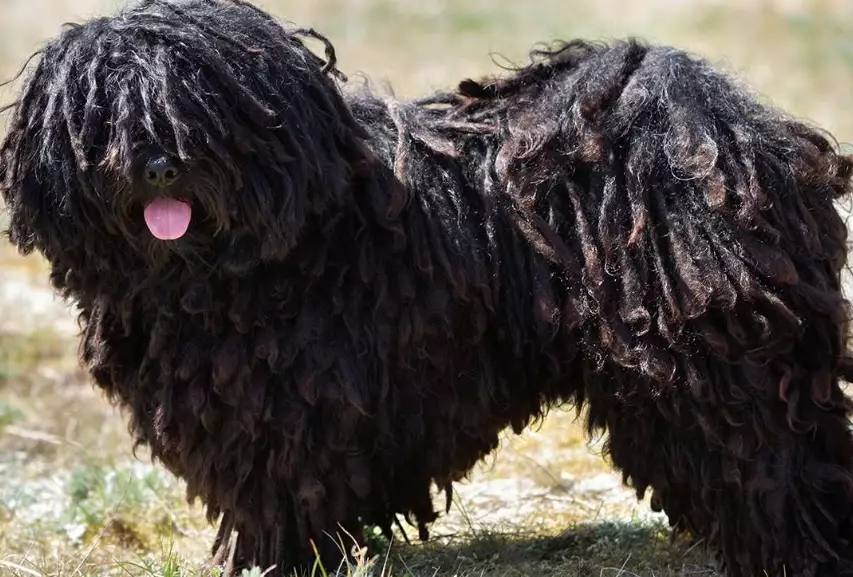
The Cord Care Chronicles: Grooming a Puli
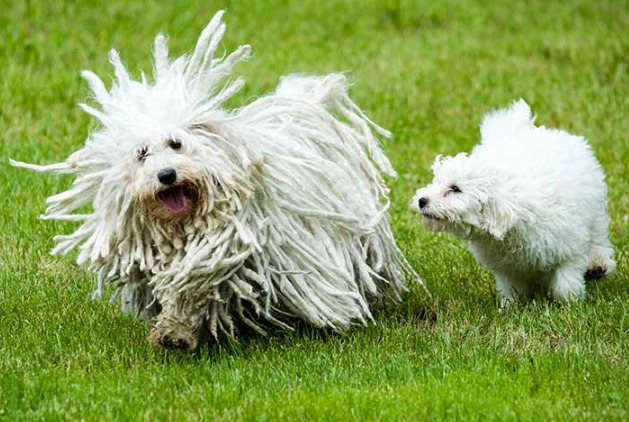
What's It Like Inside the Mop? Puli Temperament
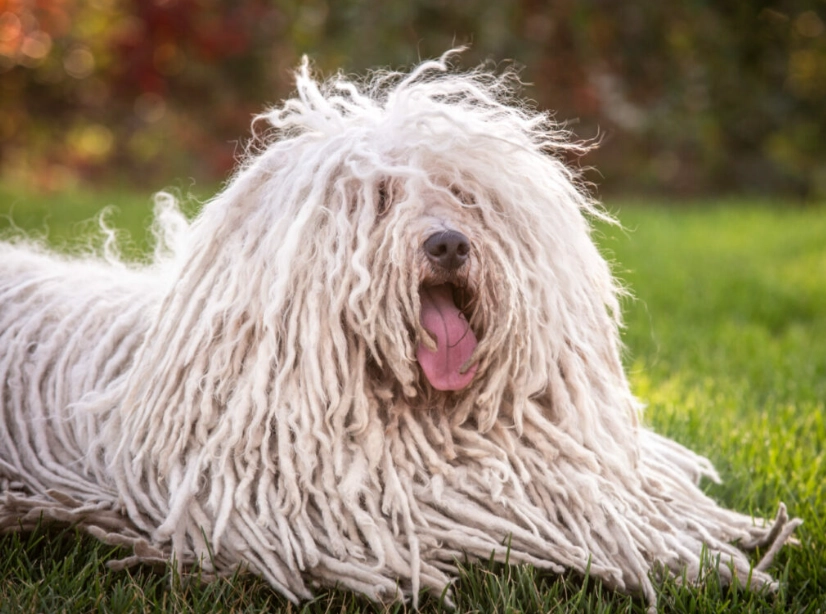
Living With a Puli: The Daily Reality
Aspect
Puli Reality
Consideration
Exercise
High. At least 60-90 minutes of vigorous activity daily. Not just a walk.
Can you provide running, hiking, playing fetch, or structured sport training every single day, rain or shine?
Mental Stimulation
Very High. More important than physical exercise.
Puzzle toys, training new tricks, scent games, and sports are mandatory to prevent boredom.
Grooming Time
Very High. Weekly cord separation (1-2 hrs). Bathing/Drying (half-day event).
This is a fixed, non-negotiable weekly appointment. Can you schedule it consistently?
Family Life
Good with respectful older children. Can try to herd small kids or pets.
Supervision is key. Their herding instinct may involve nudging or nipping at heels.
Apartment Living
Possible, but challenging.
Only if you are fanatical about providing sufficient physical and mental exercise outside the home.
Climate
Surprisingly adaptable.
The coat insulates against cold AND heat. But in extreme heat, exercise must be limited to cool times of day.
Alone Time
Does not tolerate long periods alone well.
Prone to separation anxiety and boredom barking if left for many hours regularly.
Health and Lifespan: Keeping Your Puli Healthy
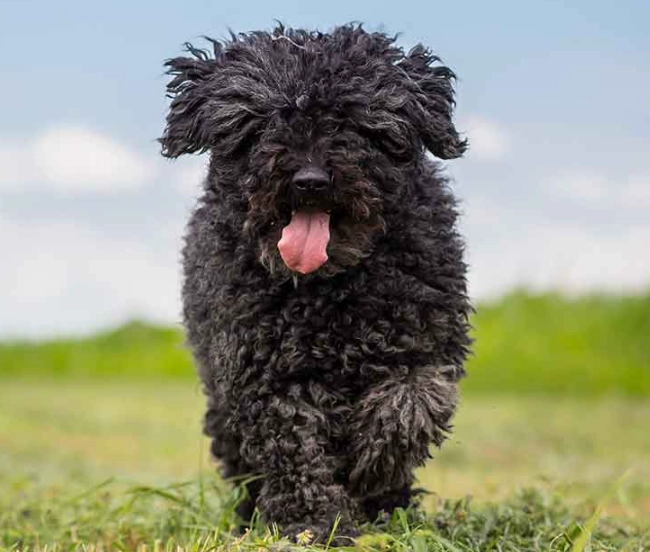
Puli Puppy vs. Adult: What to Expect
Puli vs. The Look-Alikes: Komondor and Others
Your Puli Questions, Answered (FAQ)
Final Thoughts: Is the Puli Right For You?
- You lead an active, outdoor-oriented lifestyle.
- You enjoy training and mental games with your dog.
- You have the time and patience for meticulous, weekly grooming (or the budget for a professional groomer who knows cords).
- You want a loyal, watchful companion who bonds deeply.
- You appreciate uniqueness and don't mind constant questions from strangers about your dog's hair.
- You want a low-maintenance, easy-going dog.
- You are gone for long workdays regularly.
- You are a first-time dog owner.
- The idea of a multi-hour grooming session every month fills you with dread.
- You want a dog that loves every stranger instantly.
Bottom Line Up Front: The Puli is an ancient, intelligent, and energetic herding breed from Hungary. Their most famous feature is their dense, corded coat that forms naturally. They are loyal, agile, and make excellent watchdogs, but they require immense mental stimulation, consistent training, and a dedicated grooming regimen. They are not a breed for first-time dog owners or those short on time.
Personal Opinion/Gripe: I've talked to Puli owners who love the grooming ritual. They find it a bonding experience. I've also talked to overwhelmed owners who admitted they were utterly unprepared for the time sink. One told me, "It's like having a part-time job that you can't quit." Be brutally honest with yourself about your commitment level. A neglected Puli coat is a welfare issue.
It's a commitment. A beautiful, hairy, bouncing commitment.
Are Pulis hypoallergenic?
This is tricky. No dog is 100% hypoallergenic. Allergies are usually to dander (skin flakes) and saliva, not just hair. Because Pulis don't shed much loose hair and dander can get trapped in the cords, they may be better for some allergy sufferers. However, the grooming process itself can release a lot of dander into the air. If you have allergies, spend extensive time with several adult Pulis before deciding.
How much does a Puli puppy cost?
From a reputable, health-testing breeder, expect $2,000 to $3,500 or more. The price reflects the health screenings, care for the dam and litter, early socialization, and the breeder's investment in preserving the breed. Warning: Be extremely wary of breeders selling "rare" colors at a premium or who have multiple litters available constantly. A good breeder will interview you as much as you interview them.
Can I shave my Puli's cords off?
You can, but it's a big decision. Shaving to the skin can damage the hair follicles, and the coat may not grow back with the same corded texture. Many owners choose a "puppy cut" or "maintenance length" that keeps the cords short (a few inches) for manageability. It's a trade-off between the classic look and practicality. Always consult a groomer experienced with corded coats.
Do Pulis get along with other dogs and cats?
With proper socialization, they can. However, remember their herding instinct. They may try to herd cats or smaller dogs, which can be stressful for the other pet. They often do best with dogs of similar energy levels. Early, positive introductions are key. A Puli raised with a cat from puppyhood will usually be fine, but the cat must have escape routes from any enthusiastic herding attempts.
Comment