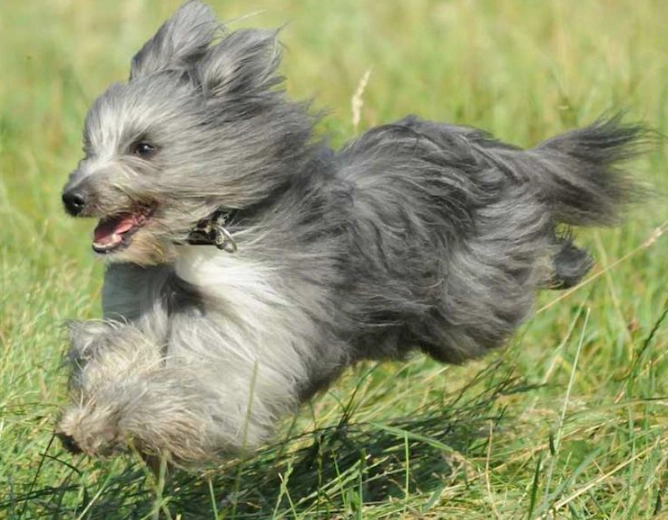
Let's be honest. You probably saw a picture of a Pyrenean Shepherd online – maybe that intelligent, alert face with those expressive eyes, or a video of one zipping around an agility course with impossible speed – and thought, "Wow, what a cool dog." I get it. I was there too. Years ago, I met one at a herding demonstration, and its intensity and connection with its handler were mesmerizing. But here's the thing they don't always tell you in the cute social media clips: living with a Pyr Shep is a full-time commitment, not just a hobby. This isn't a dog you get because it looks interesting; it's a dog you get because your lifestyle is a perfect match for its centuries-old instincts. Often called the "Pyrenees Shepherd" or "Petit Berger des Pyrénées," this breed is the small, lightning-fast counterpart to the giant Great Pyrenees. While the Great Pyrenees guarded the flock from wolves, the Pyrenean Shepherd was the one doing the actual herding, darting and nipping at the heels of sheep in the rugged mountains between France and Spain. That history is not just a fun fact; it's the blueprint for everything this dog is today: energetic, clever, independent, and utterly devoted to their job (which, in a modern home, becomes you and your daily routine). Before we dive into the nitty-gritty of daily life, let's set the stage. The Pyrenean Shepherd is a herding breed recognized by major kennel clubs like the American Kennel Club (AKC) and the Fédération Cynologique Internationale (FCI). They come in two coat varieties, which is a common point of confusion. This isn't just about aesthetics; the coat type can slightly influence grooming needs and even, some enthusiasts argue, a touch of temperament. I've spoken to owners of both types, and while all Pyr Sheps share the core breed personality, some rough-faced owners swear their dogs have a more "primitive" and independent streak, while smooth-faced owners sometimes describe a slightly more tractable dog. Take that with a grain of salt – individual personality and upbringing matter far more. Size-wise, they're small to medium. Males stand about 15-19 inches at the shoulder, females 15-18 inches. Weight is surprisingly light for their bone structure, typically 15-30 pounds. They're all muscle and sinew, built for endurance and sudden bursts of speed. This is where most people get it right or terribly wrong. Describing a Pyr Shep's temperament is like describing a tornado that can also solve complex puzzles. They are intensely loyal to their family, often forming a particularly strong bond with one person. With their inner circle, they can be affectionate, clownish, and deeply sensitive. They'll follow you from room to room, not out of neediness, but out of a herder's instinct to keep their "flock" together. With strangers, it's a different story. The Pyrenean Shepherd is naturally reserved, wary, and aloof. This is a guardian trait. They were bred to be suspicious of anything new approaching their flock. In your home, this translates to a dog that will not immediately welcome guests with wagging tails. They need time to assess and require proper, calm introductions from you. This is not a Golden Retriever. You cannot expect them to love everyone instantly, and forcing them to do so will cause stress. And then there's the intelligence. Oh, the intelligence. The Pyrenean Shepherd is frighteningly smart. They learn commands in a handful of repetitions. But that clever mind comes with an independent spirit. They were bred to make split-second decisions while herding sheep far away from their shepherd. This means they will think for themselves. They'll ask, "Why should I?" This isn't stubbornness in the way a Basset Hound is stubborn; it's a calculating, problem-solving mind. Training requires you to be smarter, more consistent, and more interesting than whatever distraction is across the street. This is a huge question for potential owners. The answer is: it depends entirely on the family. With older, respectful children who understand how to interact with dogs, a well-socialized Pyrenean Shepherd can be a wonderful, playful, and protective companion. They often see kids as part of their flock to watch over. However, their herding instinct is strong. They may try to herd running, squealing children by nipping at heels. This is not aggression; it's hardwired behavior. It must be redirected from day one through training. With toddlers or very young children, I'd be extremely cautious. The dog's high energy and potential for quick, nippy movements, combined with a small child's unpredictability, can be a risky mix. It places a massive responsibility on the parents to manage every interaction. As for other pets, early socialization is non-negotiable. They can do well with other dogs, especially if raised together, but their high-energy play style can overwhelm mellower breeds. With cats and small animals, their strong prey drive (another herding dog trait) can be triggered. It's not impossible, but it requires careful, controlled introductions and constant management. I know of a Pyr Shep who lives peacefully with two cats, but it was a months-long process of building positive associations. If you take away one section from this entire guide, let it be this one. Meeting the needs of a Pyrenean Shepherd is the single biggest factor in success or failure. A leisurely walk on a leash is barely a warm-up. This breed needs vigorous, heart-pumping exercise daily. We're talking 60-90 minutes minimum. This should be a mix of: Forget heavy-handed, repetitive methods. The Pyrenean Shepherd is sensitive and will shut down if treated harshly. They respond brilliantly to positive reinforcement—high-value treats, praise, play. Keep training sessions short, fun, and varied. They excel at clicker training. Focus on impulse control games ("leave it," "wait") from puppyhood. This helps manage their innate intensity. Recall training is absolutely critical, given their speed and potential distractibility by moving objects. It must be rock-solid, practiced daily, and always rewarded heavily. Socialization isn't just about meeting other dogs. It's about exposing them positively to all sorts of sights, sounds, surfaces, and people during their critical development period (before 16 weeks). The goal is to build their confidence so the world seems less scary and bark-worthy. Generally, the Pyrenean Shepherd is a healthy, robust breed with a lifespan of 15-17 years, sometimes even longer. They were bred for function in tough conditions. However, like all purebreds, they have some predispositions to be aware of. Reputable breeders test for these. According to the Pyrenean Shepherd Club of America, conditions to screen for include: Grooming is relatively straightforward. For the rough-faced variety, regular brushing is key to prevent painful mats. For the smooth-faced, a weekly brush suffices. Both types will have seasonal "blows" where they shed their undercoat more heavily. During those times, daily brushing is your friend. They are not a hypoallergenic breed. Baths are only needed every few months or when they get dirty (which, if you're exercising them properly, will be often). Don't forget dental care. Small breeds are prone to dental issues. Daily tooth brushing or using dental chews approved by the Veterinary Oral Health Council (VOHC) is a must. This is a crucial decision that impacts everything. Expect to be on a waiting list. Good breeders don't have litters often. They will interview you extensively – this is a good sign! They should provide health clearances for both parents (OFA/PennHIP for hips, patellas, eye exams from the Canine Eye Registration Foundation). They will ask you questions to see if you're a good fit. Visit the Pyrenean Shepherd Club of America website for a list of member breeders. A puppy from a responsible breeder is your best bet for a predictable temperament and health foundation. The cost typically ranges from $1,500 to $2,500. Pyrenean Shepherds do end up in rescue, often because someone underestimated their needs. Rescue organizations like those affiliated with the national club are fantastic resources. An adult dog's personality is already known, which can be a huge advantage. You might skip the intense puppy phase. However, be prepared to work through potential baggage like anxiety, poor socialization, or ingrained bad habits. It can be incredibly rewarding. The adoption fee is usually lower, ranging from $300 to $600. Let's get practical. Answer these questions honestly. If you answered "yes" to most of these, you might be a candidate. If several were "no," please consider a different breed. There's no shame in it; it's about finding the right match. Surprisingly, they can be, if their exercise needs are met exhaustively. An apartment forces you to be intentional about getting them out. The bigger issue in an apartment is their barking, which can quickly annoy neighbors. Excellent training and management are non-negotiable in close quarters. They are fast to train but not necessarily easy. They learn commands instantly, but their independent streak means reliability requires ongoing proofing in different environments. You're always training, not just for 8 weeks of puppy class. It's a gamble. With a high prey drive, some will never be safe with cats. Others, raised with them from puppyhood and with careful management, can coexist. Never leave them unsupervised together until you have years of proven trust. They are moderate shedders. They don't shed profusely year-round like a Husky, but they will have heavy shedding periods ("coat blows") once or twice a year where you'll be amazed at the amount of hair coming from such a small dog. Both are brilliant, high-energy herders. Borders are often more "handler-focused" and eager to please in a classical sense. Pyrenean Shepherds can be more "owner-centric" and primitive in their thinking. Borders might stare intently to herd; Pyr Sheps are more likely to use physical pressure (nipping). It's a subtle but real difference in style. The Pyrenean Shepherd is not for everyone. In fact, they're probably not for most people. They are demanding, vocal, sensitive, and intense. They will test your patience and your commitment to being an active, engaged dog owner. But if you are that person – if you want a dog that feels like a true partner, a dog whose intelligence constantly surprises you, a dog whose loyalty is absolute, and a dog that can keep up with any adventure – then the Pyrenean Shepherd offers a relationship like no other. They are not pets in the passive sense; they are active participants in your life. Do your homework. Talk to breeders, talk to rescue groups, talk to owners (find them on breed-specific forums or social media groups). Meet the dogs in person if you can. Go in with your eyes wide open, ready for the challenge and the immense reward. If you're the right fit, you'll gain a sliver of lightning, a furry genius, and a devoted friend for the next decade and a half. Just make sure your running shoes are ready.In This Guide
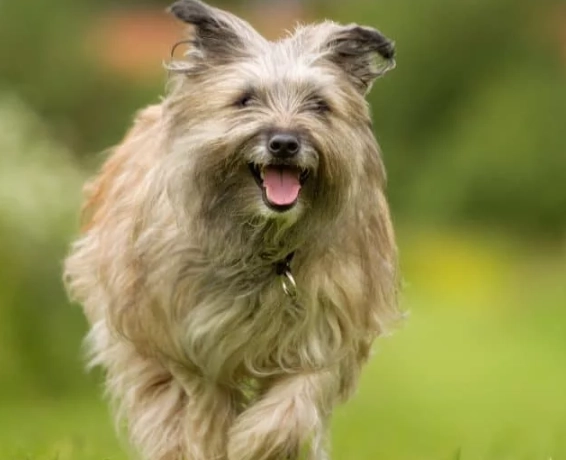
What Exactly Is a Pyrenean Shepherd? Breaking Down the Basics
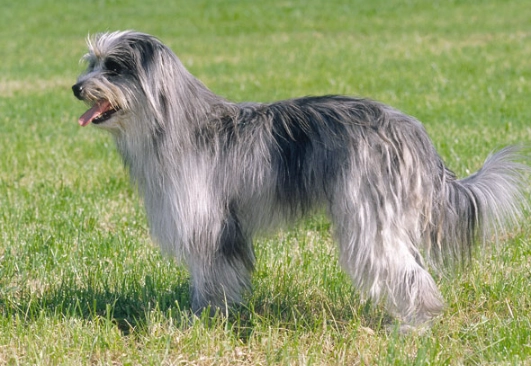
The Two Faces of the Breed: Rough-Faced and Smooth-Faced
Coat Type Description Grooming Focus Rough-Faced (Poil Long) This is the more common image. Longer, slightly wiry or wavy hair all over, often with a mischievous, tousled look. The hair on the face is longer, giving them a distinctive, almost bearded appearance. Requires regular brushing (2-3 times a week) to prevent mats, especially behind the ears and in the "feathers" on the legs. Not a constant shedder, but will have blow-out periods. Smooth-Faced (Poil Court) Shorter, finer hair over the body and head. The face is smooth, showing more of their elegant skull structure. They look more streamlined. Easier upkeep. A good weekly brush to remove dead hair is usually sufficient. They still shed seasonally. 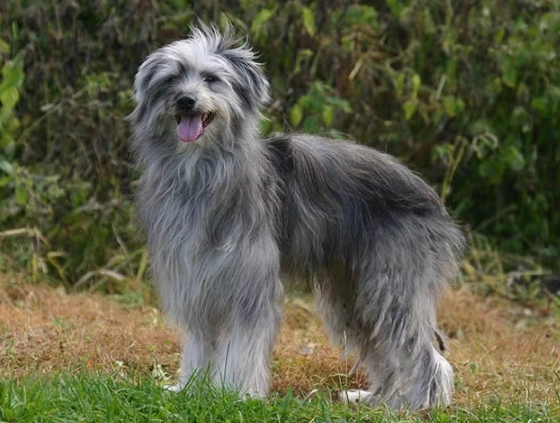
The Pyrenean Shepherd Temperament: A Bundle of Contradictions (and Brilliance)
Are They Good Family Dogs?
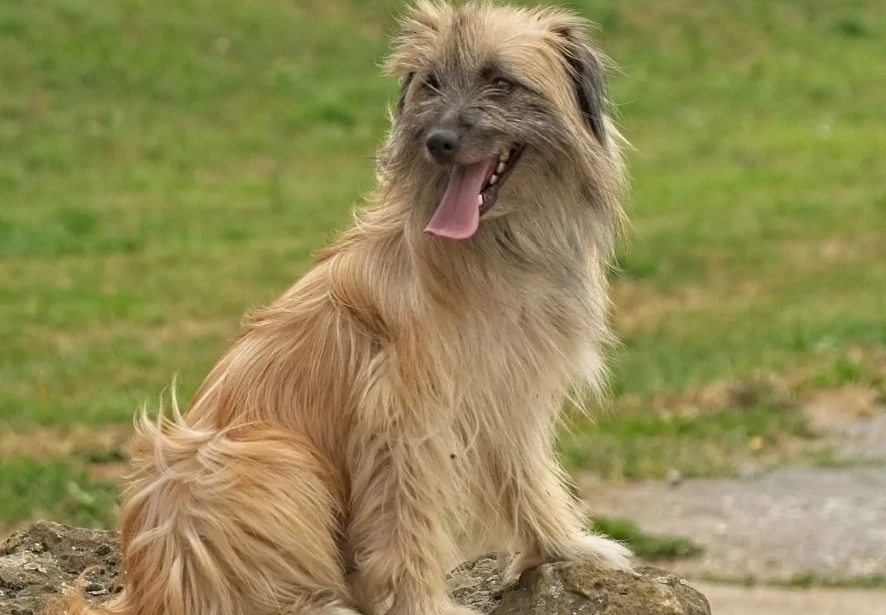
The Non-Negotiables: Exercise, Training, and Mental Stimulation
Physical Exercise: More Than a Walk
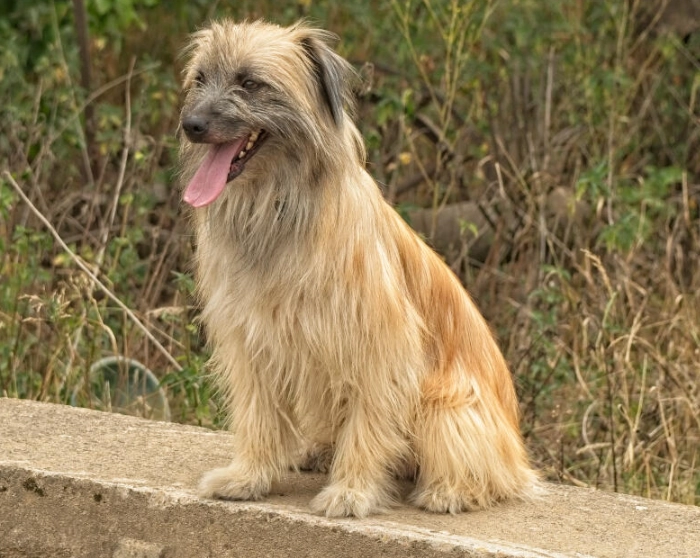
Training Philosophy: Be a Partner, Not a Dictator
Health and Grooming: What to Expect Long-Term
Finding a Pyrenean Shepherd: Breeder vs. Rescue
Going Through a Reputable Breeder
Adoption and Rescue
Your Lifestyle Checklist: Is a Pyr Shep Right For You?
Common Questions (The Stuff You Actually Google)
Are Pyrenean Shepherds good apartment dogs?
Are they easy to train?
How are they with cats?
Do they shed a lot?
What's the difference between a Pyrenean Shepherd and a Border Collie?
Final Thoughts: The Unvarnished Truth
Bottom Line Up Front: If you want a calm, low-maintenance couch companion who's happy with a short walk around the block, stop reading now. The Pyrenean Shepherd will frustrate you and likely develop behavioral issues. But if you're active, engaged, and looking for a canine partner for adventures, training, or dog sports, you might have just found your soulmate in a furry, energetic package.
That compact size hides a monumental amount of energy.
Serious Consideration: Their wariness can tip into reactivity or excessive barking if not properly socialized and managed. A bored or under-exercised Pyr Shep will often use its voice to herd anything that moves – kids, bikes, cars, leaves blowing in the wind. This is a major potential headache in suburban neighborhoods.
Pro Tip: Mental exercise tires a Pyrenean Shepherd out as much as, if sometimes more than, physical exercise. A 30-minute training session or a complex puzzle feeder can leave them content in a way a two-hour run sometimes doesn't.
A tired and mentally engaged Pyr Shep is a good Pyr Shep. It's that simple, and that hard.
Red Flag Alert: Avoid anyone who has multiple litters available, sells puppies under 8 weeks old, won't let you meet the mother, or cannot provide health clearances. These are likely puppy mills or backyard breeders, and you risk getting a dog with health and behavioral problems.
Comment