Let's be honest, you probably saw a picture of one of these pointy-eared, alert-looking dogs and got curious. Maybe a friend has one, or you stumbled upon them while researching "good apartment dogs." The name itself is a bit of a conversation starter, isn't it? I remember the first time I heard "Rat Terrier," I pictured something... well, less cute. Boy, was I wrong. The Rat Terrier is this fantastic little American breed that flies under the radar for a lot of people. They're not as ubiquitous as the French Bulldog or as instantly recognizable as the German Shepherd. But for the right person, they're an absolute gem of a companion. This isn't just another generic dog breed overview. I want to walk you through everything—the good, the challenging, and the downright delightful—about living with a Rat Terrier, based on chats with owners, breeder insights, and a deep dive into what makes them tick. Quick Snapshot: The Rat Terrier is a small to medium-sized, smooth-coated terrier originally bred for farm work (yes, including pest control). They're known for their intelligence, high energy, loyalty, and a surprisingly affectionate nature with their family. They're versatile, often described as a "big dog in a small dog's body." To understand a Rat Terrier, you gotta know where they came from. This isn't some ancient, mysterious lineage. Their story is deeply, uniquely American. In the 19th and early 20th centuries, farmers and immigrants needed a tough, versatile, all-purpose farm dog. Something that could clear barns of rats and rabbits (hence the name), help with hunting, sound the alarm, and still be a decent family dog. They were developed from a mix of several terriers (like the now-extinct Old English White Terrier, Fox Terriers, and later, Manchester Terriers) and likely some smaller hunting breeds like the Italian Greyhound or Whippet for speed. The goal was utility, not looks. The American Kennel Club (AKC) only fully recognized the breed in 2013, which is pretty recent in the dog world, but they've been a steadfast part of rural American life for over a century. The United Kennel Club (UKC) recognized them much earlier, back in 1999. You can read about their official breed standard on the American Kennel Club's Rat Terrier page, which details the ideal characteristics. This working-class background explains so much about their personality. They weren't bred to sit around looking pretty. They were bred to think, work, and be on the move. If you're looking for a couch potato that will cuddle 24/7, pause here. A Rat Terrier can be cuddly, but on their own terms and after their batteries have been sufficiently drained. Their temperament is a fascinating blend. They are intensely loyal and form incredibly strong bonds with their primary person or family. Many owners describe them as "velcro dogs"—they want to be where you are, involved in whatever you're doing. This can be endearing, but it also means they can be prone to separation anxiety if not taught early on that being alone is okay. They are smart. Sometimes too smart for their own good. This isn't just "oh, they can learn sit." This is problem-solving intelligence. They figure out how to open cupboards, remember where you hide the treats, and will outthink you if they're bored. A bored, intelligent Rat Terrier is a recipe for creative destruction (shoes, couch corners, you name it). Then there's the energy. They have a lot of it. It's not a frantic, yappy energy (usually), but a sustained, ready-for-action vibe. A couple of short walks won't cut it. They need mental stimulation just as much as physical exercise. A good game of fetch, a training session, or a puzzle toy is worth its weight in gold. What you'll likely love: Their devotion, their hilarious personalities (they're often quite clownish), their cleanliness (short coat, minimal doggy smell), and their adaptability. They can thrive in an apartment if exercised properly, and they're great travel companions. What might drive you nuts: Their stubborn streak (a classic terrier trait), their high prey drive (squirrels, cats, small fluffy things will trigger a chase), and their vocalizations. They aren't always constant barkers, but they are alert and will let you know about deliveries, strangers, or suspicious leaves blowing by. Some have a unique "aroo" howl they break out for excitement. I knew someone whose Rat Terrier would stare at a knot in the wooden fence for twenty minutes, waiting for the chipmunk on the other side to show itself. The focus was unreal. That's the prey drive in action. One of the first things people ask is, "How big do they get?" There's actually a range, which is part of the breed's history. Most people are familiar with the standard size. But you might also come across smaller variations. It's important to note that responsible breeding focuses on health and temperament, not just creating the tiniest dog possible. Their coat is short, smooth, and dense. It lies close to the body and is surprisingly easy to care for. The colors and patterns are where they get really fun. You'll see: And the ears! They're a defining feature. They are V-shaped, set at the outside edges of the skull, and can be carried erect, semi-erect, or even button (folded at the tip). An alert Rat Terrier with its ears perked up has an expression of keen intelligence that's hard to beat. This is the make-or-break point for most potential owners. A tired Rat Terrier is a good Rat Terrier. A pent-up one is a nightmare. We're talking 45-60 minutes of dedicated activity daily. This isn't just potty breaks. Training a Rat Terrier is rewarding but requires a specific approach. Forget heavy-handed methods. They are sensitive and will shut down or become stubborn if you're harsh. Use positive reinforcement. Treats, praise, play. They are highly food-motivated, which is a huge advantage. Keep sessions short, fun, and end on a positive note. Consistency is key. They will test boundaries, so you need to be clear and patient. Early socialization is non-negotiable. Expose your puppy positively to all sorts of people, dogs, sounds, and experiences. A well-socialized Rat Terrier is a confident, well-adjusted dog. One that isn't can become fearful or reactive, especially given their alert nature. Recall training is critical. That prey drive is strong. In an unfenced area, a reliable recall could save their life. This takes time and high-value rewards. Never trust them 100% off-leash in an unsecured area, no matter how good you think their recall is. This is a low-maintenance breed in the grooming department. A quick brush once a week with a rubber curry brush or a hound glove will remove loose hair and distribute skin oils. They shed, but it's manageable because the hairs are short. Bathe only when necessary (if they roll in something gross). Over-bathing can strip their natural oils. Trim nails regularly, check ears weekly for dirt or wax, and brush teeth several times a week for good dental hygiene. Overall, Rat Terriers are a robust, healthy breed with a lifespan of 12-18 years. That's a long commitment! Responsible breeders screen their breeding stock to minimize genetic issues. You should always ask for health clearances. Some conditions that can appear in the breed include: The Orthopedic Foundation for Animals (OFA) and organizations like the Rat Terrier Club of America maintain databases and recommend health tests for breeders. A good breeder will be transparent about these tests. People often confuse them with other terriers or small hunting dogs. Here's a quick, honest comparison. Don't just fall for the cute face. Ask yourself these questions. If you answered yes to most of these, you might be a great match. Do your homework. A good breeder's goal is to better the breed, not just sell puppies. They will: Avoid anyone who has multiple litters available, won't let you see where the dogs live, or seems primarily interested in a quick payment. The Rat Terrier Club of America's breeder referral is a solid place to start looking for ethical breeders. This can be a wonderful option. There are breed-specific rescues dedicated to Rat Terriers and mixes. An adult dog's personality is already known, which can be a plus. You might skip the puppy chaos and give a great dog a second chance. Be prepared for the rescue to have a thorough application process, including a home visit. They want to make sure it's the right fit. The Rat Terrier isn't a dog for everyone. They demand time, engagement, and an understanding of their terrier soul. They're not a decorative accessory. But if you're the right person—someone active, patient, looking for a smart, loyal, and endlessly entertaining partner in crime—you'll be hard-pressed to find a better breed. They give back tenfold the effort you put in. They're more than just ratters; they're heart-stealers with pointy ears and a boundless zest for life. Do your research, meet some in person if you can, and be brutally honest about your lifestyle. If it clicks, you might just find your perfect canine counterpart.Key Insights in This Guide
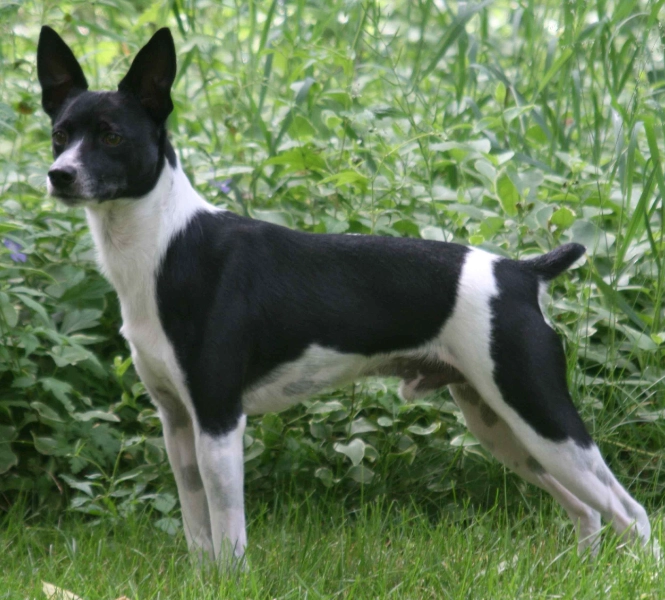
Where Did This Breed Even Come From?
The Rat Terrier Personality: Not Your Average Lapdog
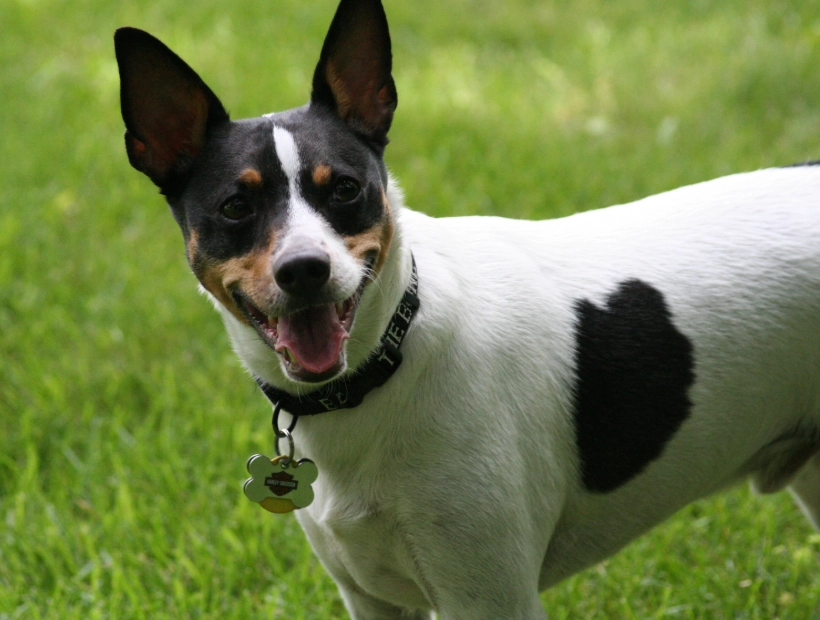
The Good, The Bad, The Terrier-ish
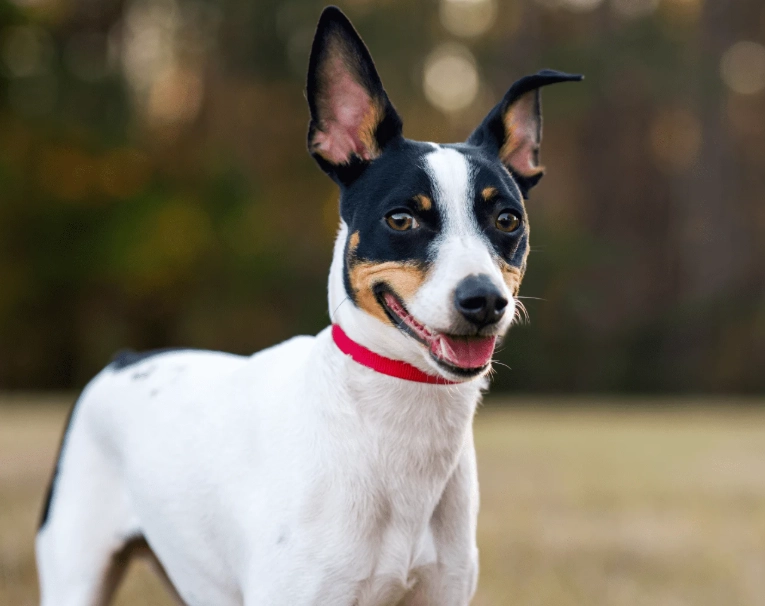
Rat Terrier Size, Looks, and Those Ears!
Variety Height (at shoulder) Weight Notes Standard / Medium 13 to 18 inches 12 to 35 pounds The most common size. A sturdy, proportional dog. Miniature 10 to 13 inches Under 12 pounds Recognized by some clubs. Should be a scaled-down version, not overly fragile. 
Living With a Rat Terrier: The Daily Grind
Exercise Needs: More Than You Think
Training: Be Smarter Than the Dog
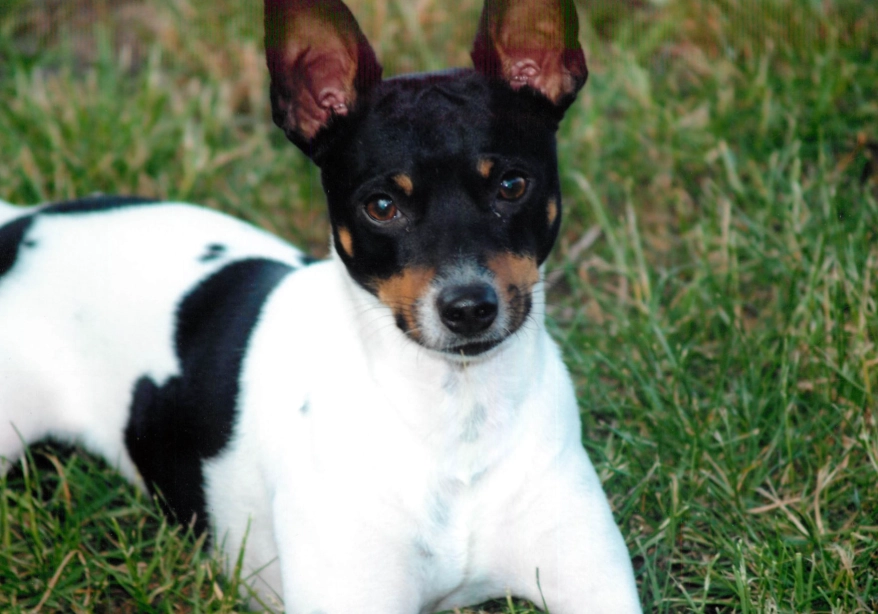
Grooming and Care: Surprisingly Easy
Rat Terrier Health: What to Watch For
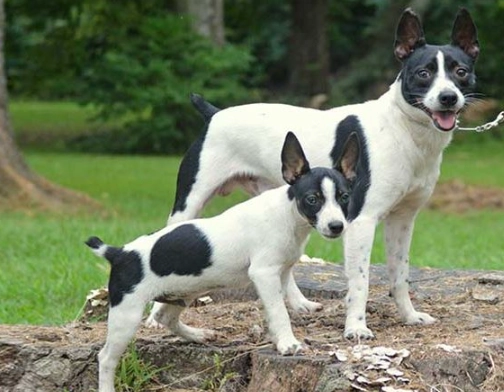
Rat Terrier vs. Other Similar Breeds
Breed Similarities Key Differences Jack Russell Terrier High energy, intelligence, prey drive, similar size range. JRTs are often more intense, more likely to be dog-aggressive, and have a higher, more frantic energy level. Rat Terriers are often described as having a slightly "softer" temperament and being more biddable. Miniature Pinscher Size, alertness, short coat. Min Pins are a toy breed, often more aloof with strangers, less "dog-like" in their working drive. They were bred as companions/ratters, not all-around farm dogs. Their build is more refined. Feist American hunting heritage, size, purpose. This is the closest relative. Many argue the Rat Terrier is a type of feist that was standardized. In general, feists are still primarily bred as squirrel-hunting dogs and may have even less standardization in looks and a sharper working focus. Is a Rat Terrier Right For You? The Honest Checklist
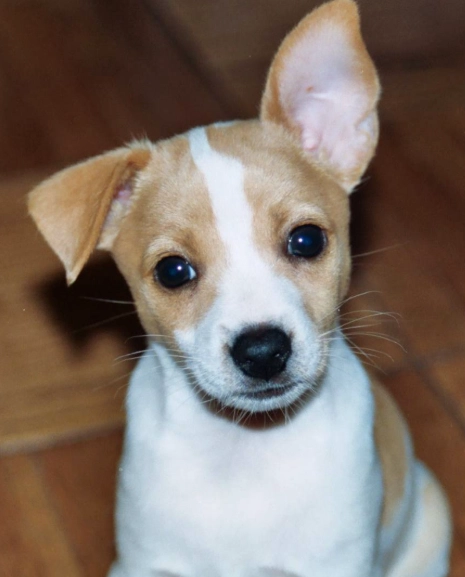
Finding Your Rat Terrier: Breeder vs. Rescue
Going Through a Breeder
Adopting from Rescue
The Final Word
If you lead an active life—hiking, running, exploring—a Rat Terrier will be your eager, indefatigable sidekick. If your idea of exercise is moving from the couch to the fridge, this is not your breed.
I've seen a Rat Terrier owner spend months on recall using the best chicken you can imagine. It worked 99% of the time. That 1% was when a rabbit shot across a trail. The dog was gone in a flash. Luckily, it was a safe area. It's a sobering reminder of their instincts.
Annual vet check-ups are your best defense for catching anything early.
Are Rat Terriers good with kids?
Generally, yes, with proper socialization and supervision. They are playful and sturdy. However, they may not tolerate rough handling from very young children. Always teach kids how to interact respectfully with any dog.
Are Rat Terriers aggressive?
They are not typically human-aggressive. They are alert and may be wary of strangers, making them good watchdogs. However, like many terriers, they can be dog-selective or have same-sex aggression. Early socialization is key to managing this tendency.
Can Rat Terriers be left alone?
They can, but not for excessively long periods (like a full 9-hour workday without a break). They bond closely and can develop separation anxiety. Crate training and gradually building up alone time from puppyhood is essential.
Do Rat Terriers bark a lot?
They are alert barkers. They'll bark at the doorbell, people passing by, or unusual noises. They aren't usually nuisance barkers without cause, but you'll need to train a "quiet" cue. Some are more vocal than others.
What do Rat Terriers eat?
A high-quality commercial or carefully prepared homemade diet appropriate for their age, size, and activity level. Because they are active, they often do well on formulas for active or working breeds. Watch calories if they start to get less exercise.
Comment