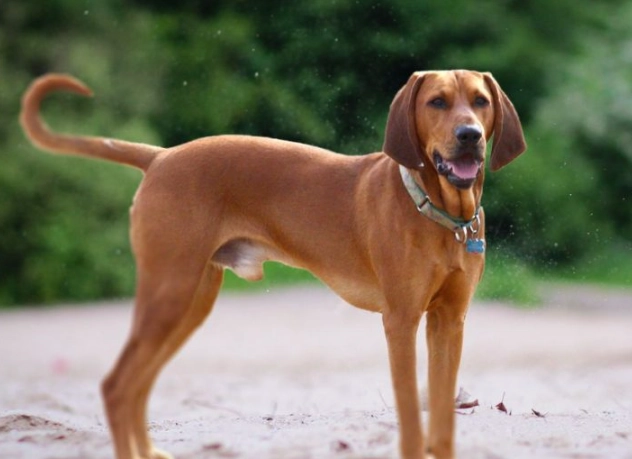
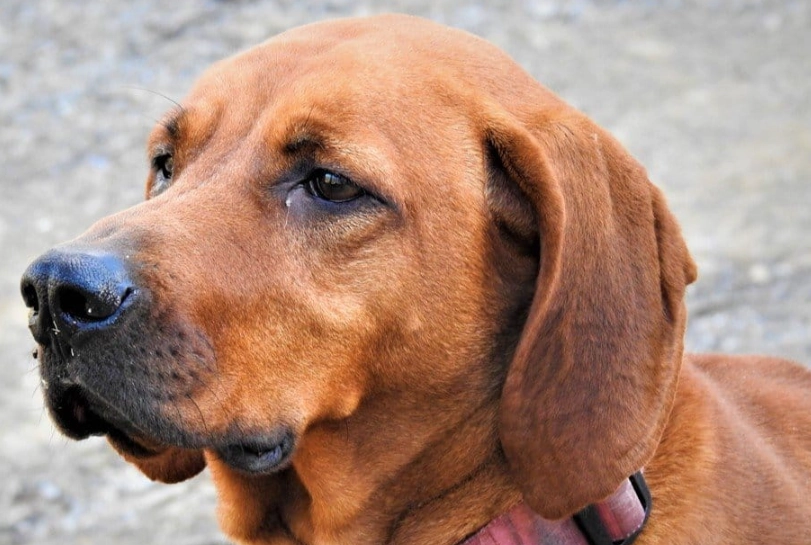
You know that feeling when you see a dog and just think, "wow, that's a *dog* dog"? That's the Redbone Coonhound for you. Sleek, solid, and radiating a kind of quiet, capable confidence. That rich, mahogany-red coat isn't just for show—it's a badge of a long, proud history. I remember the first time I met one at a friend's farm. It wasn't barking or jumping; it just stood there, gave me a once-over with those gentle, intelligent eyes, and then trotted off as if it had more important things to attend to. It left an impression. But here's the thing everyone wants to know: is a Redbone Coonhound the right dog for a normal, modern family life, or are they strictly a hunter's tool? The answer, like the dog itself, is nuanced. They're a bundle of contradictions—gentle yet tenacious, laid-back at home but relentless on a trail, deeply affectionate but with an independent streak a mile wide. If you're considering bringing one of these iconic American dogs into your home, you need the full, unvarnished picture. That's what we're here for. Forget the dry breed summaries. Let's talk about what it's actually like to live with a Redbone. Quick Snapshot: The Redbone Coonhound is a medium-to-large scenthound originally bred in the United States for tracking and treeing raccoons and other game. Known for its striking solid red coat, melodic bay, and unwavering determination in the field, it's also a devoted, gentle companion at home. They require significant daily exercise and mental stimulation, and their strong hunting instincts are non-negotiable. You can't really understand the Redbone without understanding where it came from. This isn't a breed designed in a lab for looks. It was forged by need in the 18th and 19th centuries. Settlers, particularly in the American South and the Appalachian region, needed a dog that could help put food on the table and manage pests. They started with Foxhounds and Bloodhounds brought from Europe—dogs with incredible noses and stamina. Through selective breeding for specific traits (like that solid red color, which made them easier to see in the dense woods at dusk), the Redbone began to take shape. The name itself is thought to come from an early breeder, Peter Redbone of Tennessee. The breed's development was practical above all else: they needed a dog that could work independently for hours, follow a cold trail, voice its progress with a loud, clear bay, and have the courage to "tree" its quarry and hold it there until the hunter arrived. The American Kennel Club officially recognized the Redbone Coonhound in 2009, but they've been a beloved fixture of American hunting culture for well over a century. They're one of six official coonhound breeds, each with its own specialty, but the Redbone's elegance and versatility have given it a special place in many hearts. You can dive deeper into their fascinating history on the American Kennel Club's Redbone Coonhound page, which is a fantastic resource for verified breed standards. Okay, let's get to the good stuff. The temperament. If I had to sum it up in one word, I'd say "affectionate." But that's too simple. At home, a well-exercised Redbone is often a couch potato. They form intense bonds with their family and are known for being gentle and tolerant with children. That famous hound dog expression—slightly sad, deeply soulful—melts away into pure goofy joy when they're playing. They're typically good-natured with other dogs, a legacy of having to work in packs. They're not guard dogs; they're more likely to greet an intruder with a wagging tail and a hopeful sniff for treats. Their intelligence is practical, not necessarily obedient. They can solve puzzles (like how to open the pantry door) with alarming speed if food is involved. Now for the reality check. That beautiful bay? It's loud. It carries. You will hear it, and so will your neighbors. It's not constant barking, but when they're excited or on a scent, they will use their voice. If you live in an apartment or have close neighbors, this is a deal-breaker. Seriously. Then there's the nose. The Redbone Coonhound lives in a world of smells. When that nose goes down, their ears turn off. Recall becomes a hopeful suggestion, not a command. This isn't stubbornness; it's a genetic imperative so strong it overrides almost everything else. Off-leash time in an unfenced area is a major risk. And that independence. They want to please you, but they also want to follow that fascinating trail. Training requires patience, consistency, and really high-value rewards. They get bored with endless repetition. See what I mean? Contradictions. But for the right person, the pros far outweigh the cons. It's all about managing expectations. Caring for a Redbone Coonhound isn't complicated, but it's non-negotiable in terms of time commitment. They are not a low-energy breed. Think of them as canine athletes with a day job as a couch snuggle. A 20-minute walk does nothing. They need at least 60-90 minutes of vigorous activity every single day. This isn't optional; it's the key to a well-behaved dog. This is the easy part. That short, sleek coat just needs a quick brush-down with a rubber grooming mitt or hound glove once a week to remove loose hair and distribute skin oils. They shed, but it's manageable. Baths only as needed. The big grooming focuses are: Overall, the Redbone Coonhound is a robust, healthy breed with a typical lifespan of 12-14 years. Responsible breeders screen their dogs to minimize genetic issues. When looking for a puppy, ask for health clearances from the Orthopedic Foundation for Animals (OFA) or similar organizations. Some conditions to be aware of include: My personal vet always says: "With active hounds, don't skimp on joint supplements as they age. A little glucosamine/chondroitin in their food from middle age onwards can make their senior years much more comfortable." It's a small investment for their long-term mobility. Training a Redbone is an exercise in patience and creative motivation. They are not blindly obedient like some working breeds. They ask, "Why should I?" You need a good answer, usually in the form of extra-stinky treats (think cheese, liver, hot dog bits), enthusiastic praise, or a fun game. Start early. Socialization is critical—expose your puppy to all sorts of people, places, sounds, and other dogs in a positive way. Obedience basics like sit, stay, and come are essential, but always practice in a secure area. That "come" command is a lifelong work in progress. Never punish them for coming to you, even if it took forever. Given their drive, many Redbone Coonhound owners find great success and bonding in getting involved in dog sports. It gives them a job. Besides Nose Work, consider: Don't just fall for the beautiful face. Ask yourself these questions honestly: If you answered yes to most of these, a Redbone might be your perfect match. If not, there's no shame in admitting it. This breed deserves an owner who understands and can meet its needs. If you're set on a puppy, do your homework. A good breeder health-tests their dogs, raises puppies in their home, asks you as many questions as you ask them, and is involved in the breed community (like the American Redbone Coonhound Association). They will have a waitlist. Avoid anyone who has multiple litters available or sells online without an interview. Please, please consider rescue. Coonhounds of all types, including Redbones, often end up in shelters or breed-specific rescues. They may be dogs whose hunting instincts didn't pan out, or whose families weren't prepared for their energy. Organizations like American Black & Tan Coonhound Rescue (which often helps other coonhound breeds) are great places to look. An adult dog's personality is already known, which can be a great fit. Living with a Redbone Coonhound is a commitment. It's early morning walks in the rain, it's reinforcing the fence for the third time, it's laughing at their goofy "howl-yawns," and it's feeling that warm, red head rest heavily and contentedly on your lap at the end of an active day. They are not a generic dog. They are a specific tool bred for a specific purpose, wrapped up in a package of unwavering loyalty and affection. If you can provide the outlet for their energy and instincts, you will gain a friend whose devotion is as deep and solid as their rich red color. If you can't, the dog will be frustrated, and so will you. Do your research. Meet some in person if you can. Talk to owners, talk to breeders, talk to rescuers. Make sure you're seeing the whole dog—the majestic hunter and the couch-loving clown. For the right person or active family, a Redbone Coonhound isn't just a pet; it's a rewarding, unforgettable partnership.Quick Navigation
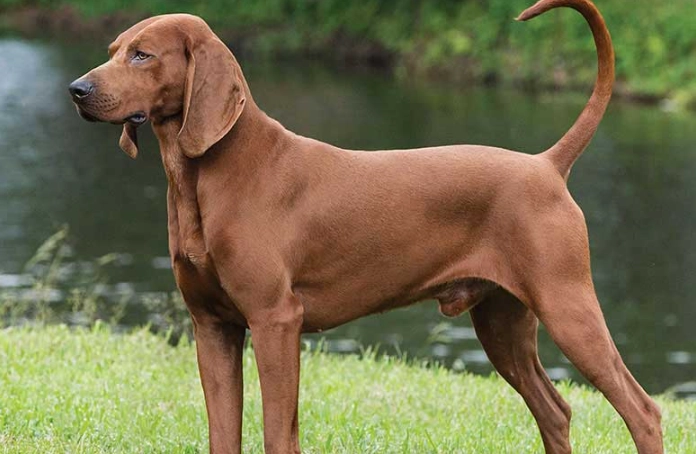
Where Did the Redbone Coonhound Come From? A Slice of American History
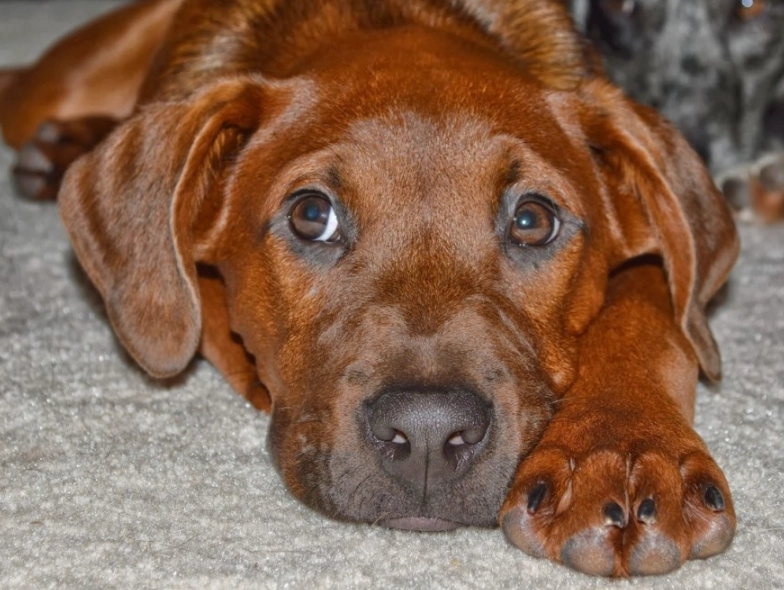
The Redbone Coonhound Personality: What's It Really Like to Live With One?
The Good (The Really, Really Good)
The Challenging (The Stuff Breeders Don't Always Emphasize Enough)
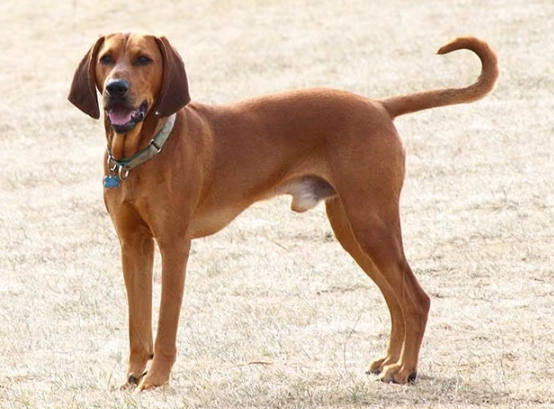
Redbone Coonhound: Pros vs. Cons at a Glance
Pros (The Reasons to Love Them)
Cons (The Challenges to Consider)
Extremely affectionate & gentle with family, great with kids.
Powerful, innate prey drive. Not safe with cats/small pets unless raised together, and even then, supervise.
Generally good-natured with other dogs.
Loud, distinctive bay. Can be problematic in close-quarters living.
Laid-back and quiet indoors when properly exercised.
Independent thinker. Can be stubborn, challenging to train for novices.
Low-maintenance grooming needs. That short coat is easy.
Prone to wandering. Scent-driven, poor off-leash recall. Needs secure fencing.
Healthy and hardy breed with a good lifespan for their size.
High exercise needs. A bored Redbone is a destructive Redbone.
Caring for Your Redbone: Exercise, Grooming, and That Famous Nose
Exercise: Not Just a Walk Around the Block
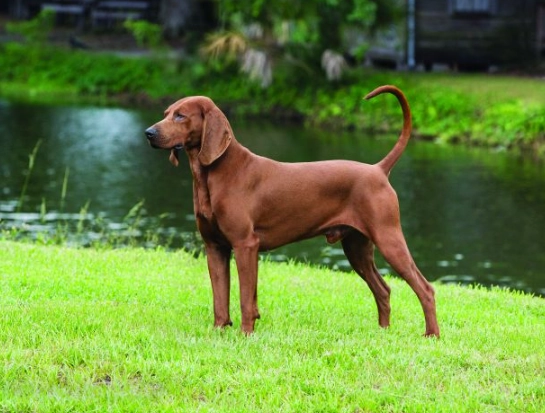
Grooming: Surprisingly Easy
Health and Lifespan: What to Watch For
Training Your Redbone Coonhound: Patience, Consistency, and Smelly Treats
Is a Redbone Coonhound Right For You? The Honest Checklist

Finding a Redbone Coonhound: Breeder vs. Rescue
Your Redbone Coonhound Questions, Answered
Final Thoughts
A tired Redbone is a happy Redbone. A bored Redbone will find its own fun, and you won't like it.
Are Redbone Coonhounds good apartment dogs?
Generally, no. It's not just the space; it's the noise. Their loud bay will travel through walls and disturb neighbors. It can work only if you are incredibly dedicated to providing multiple long, exhausting outings every single day and your building is extremely sound-forgiving (or you have very understanding neighbors). A house with a yard is a much better fit.
How are they with children?
Typically excellent. They are known for being gentle, tolerant, and affectionate with kids in their family. As with any dog, teach children how to interact respectfully (no ear/tail pulling, disturbing while eating) and always supervise play. Their size and energy mean they could accidentally knock over a toddler.
Can I have a Redbone Coonhound with a cat?
This is very high-risk. Their prey drive is strong. Some Redbones raised from puppyhood with a cat in the home can learn to coexist, but you can never fully trust the instinct. The cat must always have safe, high-up escape routes, and interactions should be managed. Introducing an adult Redbone to a cat is not recommended.
Do they drool a lot?
Not particularly, especially compared to breeds like Mastiffs or Bloodhounds. You might get some slobber after they drink water or when they're exceptionally excited about food, but they are not known as heavy droolers.
Are they easy to train?
"Easy" isn't the word I'd use. They are intelligent and capable of learning quickly, but they are also independent and easily distracted by smells. Training requires short, fun, positive-reinforcement sessions with high-value rewards. Consistency is key. They are not for first-time dog owners who want a perfectly obedient dog.
Comment