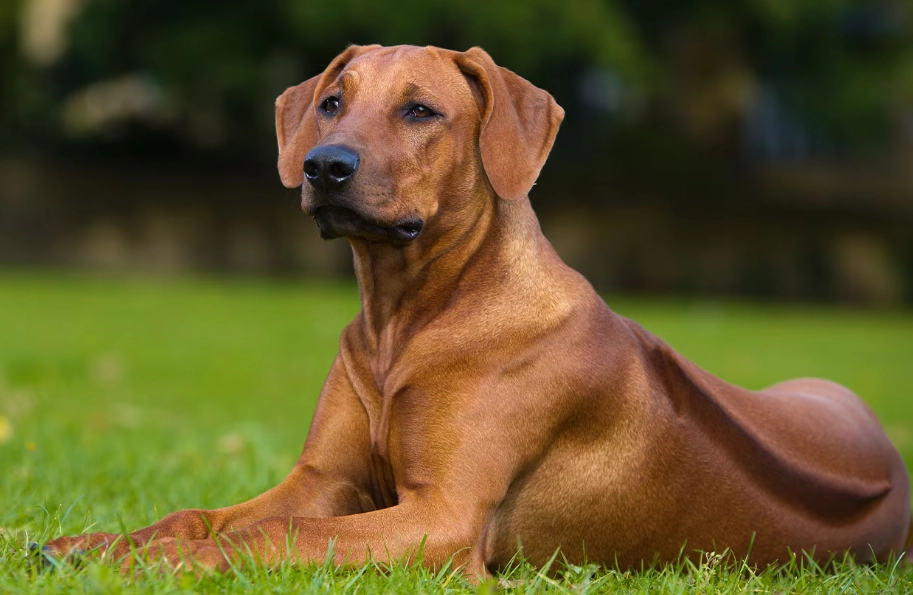
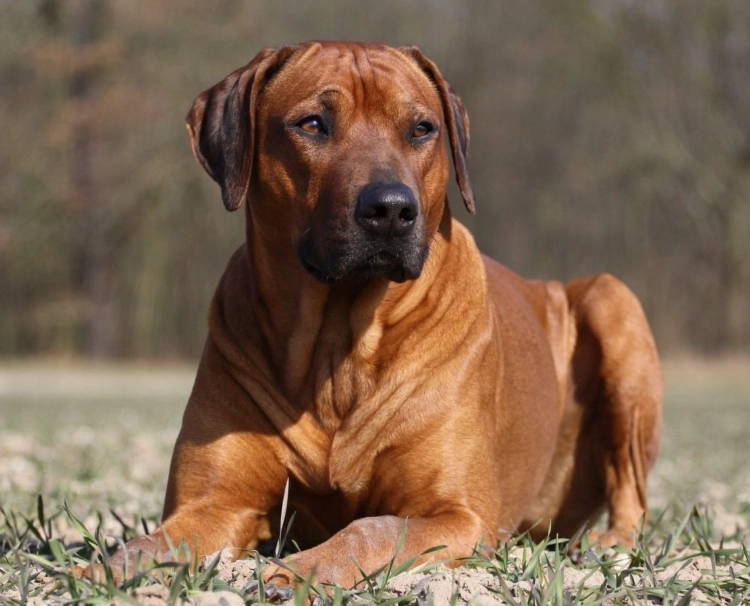
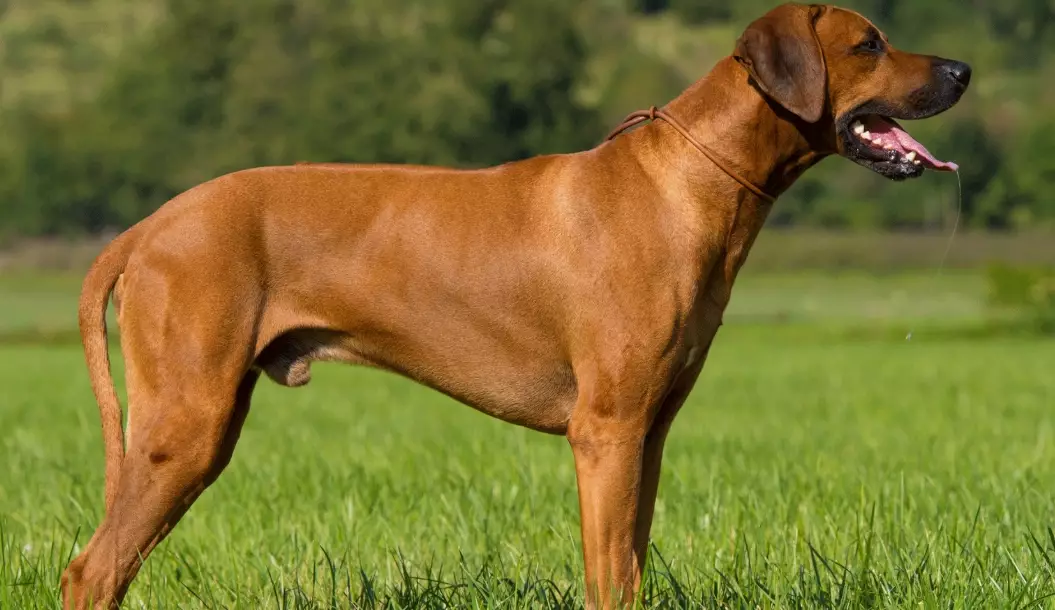
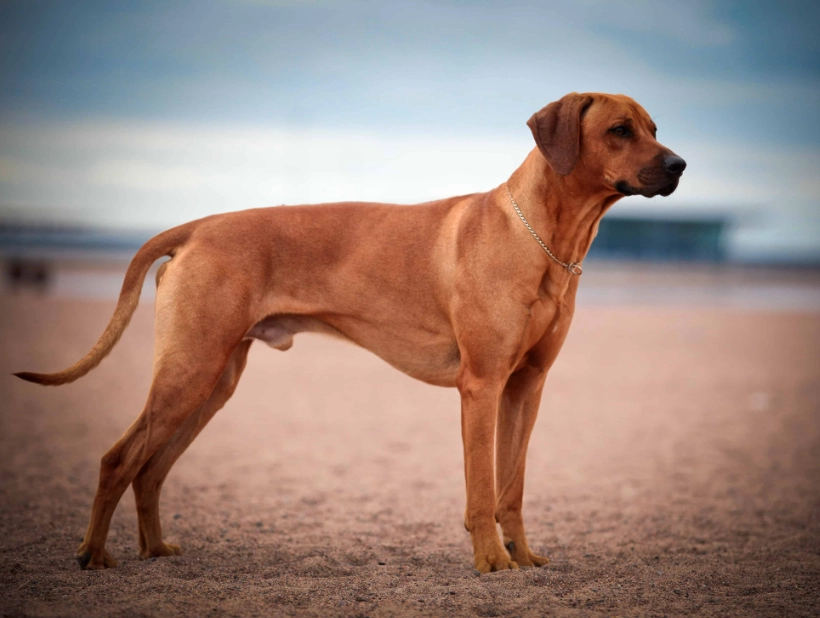
So you've seen one. Maybe at the park, maybe in a photo. That majestic dog with the distinctive stripe of hair running backwards along its spine. It's impossible to miss. The Rhodesian Ridgeback turns heads, no question. But let's be real here – that ridge is just the tip of the iceberg. Owning one of these dogs is a whole different story from admiring one from afar. I remember the first time I seriously interacted with a Ridgeback. A friend of mine had one, a muscular male named Duke. He was quiet, watchful, and moved with this unnerving grace. He wasn't like the Labs or Goldens that would bowl you over with enthusiasm. He assessed you. It was fascinating and a bit intimidating. That experience stuck with me and made me dig deeper into what makes this breed tick. The Bottom Line Up Front: The Rhodesian Ridgeback is not a beginner's dog. They are fiercely loyal, incredibly smart, and have a will of iron. They were bred to hunt lions – not to fetch your slippers. If you're looking for a constant, bubbly cuddle bug, you might want to keep looking. But if you want a dignified, capable, and profoundly bonded partner, and you're willing to put in the work, read on. You can't understand the dog without knowing where it came from. The name gives the first clue: Rhodesia, now modern-day Zimbabwe and Zambia. European settlers in the 16th-19th centuries needed a versatile hunting dog that could survive the harsh African conditions – scorching heat, scarce water, and dangerous game. They started crossing their European dogs (like Mastiffs, Greyhounds, and various terriers) with a semi-domesticated ridged hunting dog kept by the Khoikhoi people. The goal was specific: a dog that could track game over long distances, hold a cornered lion or leopard at bay (not kill it – that was the hunter's job), and be a loyal guardian of the homestead. The result was the Rhodesian Ridgeback, sometimes called the African Lion Hound. That job description explains everything. The endurance, the athleticism, the protective instinct, the independence. They weren't bred to take orders blindly; they were bred to think and act alongside their human. This is where people get tripped up. A well-bred, well-socialized Rhodesian Ridgeback at home is often a picture of calm. They're known for being quiet, not barky. They can be absolute couch potatoes, sprawling in the sun. Don't let that fool you. Under that calm exterior is a powerful drive. They are supremely confident and reserved with strangers. It's not aggression; it's aloofness. They don't need or seek approval from anyone but their family. With their people, they are affectionate, often goofy, and deeply attached. The bond is intense. But here's the catch – that strong will. They are intelligent and learn quickly, but they also question why they should do something. Obedience for obedience's sake isn't in their playbook. If a command doesn't make sense to them, or if they've found something more interesting (like a squirrel scent), they might just... ignore you. Trainers call it being "cat-like." Owners sometimes call it frustrating. The Big Watch-Out: That historical job as a game hunter means most Rhodesian Ridgebacks have a very high prey drive. Squirrels, cats, rabbits, even small dogs can trigger a powerful chase instinct. This is not a dog you can trust off-leash in an unsecured area, no matter how well-trained they seem. That recall command can vanish in a heartbeat when instinct kicks in. With kids in their own family, they are typically patient and protective. They often form a special bond with the children. However, their size and strength mean supervision is non-negotiable – a happy tail whip can knock a toddler over. They are not a "roughhousing" breed; they expect respect. With other dogs, it's hit or miss. They can do well with dogs they are raised with, but same-sex aggression, especially among males, is not uncommon. As for cats or other small pets in the home? It's a massive risk. Introducing a Ridgeback puppy to a cat has a better chance, but with an adult Ridgeback, it's generally a hard no unless you have a rock-solid, proven history. Let's get practical. What does life actually look like? They need substantial exercise, but it's more about quality than just miles. A bored Rhodesian Ridgeback is a destructive Rhodesian Ridgeback. Think 60-90 minutes daily. This isn't just leashed walking. A simple walk won't cut it. They need a job, even if that "job" is carrying a backpack on your hike. Start early. Socialization is not optional – it's a requirement. Expose them to everything: different people, sounds, surfaces, situations. Do it positively. Use positive reinforcement. Harsh methods will backfire spectacularly with this proud breed. They respond to respect, consistency, and food motivation (usually high-value treats). Keep training sessions short, fun, and varied. They get bored easily. The most important commands? A rock-solid recall (though never fully trusted off-leash near prey triggers) and a solid "leave it." These can be lifesavers. My friend with Duke said the best training advice he got was to always be more interesting than the distraction. If your Ridgeback is staring at a squirrel, don't just yell "come!" Run the other way, make a silly noise, pull out their favorite squeaky toy. You have to win the engagement battle. This is a low-maintenance breed coat-wise. Their short, dense coat sheds, but a weekly brush with a rubber curry brush or a hound glove will catch most of the loose hair. They are clean dogs with little "doggy" odor. The main grooming focus should be on nails (keep them short), teeth (brush regularly), and those iconic ears – check and clean them weekly to prevent infections. They are generally a robust breed, but like all purebreds, they have predispositions to certain conditions. Reputable breeders test for these. The American Kennel Club (AKC) and the Rhodesian Ridgeback Club of the United States (RRCUS) are excellent resources for breed-standard health information and finding ethical breeders who prioritize health testing. They need a high-quality diet formulated for large, active breeds. The amount varies wildly based on age, metabolism, and activity level. A typical adult might eat 3-4 cups of dry food per day, split into two meals. Here’s a quick comparison of some common considerations: My personal take? I've seen Ridgebacks thrive on all three. The key is quality, consistency, and monitoring your dog's weight and condition. Don't let them get fat – it's terrible for their joints. Let's make this simple. Answer these questions honestly. You might be a good fit for a Rhodesian Ridgeback if you: You should probably reconsider a Rhodesian Ridgeback if you: This is the most important step. Do not buy from a pet store, backyard breeder, or online ad that has multiple litters. The risks of health and temperament problems are too high. A good breeder's goal is to better the breed. They will: Expect to be on a waitlist. Expect to pay a significant amount. You are paying for decades of health testing, careful breeding, and proper puppy rearing. This can be a wonderful option. Adult dogs in rescue often have known personalities, and may already have some training. The RRCUS Rescue Network is the best place to start. Be prepared for a thorough application process. Rescue dogs may come with behavioral challenges, so honesty about your experience and home life is key. Giving a rescue Ridgeback a second chance is incredibly rewarding. But go in with your eyes open. The Rhodesian Ridgeback is not a dog for everyone. I can't stress that enough. They are challenging, stubborn, and demand a lot from their owners. But for the right person or family? They are unmatched. The loyalty, the quiet companionship, the feeling of having a capable and graceful guardian by your side – it's special. They are more than a pet; they are a commitment and a partnership. If you do the work, respect the breed for what it is (not what you wish it to be), you'll have a friend for life who will move heaven and earth for you. Just don't expect them to always come when called on the first try if there's a really good smell around. Some things never change.In This Guide
What Exactly Is a Rhodesian Ridgeback? A History Lesson
The Rhodesian Ridgeback Temperament: Loyal Protector or Stubborn Couch Potato?
Are Rhodesian Ridgebacks Good with Kids and Other Pets?
Living with a Ridgeback: The Daily Reality
Exercise Needs: More Than a Walk Around the Block
Training a Rhodesian Ridgeback: Patience is Your Best Tool
Grooming and Care: Surprisingly Easy
Rhodesian Ridgeback Health: What You Need to Know
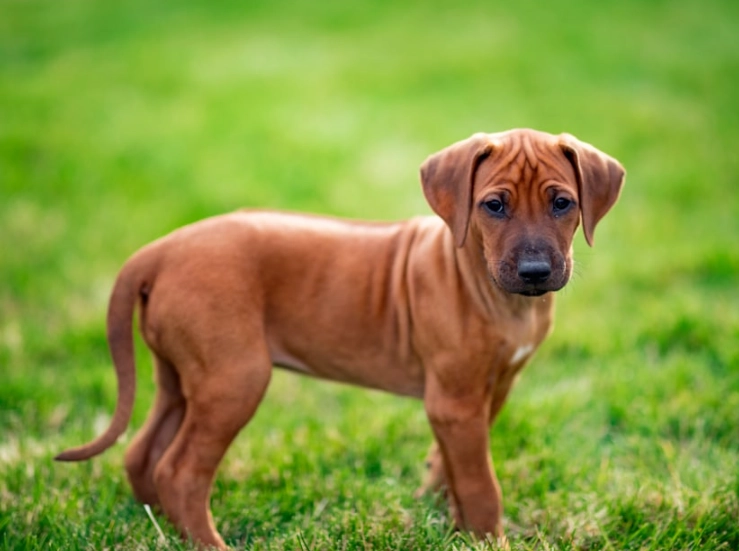
Feeding Your Rhodesian Ridgeback
Food Type
Potential Pros for Ridgebacks
Potential Cons / Things to Watch
High-Quality Kibble (Large Breed)
Convenient, balanced nutrition, often includes joint supplements (glucosamine).
Some dogs get bored. Quality varies hugely – read ingredients.
Raw Diet (BARF/Prey Model)
Some owners report shinier coats, higher energy. Aligns with a "natural" diet concept.
Risk of bacterial contamination, nutritional imbalance if not formulated correctly, expensive, time-consuming.
Gently Cooked/ Fresh Food Delivery
High palatability, often uses human-grade ingredients, minimal processing.
The most expensive option. Requires fridge/freezer space.

Is a Rhodesian Ridgeback the Right Dog for You? The Honest Checklist
Finding a Rhodesian Ridgeback Puppy or Rescue
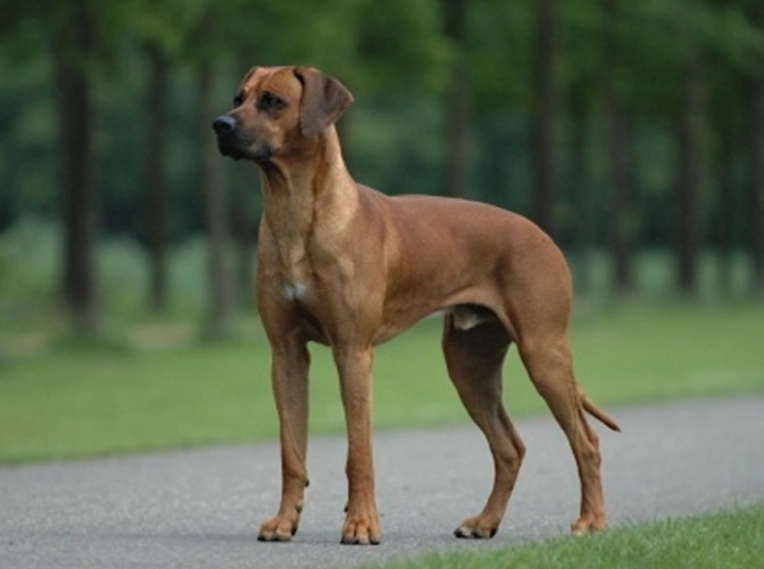
Going Through a Reputable Breeder
Considering Rhodesian Ridgeback Rescue
Common Questions (The Stuff You're Actually Googling)
Final Thoughts
Are Rhodesian Ridgebacks aggressive?
Not typically. They are protective and aloof, not inherently aggressive. Poor breeding, lack of socialization, or irresponsible ownership can create aggression in any breed.
How long do Rhodesian Ridgebacks live?
A healthy Rhodesian Ridgeback has a lifespan of about 10-12 years.
Do they drool a lot?
No, they are not a drooly breed like a Mastiff. They might drool a bit in anticipation of food, but it's not a constant issue.
Can they live in an apartment?
It's possible, but not ideal. They need space to stretch and a consistent, rigorous outdoor exercise routine. A house with a yard is better suited for a Rhodesian Ridgeback.
Why is the ridge there?
It's a dominant genetic trait inherited from the Khoikhoi dogs. The hair grows in the opposite direction along the spine. It's the breed's signature feature, but remember, it's just hair. It doesn't define the dog's health or temperament.
Comment