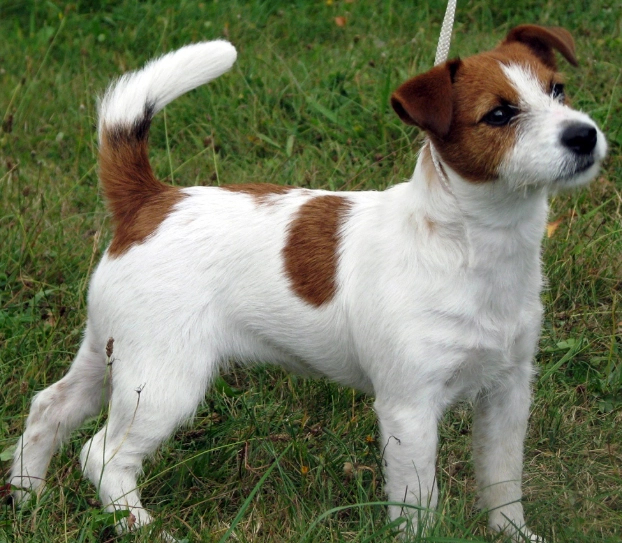
Let's be real. You've probably seen a cute, wiry-haired little dog zipping around a park and thought, "Is that a Jack Russell?" There's a good chance it was actually a Russell Terrier. I know, it's confusing. For years, I thought they were all just Jack Russells with different coat types. Turns out, the Russell Terrier is its own distinct breed, officially recognized by the American Kennel Club (AKC) in 2012. That's pretty recent in the dog world. My friend Sarah has one named Milo. She got him thinking he'd be a chill, lap-sized companion. Boy, was she in for a surprise. The first time I dog-sat, Milo rearranged my living room pillows, found a squeaky toy I didn't even know I had, and then looked at me like he was ready for his next mission. That's the Russell Terrier experience in a nutshell. This is where things get interesting. The Russell Terrier shares a common history with the Jack Russell Terrier and the Parson Russell Terrier. They all hail from the fox-hunting terriers developed in England by, you guessed it, a Reverend named John "Jack" Russell in the 1800s. The goal was a feisty, fearless dog that could bolt a fox from its den. The key difference today comes down to build and official recognition. The Russell Terrier, as defined by the AKC, is the shortest-legged of the three. They're squarely built, with a body that's slightly longer than it is tall. The official breed standard is very specific on size: ideally 10 to 12 inches at the shoulder. This compactness was prized for following horses and then squeezing into tight earths. Their coat can be smooth, broken, or rough. The broken coat is my personal favorite—it's got a bit of a scruffy beard and eyebrows, giving them this wonderfully expressive, wise-old-man look on a young dog's body. Colors are predominantly white with black, tan, or brown markings. Describing a Russell Terrier's temperament is like trying to describe the weather in spring—unpredictable and full of energy. They are, first and foremost, terriers. That means they are intelligent, independent, and brimming with confidence that far outweighs their 9 to 15-pound frame. They're incredibly loyal and affectionate with their family. Milo follows Sarah from room to room, not in a needy way, but like a tiny, furry supervisor. They form strong bonds. But here's the thing—they have their own opinions. This isn't a breed that lives to please you. They live to… well, live! To explore, to hunt, to play, to figure things out. Their intelligence is a double-edged sword. They learn tricks lightning fast. But they also learn how to open cupboard doors, undo latches, and remember exactly where you hid the treats. Boredom is your enemy. A bored Russell Terrier is a destructive Russell Terrier. They'll find a job, and you probably won't like the job they choose (like redesigning your baseboards). With other dogs, they can be scrappy. They often don't back down from a challenge, even from much larger dogs. Early and ongoing socialization is absolutely critical. As for kids, they can be great playmates for older, respectful children who understand not to tease or handle them roughly. Their small size makes them vulnerable to injury from toddlers, and their low tolerance for annoyance might result in a nip. When breed sites say "high energy," for a Russell Terrier, they mean it. This isn't just a daily walk around the block. We're talking about a dog that needs vigorous, engaging exercise to be happy and calm indoors. A good 30-45 minute run, a hard session of fetch, or advanced puzzle games are daily requirements, not weekly suggestions. I made the mistake of thinking a tired Milo would be a sleepy Milo. Nope. A physically tired Russell Terrier just becomes a mentally restless one. You need to tire out both body and brain. Nose work games, advanced obedience drills, agility training (they excel at it!)—these are your best friends. Training a Russell Terrier is an exercise in patience and creativity. Positive reinforcement is the only way to go. Harsh corrections will make them shut down or become defensive. They respond to treats, praise, and play. But you have to be more interesting than the squirrel outside the window. Recall (coming when called) is notoriously difficult with this breed. When that prey drive kicks in, they go deaf. This is why I'm a huge advocate for long-line training in safe, open spaces before ever considering off-leash in an unsecured area. It's for their safety. Some common challenges and quick fixes: Honestly, compared to temperament management, feeding and grooming a Russell Terrier are straightforward. They're small, so they don't eat much. A high-quality commercial or carefully formulated homemade diet appropriate for a small, active breed is perfect. Watch their weight—it's easy for these little guys to pack on pounds if their diet isn't measured. Grooming is simple. A weekly brush with a rubber grooming mitt or soft bristle brush is enough for smooth coats. Broken and rough coats might need a once-over with a stripping knife or a visit to a groomer a few times a year to maintain texture. They shed, but it's manageable. Nails need regular trimming, and teeth should be brushed often—terriers can be prone to dental issues. Overall, the Russell Terrier is a robust, healthy breed with a lifespan of 12 to 14 years, sometimes longer. But like all purebreds, they have some predispositions. Responsible breeders test for these conditions. You should always ask to see the results of health screenings from organizations like the Orthopedic Foundation for Animals (OFA). Here are the main health concerns on the radar: The good news? You can find a lot of this health information and search for breeders who do testing on the OFA website. It's a fantastic resource that adds a layer of trust. This is the most important decision. Going through a responsible breeder is your best bet for predictability in health and temperament. Look for breeders who are members of the national breed club, like the Jack Russell Terrier Club of America (which encompasses both Parsons and Russells) or the American Russell Terrier Club. These clubs uphold a code of ethics. Red flags in a breeder: They have multiple litters available at once. They don't ask you any questions. They want to meet in a parking lot. They don't show you health clearances (OFA, PLL DNA test). They can't tell you about the breed's challenges. On the other hand, rescue is a wonderful option. Many Russell and Jack Russell-type terriers end up in shelters or breed-specific rescues because people underestimated their needs. These dogs can make fantastic pets for the right, experienced home. Rescues often know the dog's personality well and can make a good match. A great starting point is Petfinder.com, where you can filter for terrier mixes and small dogs in your area. If you go the breeder route, when you visit the litter: Bringing a Russell Terrier into your life isn't a casual decision. It's a commitment to living with a tiny, hilarious, frustrating, loyal, and endlessly entertaining force of nature. They're not for everyone. They demand time, consistency, and a good sense of humor. But if you can provide that? You get a dog with more personality per pound than almost any other breed. A dog that will make you laugh every single day, who will be your shadow on adventures, and who will remind you that life is meant to be lived with gusto. Just maybe hide your good pillows first. For the most accurate and detailed breed standard, always refer to the official source like the American Kennel Club's Russell Terrier page. For health information and to verify breeder testing, the Orthopedic Foundation for Animals (OFA) database is invaluable. And for connecting with the community of dedicated owners and breeders, the Jack Russell Terrier Club of America is a wealth of historical and practical knowledge.Quick Navigation

So, What Exactly Is a Russell Terrier?
The Russell Terrier Personality: A Bundle of Contradictions

Energy Level: What "High Energy" Really Means
Living with a Russell Terrier: The Day-to-Day Reality
Training Your Clever Stubborn Partner
Nutrition and Grooming: The Easy Parts

Weight of Dog
Daily Food (High-Quality Kibble)
Key Nutritional Focus
9-11 lbs
3/4 to 1 cup
High protein for muscle, controlled fat for energy
12-15 lbs
1 to 1 1/4 cups
Joint support supplements can be beneficial
Russell Terrier Health: What to Watch For

Common Questions About Russell Terriers
Finding Your Russell Terrier: Breeder or Rescue?

Puppy Selection Checklist
They're not just small dogs. They're a condensed package of terrier spirit.
Quick Breed Snapshot: Think of the Russell Terrier as the sporty, ground-hugging hatchback of the Russell family. The Parson Russell Terrier is the leggy SUV, and the Jack Russell Terrier (often not AKC recognized) can be a bit of a wildcard mix of both.
Let's talk about the hard part. That legendary terrier prey drive is no joke. Squirrels, rabbits, cats (sometimes even the family cat if not properly introduced), birds—they see them as the ultimate chase toy. This means secure fencing is non-negotiable. A standard 4-foot fence? Many can clear it. A dig-proof base? Essential. They were bred to go to ground, and digging is in their DNA.
The best training advice I ever got for Milo was to always have a toy or treat in my pocket. Spontaneous, one-minute training sessions throughout the day worked wonders for his focus and bonded us more than formal hour-long classes.
Q: Is a Russell Terrier a good apartment dog?
A: Surprisingly, yes—if their exercise needs are met. Their size is apartment-friendly. But an under-exercised Russell Terrier in an apartment will drive you and your neighbors crazy. They need that daily outlet.
Q: Russell Terrier vs Jack Russell – what's the real difference?
A: Legally and officially, "Jack Russell Terrier" is often used as a catch-all. But since 2012, the AKC recognizes the Russell Terrier (10-12 inches tall, longer body) and the Parson Russell Terrier (12-14 inches tall, square body). Many dogs called "Jack Russells" are mixes or don't fit either breed standard. The AKC breed standard for the Russell Terrier is your best guide for the "official" version.
Q: Are they good with cats?
A: It's a huge maybe. Raised together from puppyhood with a cat that stands its ground, it's possible. Introducing an adult Russell Terrier with a high prey drive to a cat is risky. Always supervise, and never assume it will be fine.
Q: How much do Russell Terrier puppies cost?
A: From a reputable breeder who does full health testing, you're looking at $1,500 to $3,000. The lower end often misses crucial health screens. Remember, you're paying for generations of careful breeding and health guarantees.
Comment